#16
#16If this is Biobizz’s light-mix it isn’t a coco grow . . . more of an organic substrate with a lower EC than say All-mix, more like Happy Frog vs Light Warrior seed starter.
Their coco product is called Coco-mix.
40 antworten · 207 aufrufe
#16If this is Biobizz’s light-mix it isn’t a coco grow . . . more of an organic substrate with a lower EC than say All-mix, more like Happy Frog vs Light Warrior seed starter.
Their coco product is called Coco-mix.
 #17
#17Yes, I never said I used coco, it’s substrate, yes it has coco, but it’s lightmix substrate.
#18No, you didn’t but others who posted thought it might be. No offense intended.
 #19
#19Second message from him, it’s in the one above.
#20I just raised the LEDs 15cm, although I don’t feel enough power to burn the leaves; in fact, it seems like little light to me, though I clarify that this is my subjective view, because it’s the first time I’ve cultivated with LEDs; previously, I always used HPS.
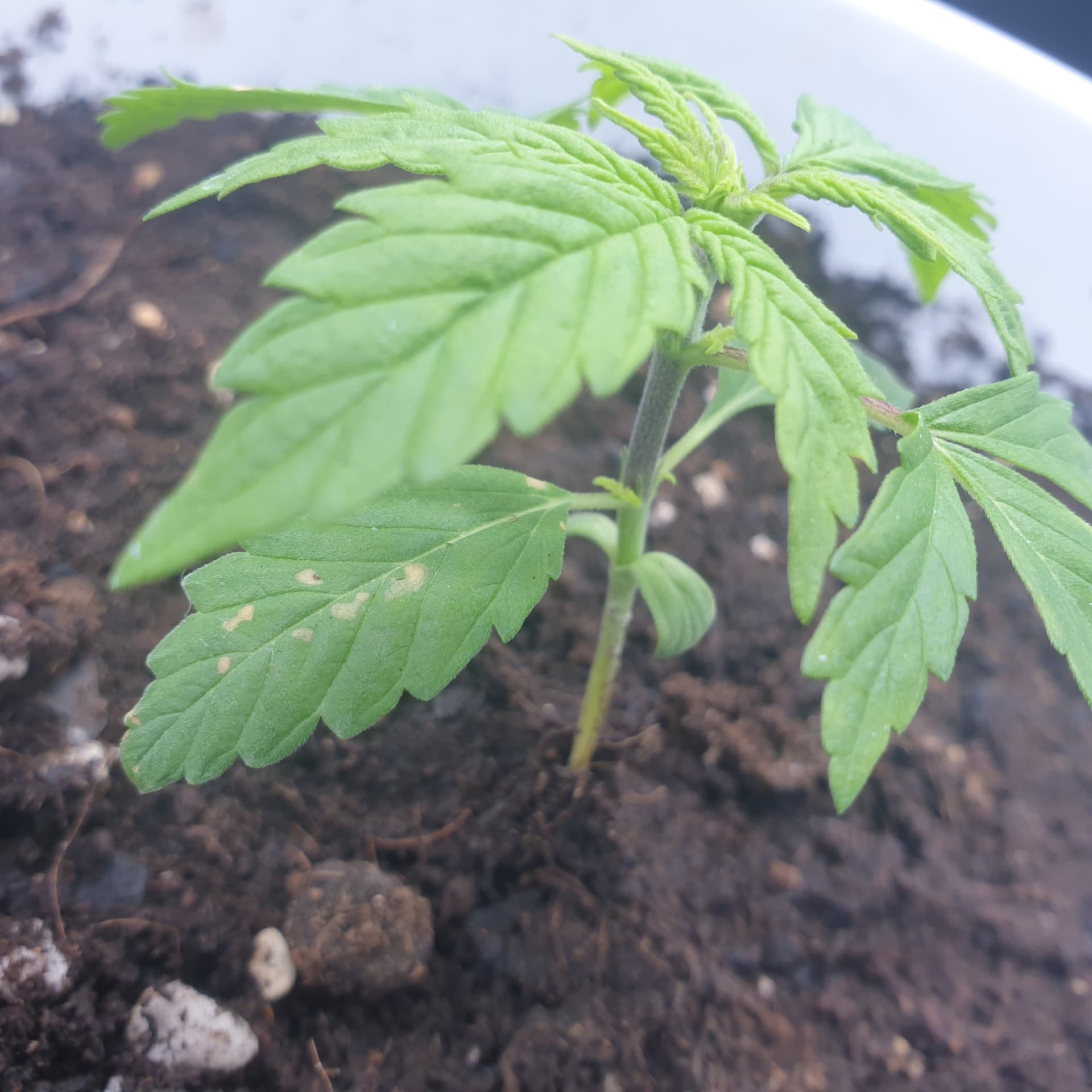

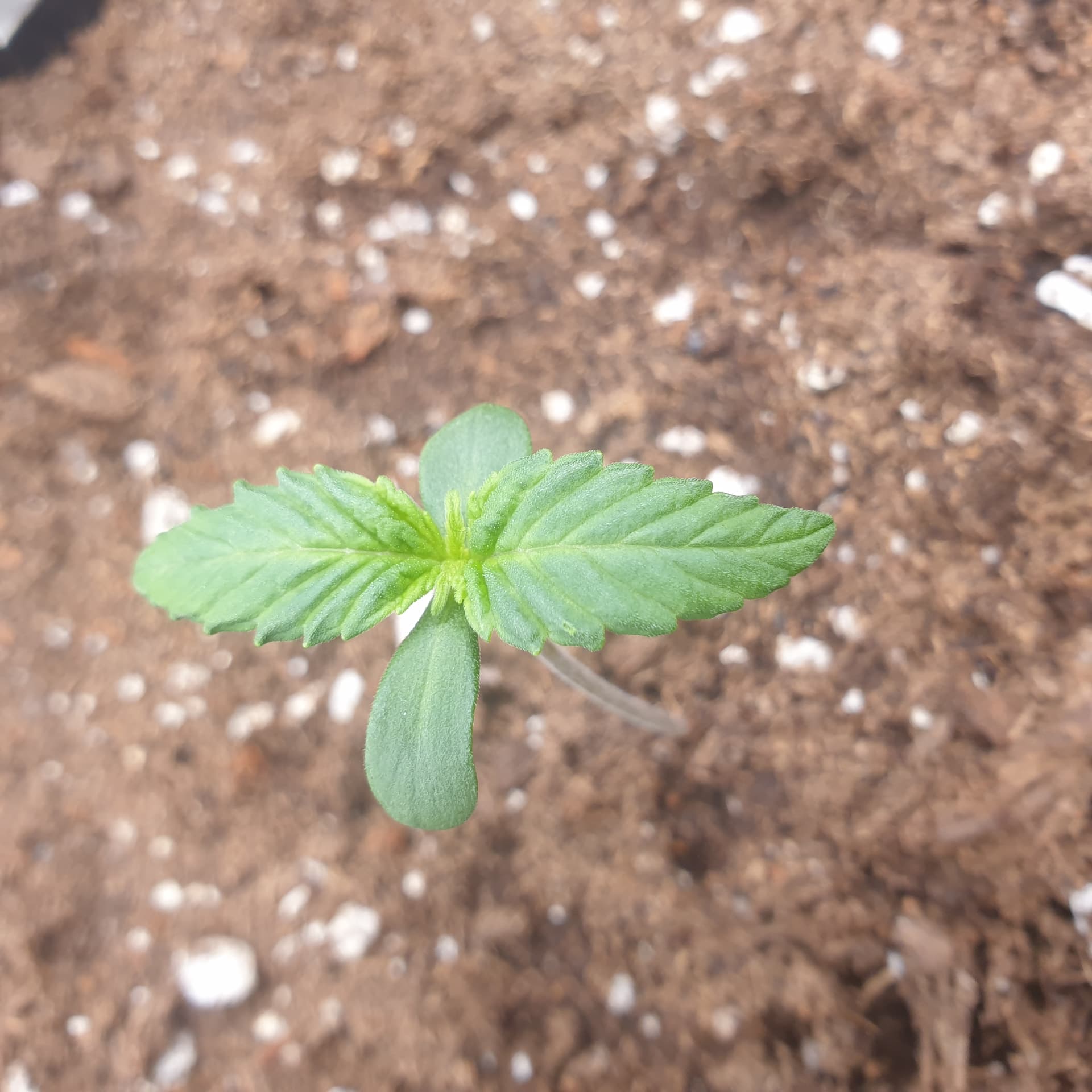
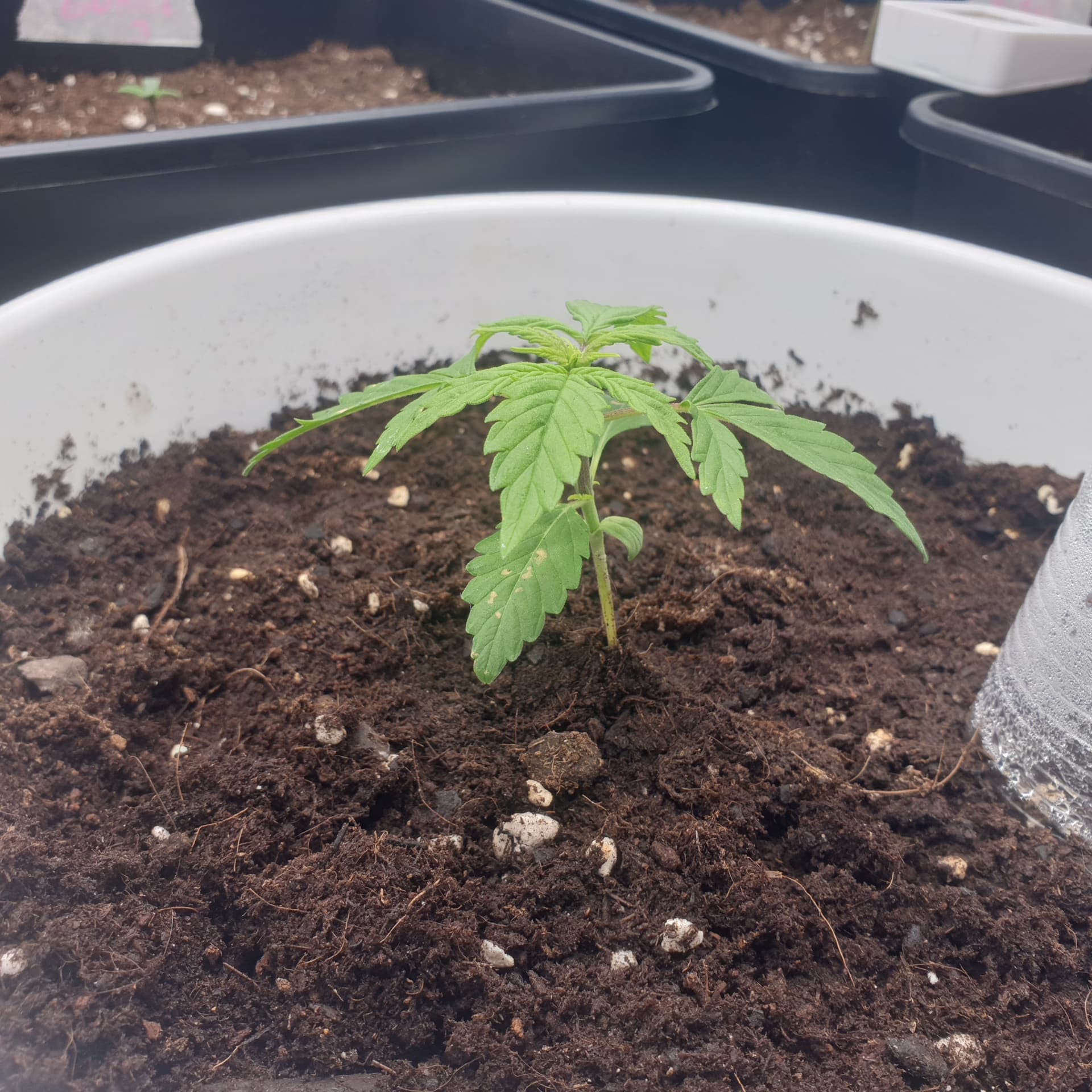
If you notice, it looks “sad” with its leaves drooping, wilted.
The spots are not on the new leaves, only on the false leaves; the apex is still pale.
I also attach another photo of the larger photoperiod plant, where the apex also looks perhaps a bit pale, even though it hasn’t even grown leaves yet.
 #21
#21With led’s it’s not the heat that burns it’s the light itself. Led’s run cool so you don’t feel the heat except what comes off the heat sink and driver. The pale leaves just look like new growth looks. It’s a bit paler than hardened off older sections of leaves. The center has more pale that the outer leaf on the meristem. The tips of the leaves are the first parts to be exposed to the light and harden off faster.
#22I also have a 240 Watt lamp; according to the manufacturer, it would be for a 1.2 m × 1.2 m tent during the growth phase and for a 1 m × 1 m tent during flowering.
My tent is only 0.6 m × 0.6 m. As long as they are small, I place a plastic cup over the plants so that the humidity for the plants is at 80%, and I keep the lamp at a distance of 45 - 50 cm.
I have already noticed that the small plants stand completely normal in the morning and then in the afternoon start to let their leaves droop a bit; I think they have then received the maximum amount of light they can process in
#23It’s actually very possible, I took the photo when I posted, and I had just turned on the lights, they were in the dark for 4 hours.
#24Thanks for still being interested in helping, yes, I thought the same, but I see them too pale although it could be normal as you say, the burns on the leaves, on the other hand, not so much, the LED is relatively far away, now at 60, but they were at 45, and with the power at 25% which would be about 60w, do you think they could have gotten burned because of that distance and such low power? Right now, what worries me is the accumulation of those 3 factors, which are the burns, the size and decay, and the paleness.
In a way, I understand that the growth is due to the hormonal treatment, as the lateral shoots have continued to grow little by little (perhaps 1 millimeter per day?), but they are bigger than yesterday, that’s for sure.
Likewise, I lowered the power to 20% and raised the LED 15 cm, I hope that solves the burning issue, if the paleness is normal, I should think that I started the hormonal treatment too early, or it was a very high dose.
#25these are the LED manufacturer specifications

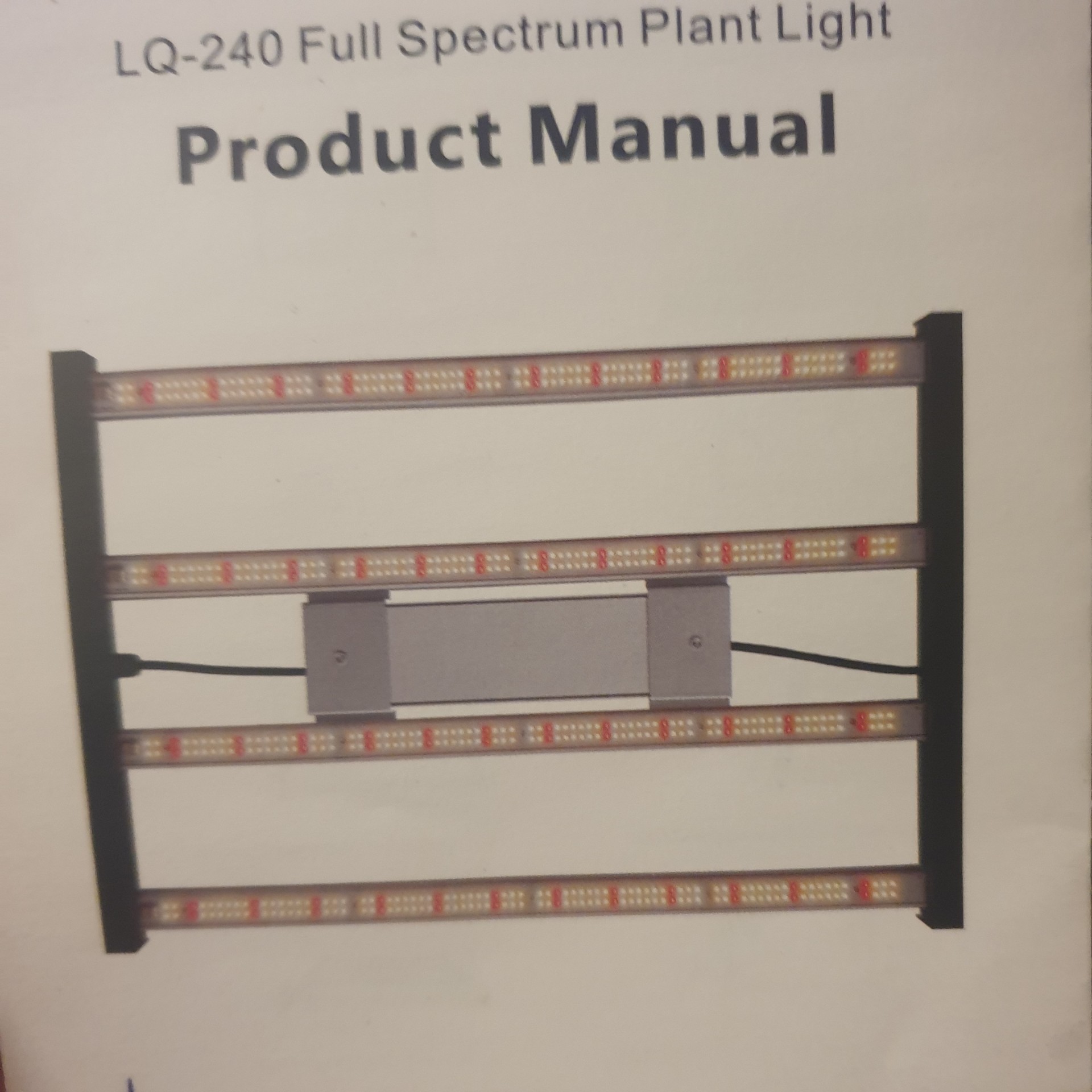
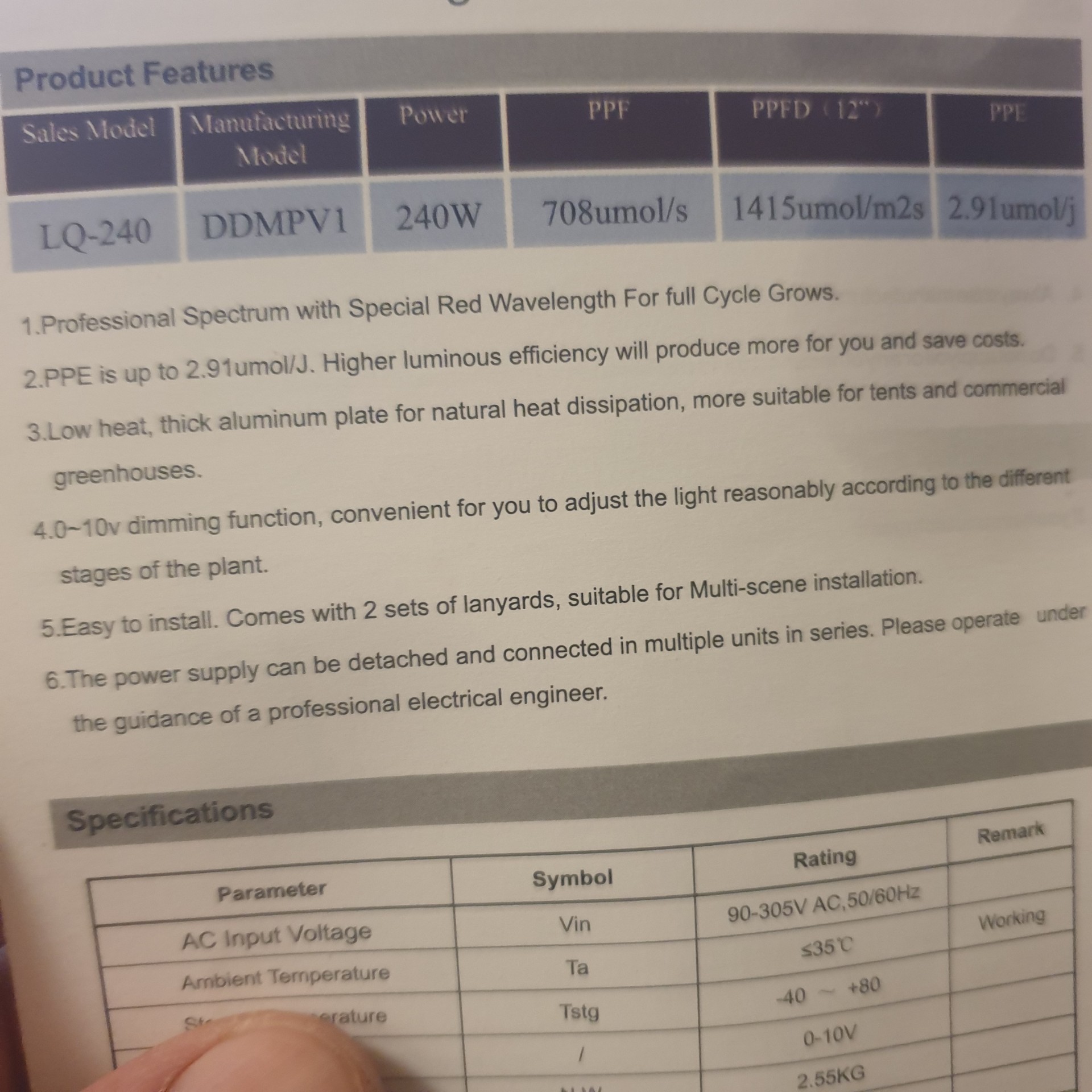 #26
#26With that output for the light I don’t think there is any light burn. There could be light fatigue happening from the DLI being too high but that should show with a droopy plant in the later hours of the day. I have to admit your situation genuinely intrigues me as I’d love to figure out what’s going on. Unfortunately I’m stumped.
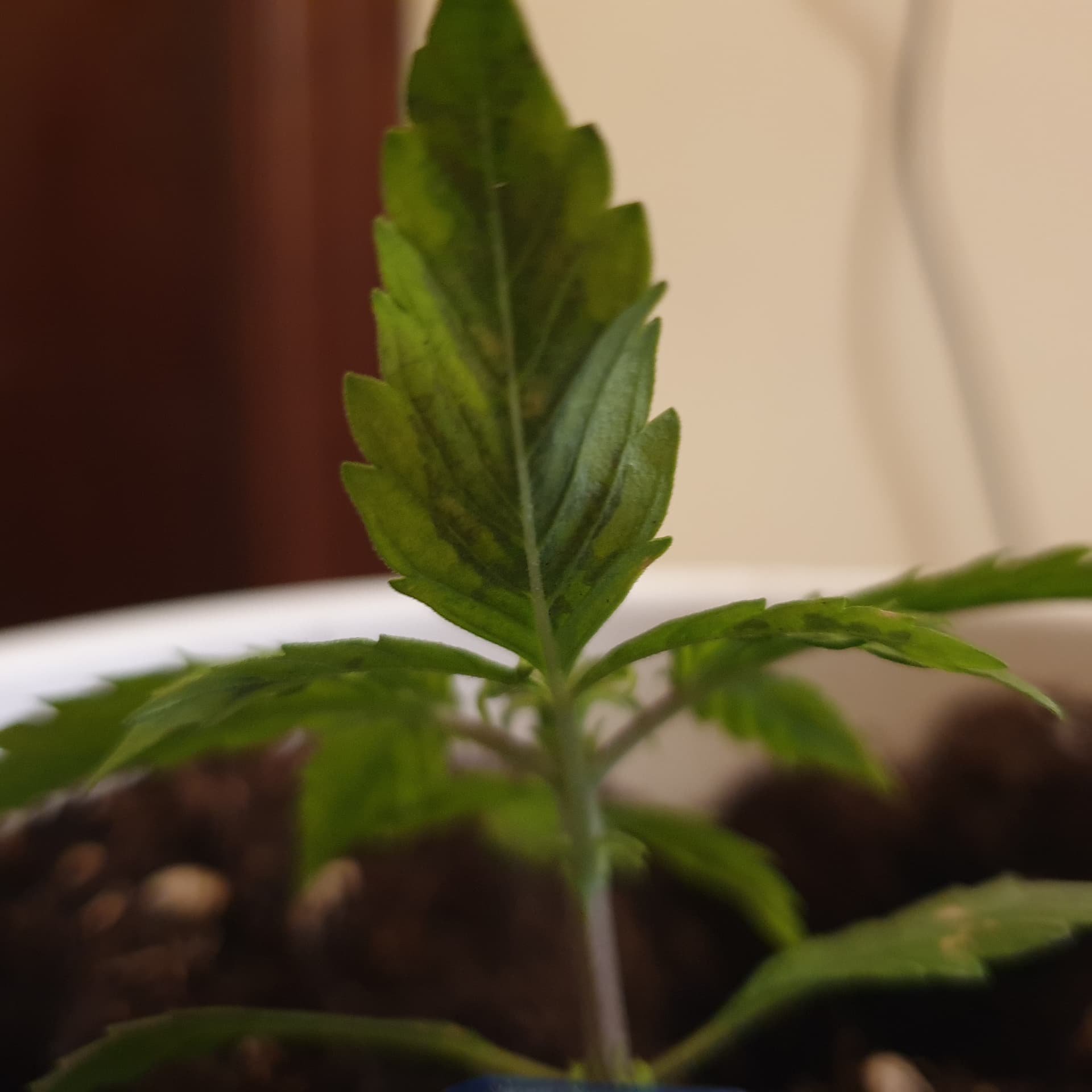
#27something is going so wrong, pic of this morning. (5 min ago)
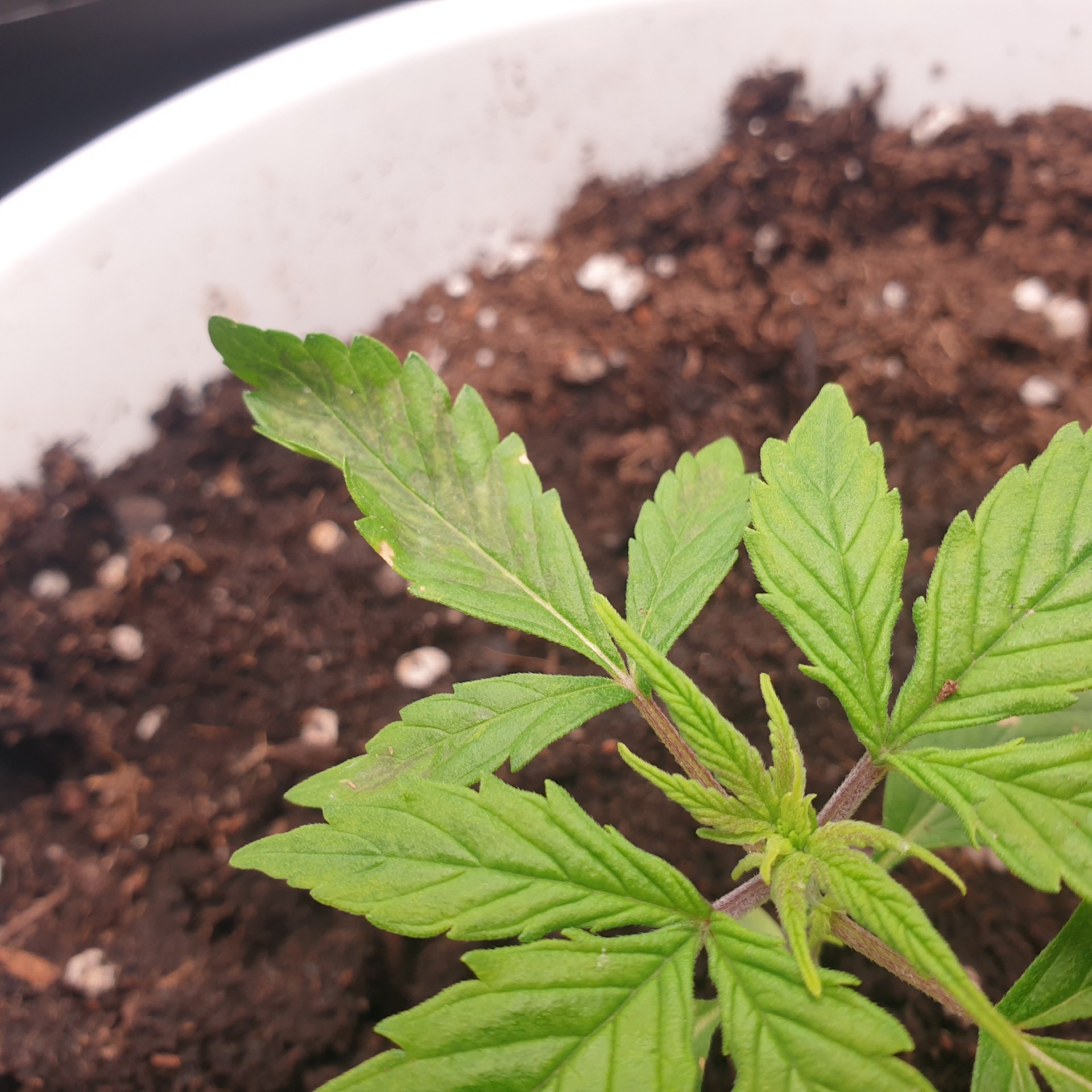

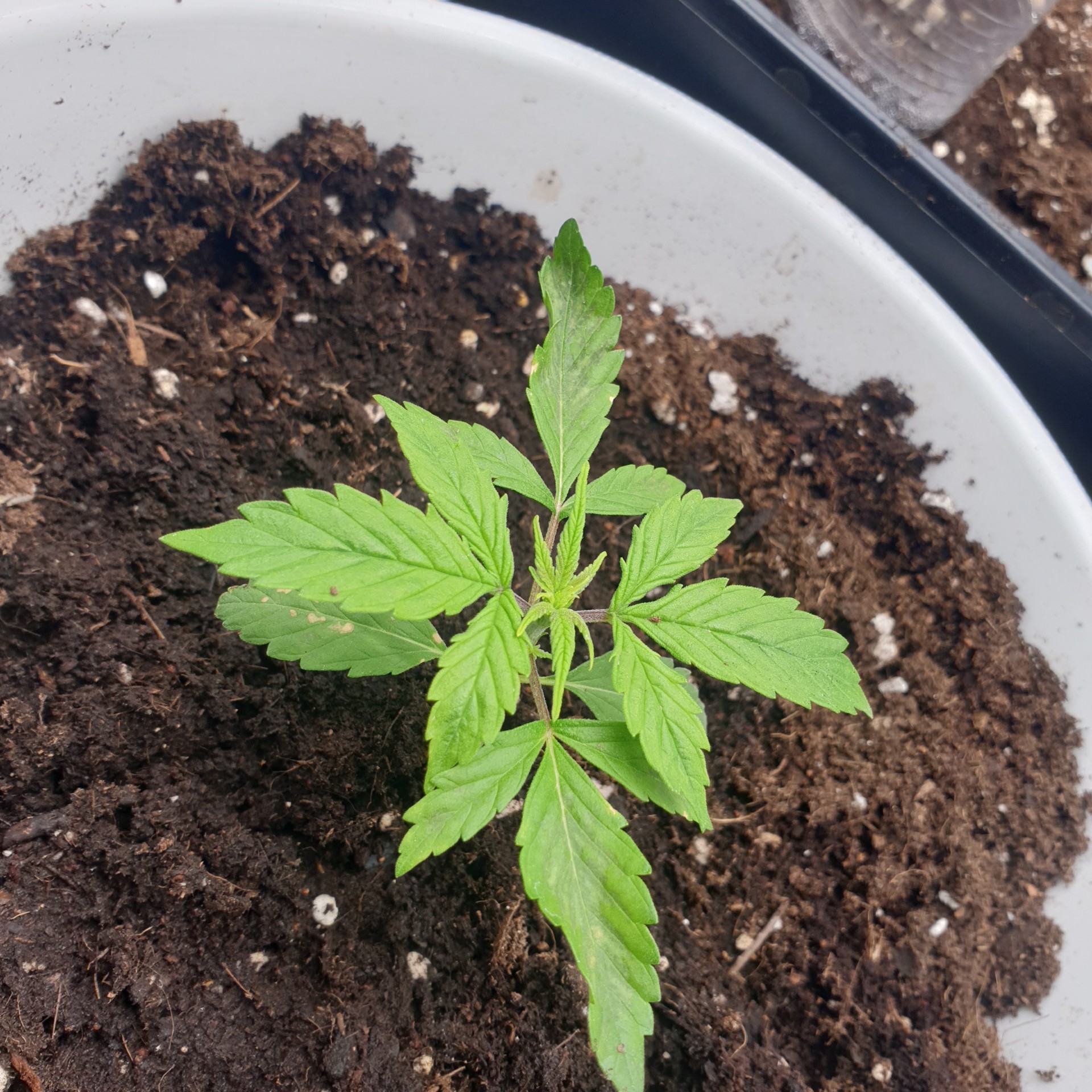
They’ve had about 12 hours of light now. Yesterday I lowered the water pH to 6.2, as the previous ones were at pH 7. Also, I moved the LED light further away. This time, two almost dead leaves have appeared, curled inwards, with a burnt feeling to the touch. If you touch the damaged leaves with your fingers, the leaf is very thin, without hydration, like dry. I imagine it must be the watering. I lowered the light intensity and moved it away, so I rule out the light as the cause. These are only the first true leaves; the new ones look good.
 #28
#28Hopefully not Tobacco Mosaic Virus (TMV)
Just let them grow and don’t always touch them 
If it’s only on the first leaves and the new ones show no changes, I would let them grow.
Best regards, I hope you get it under control
#29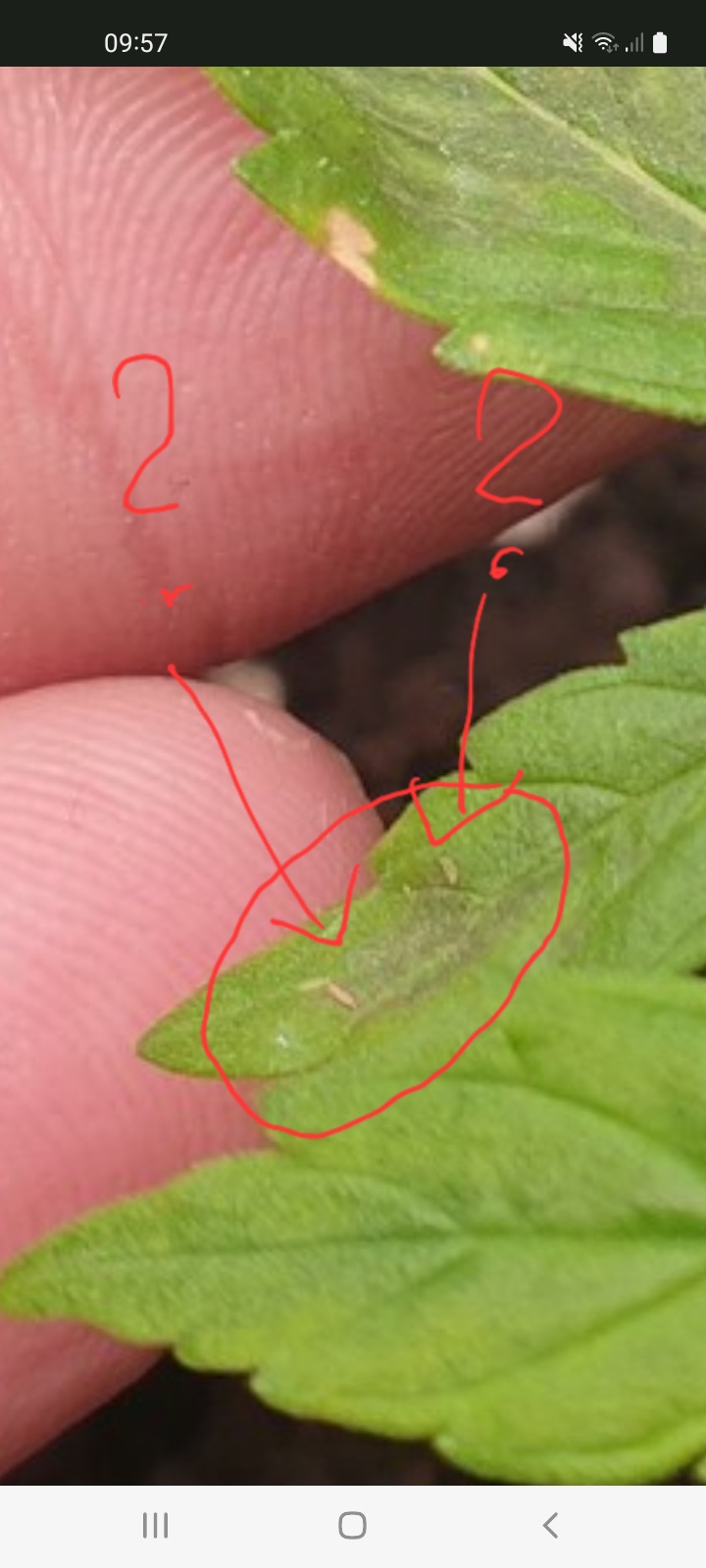 #30
#30Good eye @herr_gruen
I just wanted to point that out too
But yes, that really looks like an infestation.
#31Thanks, @KilliczGe, a good magnifying glass should solve the mystery now. After that, we can see how to proceed against it.
#32I will do that, I don’t touch them, only to take the photos so the problem can be appreciated because I have no idea what it could be, the rest of the time I don’t manipulate them because there’s no need. In fact, if I can, I even avoid touching the plants.
I will let it grow to see how it evolves; when I get back from work, I’ll see how it is and if the disease or problem has progressed.
#33More than a magnifying glass, I have a x60 microscope, but this morning I looked at the leaf out of curiosity and couldn’t distinguish anything clear, nor do I know what to look for… they’re not bugs, that’s the only thing my inexperienced eyes can distinguish.
This morning I looked at it before work, saw the problem, and posted the photo; I only had a few minutes. In 2 or 3 hours I’ll be back home and will be able to see how it’s evolving. What should I look for on the damaged leaves with the microscope?
#34It could be thrips. When infested, leaves turn yellowish-brown and deform. Look for small black droppings along the leaf veins, and silvery, shiny spots on the leaves. The insects are usually found under the leaves. Setting up blue sticky traps could help identify them well if they stick to them; adult thrips are attracted to the blue color.
Thrips are 1 - 3 mm in size with a narrow, elongated body, often yellowish, brownish, sometimes black. Mostly found under the leaves. The larvae are usually yellowish and smaller, found under the leaves or on the leaf veins.
Take your time and carefully check the affected areas.
 #35
#35First, thank you for the response and interest.
I took the plant out of the closet and thoroughly examined all its leaves and stems; not a single bug or remnants of them, any black dot you might see in the photos is soil from the substrate.
I also examined it with the 60/120 magnification microscope, there are no bugs.