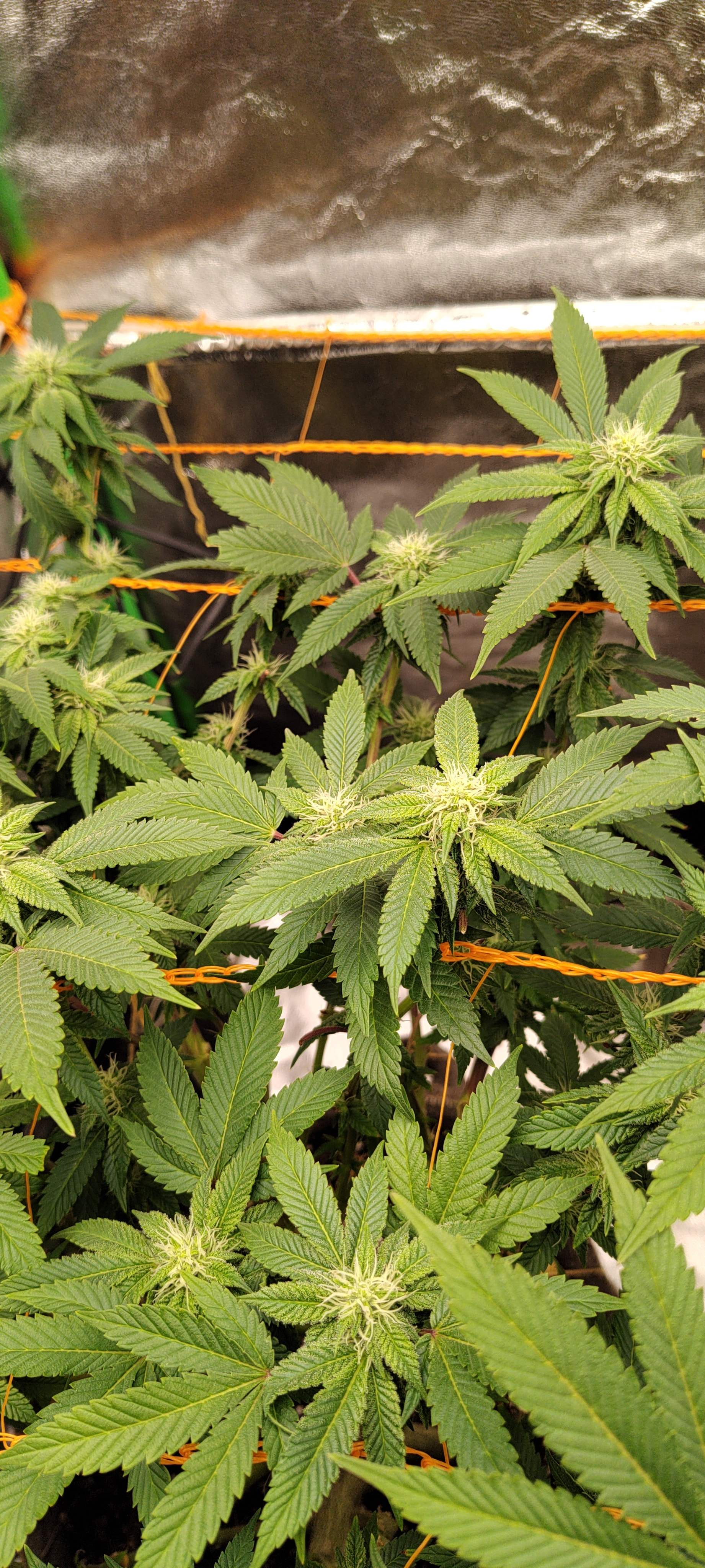
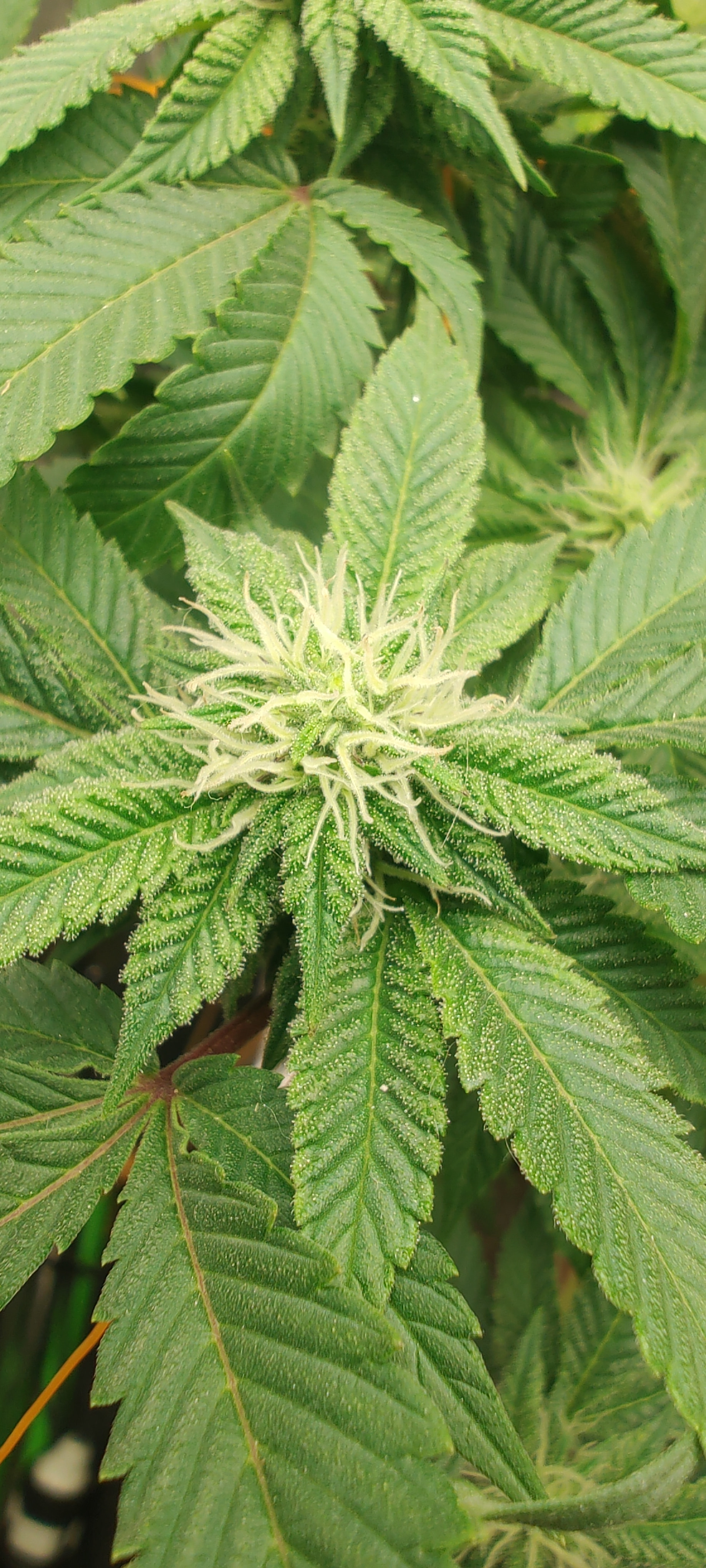
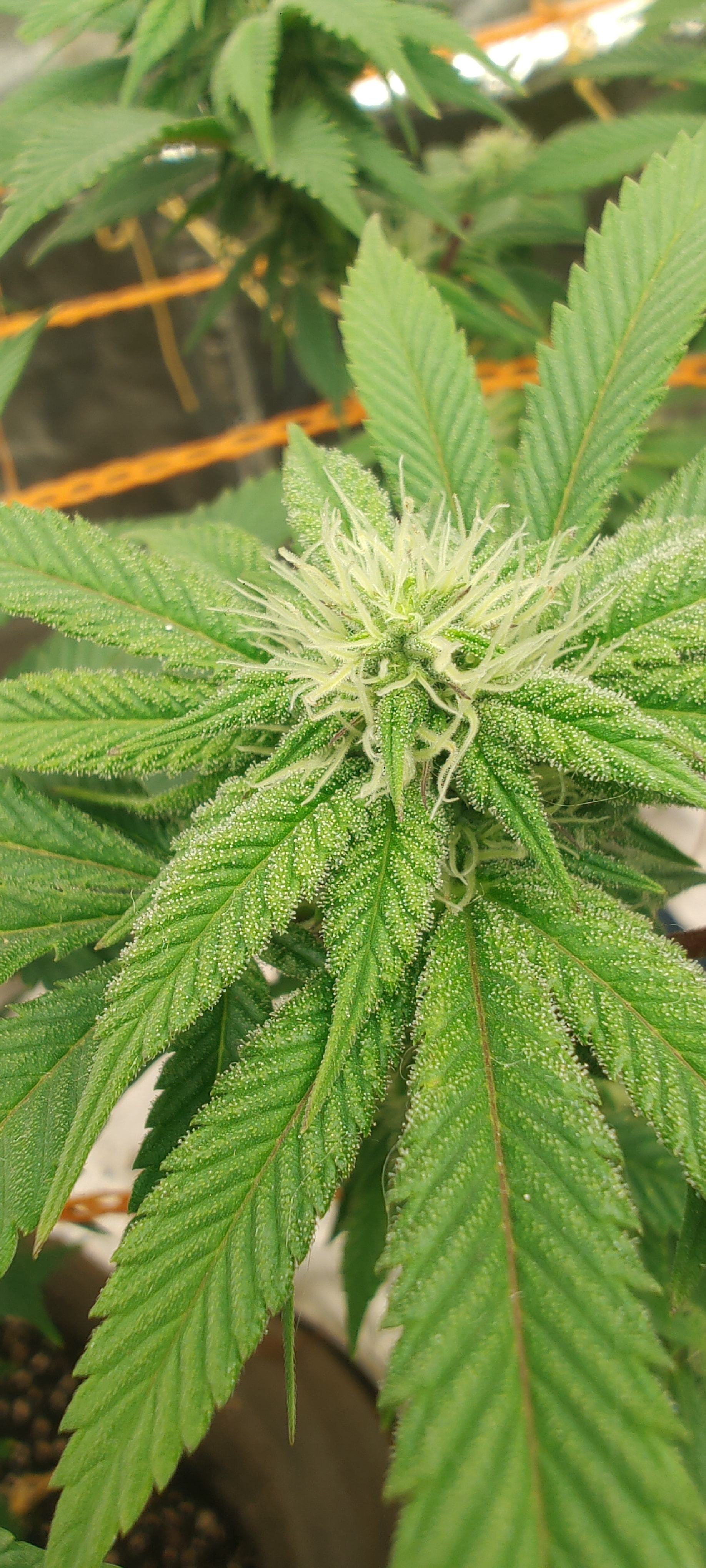
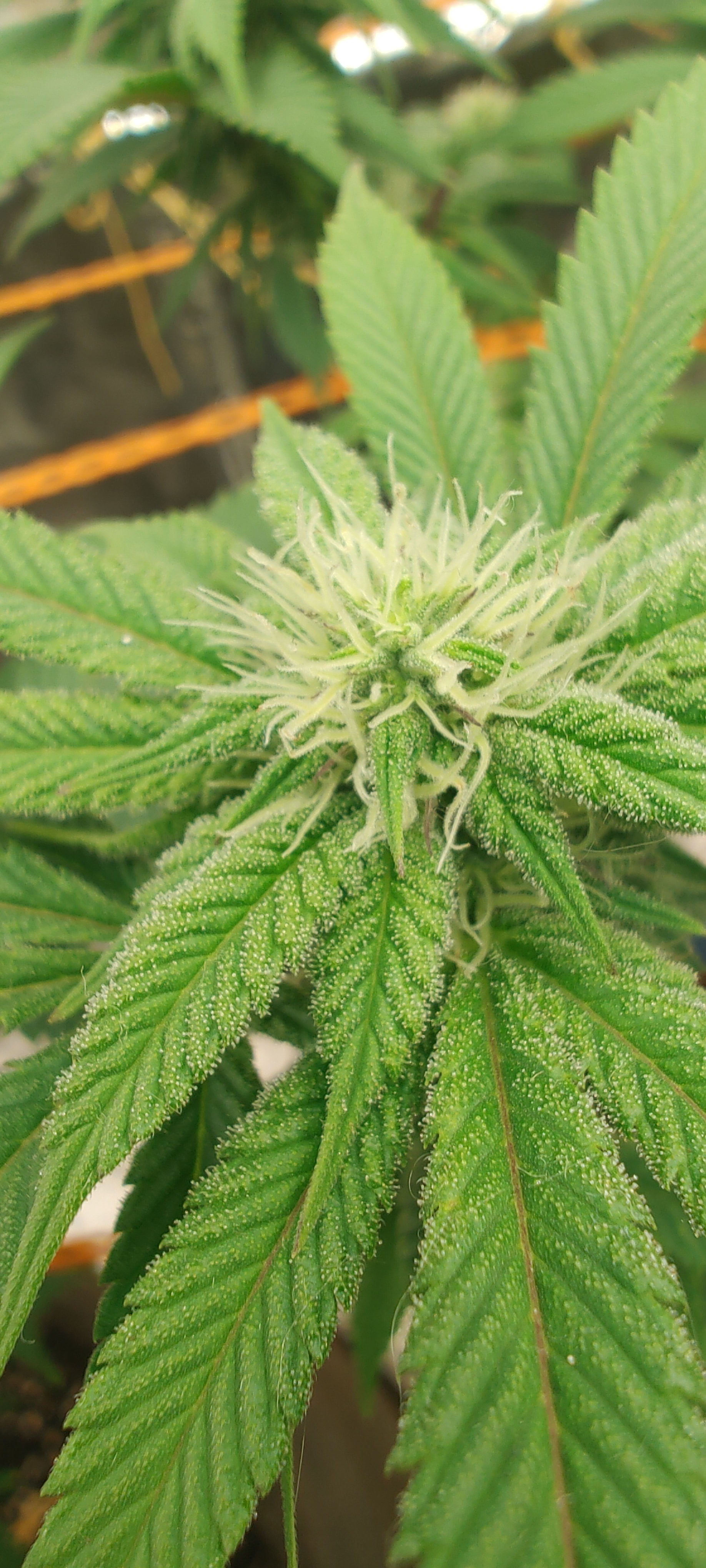
#26
#26Good evening everyone …with a lot of pain and fear, I did the last pruning and lollipoppig on the girls, almost finishing the stretch …Wish me luck !!! hahaha hugs
[grid]
!
78 respuestas · 643 visitas
#26Good evening everyone …with a lot of pain and fear, I did the last pruning and lollipoppig on the girls, almost finishing the stretch …Wish me luck !!! hahaha hugs
[grid]
!
 #27
#27Lookin pretty damn great to me!!
#28Good evening, thank you very much … I hope it turns out well … we’ll know soon … hugs
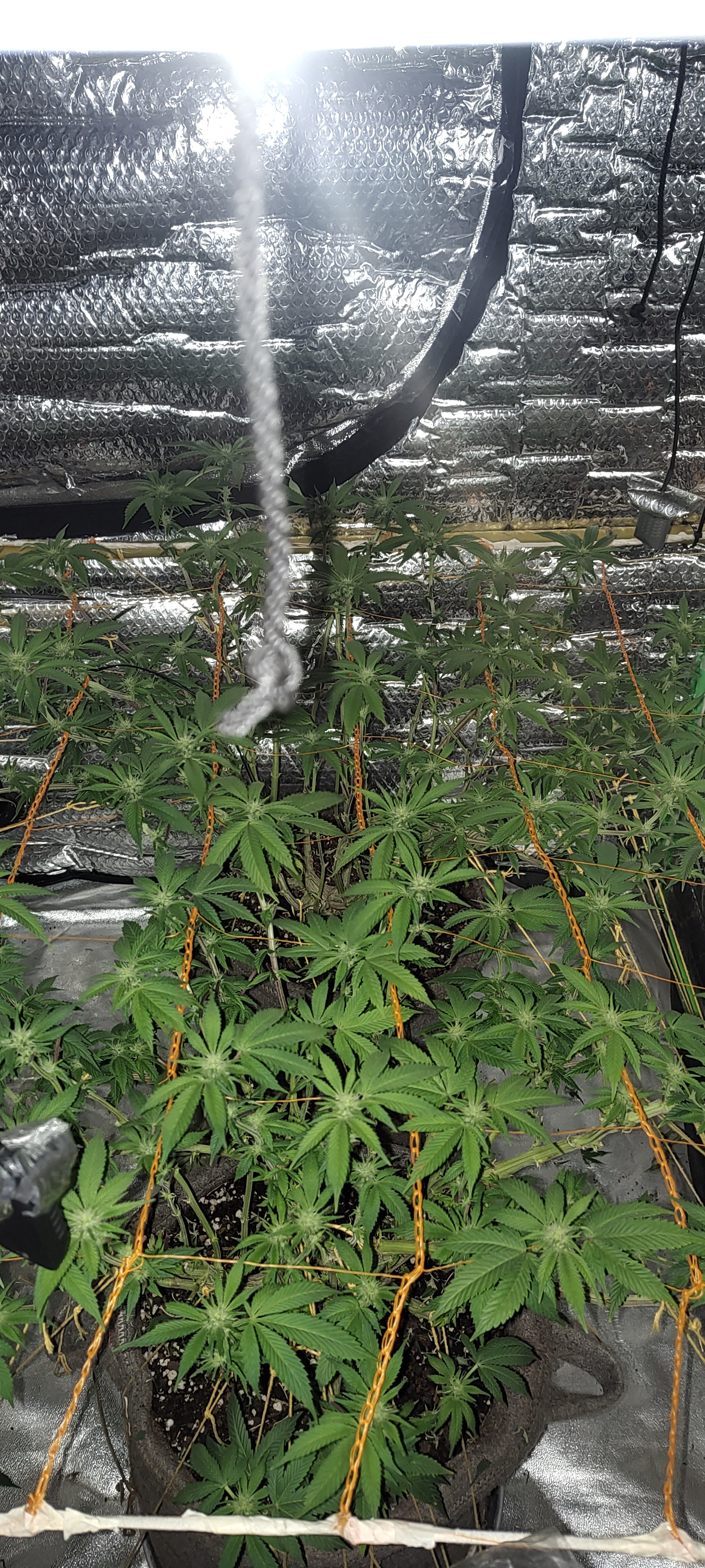
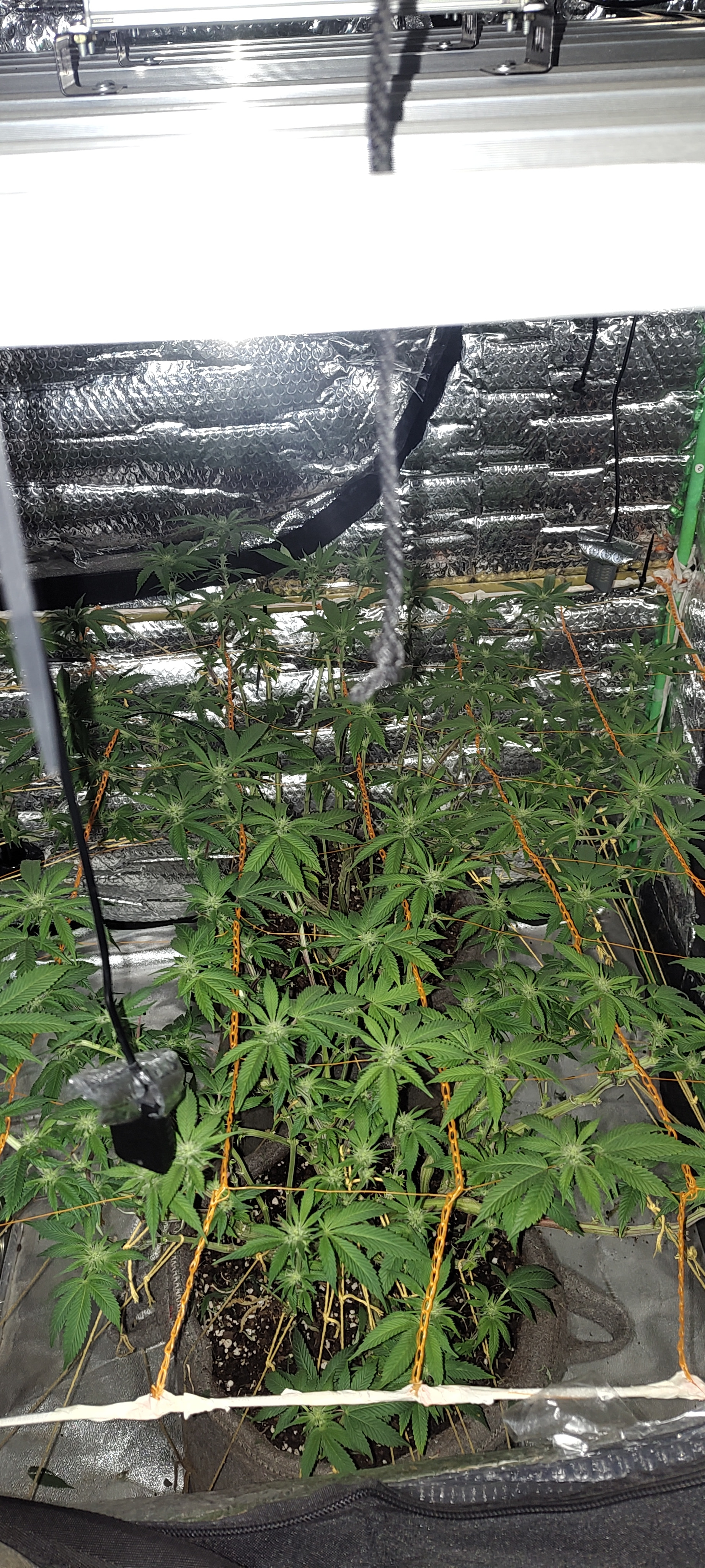
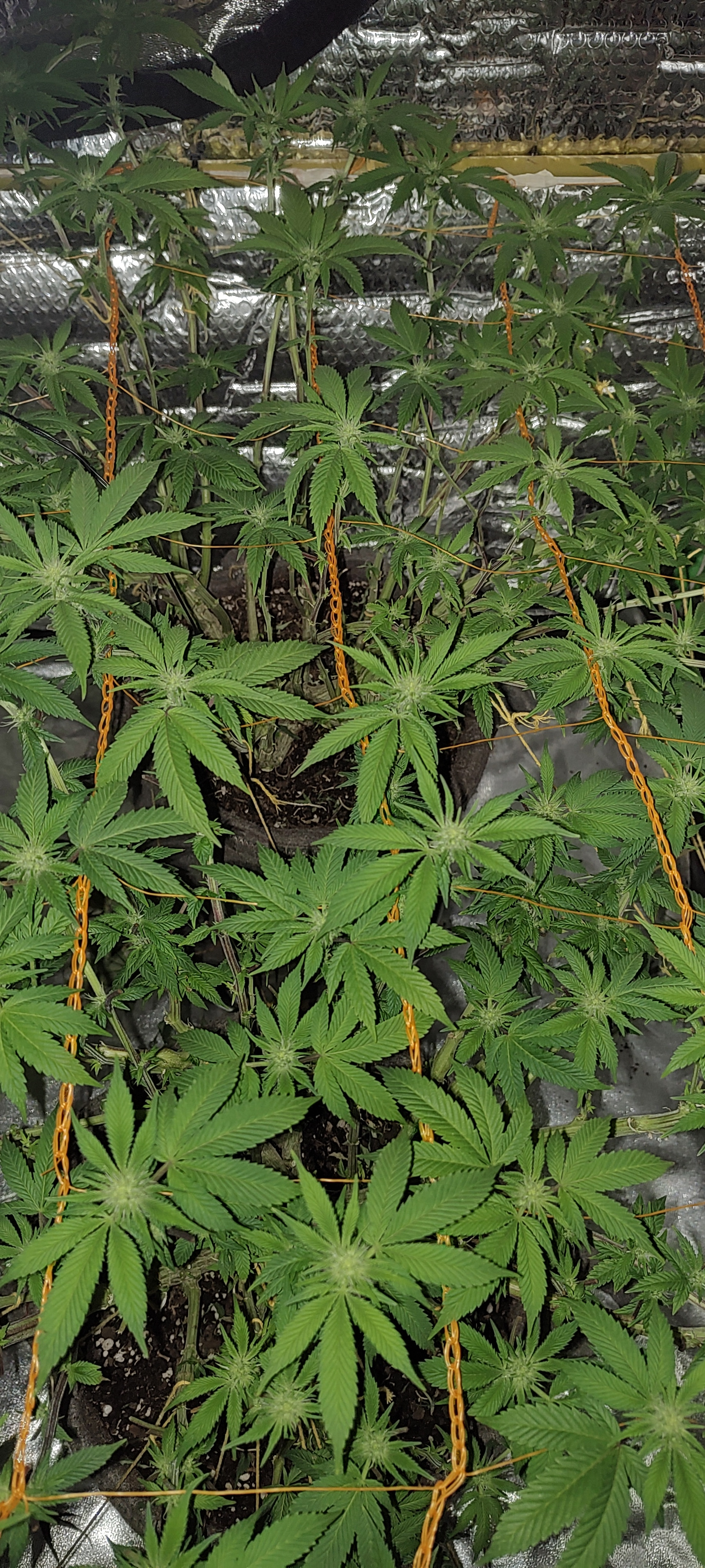
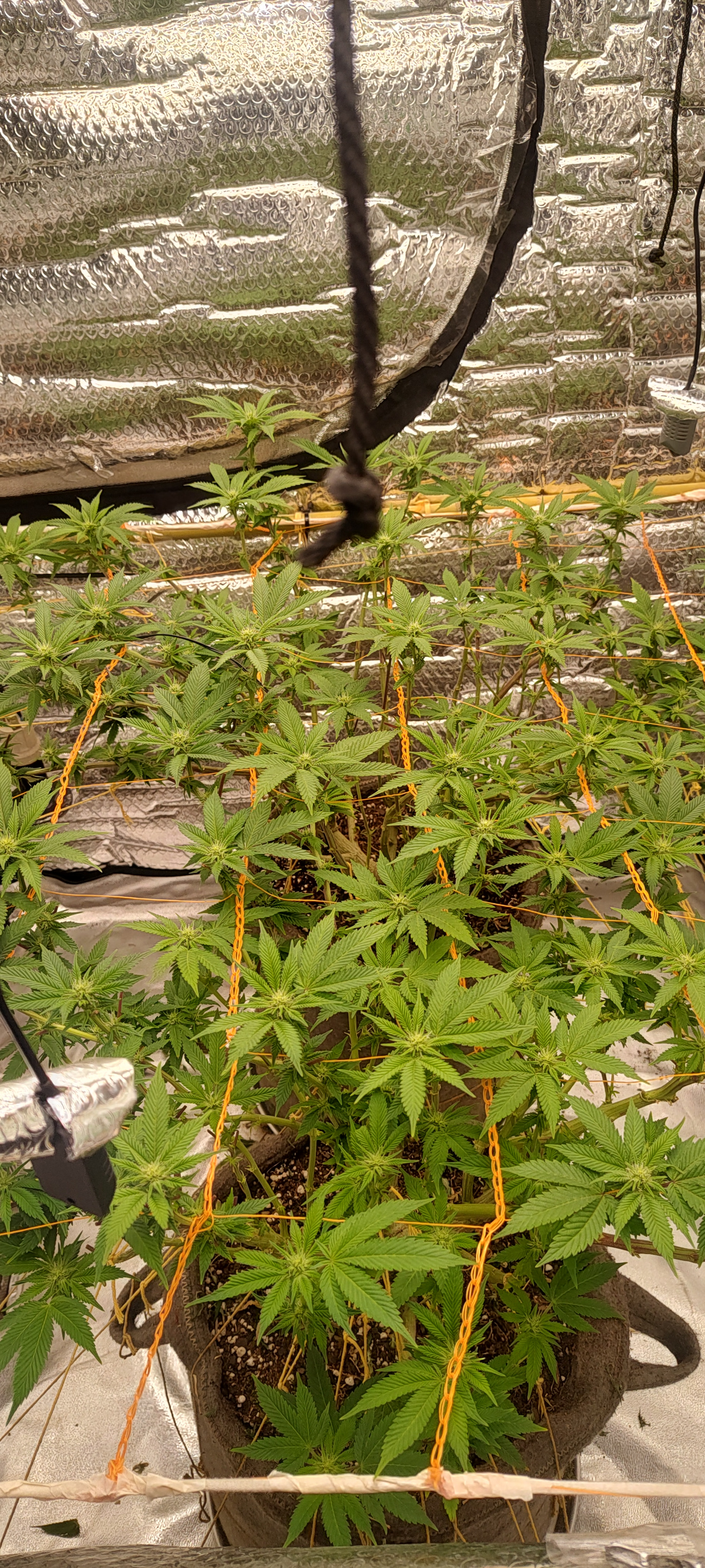
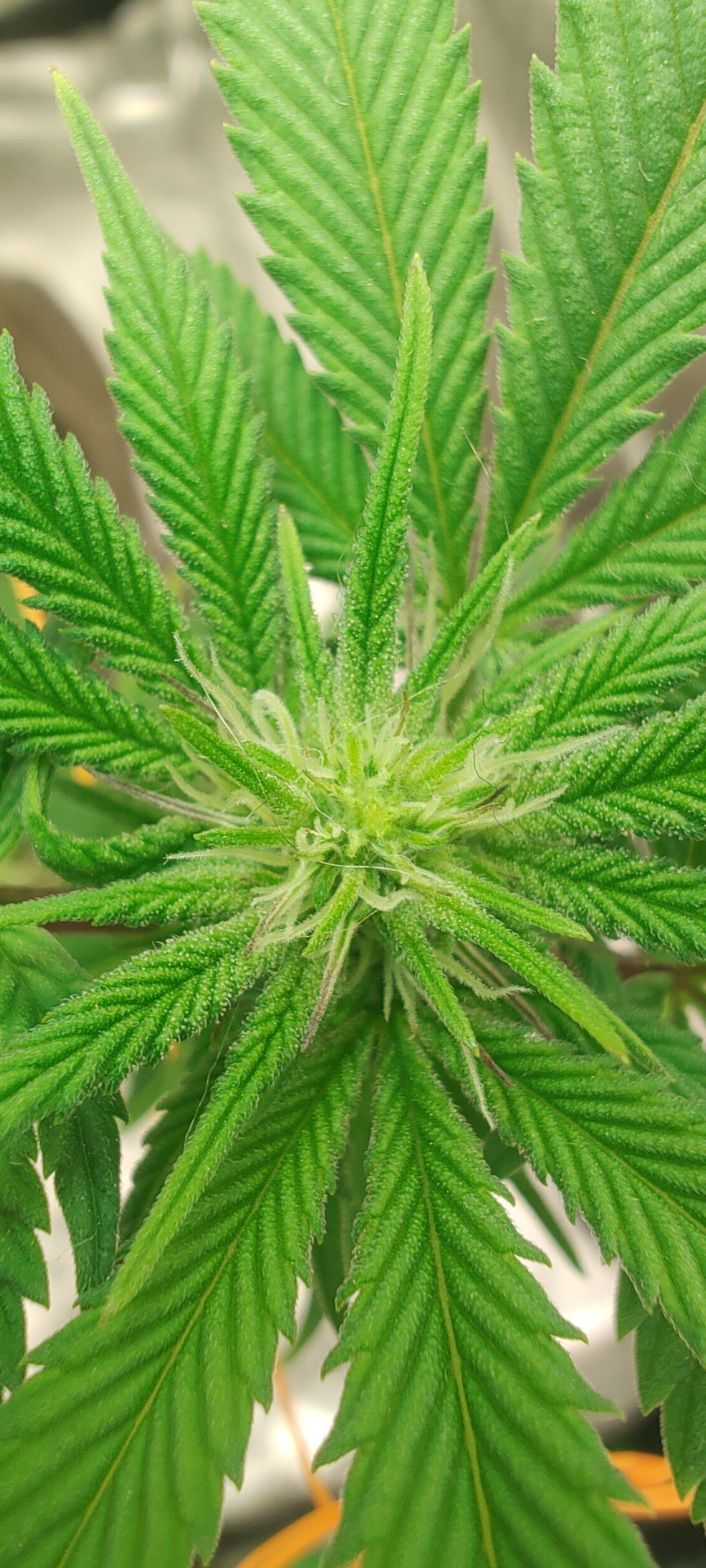
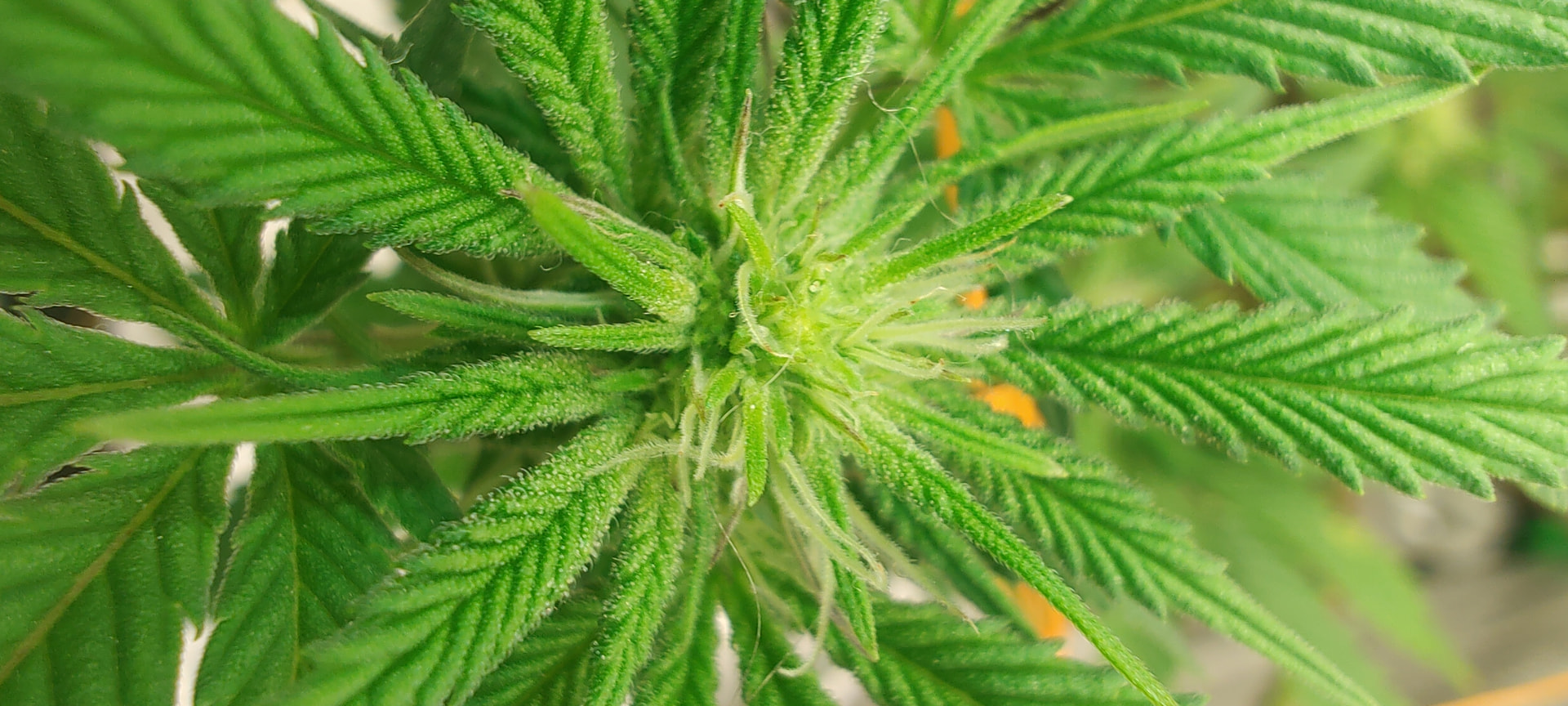
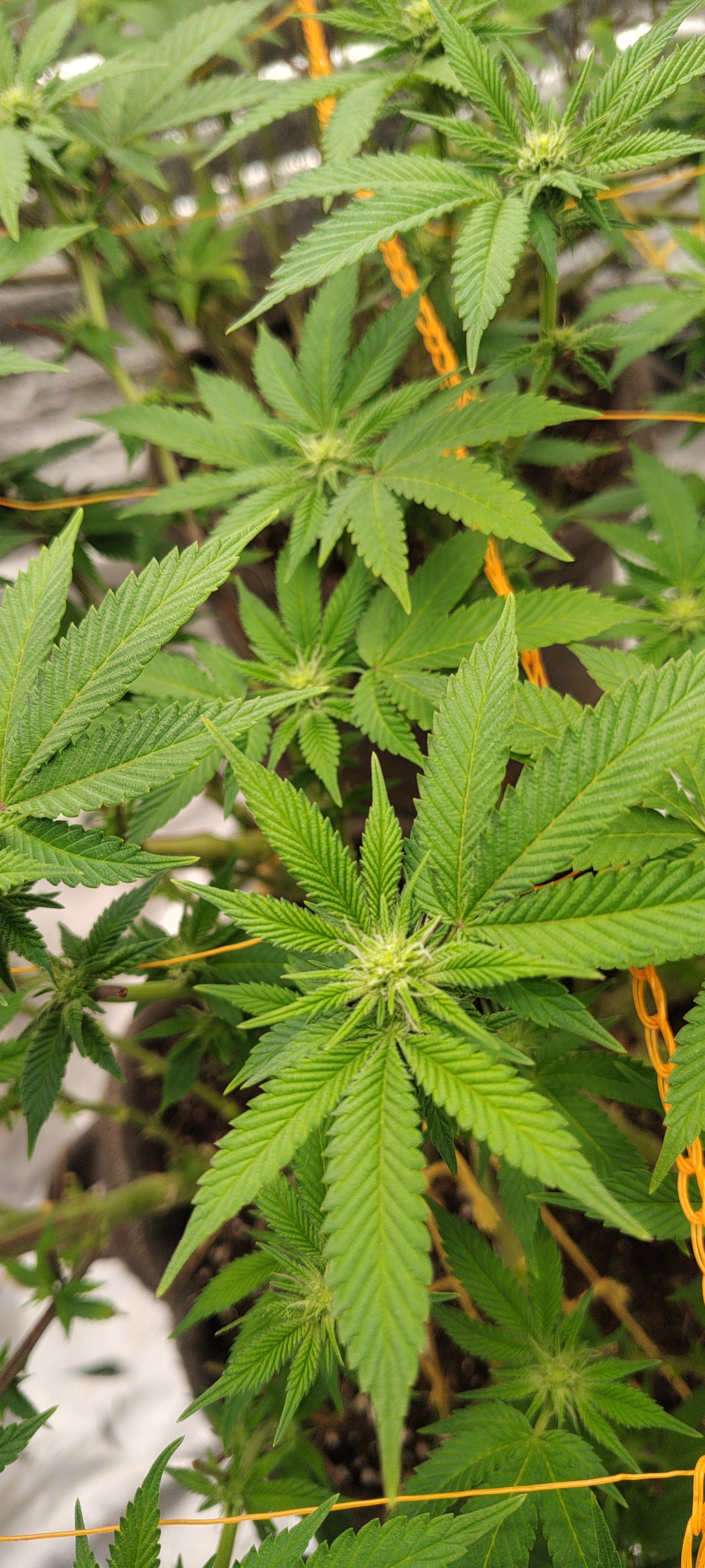
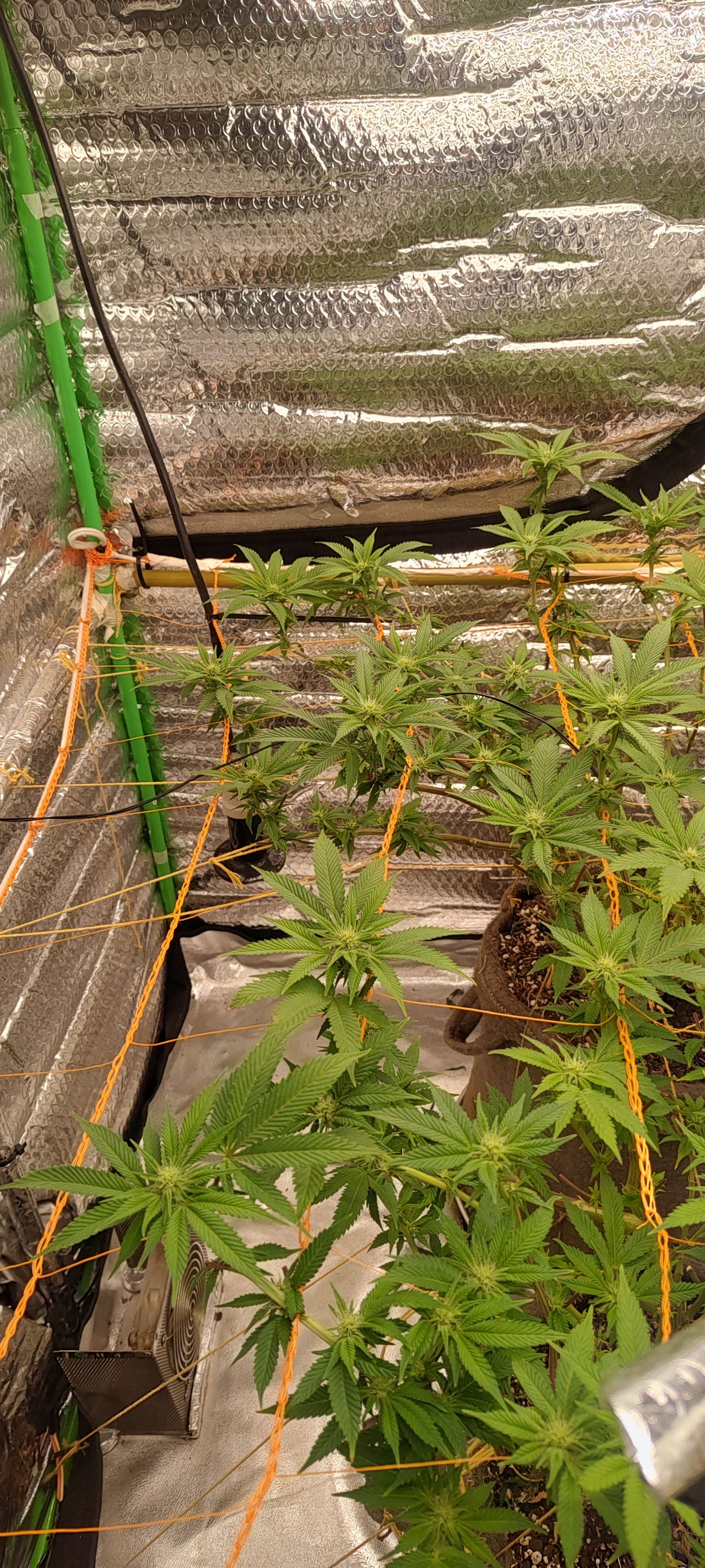
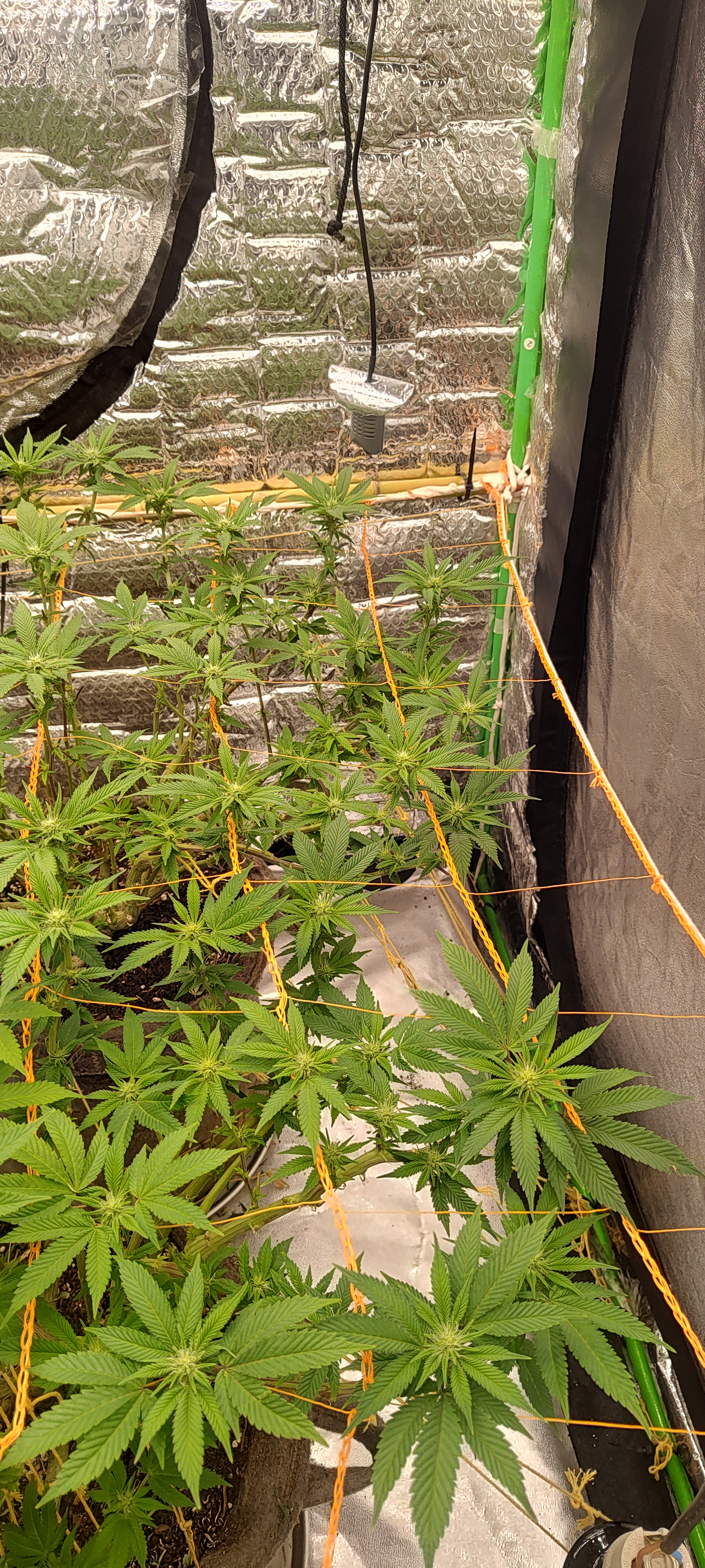
#29Good morning !!! this is how they spent their day after a major haircut … now they’re resting like this …
 #30
#30Wow, that looks awesome 
Good Grow
#31Looks asleep !! the stretch is over, now my girl fattens up !!!
 #32
#32This will be a great grow
#33Thank you …I hope so !!! we work and study hard so that every day it turns out better …hug ..
#34Conclusions so far I leave as a reminder or help !!! about my experience at this point …I clarify this is my first grow.
Summary of Cultivation Criteria: Water Management, Salts, and Run-Off Measurement
1. The Problem with Rigid Feeding Charts
2. The Real Importance: Output (Run-Off) vs. Input Measurements
3. Watering Management and Root Health
4. Golden Rule for the Log
"You don’t fertilize the pot based on what the label says, you fertilize according to the response and output values provided by the substrate."
.
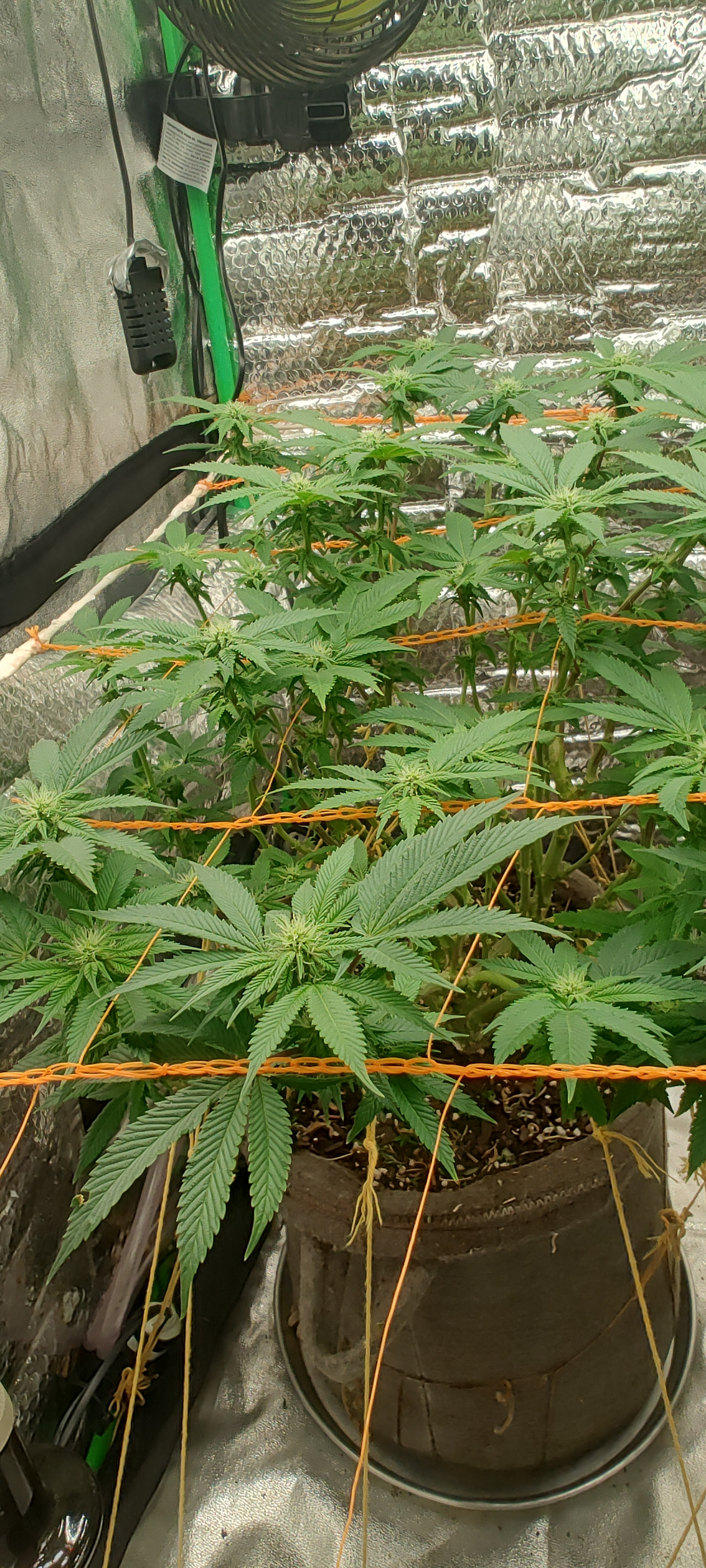
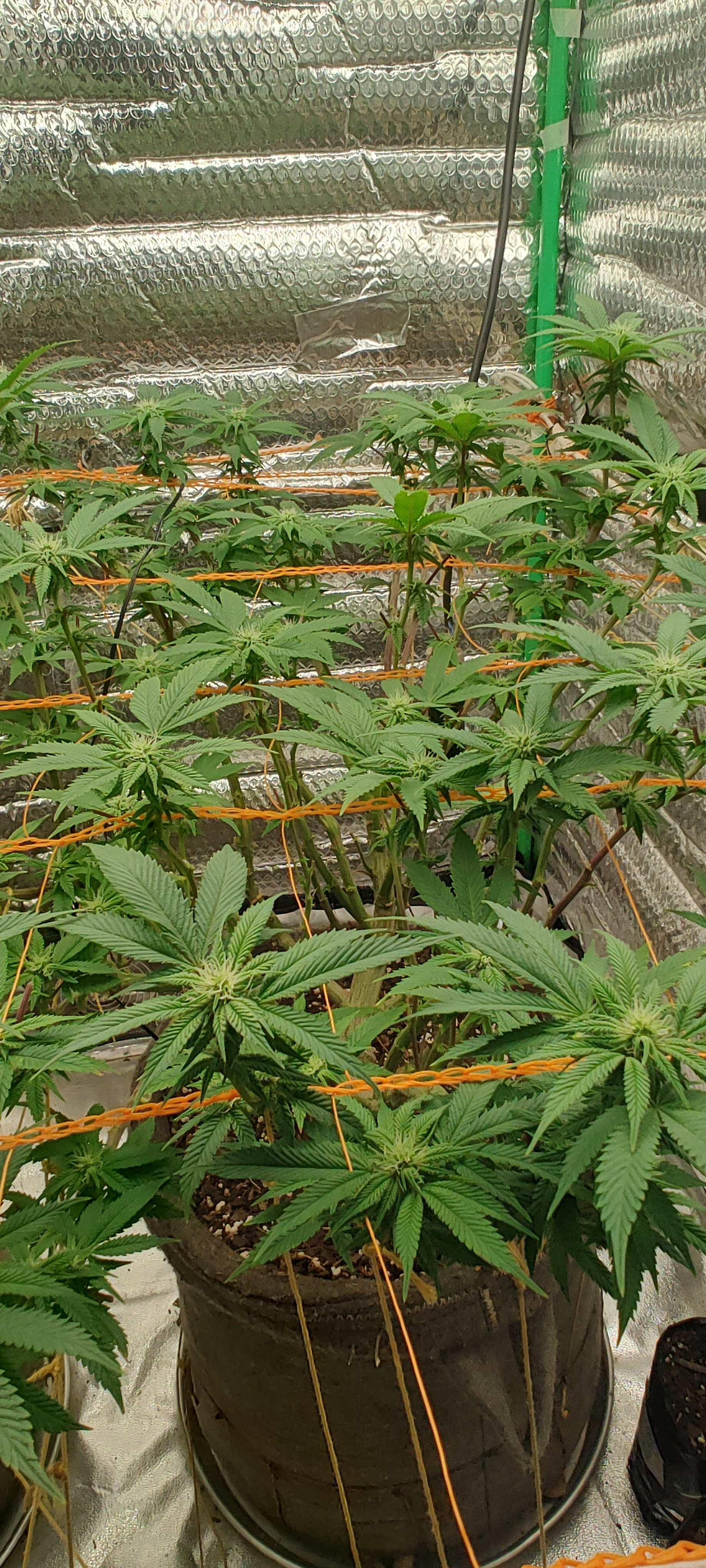
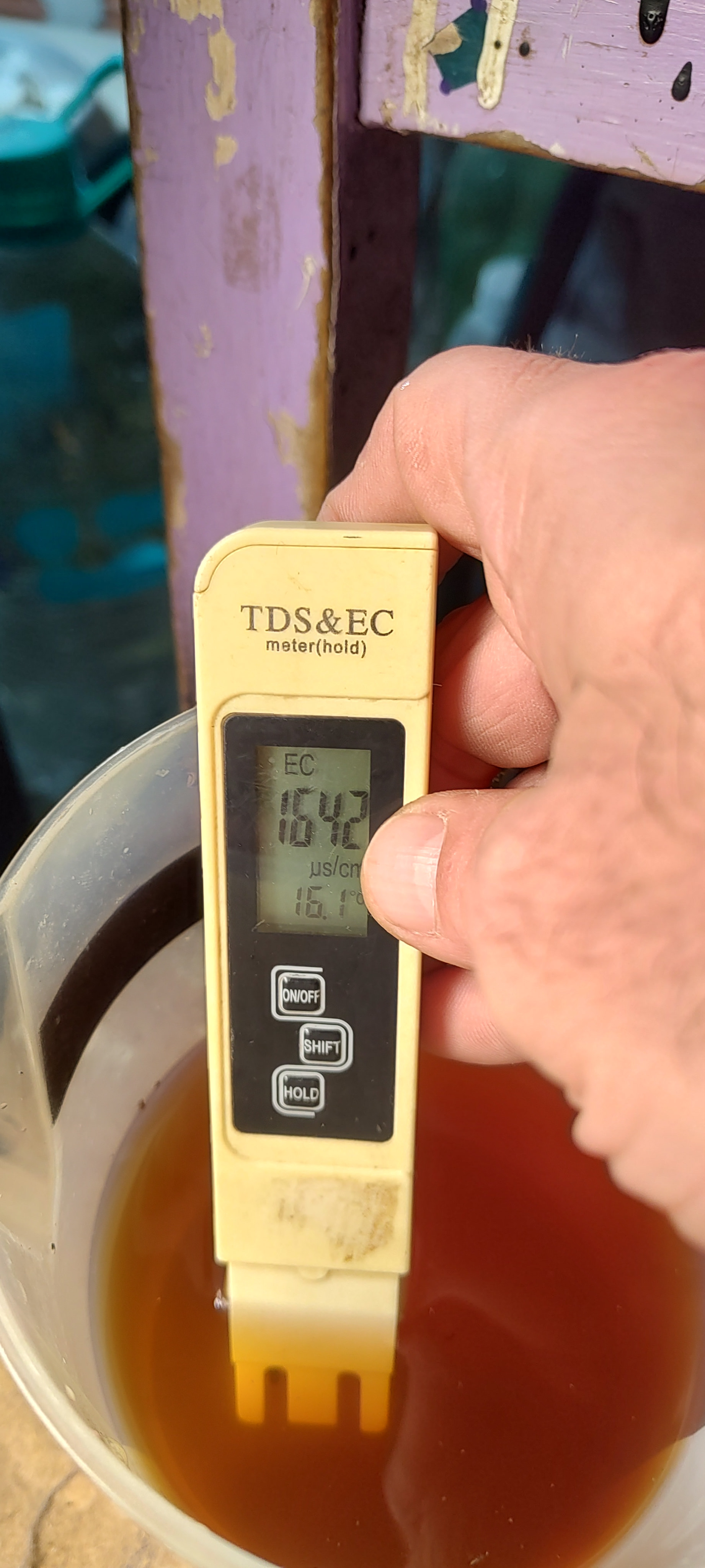
#35Good morning, something else to share with you … warm regards to everyone …



 #36
#36You figured out what took me two years  . In my opinion, fertilizing according to the manufacturer’s chart is always too much. As far as I know, the charts usually apply to larger plants.
And automatics are far more sensitive to fluctuations, and they simply lack the time to recover.
Often, 30% of the recommended amount is enough.
Since the beginning of the year, I’ve been feeding mineral nutrients purely based on EC value and sometimes only use barely 40% of the manufacturer’s recommendation. If I poured in the full dosage, my EC would be over 3.5-4. That’s the death blow for the lady.
In my experience, watering practices are the biggest risk for deficiencies and lockouts.
I see in the pictures that you measure PPFD.
However, PPFD only measures the current light intensity hitting the plant.
DLI indicates how much light the plant receives throughout the day.
#37How’s it going, Andy! I 100% agree with what you’re saying about the dosages. Guiding myself purely by the EC reading and keeping the nutrition at 30-40% of what the charts indicate changed my grow; the roots breathe better and you forget about lockouts.
Regarding DLI and PPFD, you’re absolutely right. In my case, the panel has the capacity to reach 1100 PPFD, but we know that above 900-1000 is throwing photons in the trash without supplementing CO₂ (something unfeasible in my setup because constant extraction would take all the gas outside).
That’s why I aim for the “Emerson Effect” by adding a Far-Red bar (740nm). The literature and tests show that supplementing with far-red increases the photosynthetic rate by up to 30% in combination with PAR light, allowing me to squeeze out that extra yield I’d look for with CO₂, but in a passive, efficient way and without messing with the ventilation.
I used the temporary PPFD peak specifically to add warmth to the environment due to the cold wave. Being on 12/12, the daily accumulated DLI remains spot on within assimilating margins, with the canopy locked in at 24 °C.
Thanks for the input, it’s a pleasure having a technical debate! 
#38I’m not the strongest communicator either when it comes to discussions. I just want to share my experiences and hope to help out with any misconceptions
Well… I don’t have the additional red light. I’m currently still running my first setup from two years ago. But this year I’m upgrading from 250 to 500 watts and getting a larger tent.
My Granita from Perfect Tree (33 Splitter x Jet A) is on flowering day 17 today and was just defoliated… standing tall. Starting next week, she’ll get Green Sensation for 10-12 days, followed by Atami Bloombastic for the next 10 days for maximum PK intake. Since the flip, the EC has been steadily increased from 0.9 to 1.8-2.0 in weeks 5-6.
Let’s see how she handles it.
After Granita, 90 Proof from Compound Genetics is planned next.
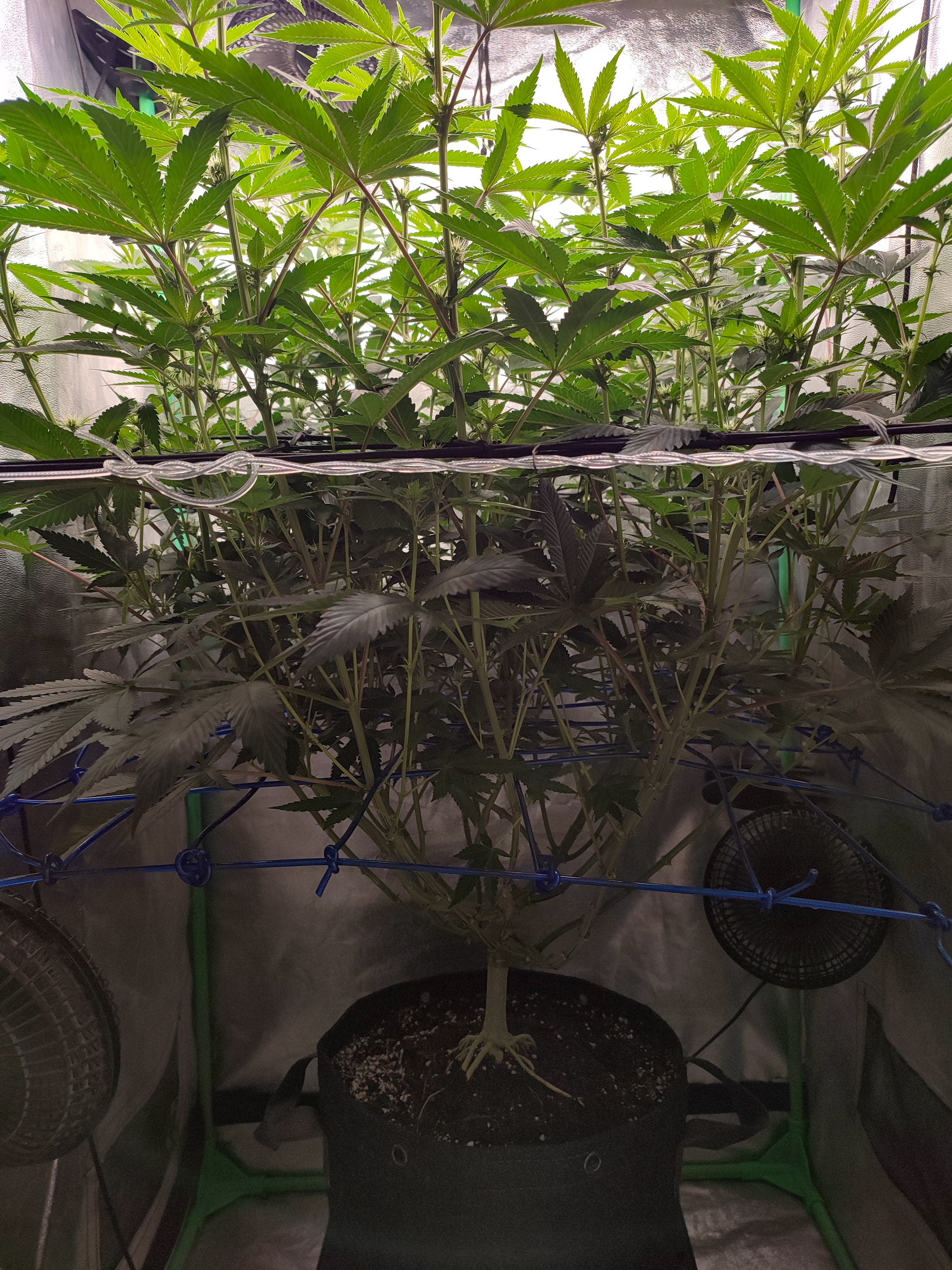
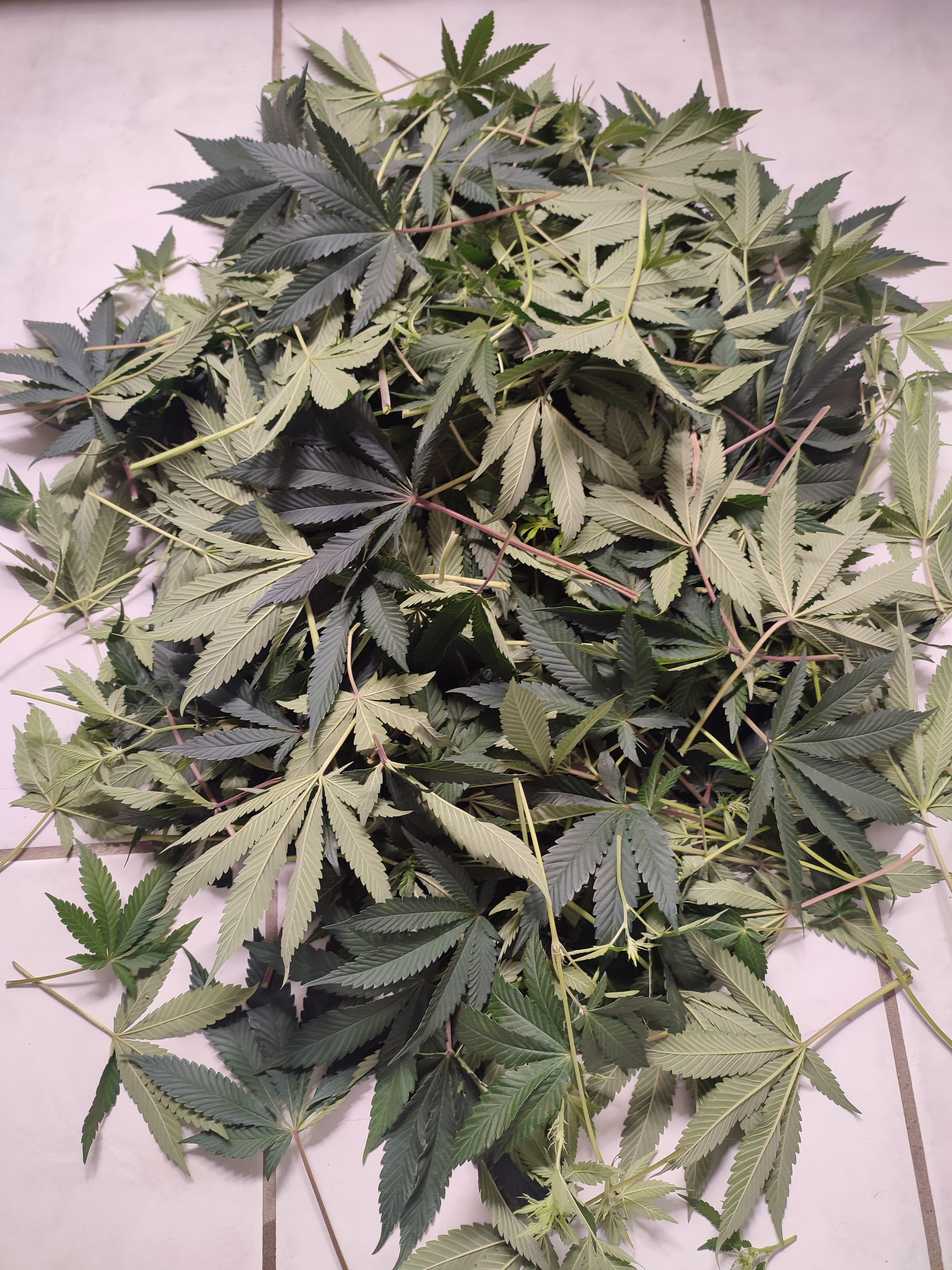
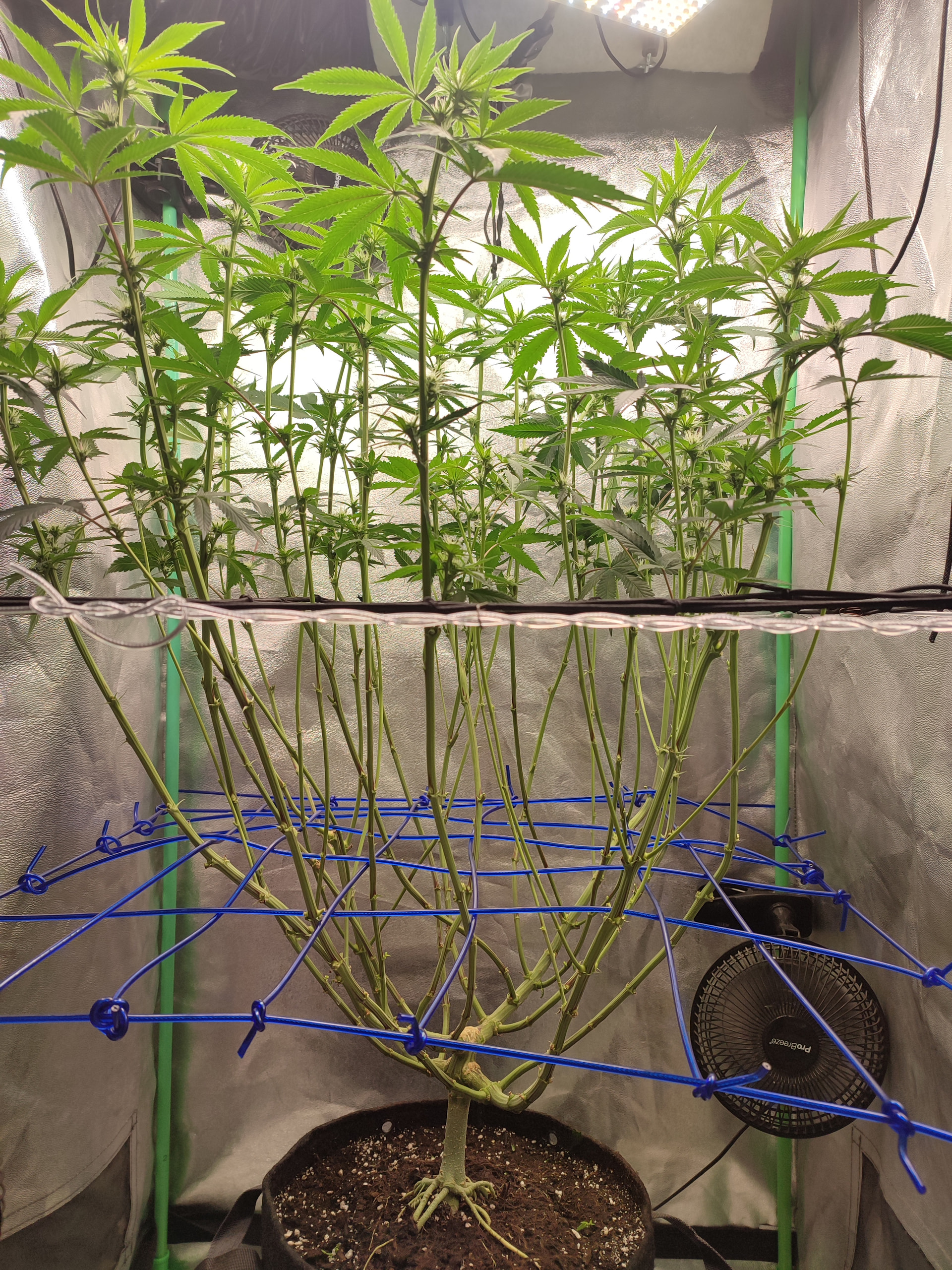
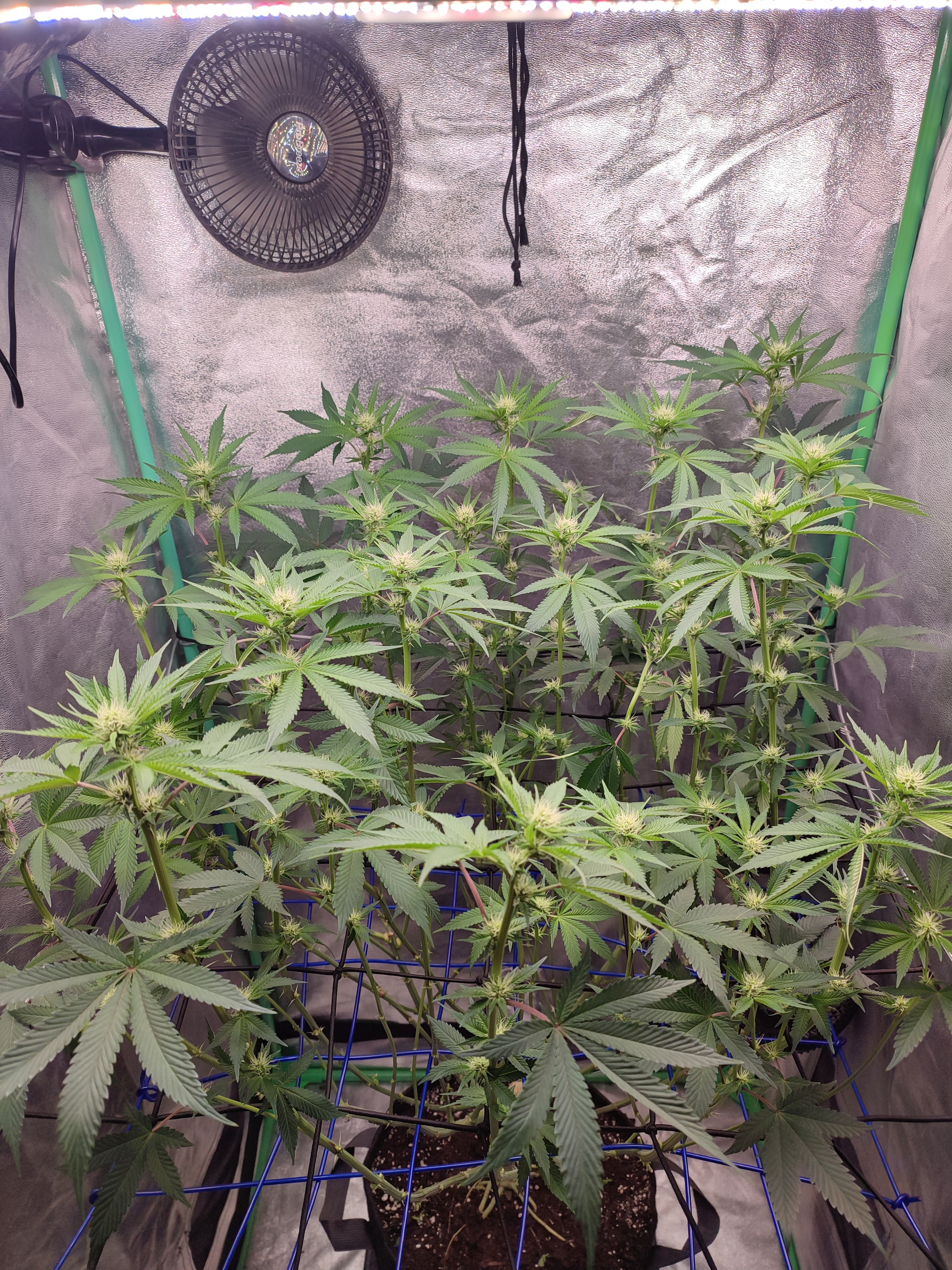 #39
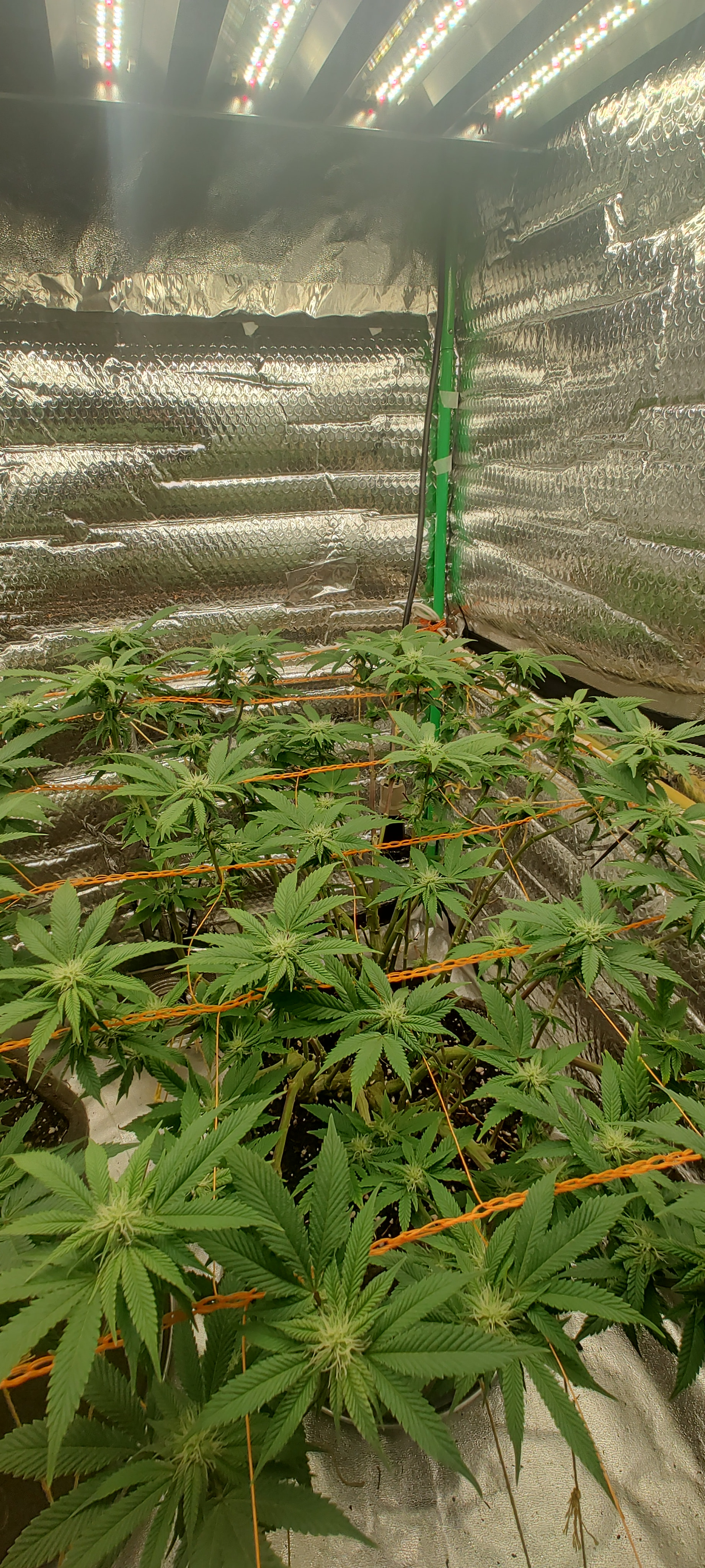
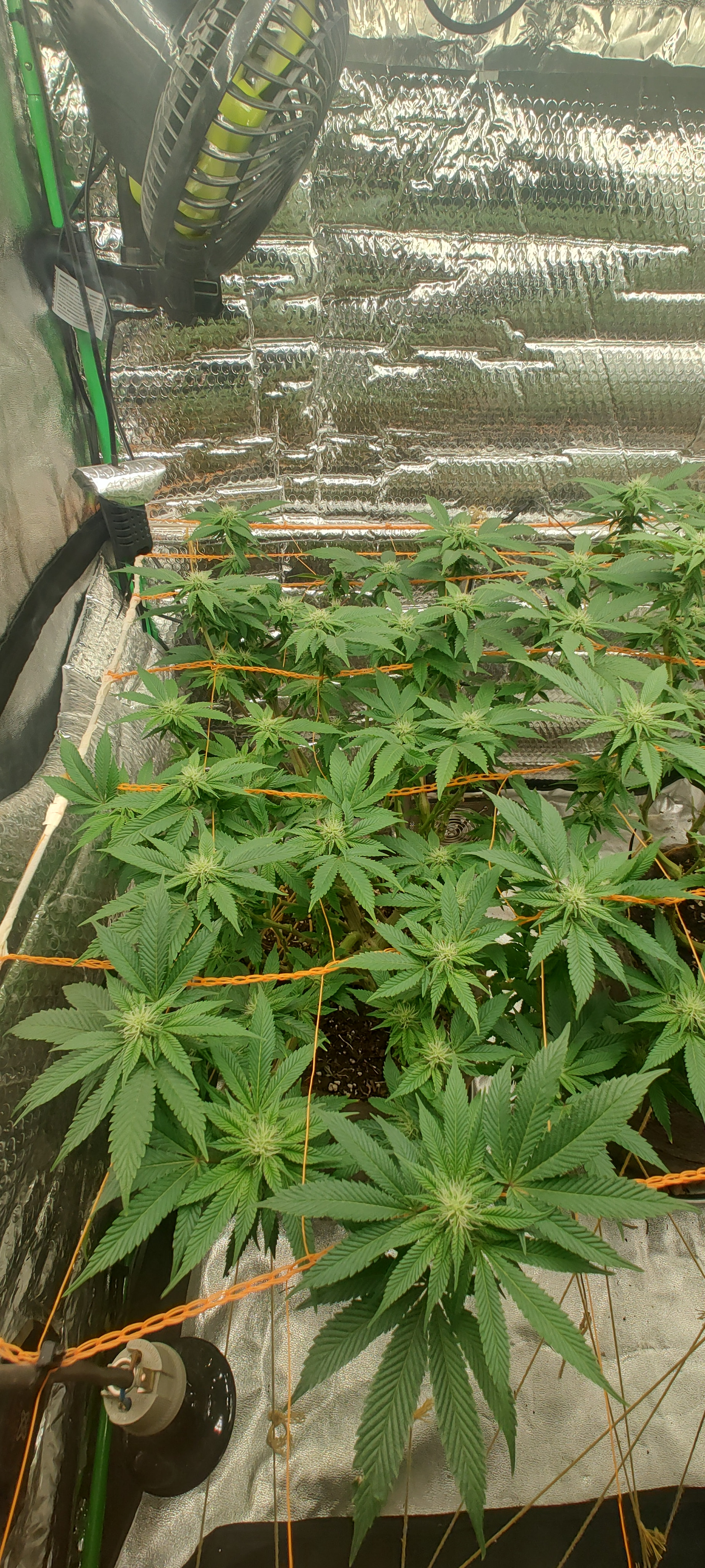
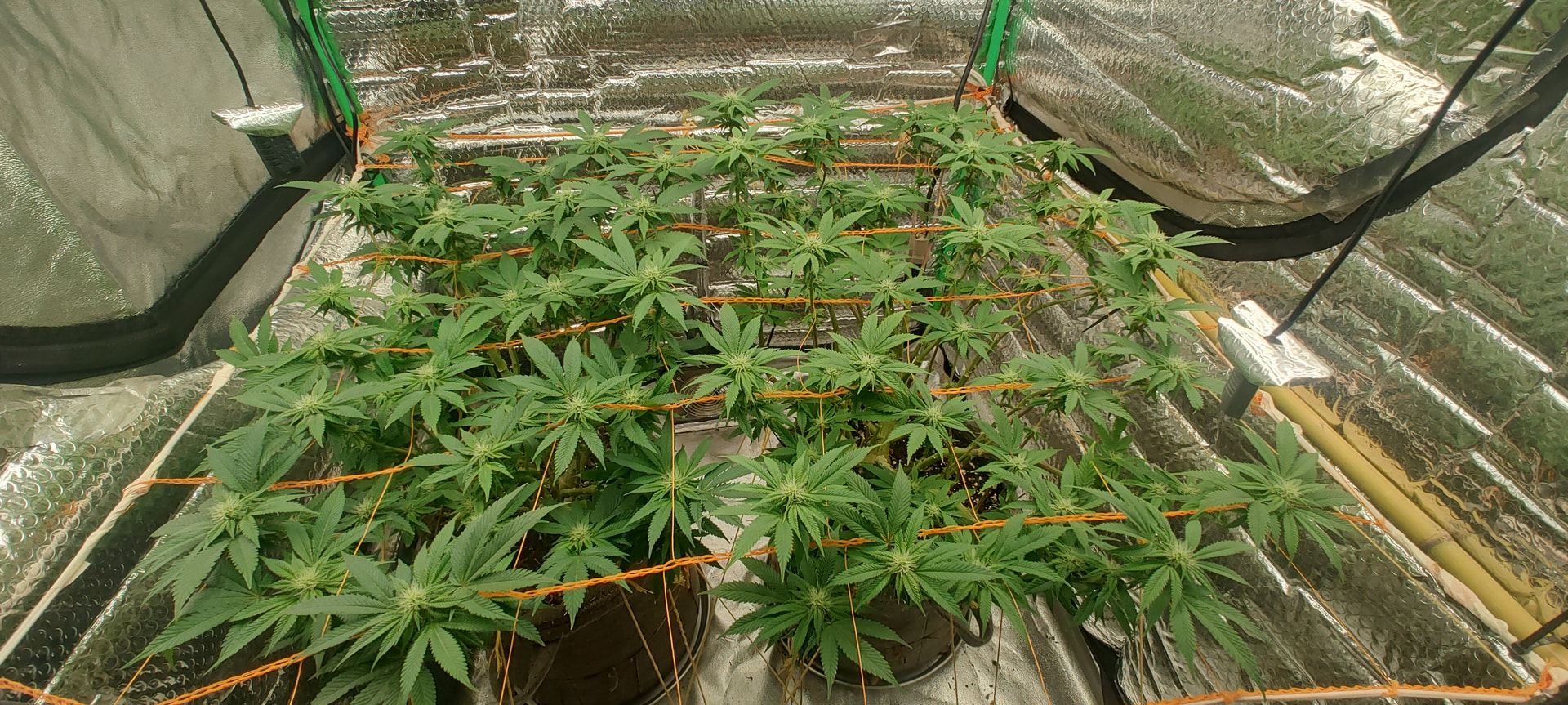
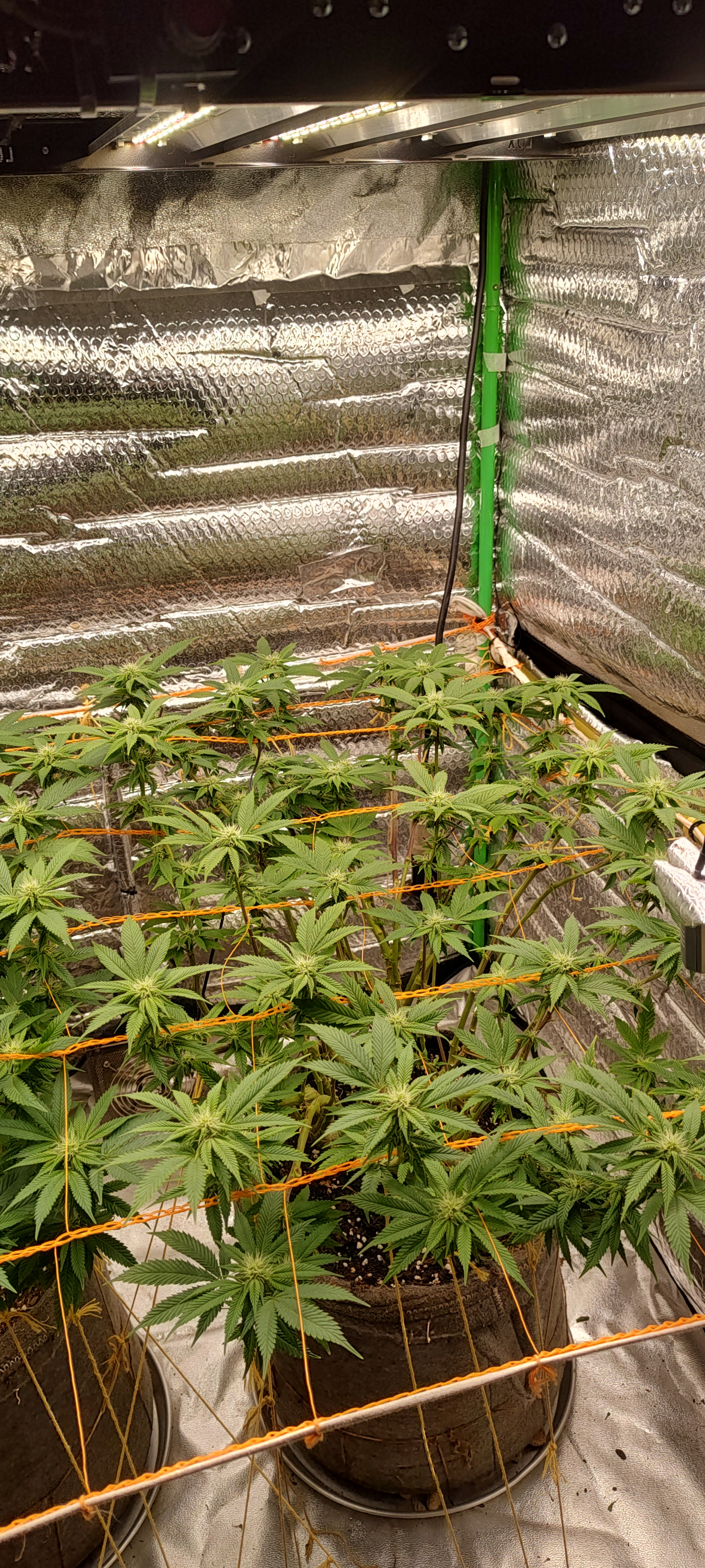
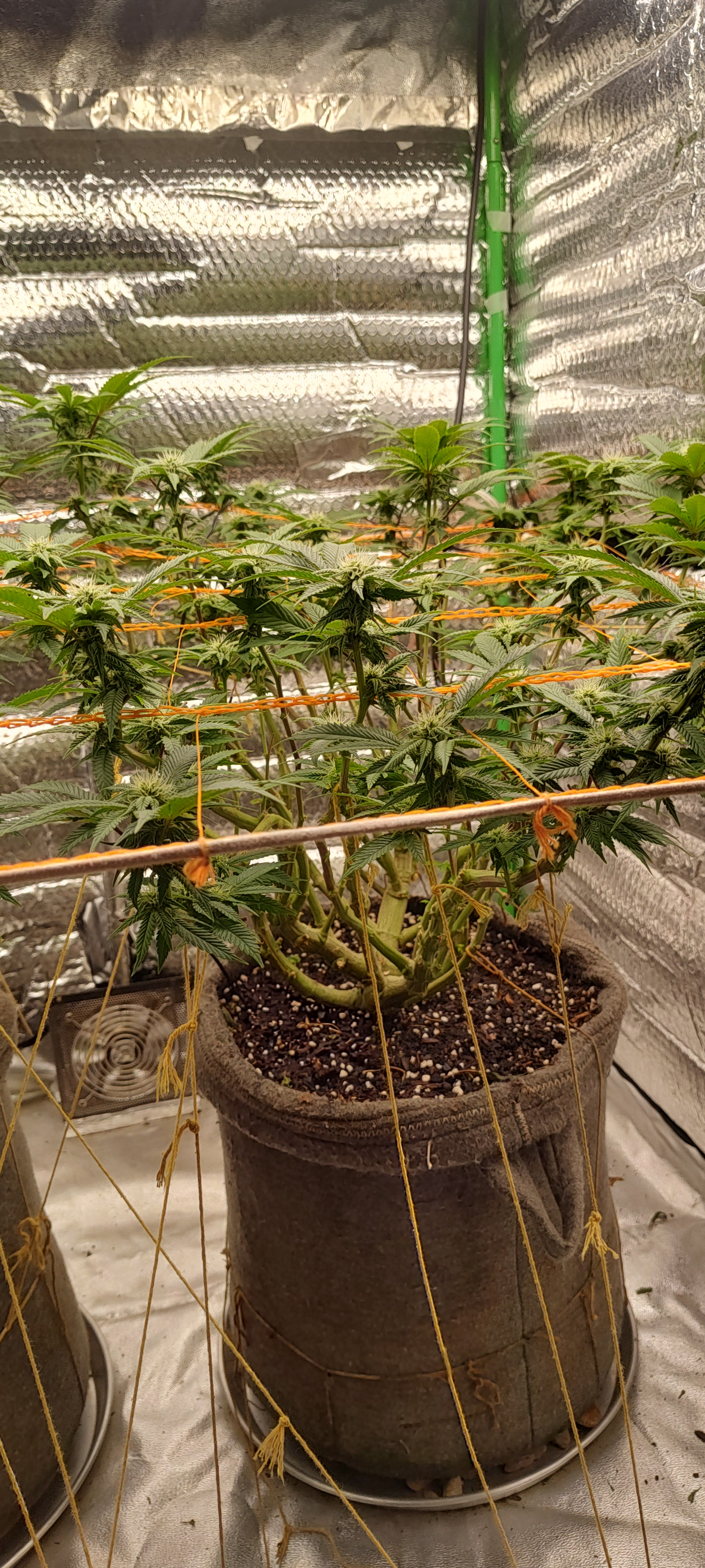
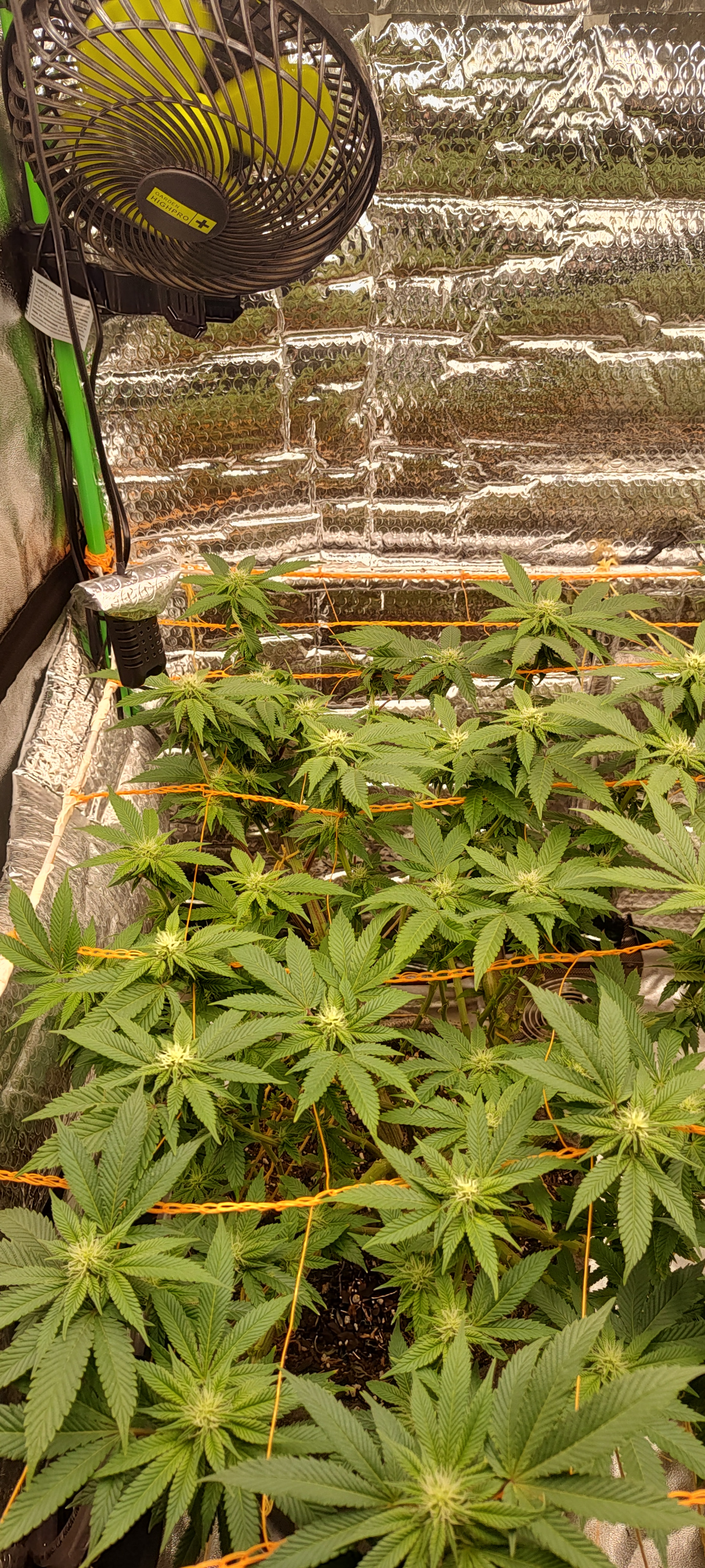
#39Good evening, leaving some new pictures here .. it was time for watering and I think it looks acceptable ..
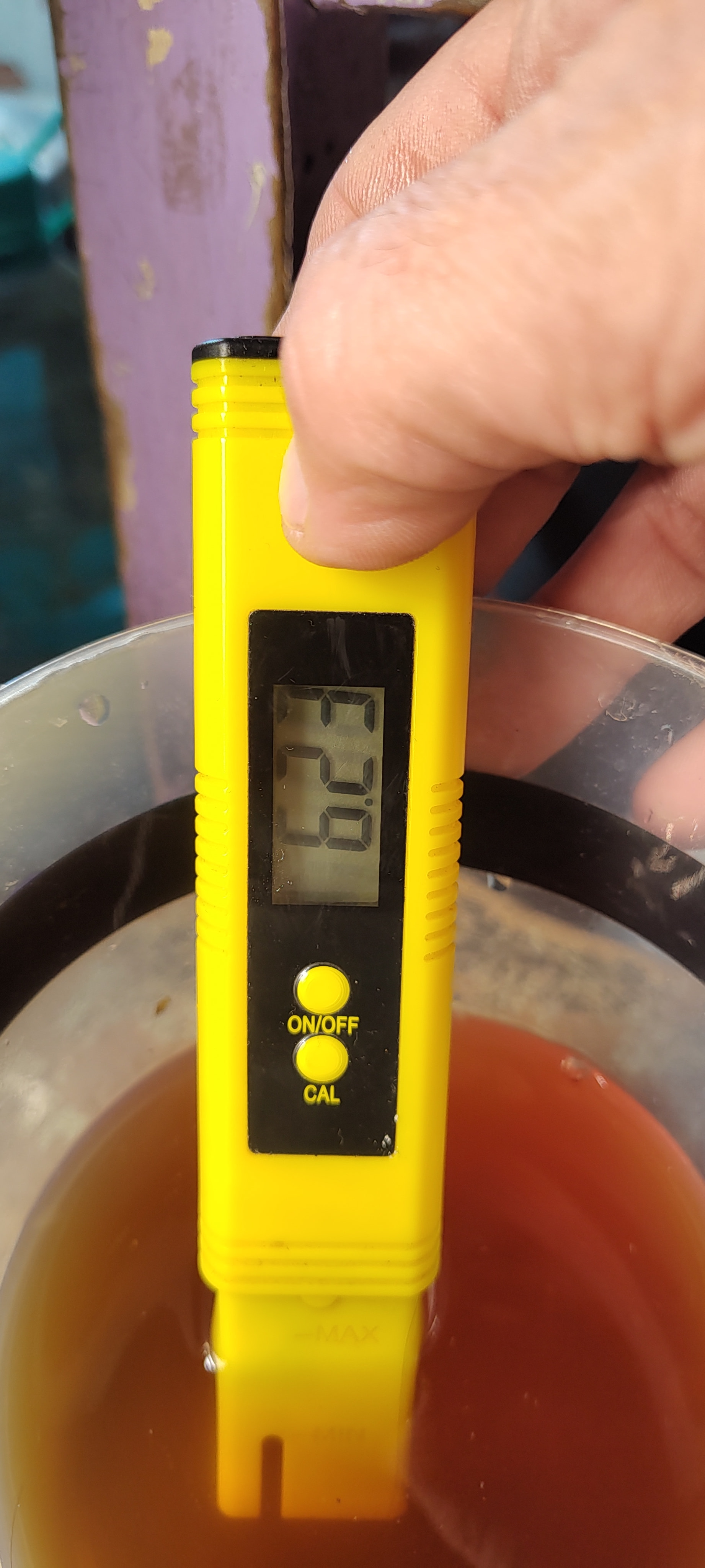
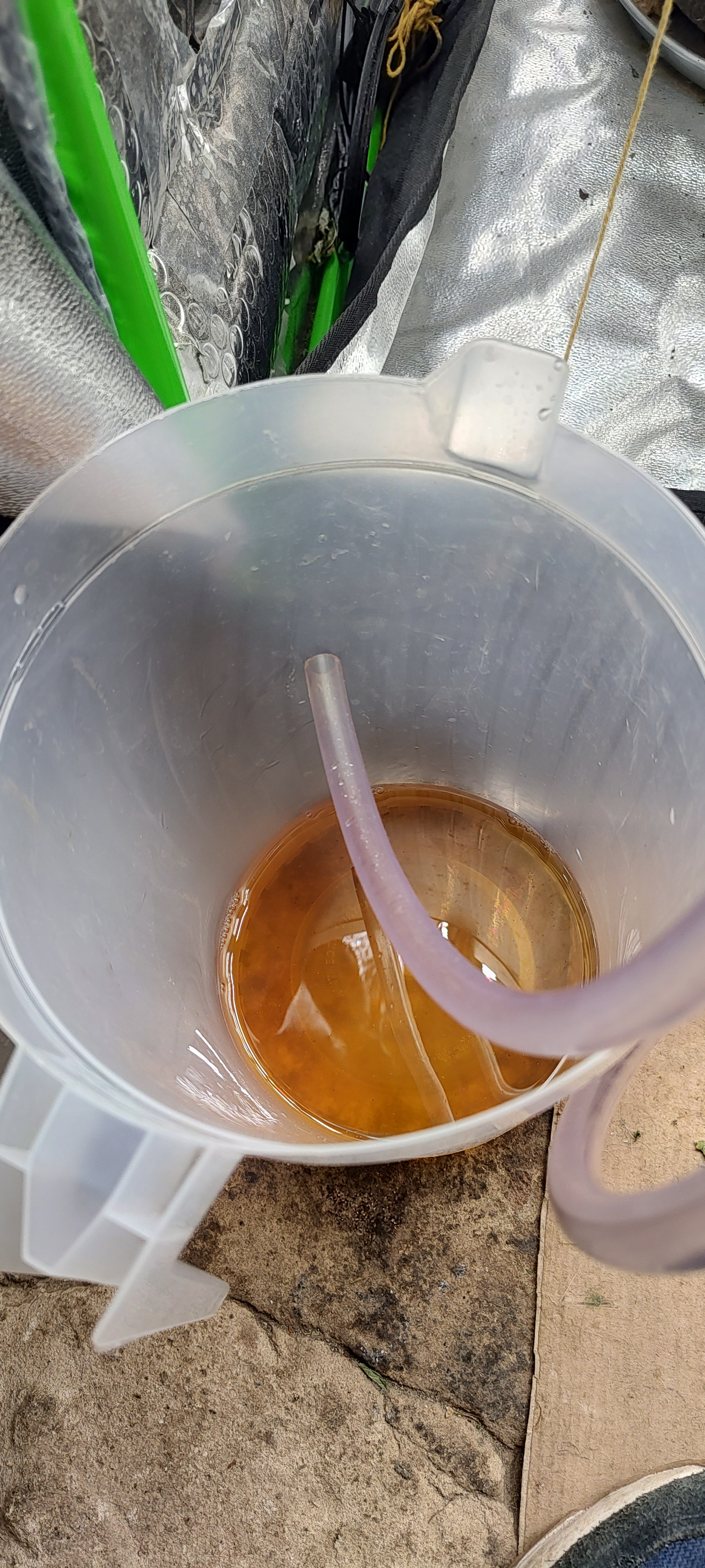
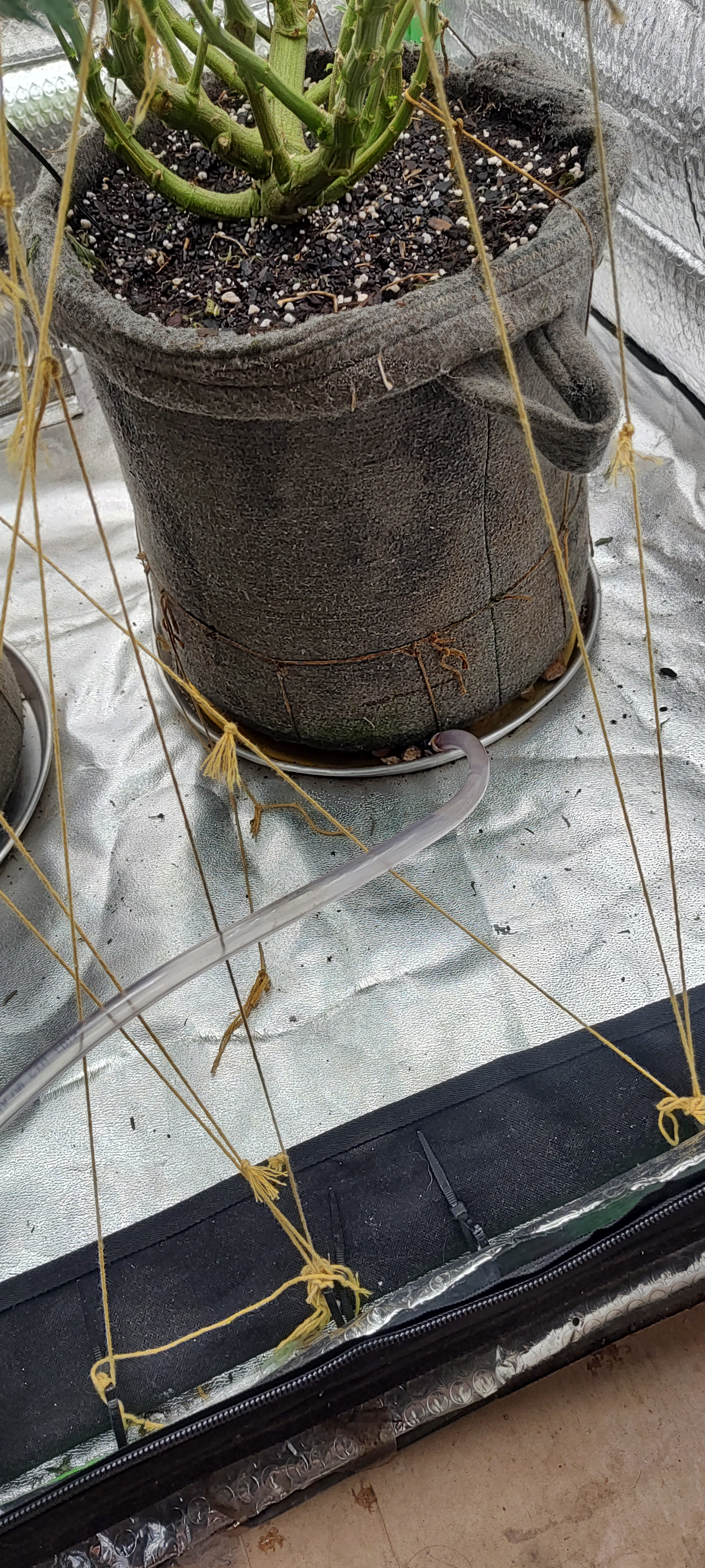
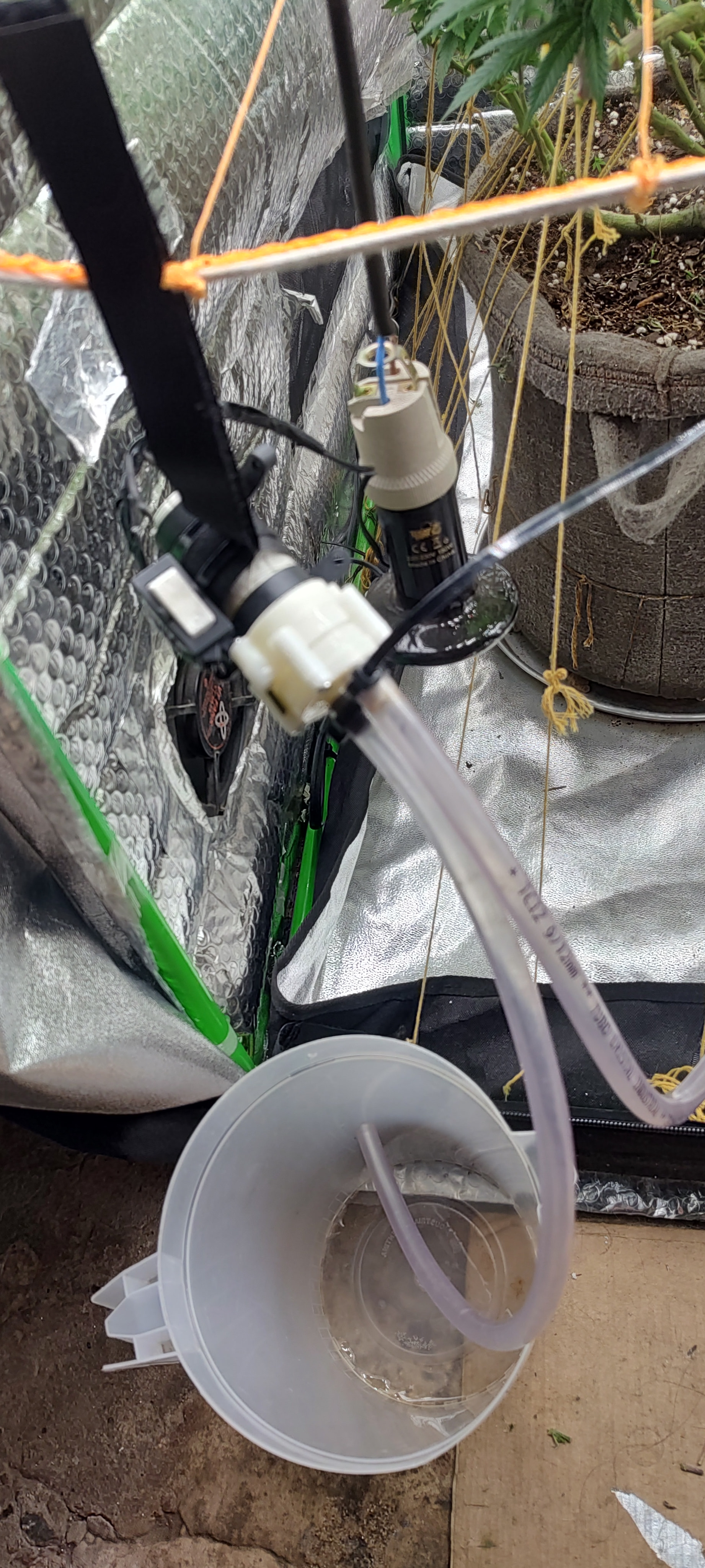
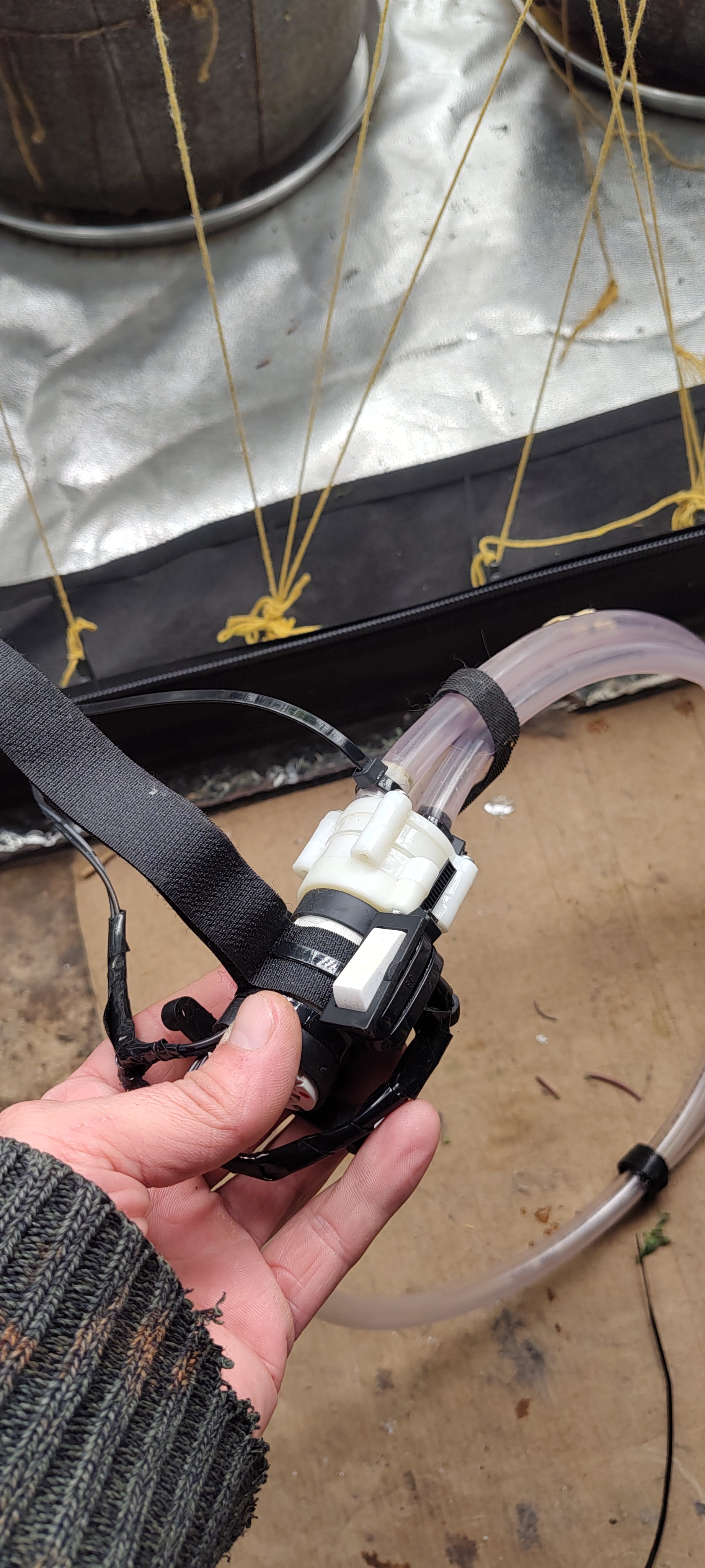
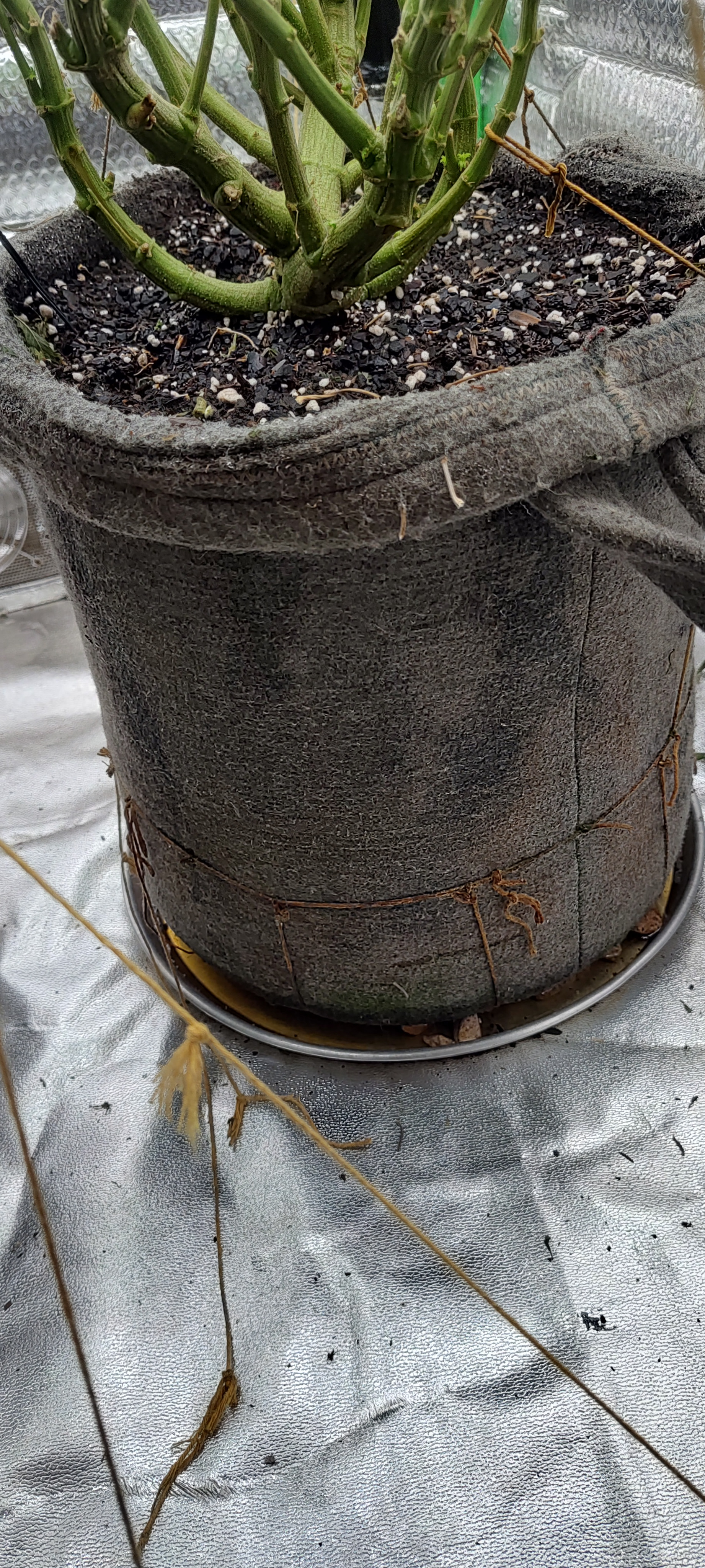
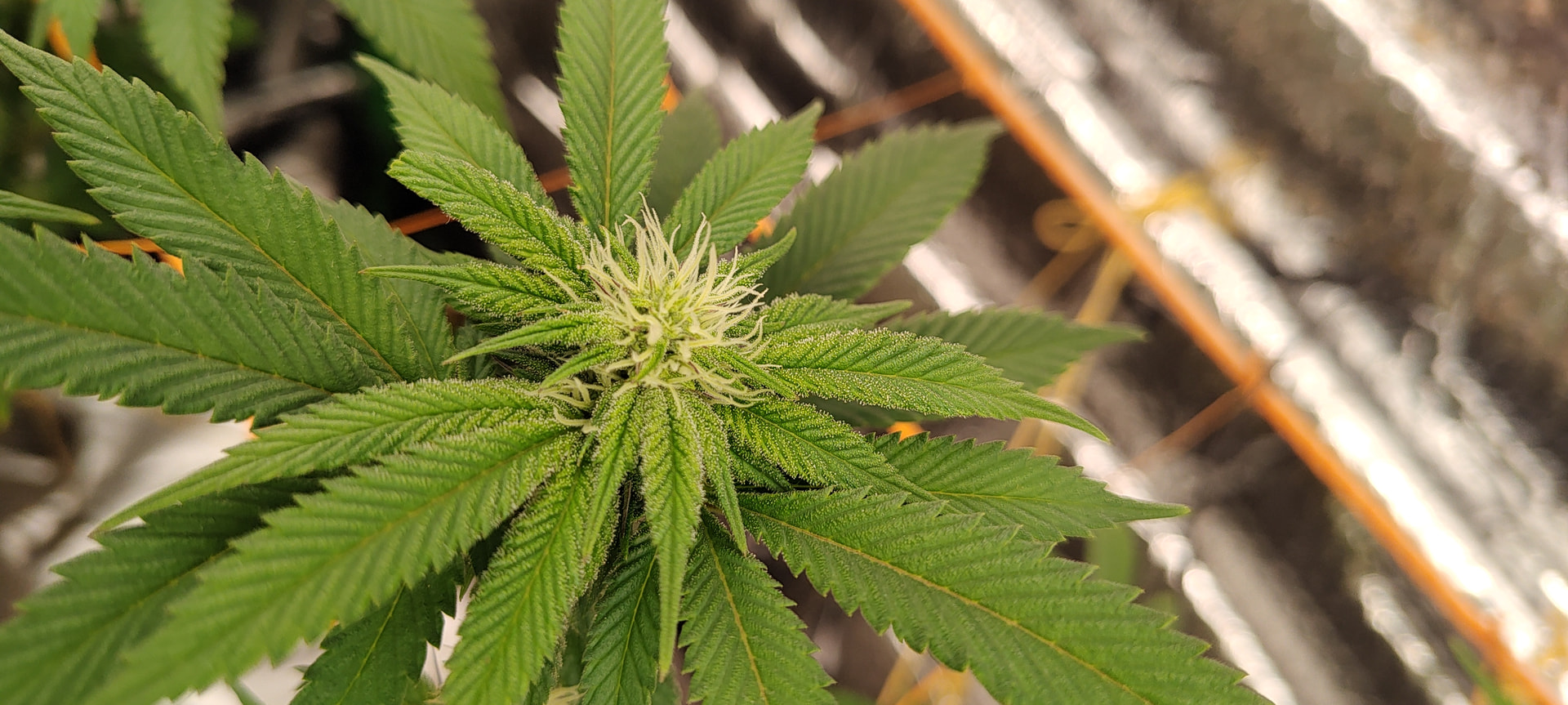
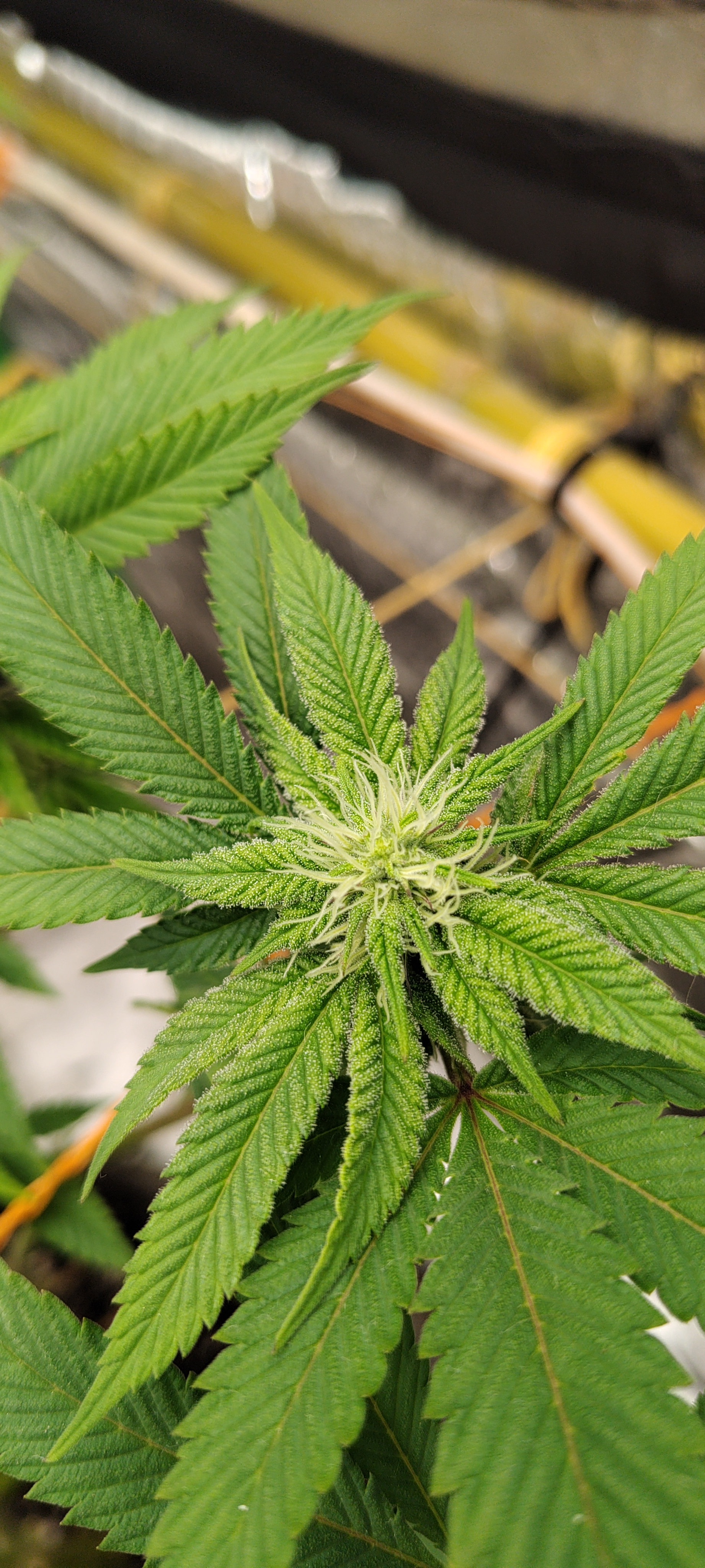
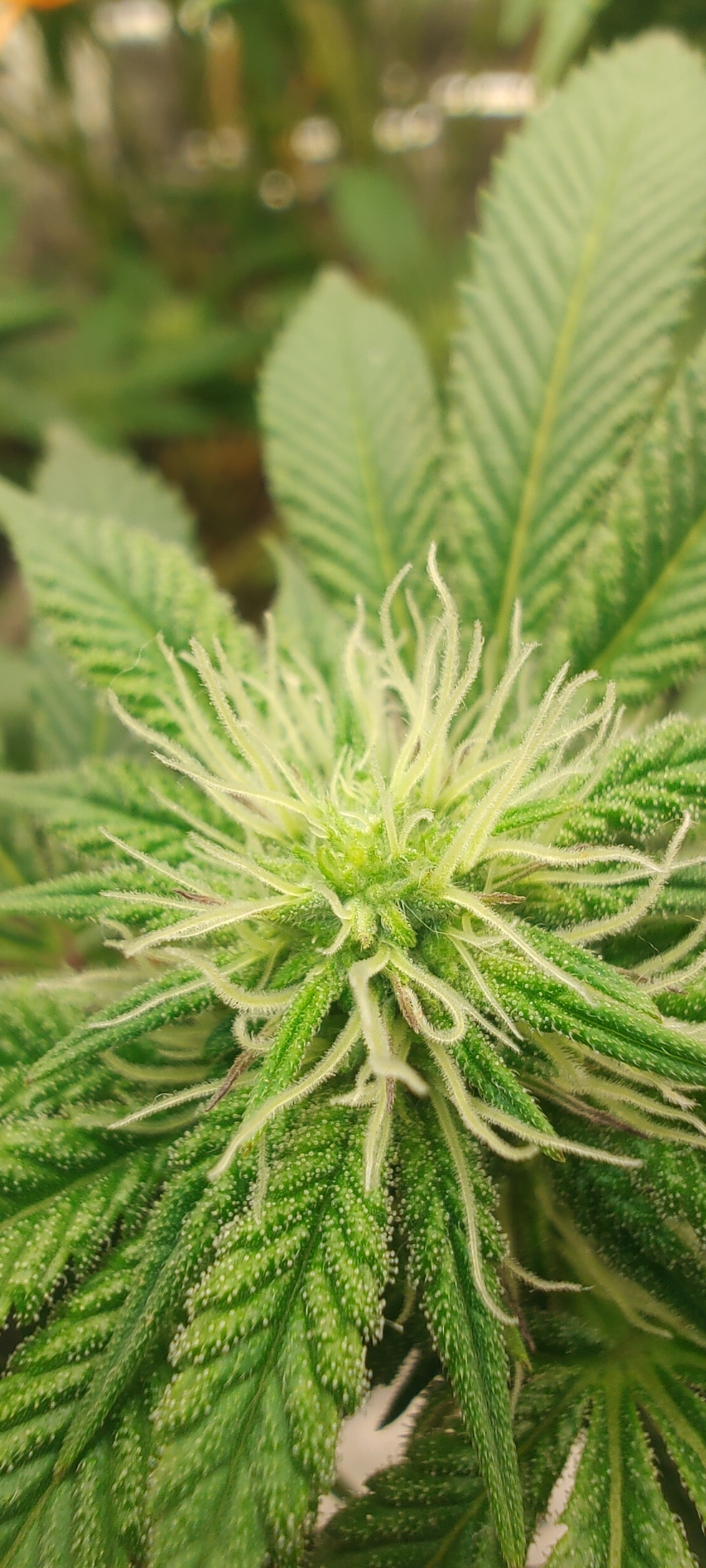
To remove runoff cleanly and quickly without ending up booking an appointment with a physical therapist, an active extraction system was implemented using a suction pump connected to flexible silicone hoses. One hose is fixed at the lowest point of the saucer to vacuum up the drainage as it comes out, while the other discharges the liquid directly into a measuring jug, saving the lower back and dignity of any grower with a bad back who is no longer up for bending over or juggling heavy pots. This method avoids moving the plant in full bloom, prevents salt reabsorption through capillary action, and allows precise measurement of the final volume, output pH, and EC… greetings to everyone ..

 #40
#40Very cool idea I must say  @BunkerAriel
And in general, it’s looking really good for you. Crazy how thick the branches are 
@Andy_420 looking awesome for you too
Good Grow
 #41
#41Hey, I think it’s more likely that the manufacturer specs are set so high because they generally assume a starting water EC value of 0.0 - 0.2.
However, tap water already comes out with an EC of 0.5 - 0.6.
If you use the specified dosage on top of that, it gets too harsh for the little plants.
But it’s great to be able to gather good info on this.
Greetings in the early morning
#42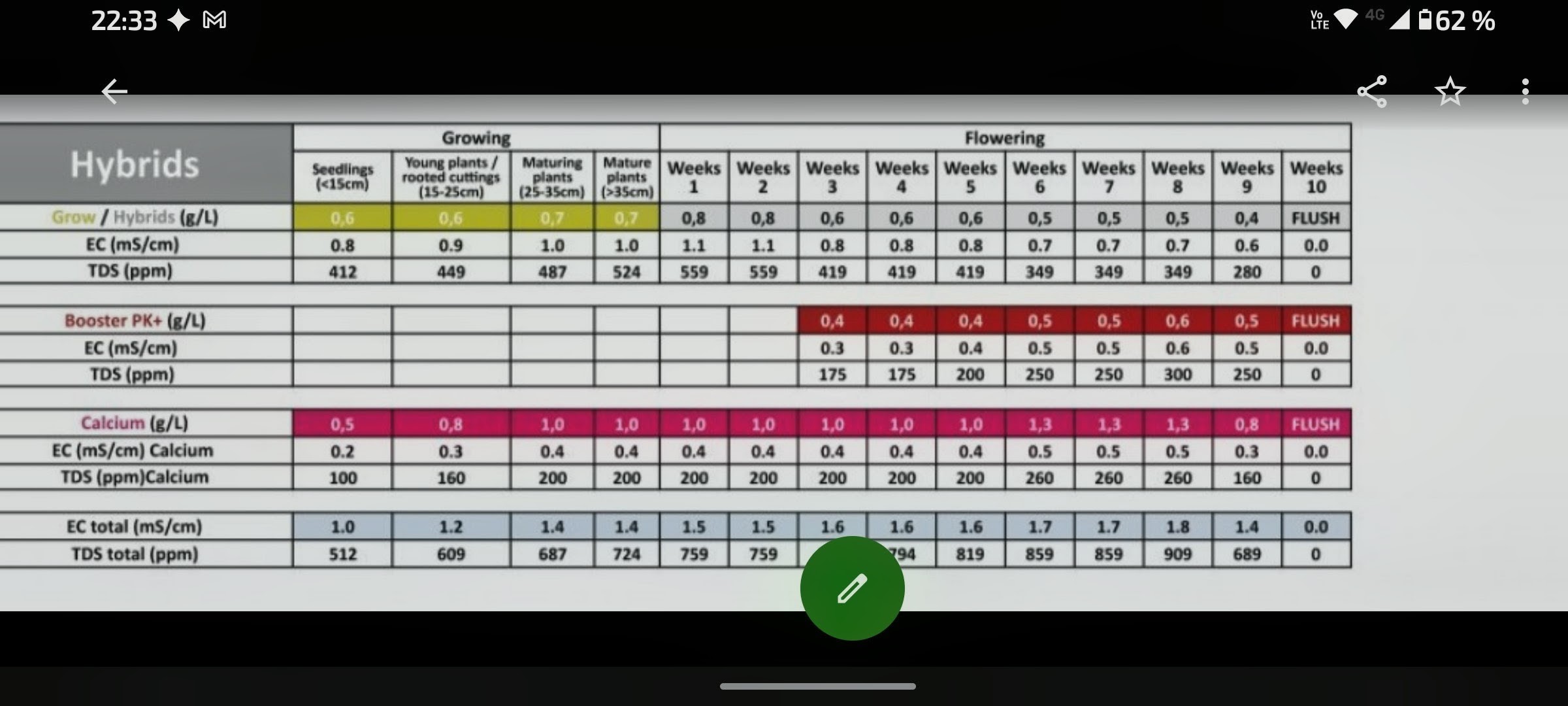
Good morning, and it’s a pleasure to comment here with you.. I completely agree with your analysis regarding base water and the origin of feeding charts. Adding to the discussion, I’d like to share how we approach it through practical measurements for mineral management:
It is true that in organic growing, runoff is not measured because the focus is on soil microbiology and organic decomposition. But when working with mineral nutrition based on soluble salts, monitoring runoff becomes a key tool to avoid going in blind.
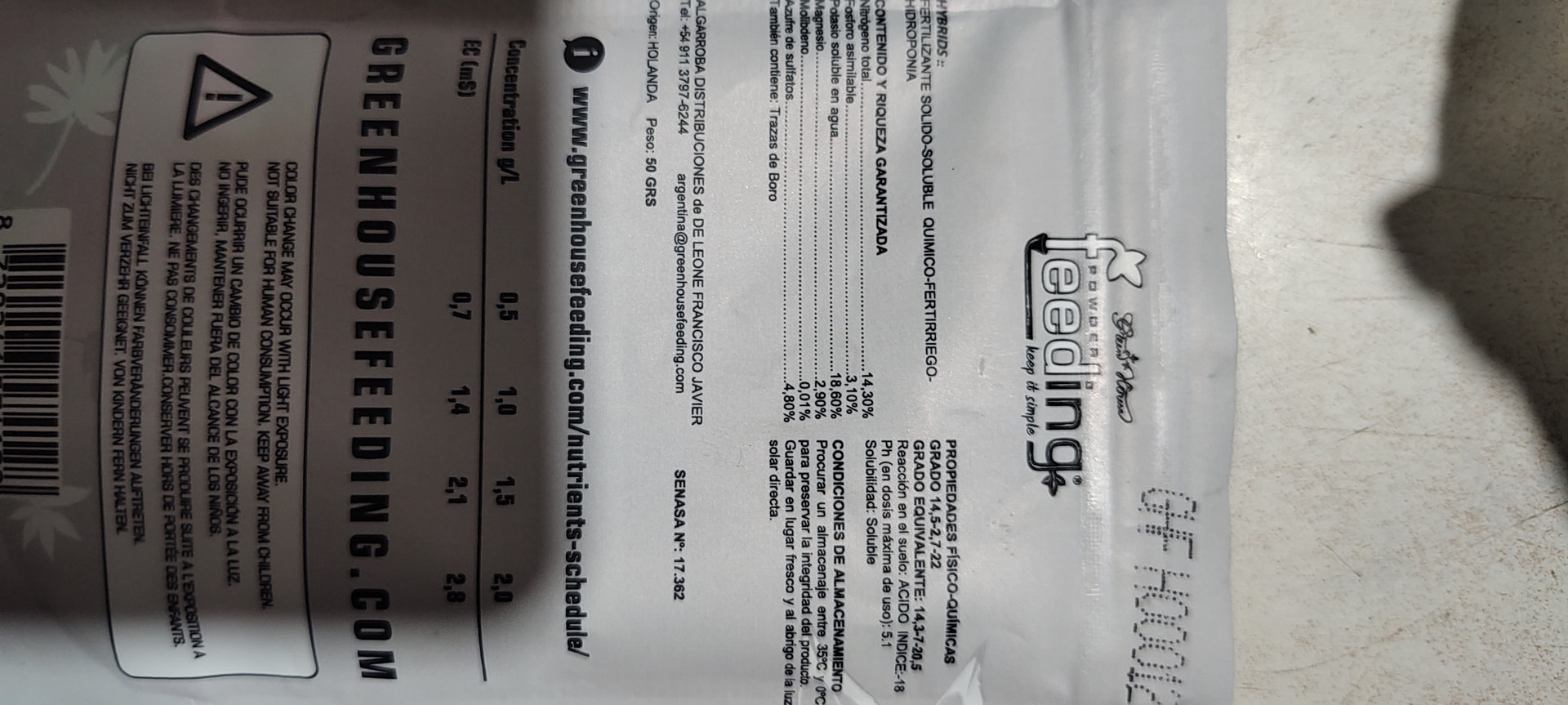
If we look at the official Powder Feeding (Hybrids) chart for substrate, the manufacturer suggests entering week 4 with a Total EC of 1.6 mS/cm (1600 µS/cm).
In mineral practice, if you continuously apply that EC of 1.6 mS/cm with every watering, the pot acts as a retentive reservoir. In our actual tracking with the Nicole 2 plant:
Conclusion:
If we were to feed at the 1.6 mS/cm specified by the chart in every mineral watering, the internal buildup in the substrate would rise above 3.0 mS/cm, causing severe nutrient lockout.
For those of us feeding with salts, measuring the output allows us to adjust the input with moderate loads (~800 µS/cm) and maintain the desired plateau (~1.9 mS/cm) without saturating the medium.
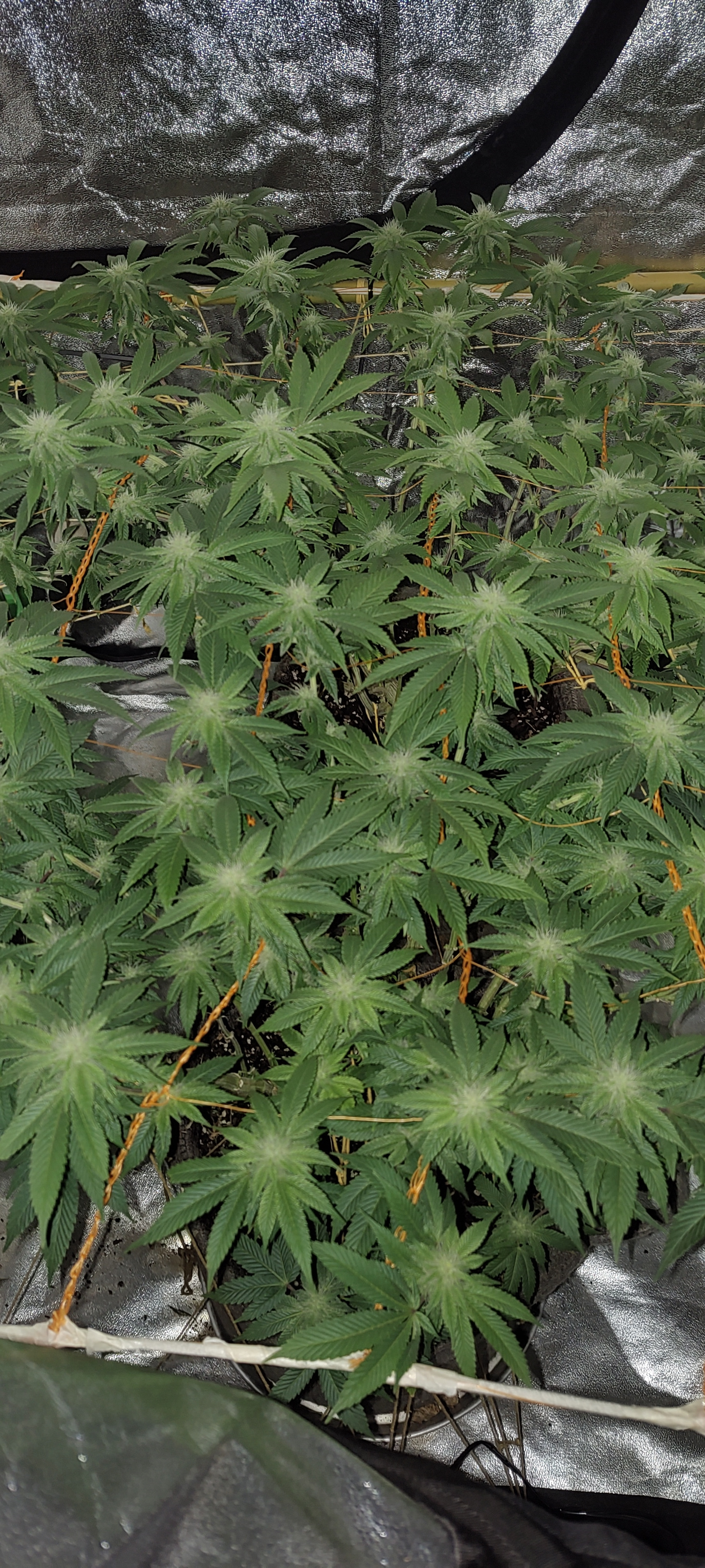
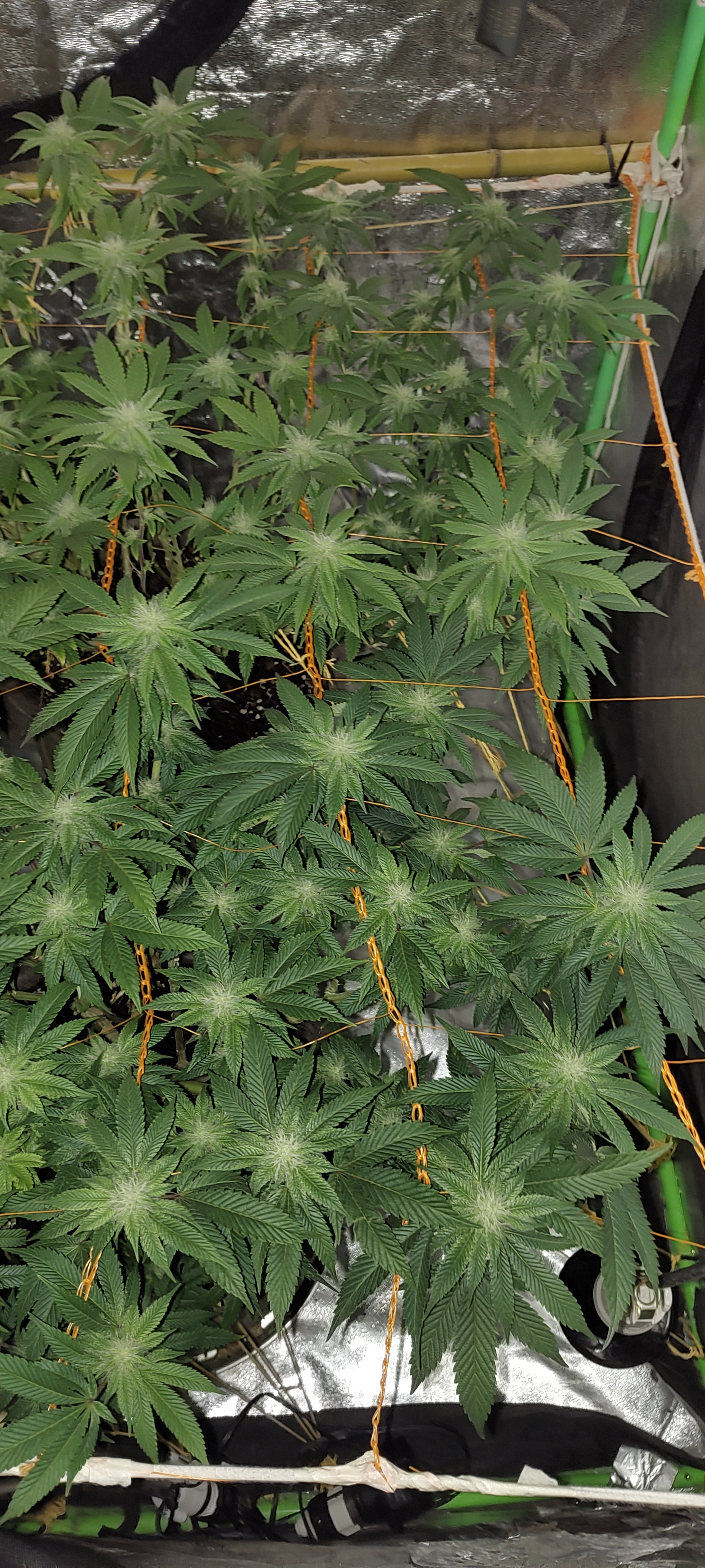
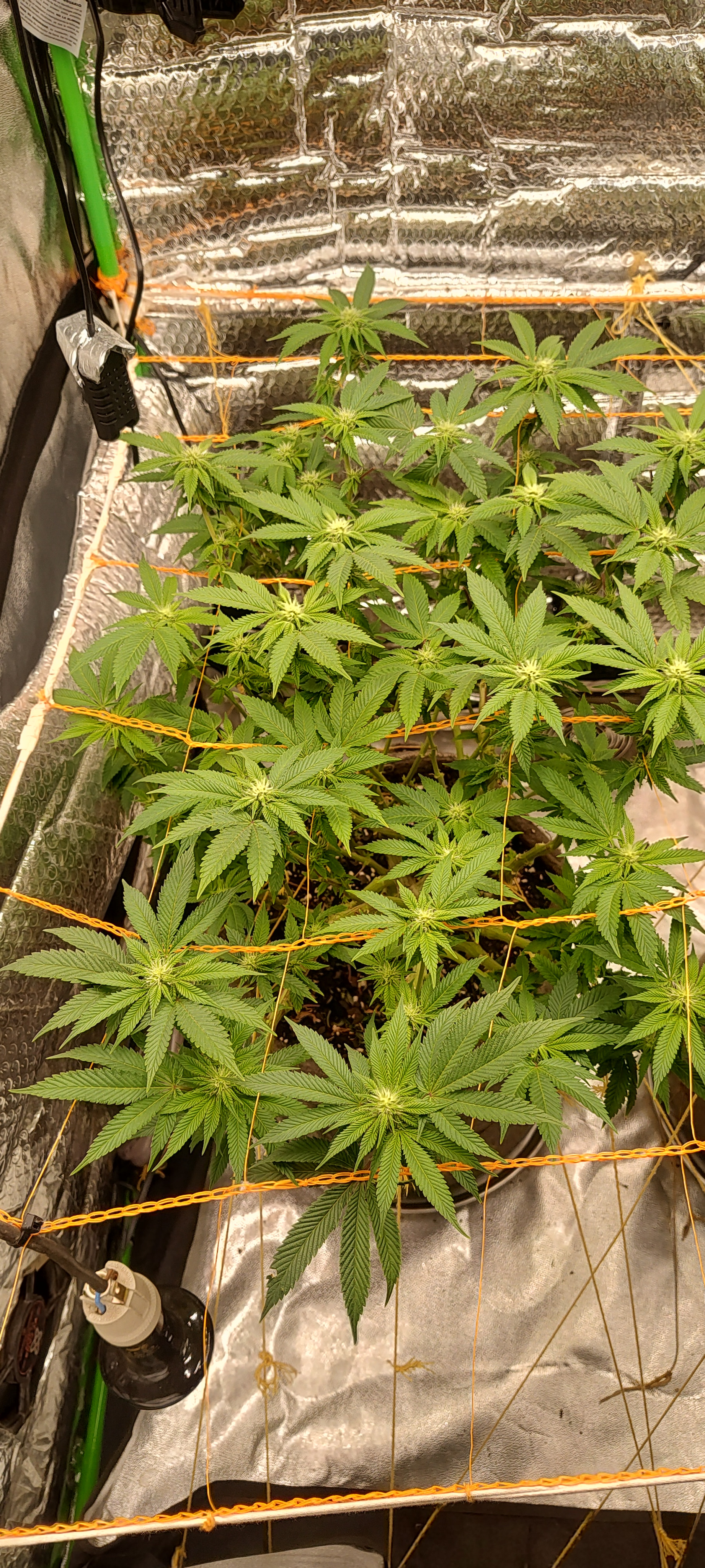
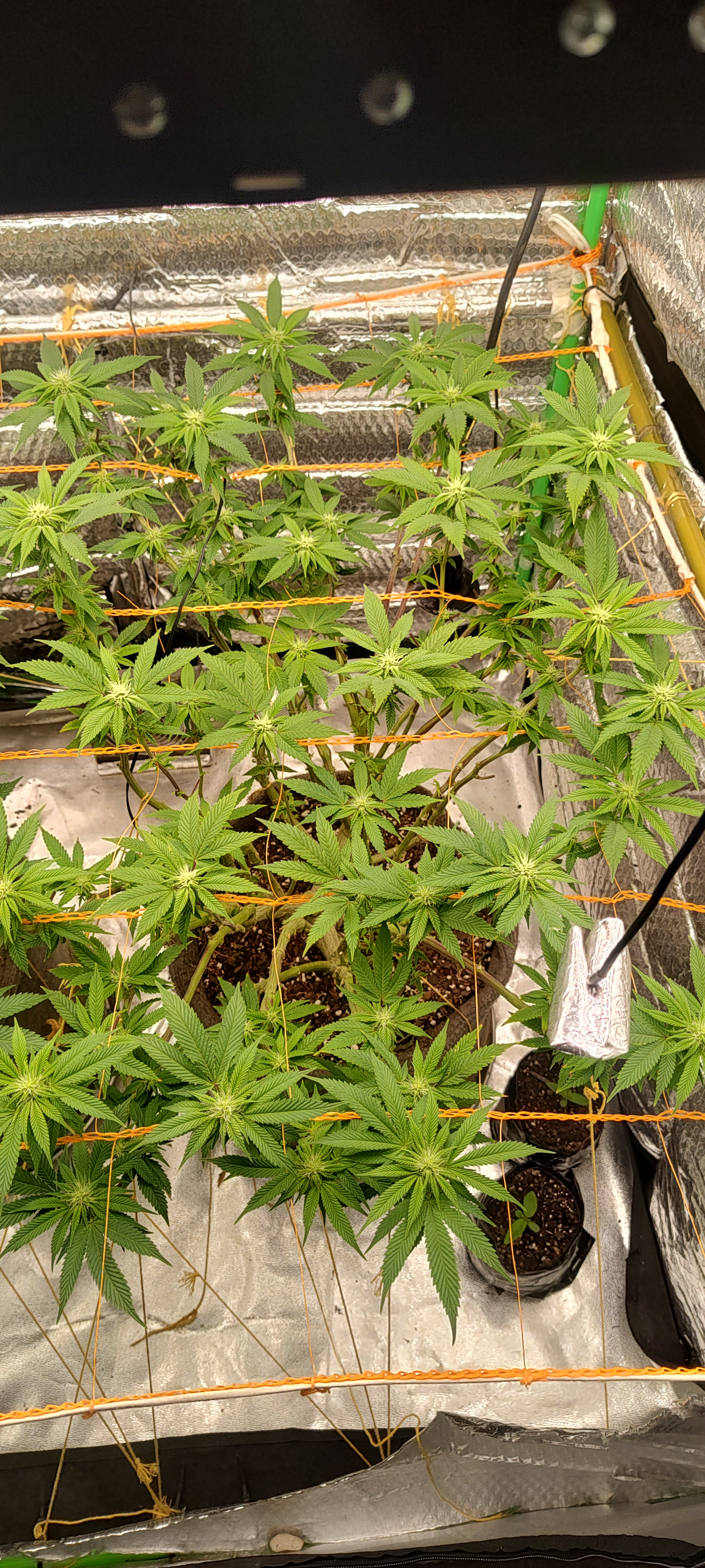
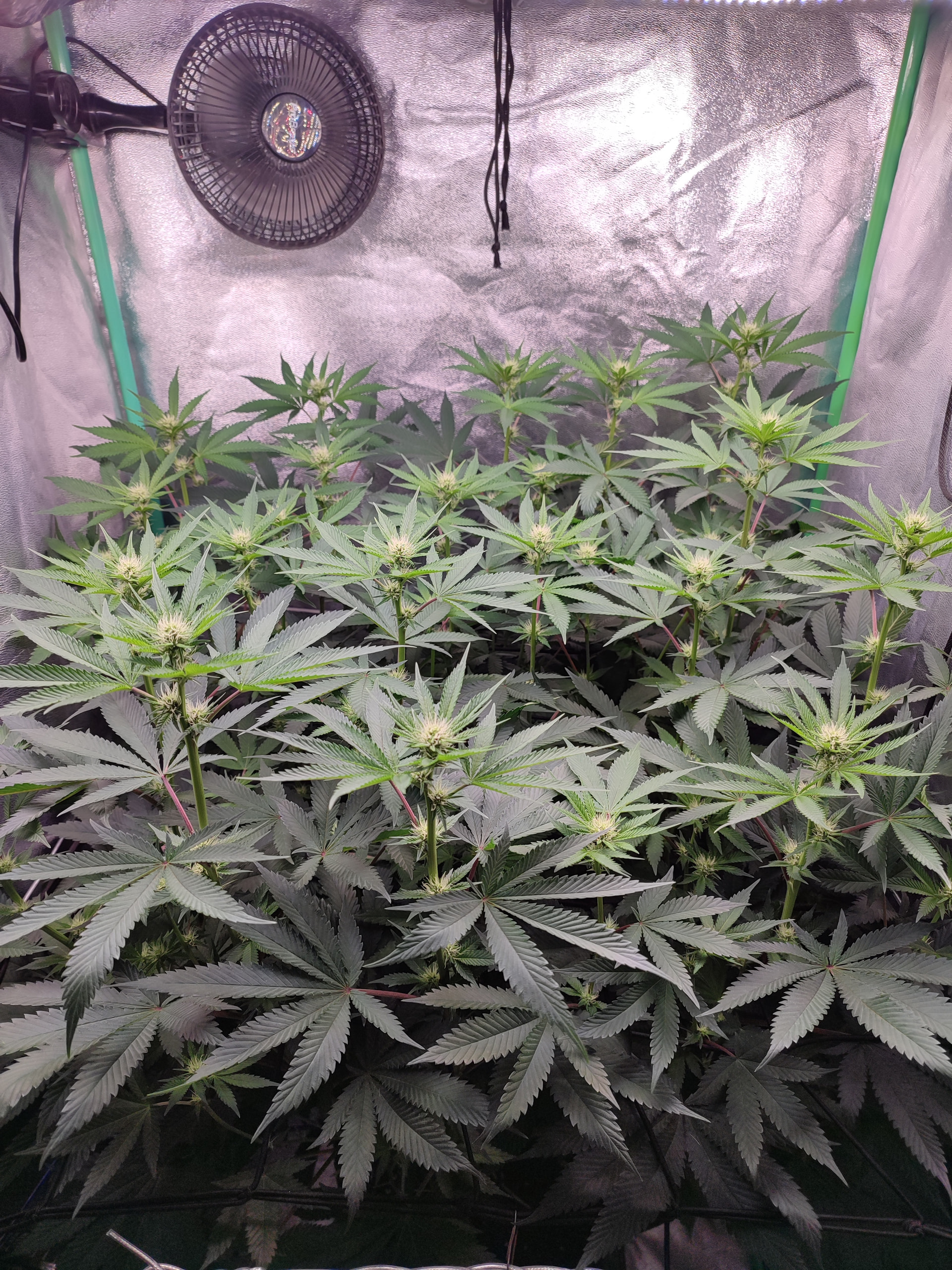
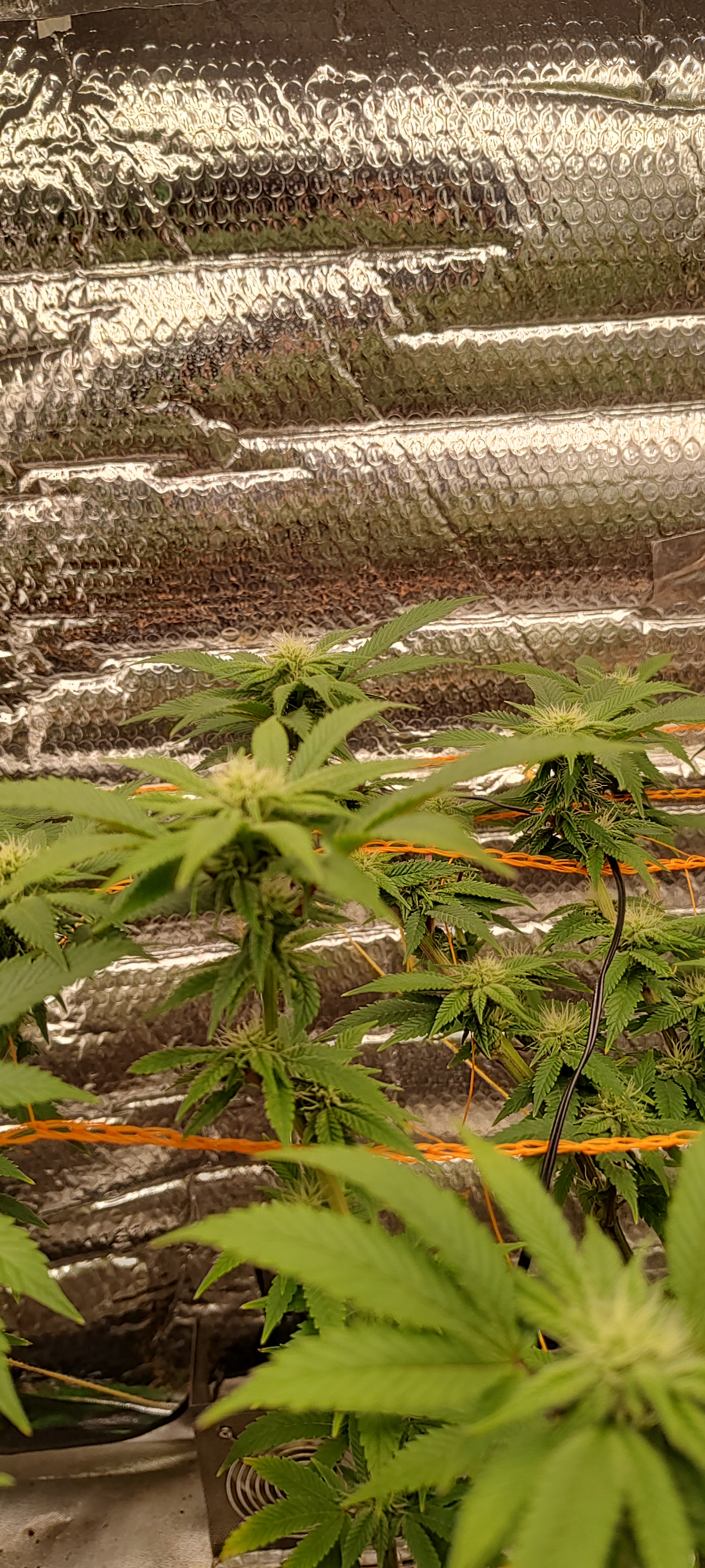
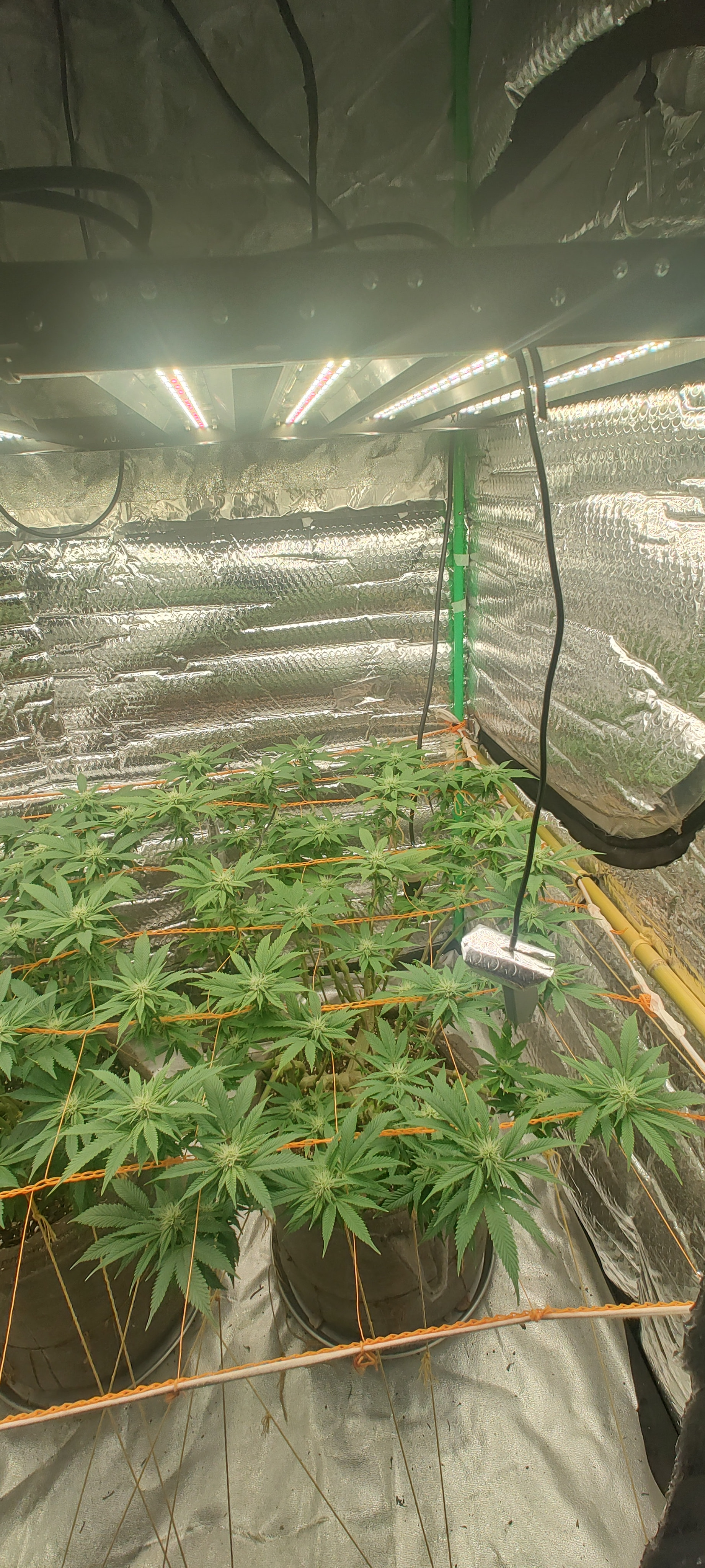
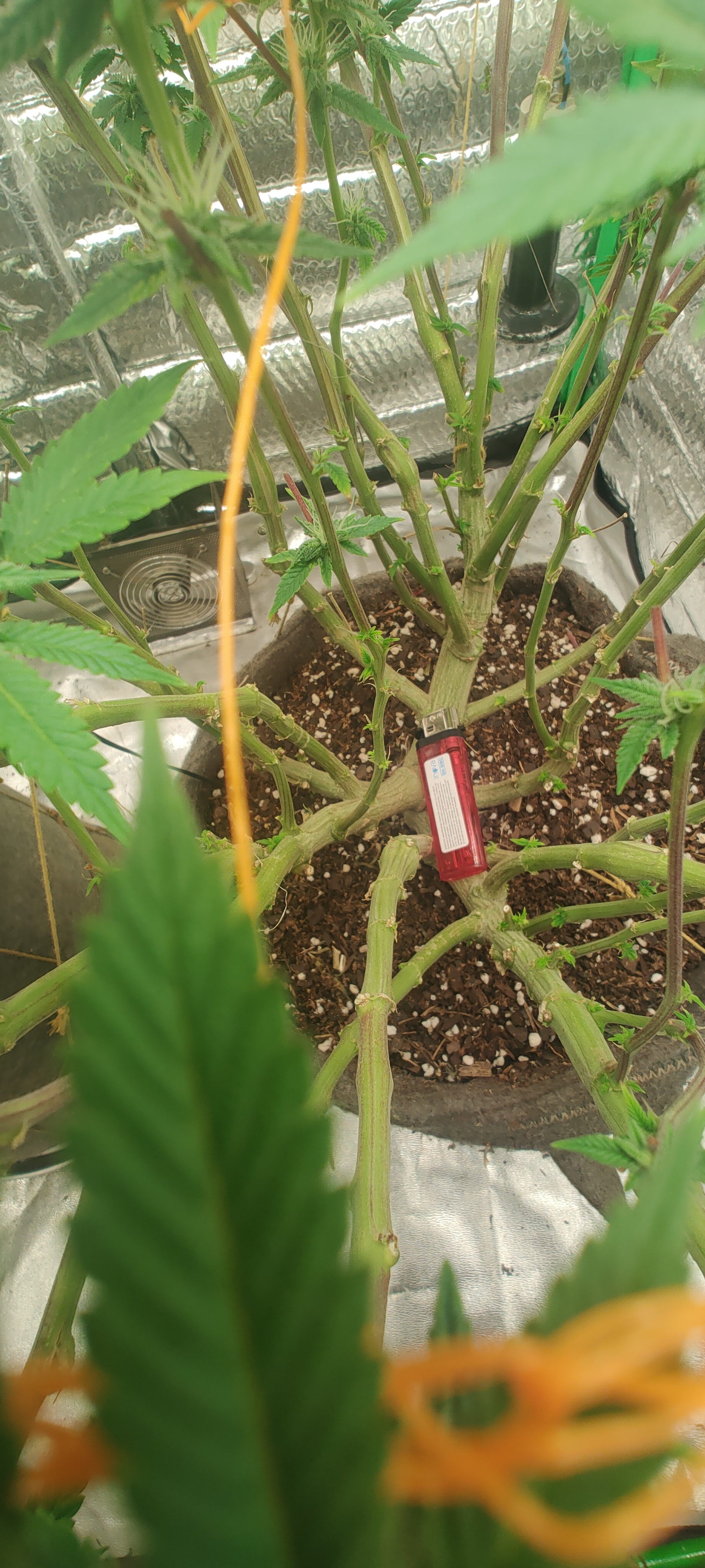
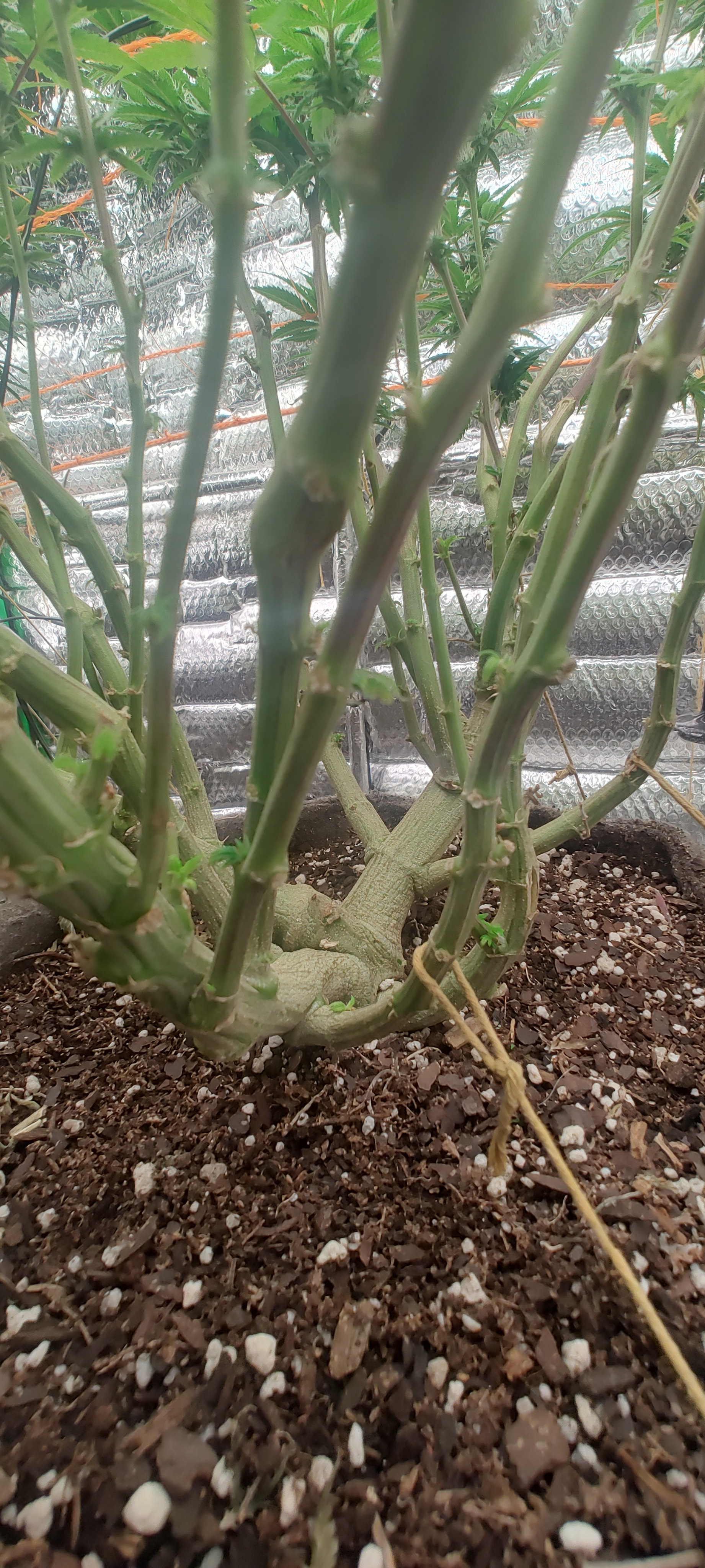
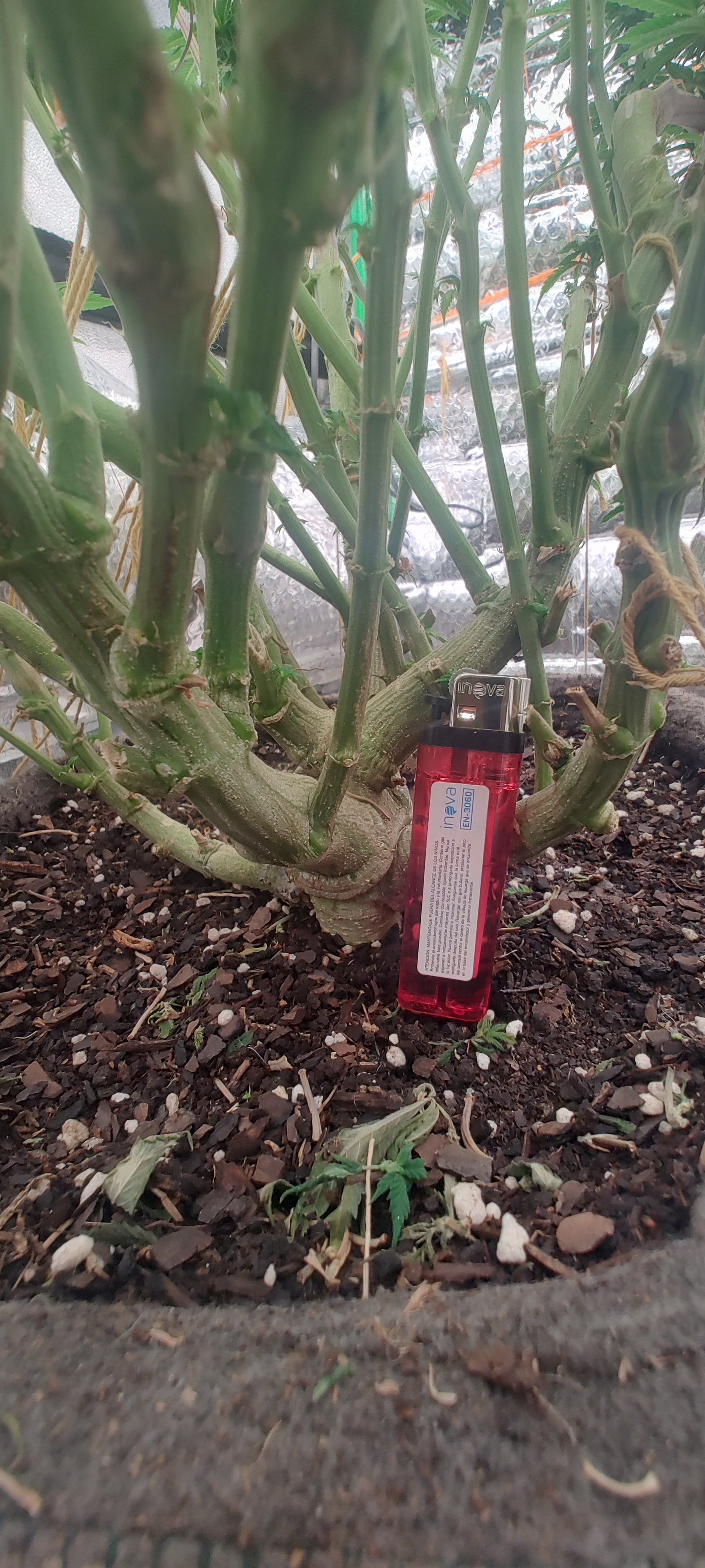
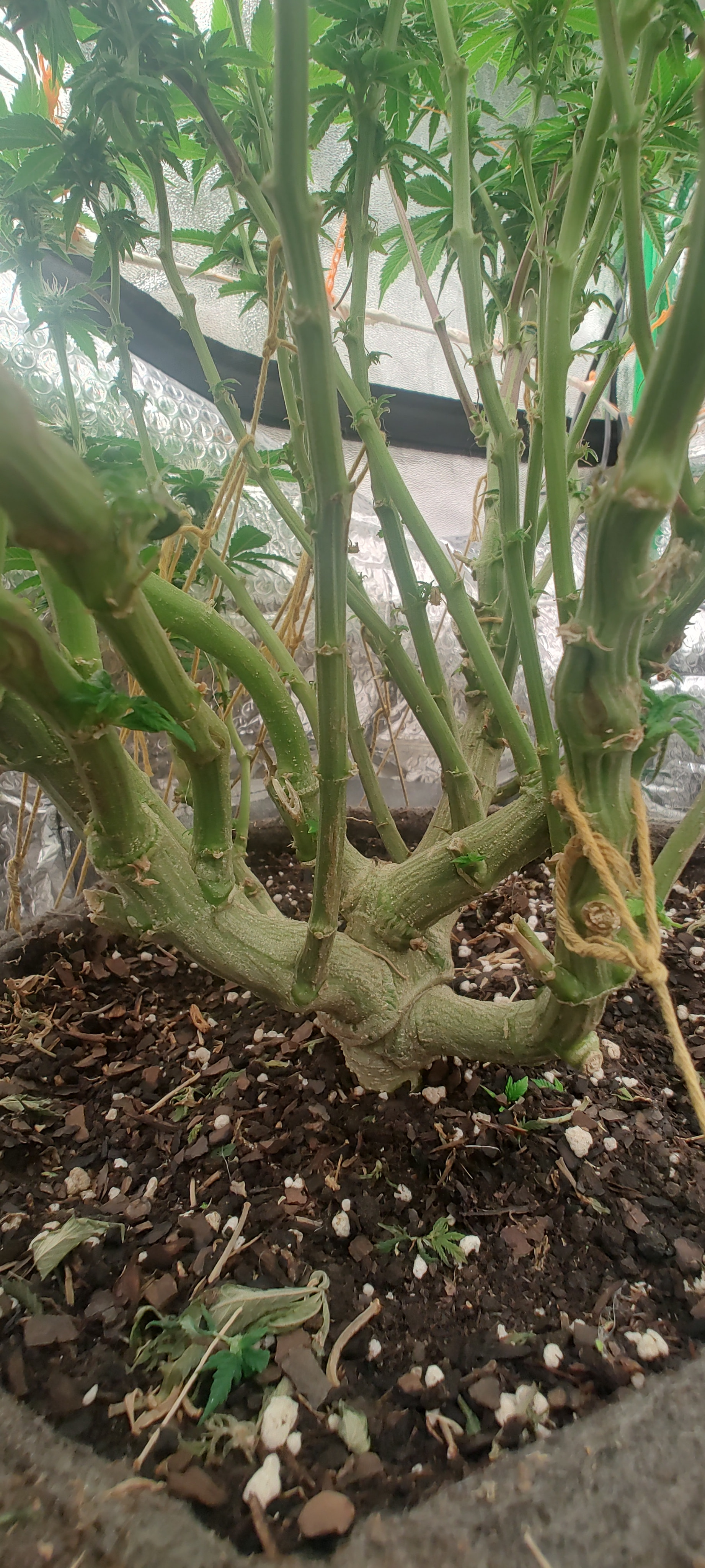
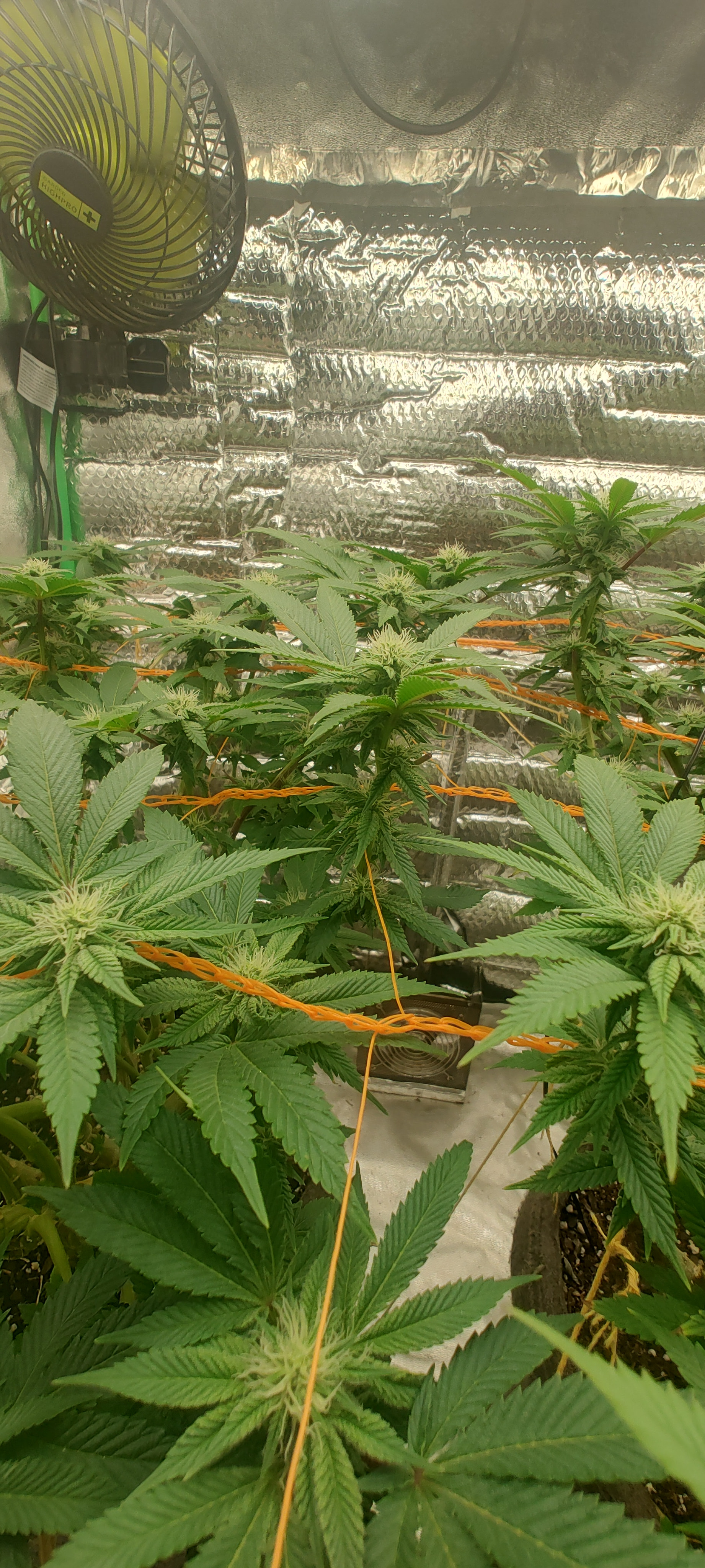
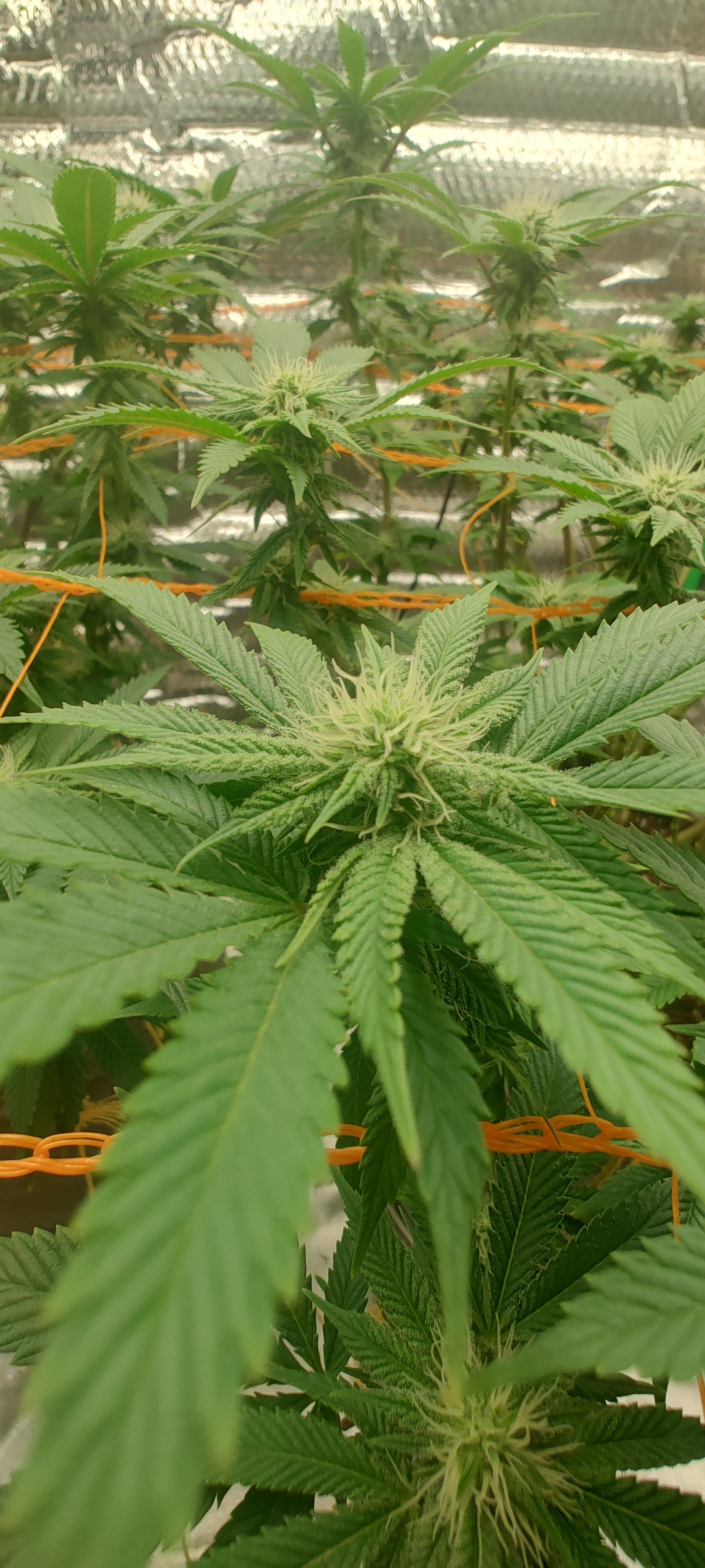
#43Here is a photo of the plants before the lights go off in week 4. The branches are super firm and the canopy is coming along really even with the panel at 80% at about 35 cm.
As for watering Nicole 2, I prepared a base water mix of rain and well water at 400 µS/cm and went in light with a nutrient solution at 830 µS/cm (EC) and pH 5.9. The runoff came out at 1.95 mS/cm and pH 6.0, which confirms that the pot has just the right nutrient load without overloading them.
This clearly shows what we were talking about regarding feed charts: if I gave them the 1.6 mS/cm that the Feeding chart indicates for every mineral watering, the runoff would shoot up to over 3.0 mS/cm and I’d burn them. By reading the runoff, you keep the perfect load without causing lockout.
To close out this stage, I’m going to add the LX-FAR RED 20W (730 nm) board mounted directly to the panel frame. With the Emerson Effect and the 15-minute shutdown, I unlock the photosynthetic ceiling to turn the panel up to 100% power without needing CO_2.
 #44
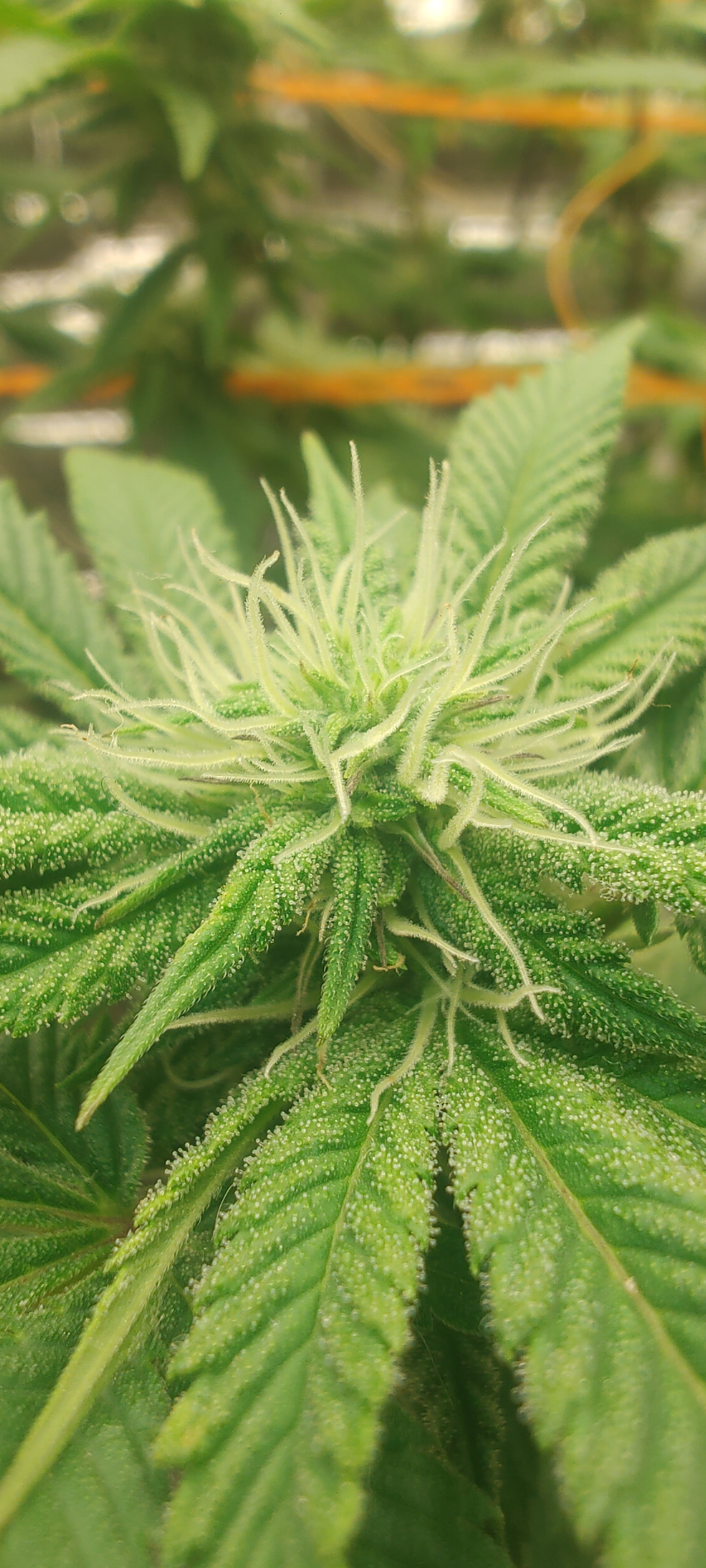
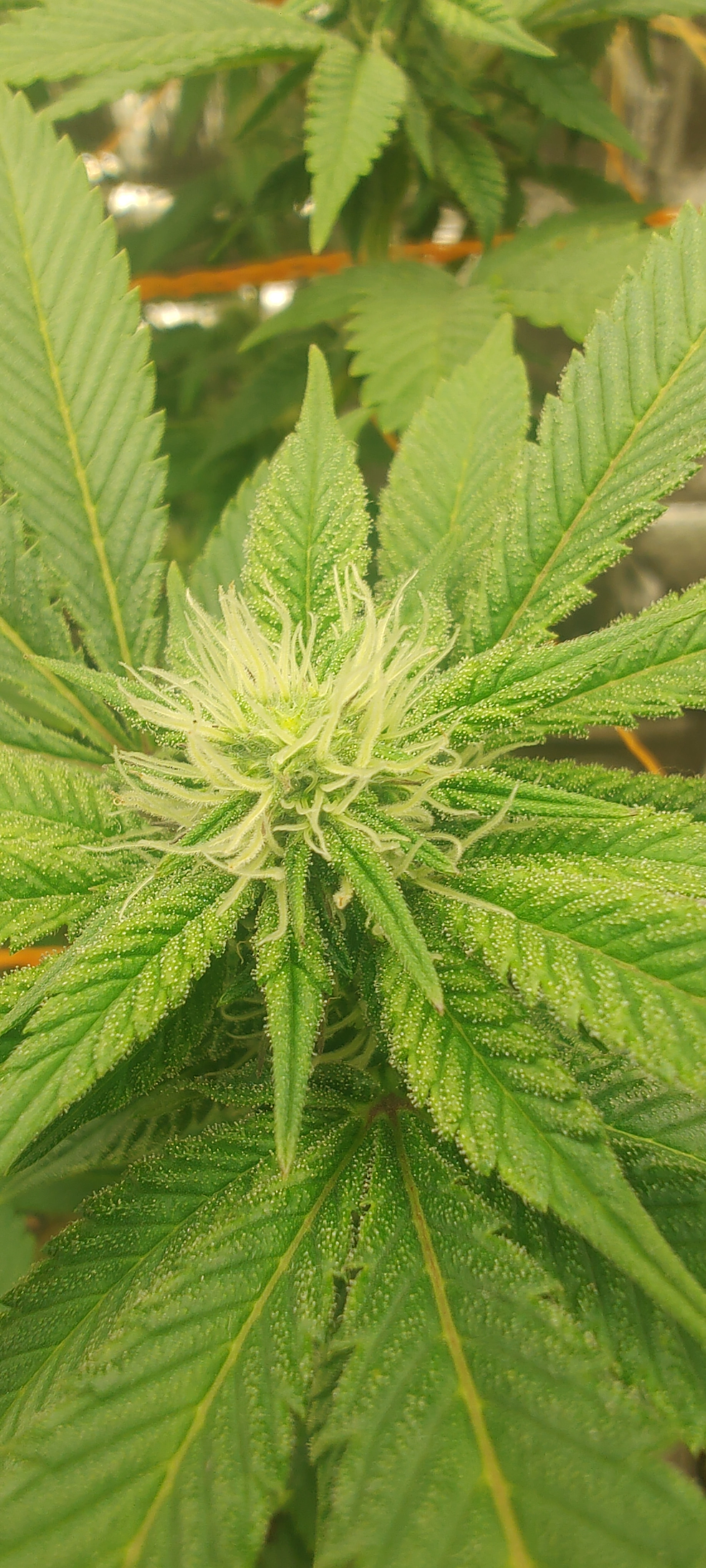
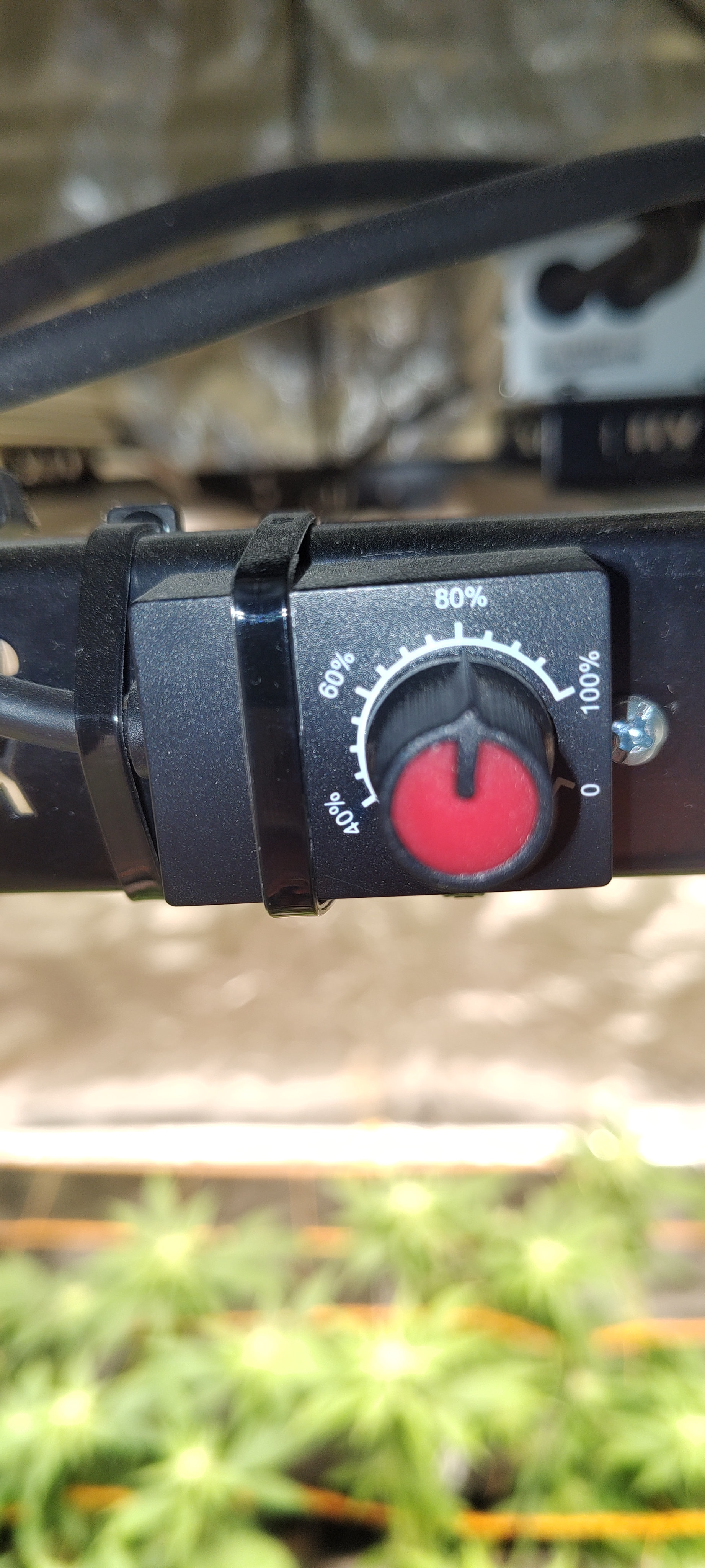
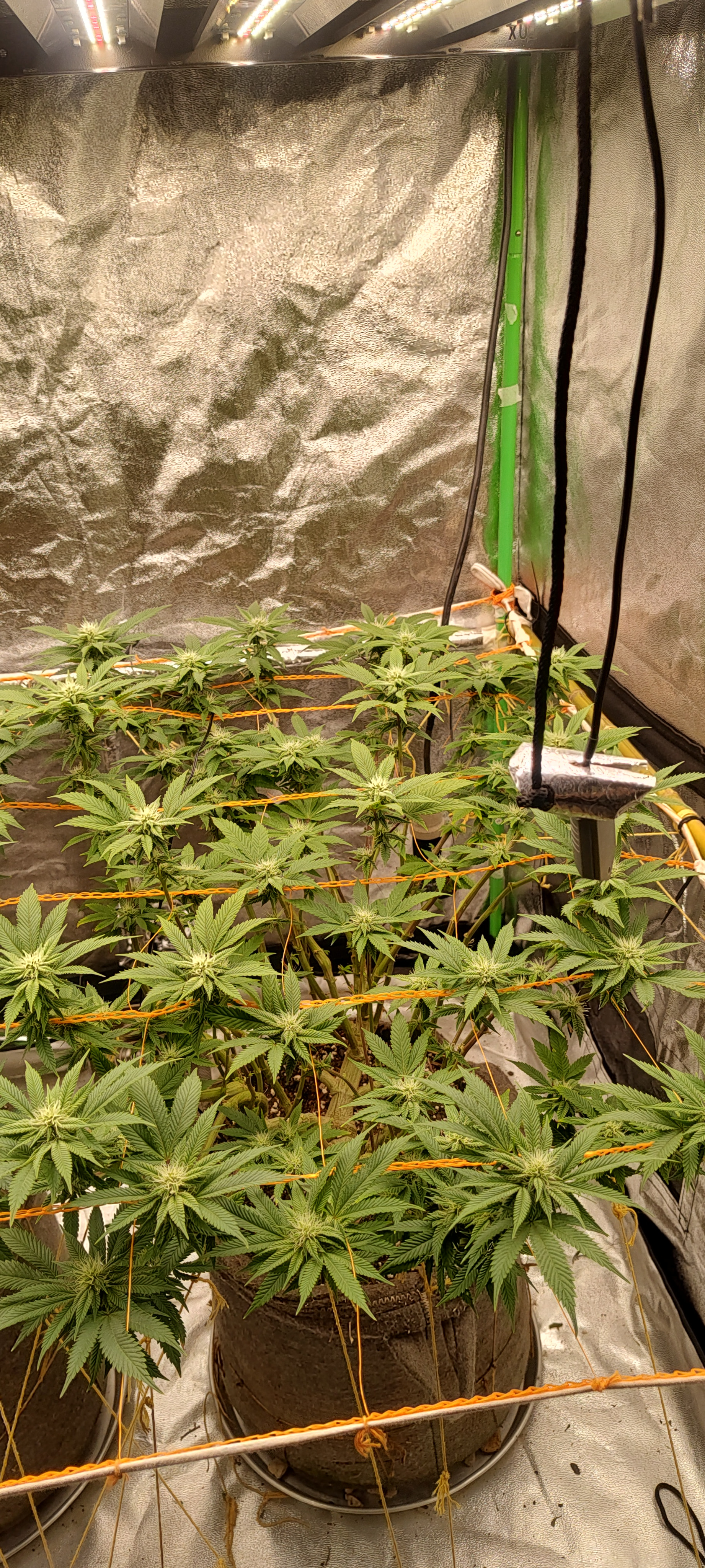
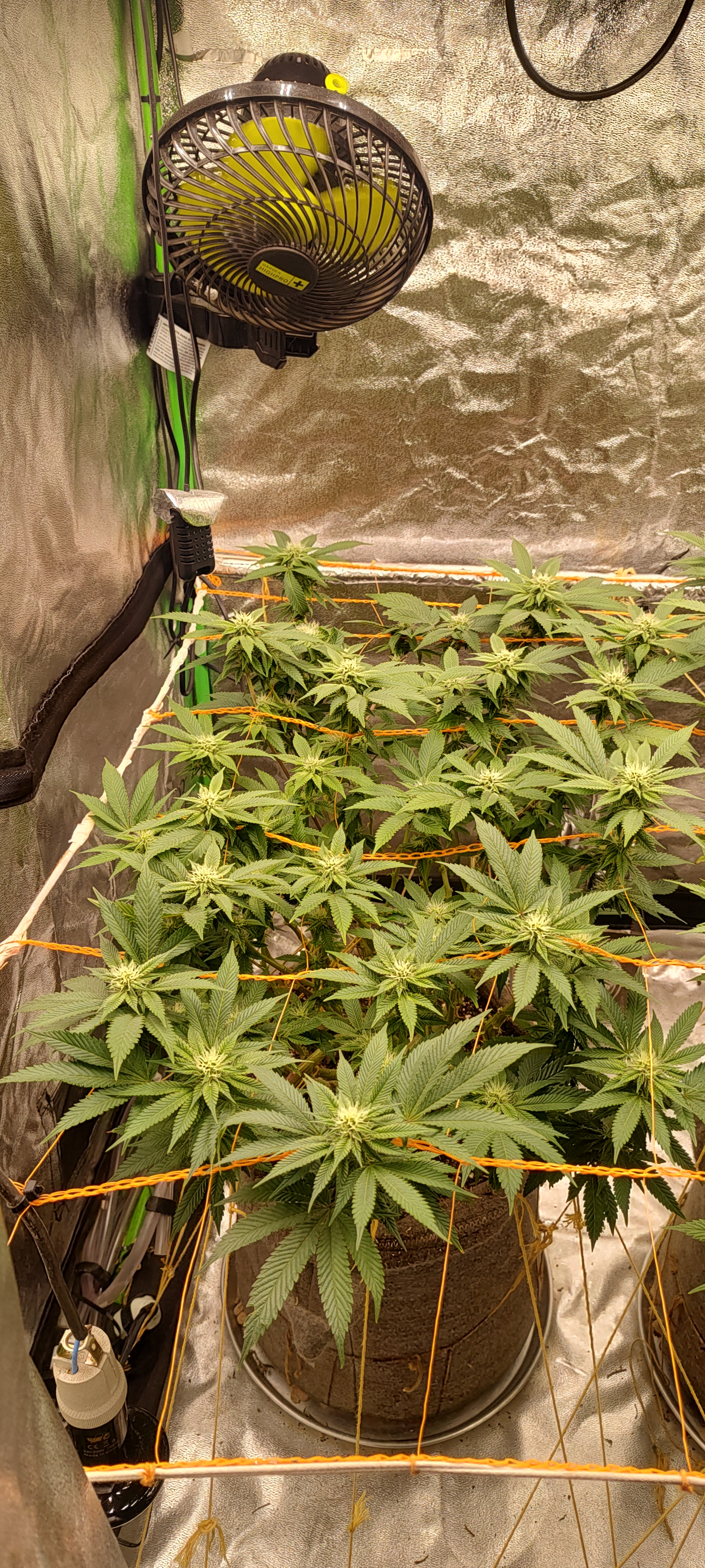
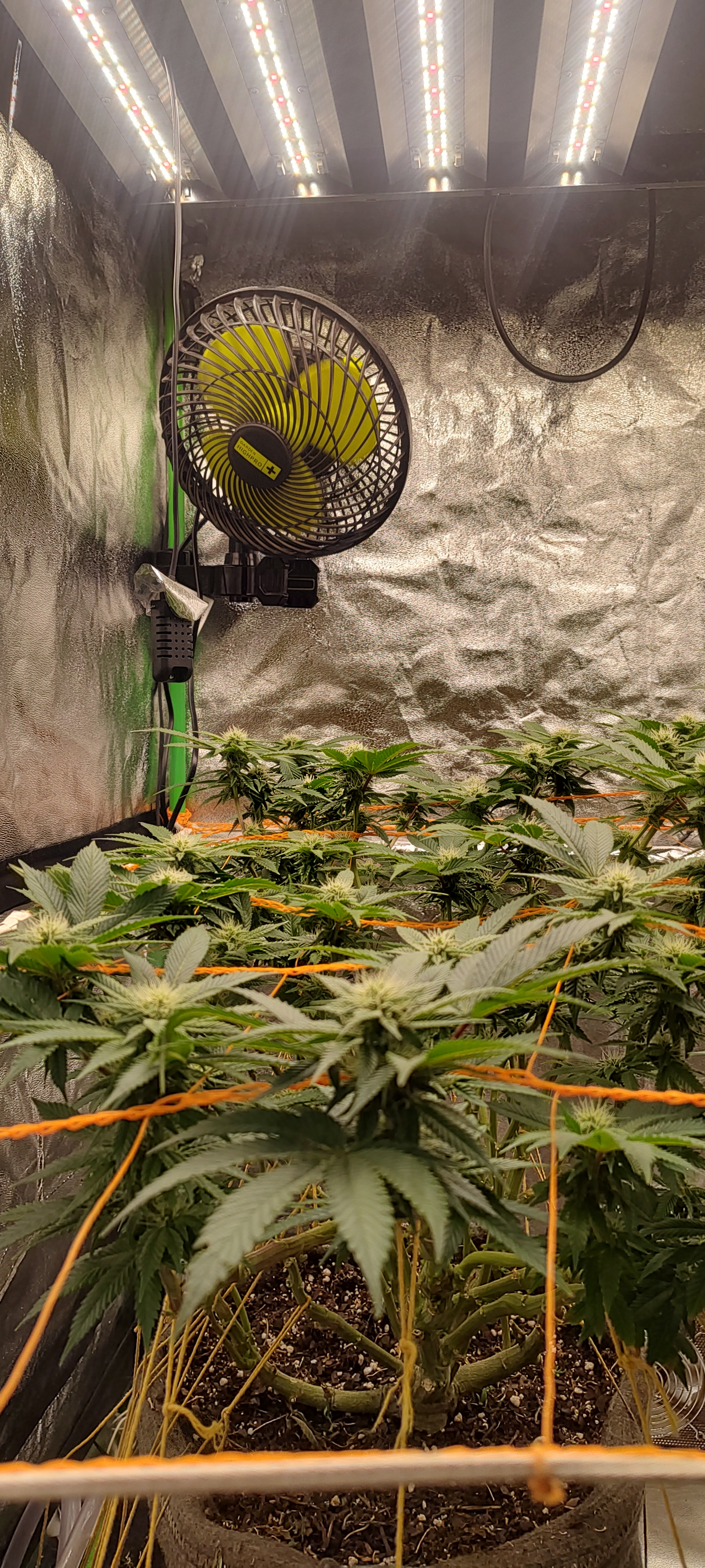
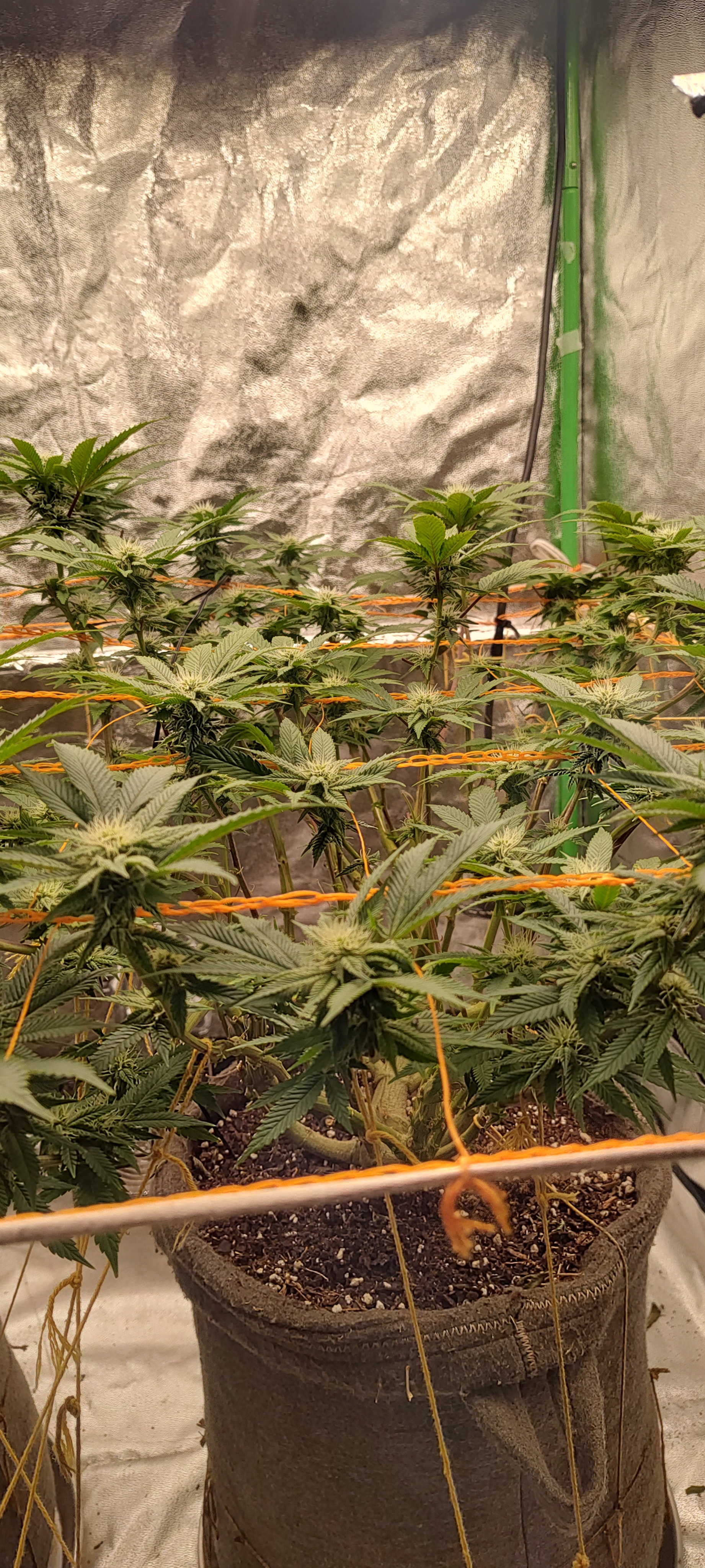
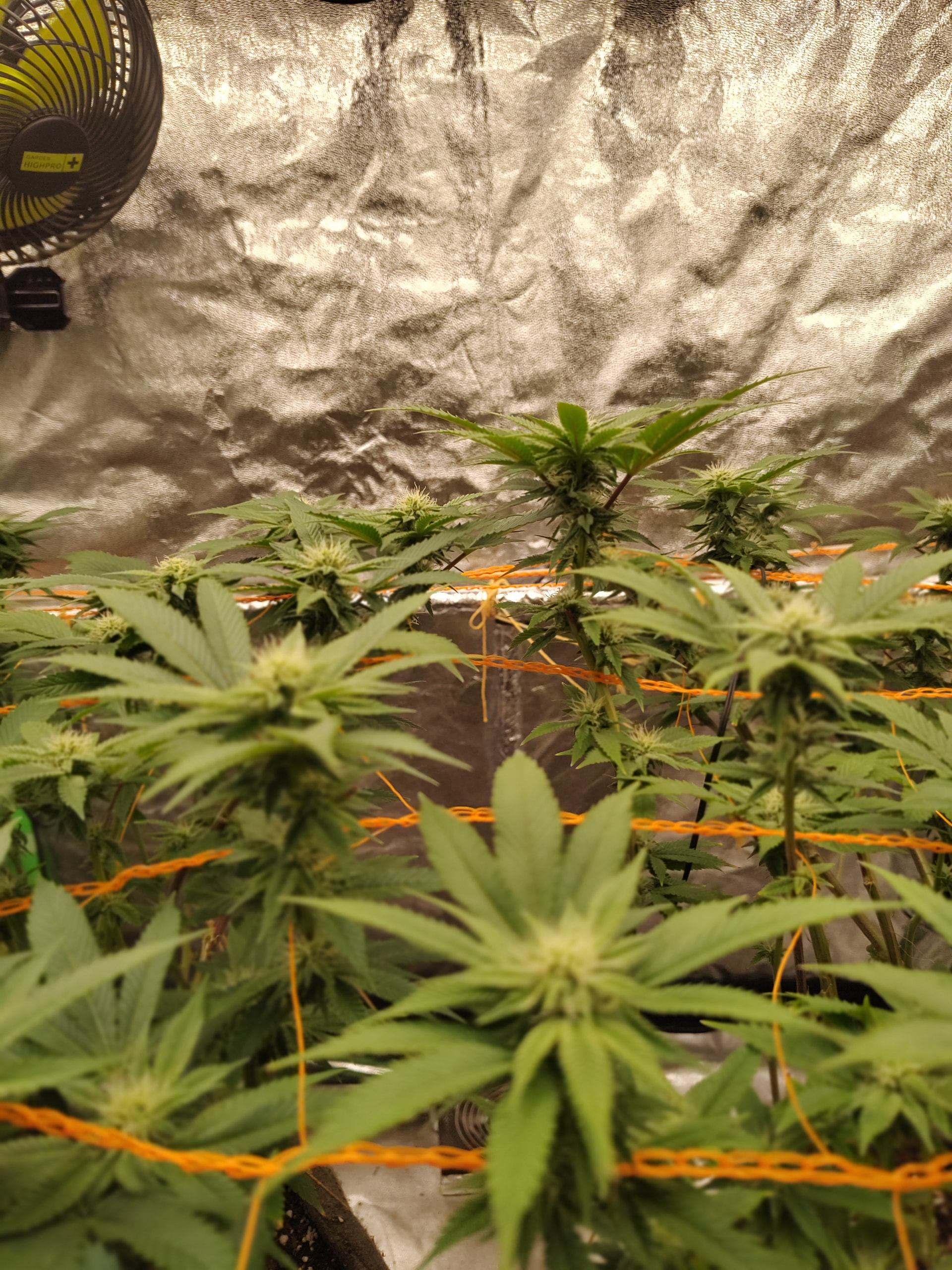
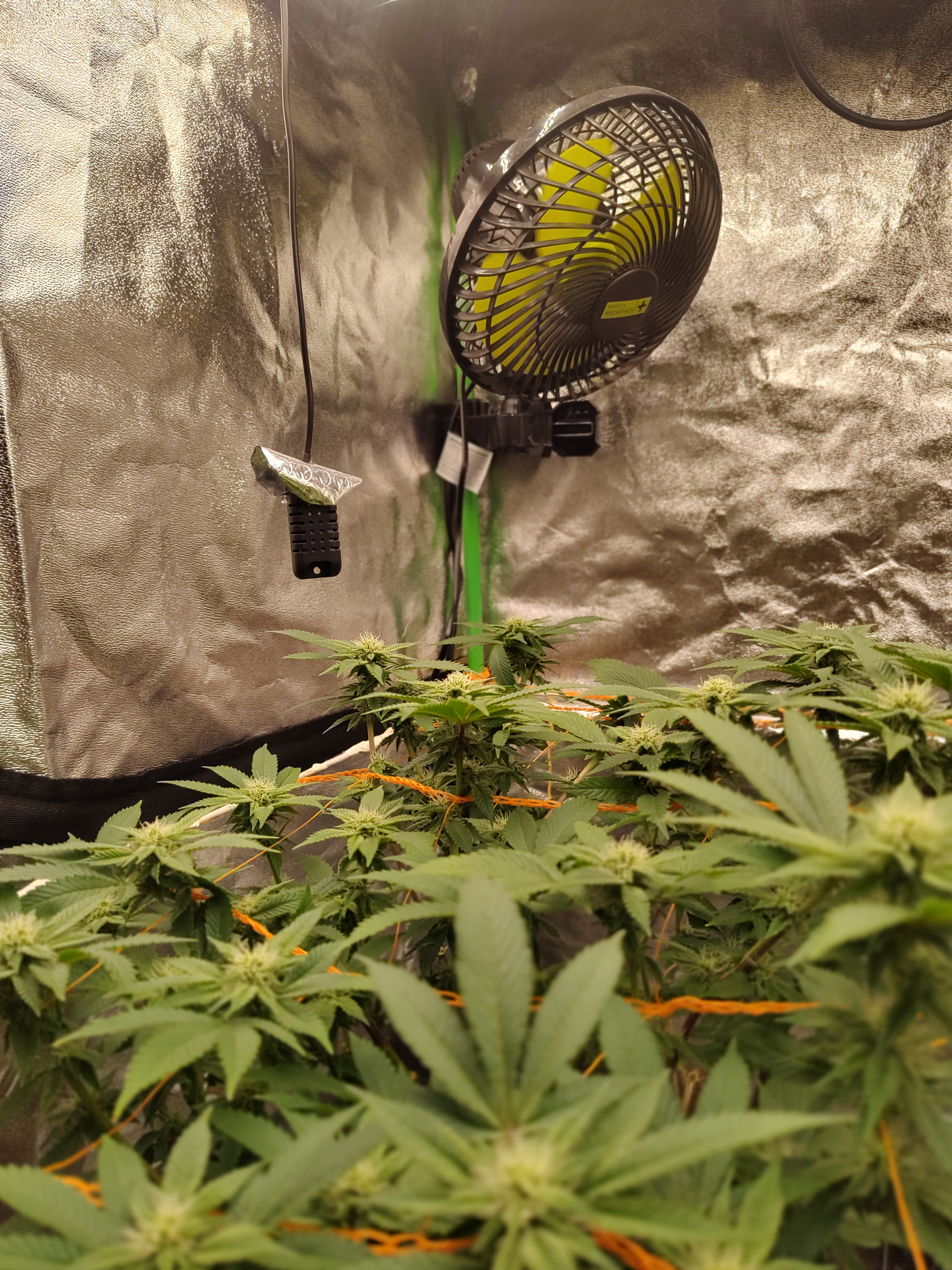
#44Good morning everyone !!! Here is a bit more info and experiences from my first grow, in case someone starting out like me is looking for information. In the previous post, we had considered adding a Far Red (730 nm) booster board with the intention of speeding up the flowering rate through the Emerson effect and stimulating a controlled stretch to open up the canopy.
In the end, we completely ruled out buying and installing that board. The technical reason is that our 480W CREE J Series LED panel already has a high-efficacy full spectrum that delivers the photosynthetically active radiation (PAR) needed for this phase. Light penetration at 40 cm is excellent, and the red ratio gives the plant the morphogenetic signal needed to fatten up the buds. Adding the little Far Red board would mean an unnecessary expense, adding extra wiring to the space, and generating additional heat that would force us to strain the extraction system.
As for current management, we switched the photoperiod to 11 hours of light and 13 of darkness to speed up resin biosynthesis. The panel remains at 80% power at 40 cm from the tops. Checking the potentiometer, we saw that we only have 4 notches left until 100%, so we will keep it at this power for a few days, evaluating the leaf response before making the fine adjustment straight to full 480W at the peak of flowering.
The canopy is responding with upright leaves and pom-poms gaining density. The climate is holding at 25.4 °C and 48% relative humidity, with automated extraction set to trigger if the temperature exceeds 26.5 °C.
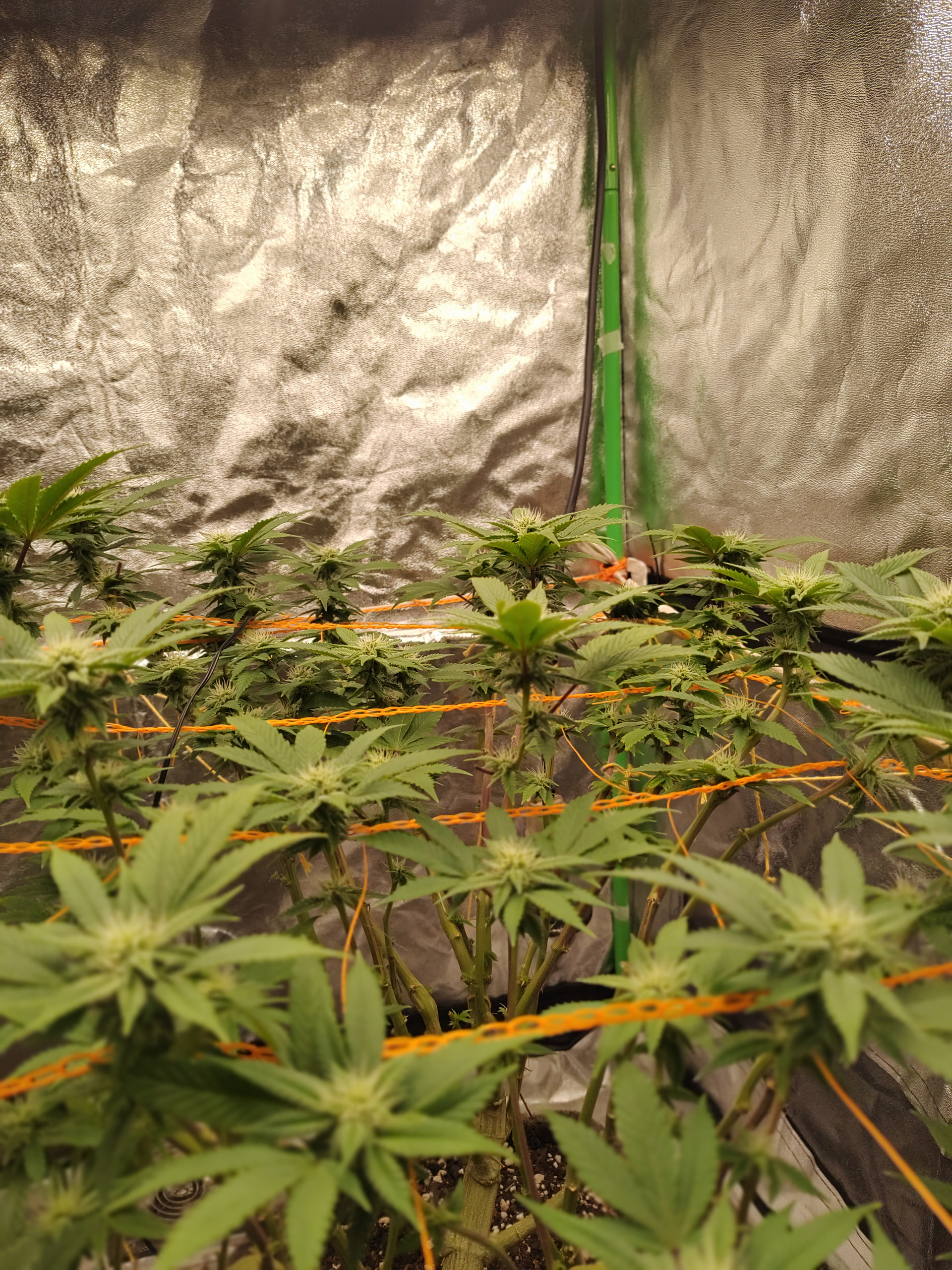 #45
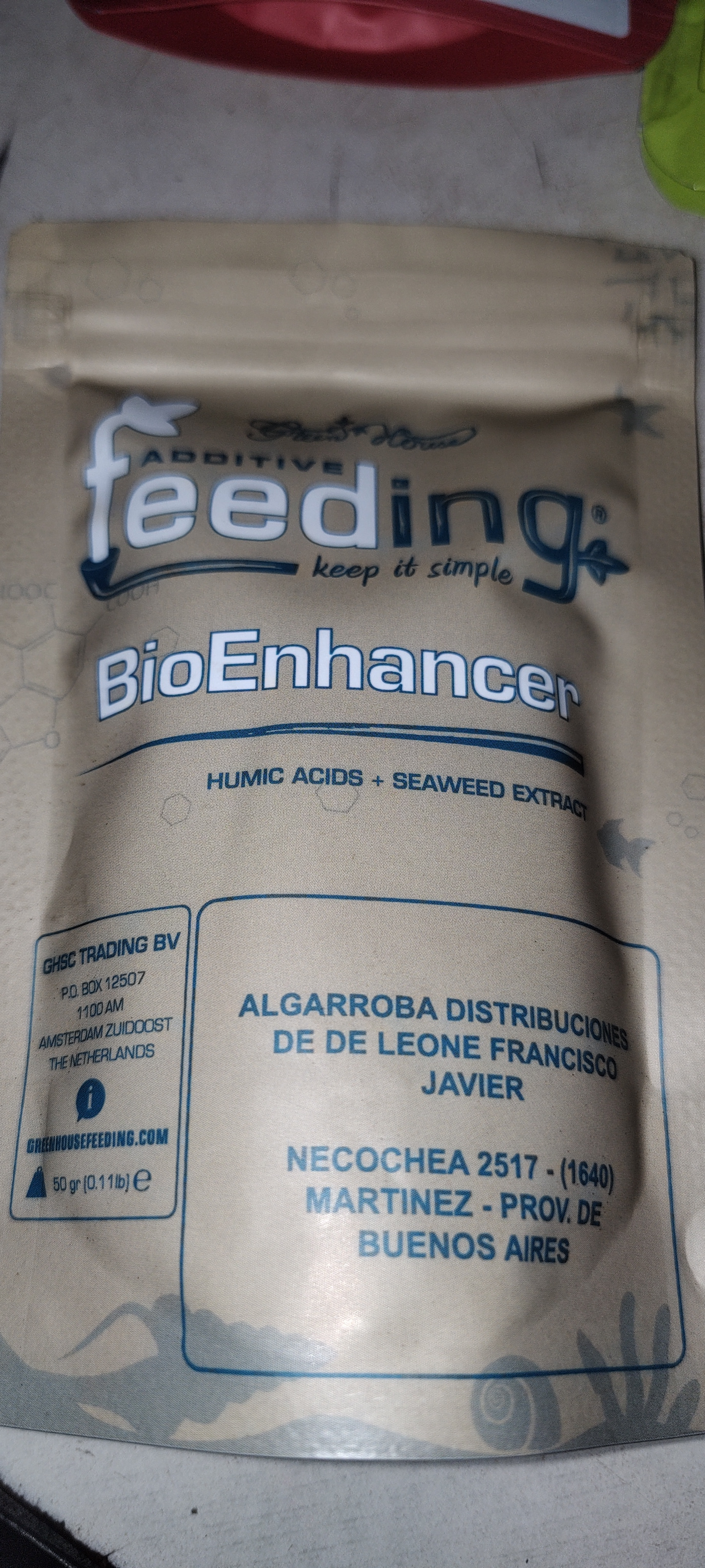
#45Week 5
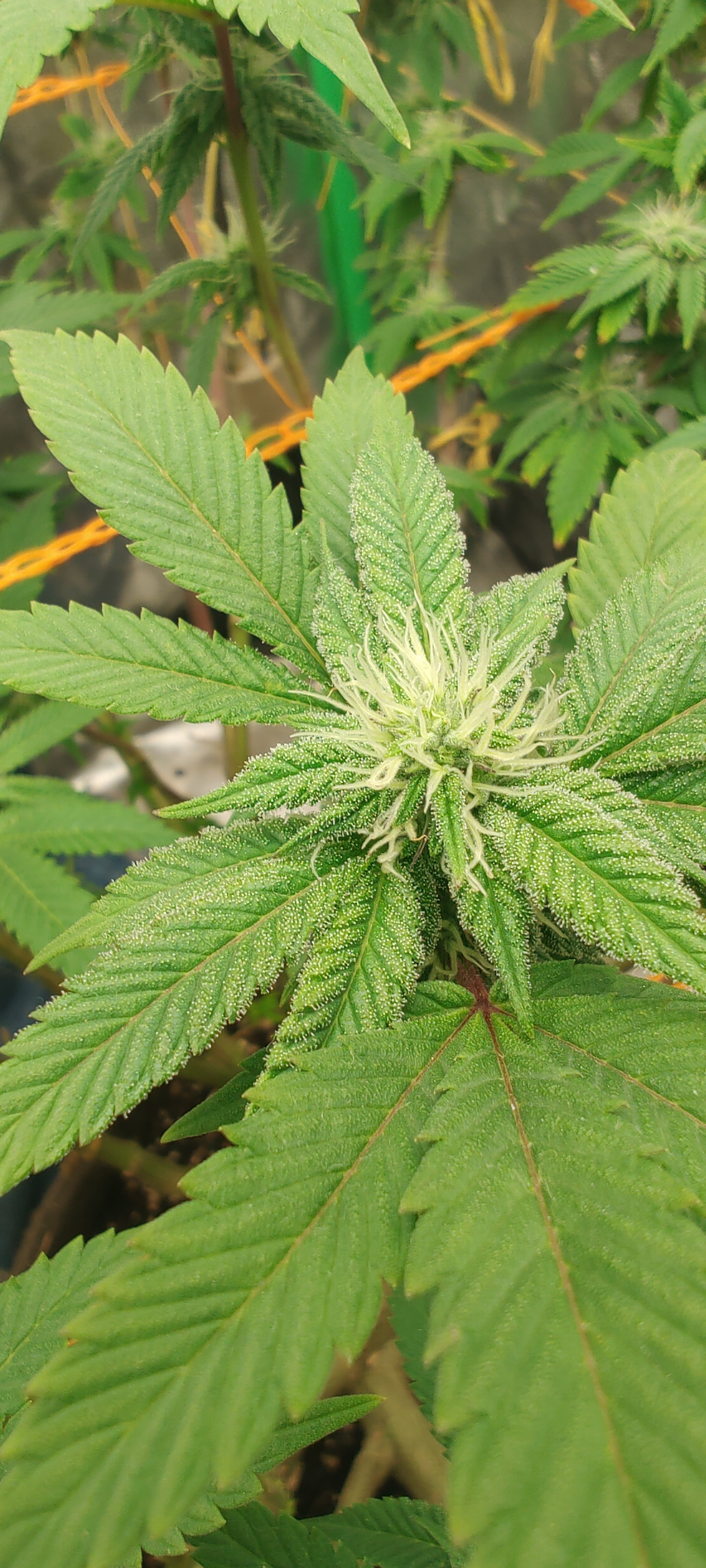
Yesterday it was time to open the main tent and the surprise was great: the plants are growing with tremendous vigor and an upright leaf posture (“happy”) that is a joy to see.
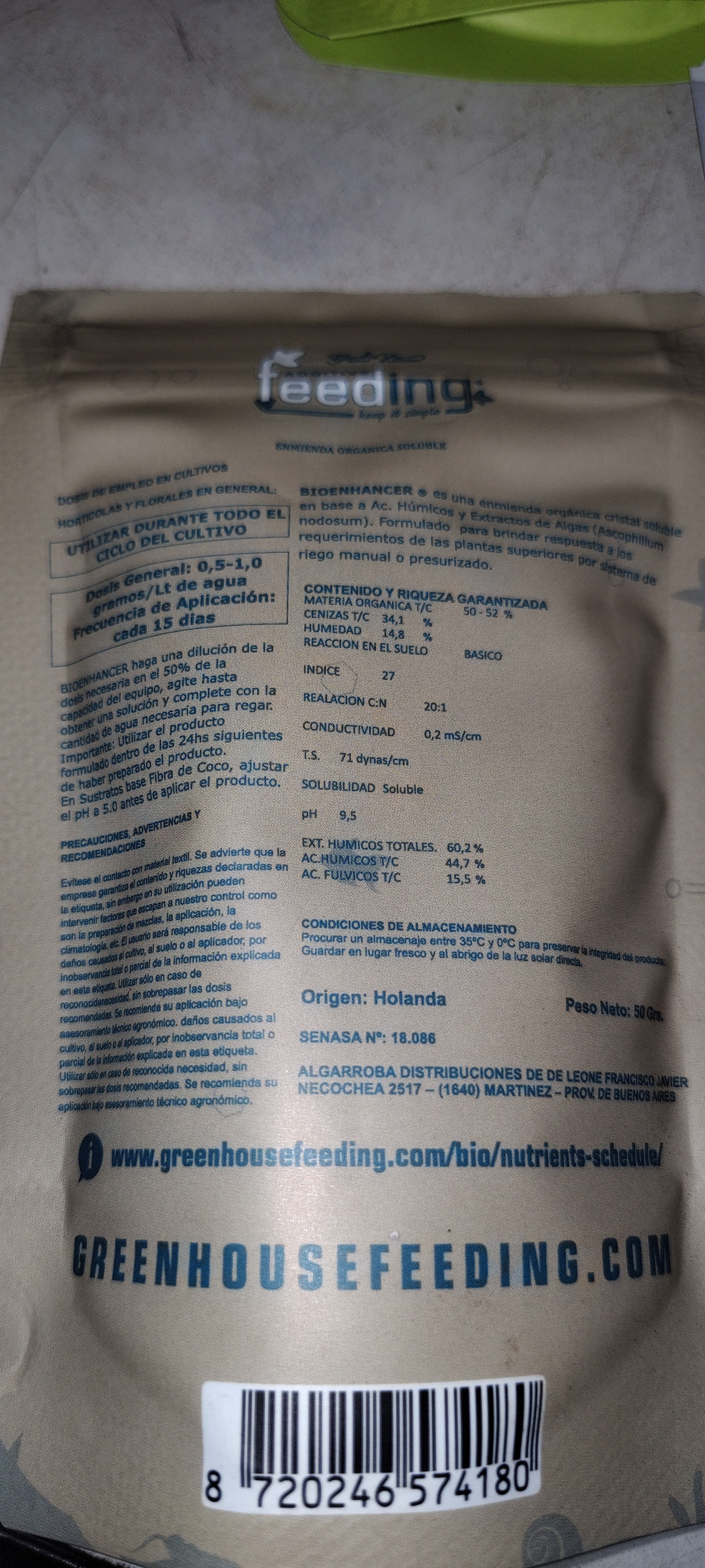
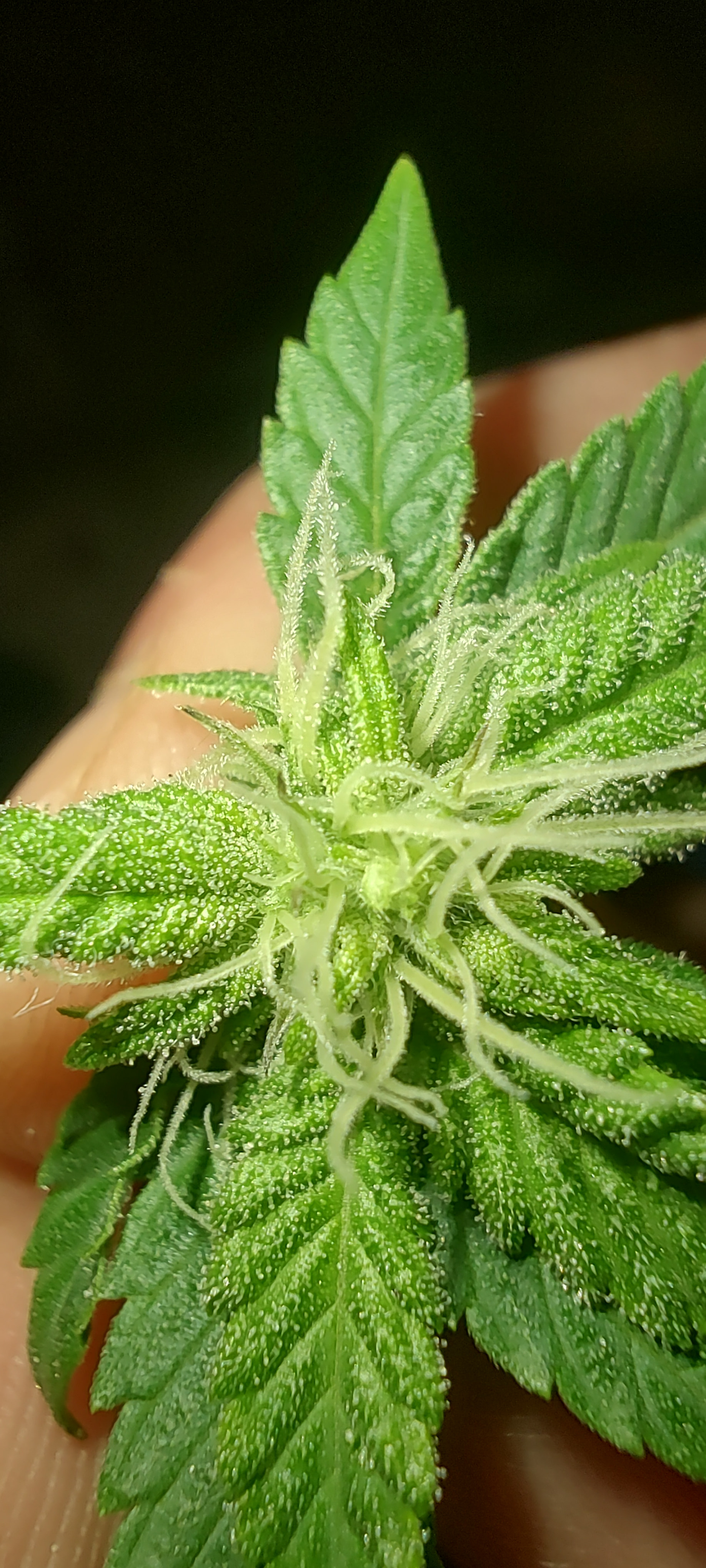
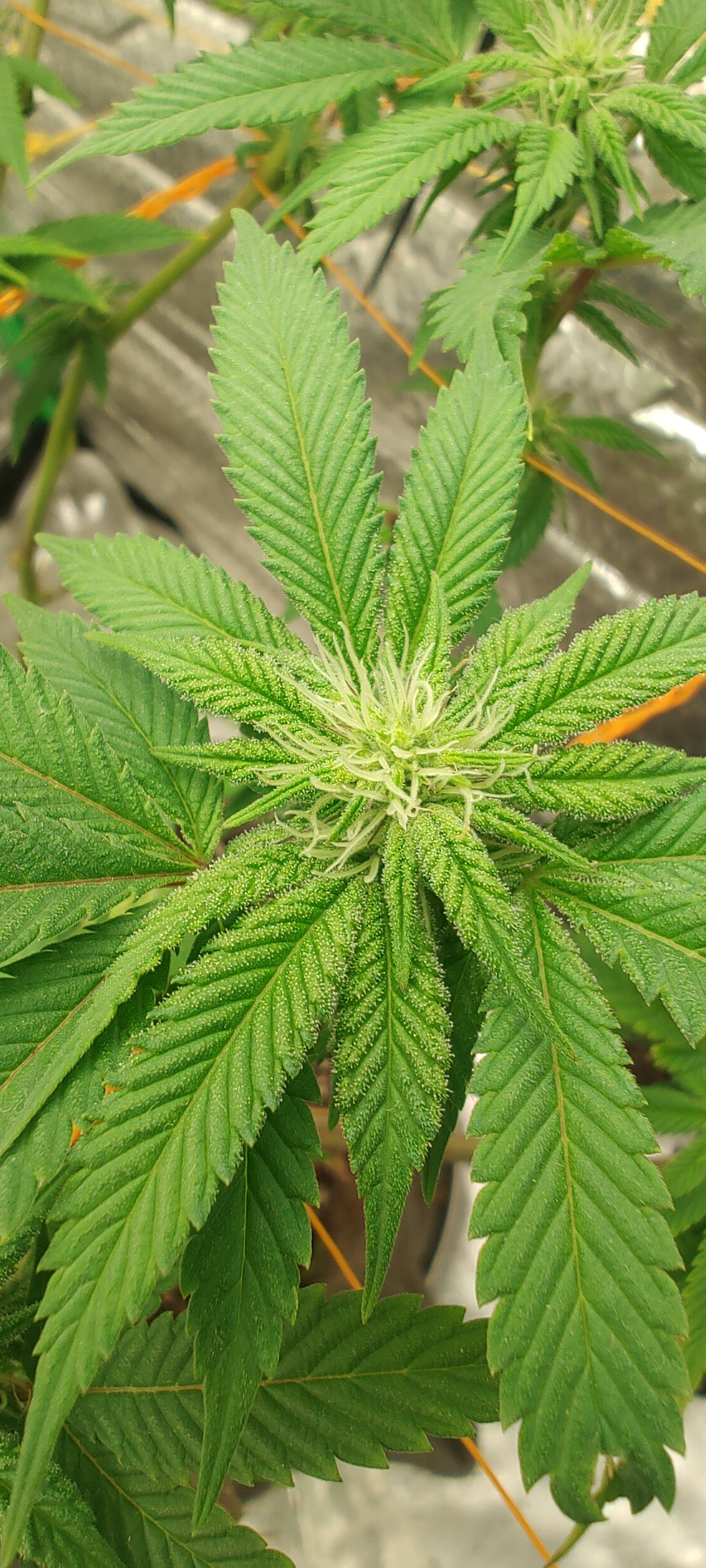
When taking a flash photo in the dark, the resin coverage really stands out. The canopy under the SCROG net is perfectly level from end to end, making the most of the light, with a very promising trichome accumulation on the sugar leaves for what is to come in these key fattening weeks. We had just done an important flush and reset watering (6.5 liters per pot) to clear out salt buildup and get the substrate ready. In this watering, we added Green House Feeding’s BioEnhancer (based on humic acids, fulvic acids, and Ascophyllum nodosum kelp extract). We decided on this product to simplify the tent and not have to deal with a thousand separate bottles of mycorrhizae, trichoderma, and biostimulants. A single package resolves the activation of the soil’s microbial flora and helps unlock bound nutrients. Since this product has a high alkaline pH (9.5 in the package), it requires fine and strict adjustment with pH Down in the nutrient solution before applying.