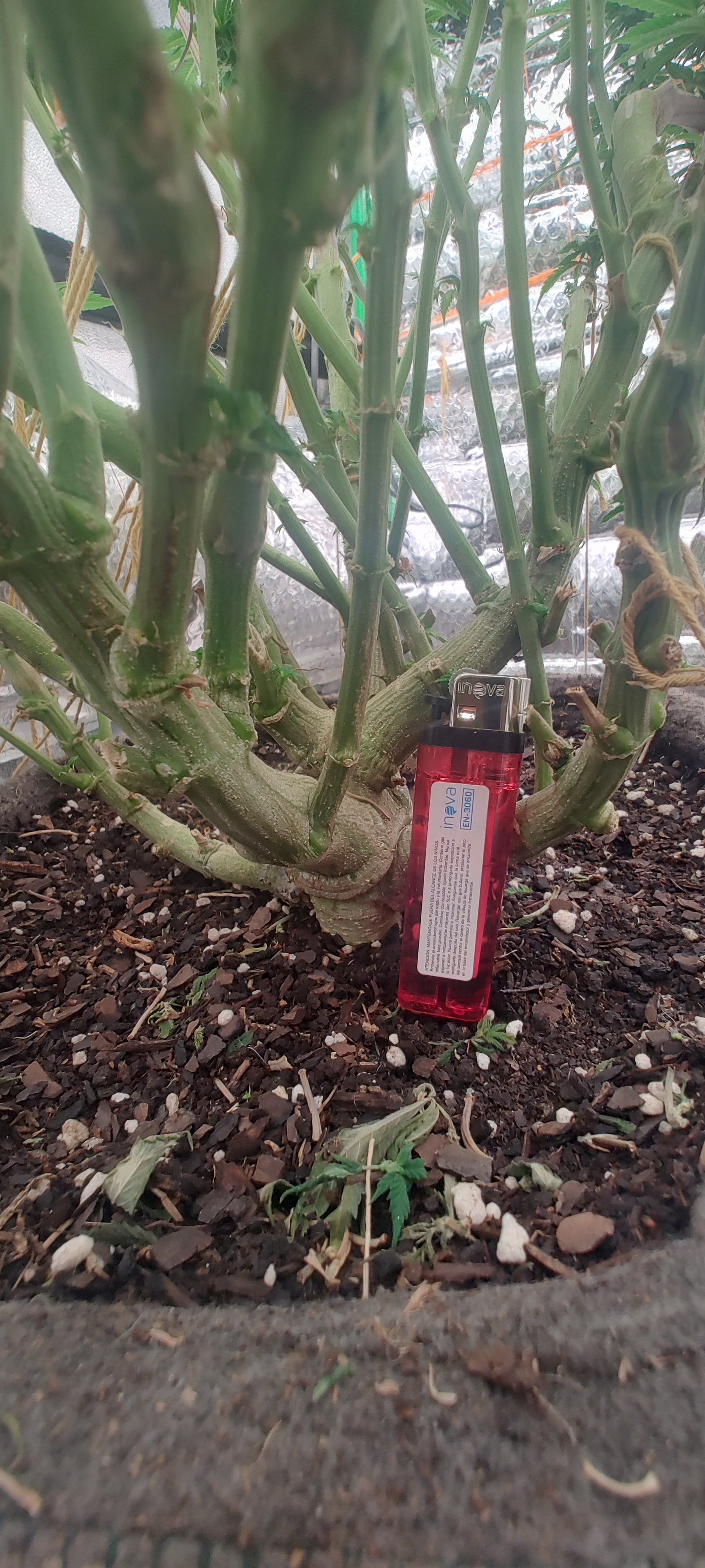
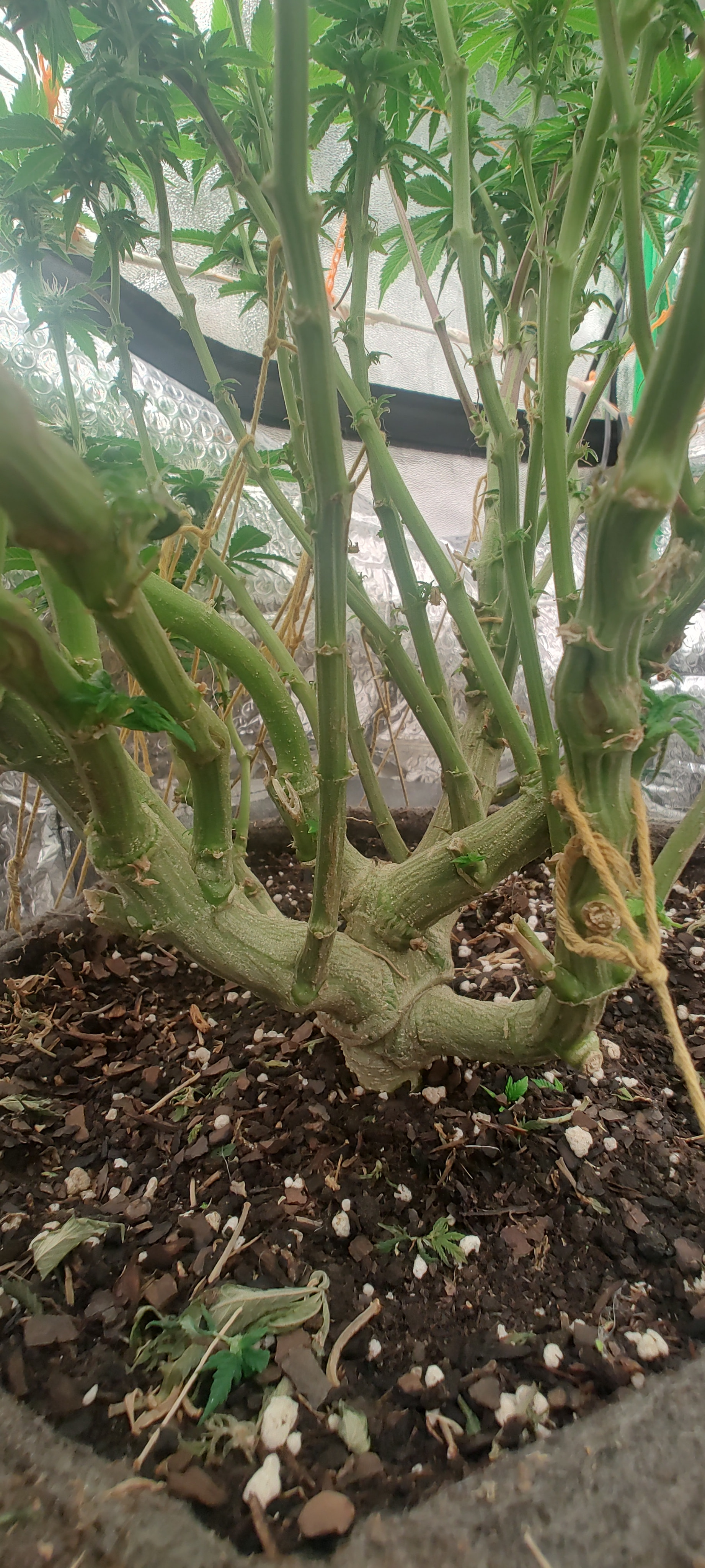
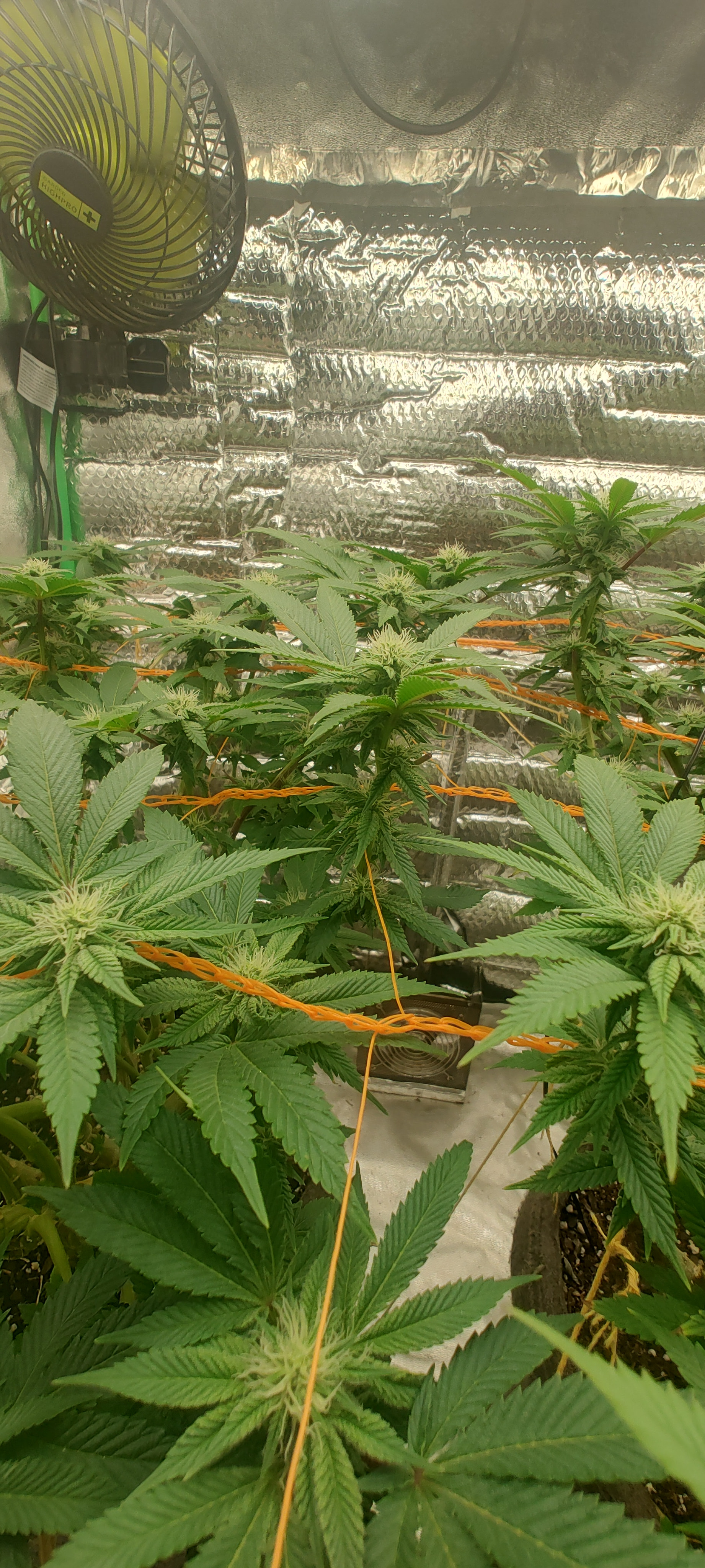
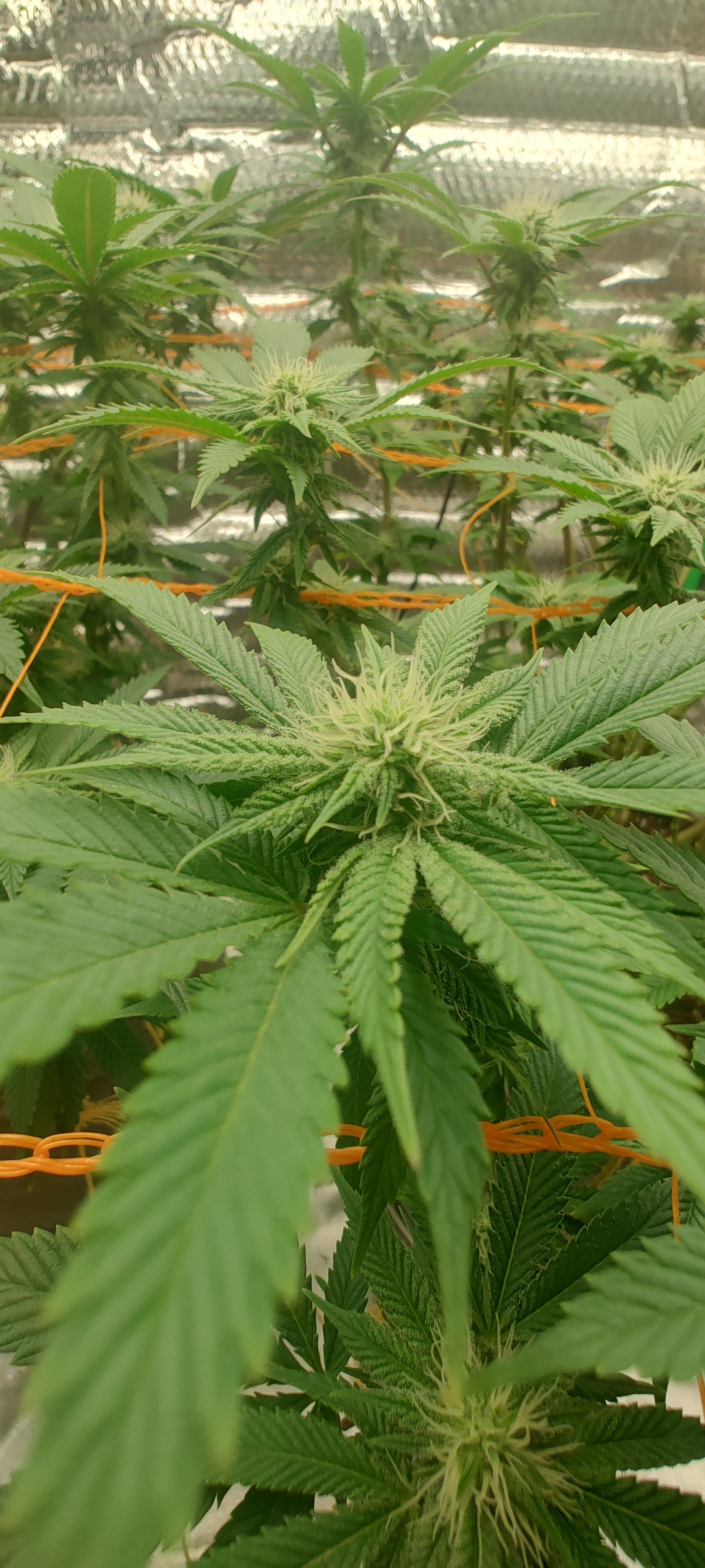
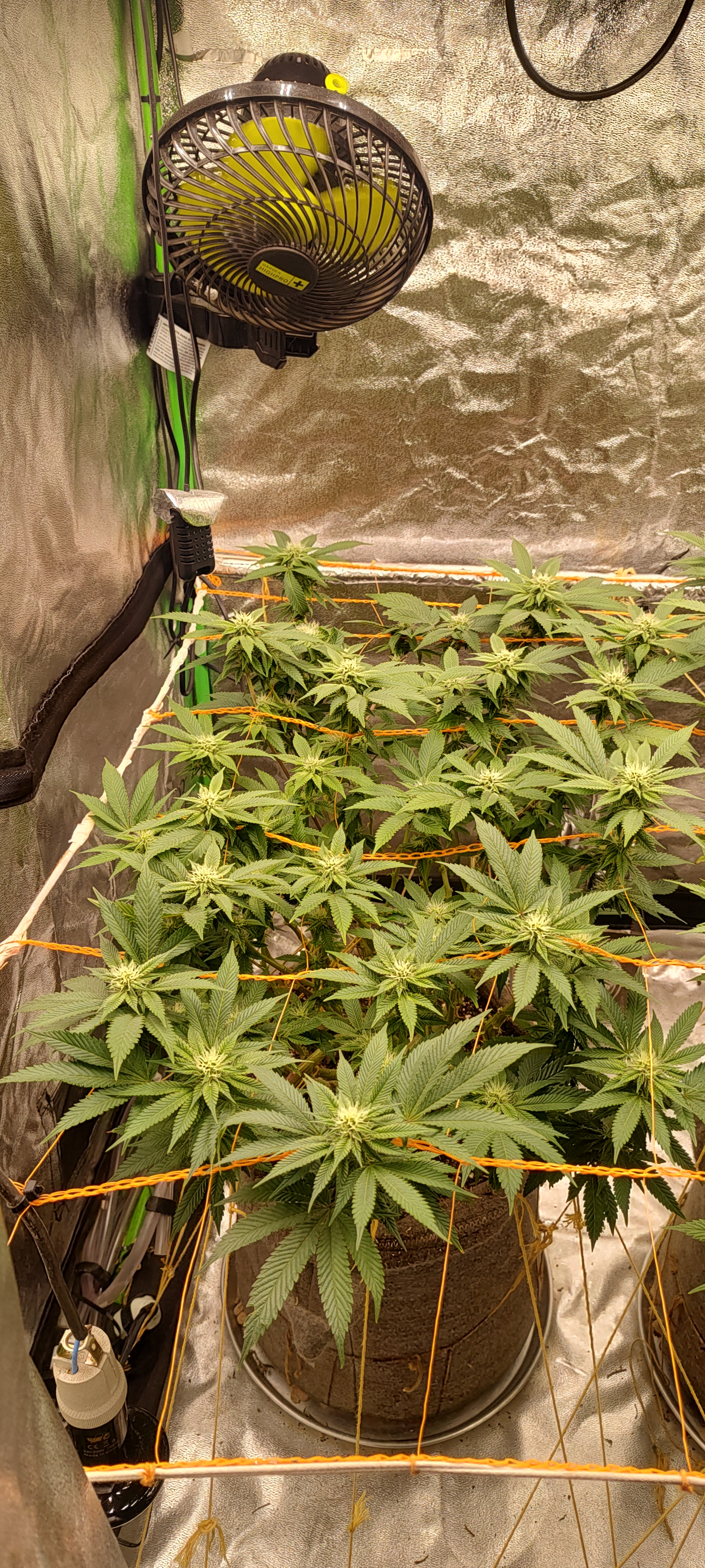
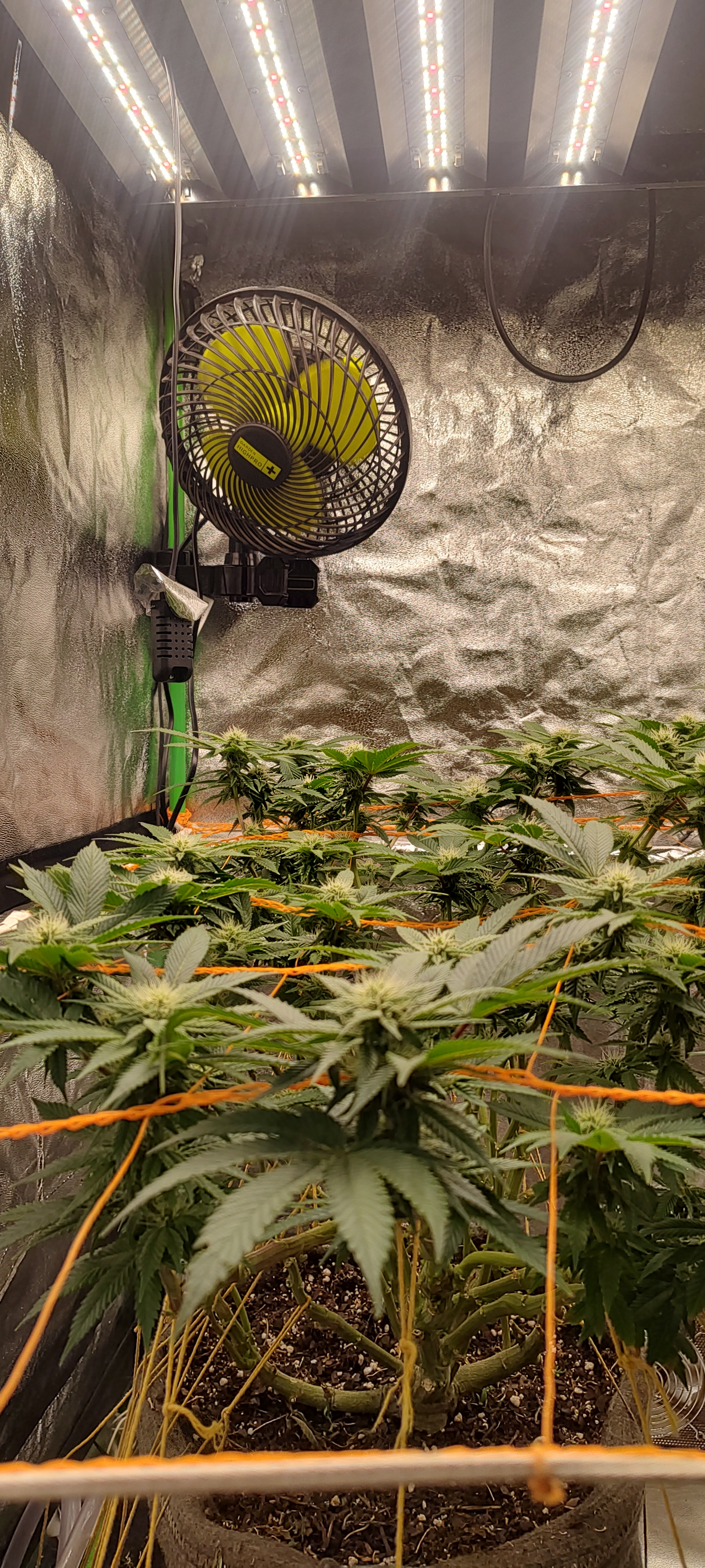
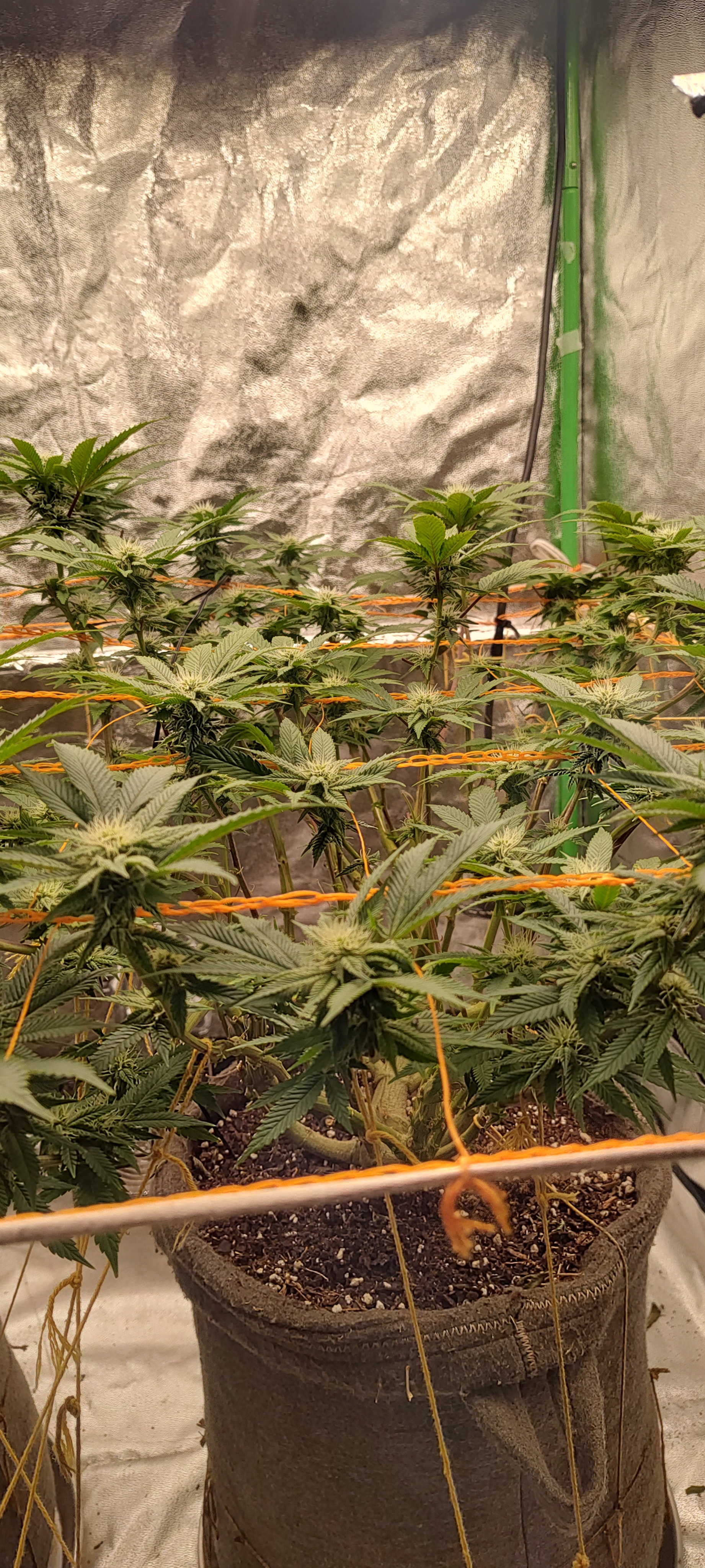
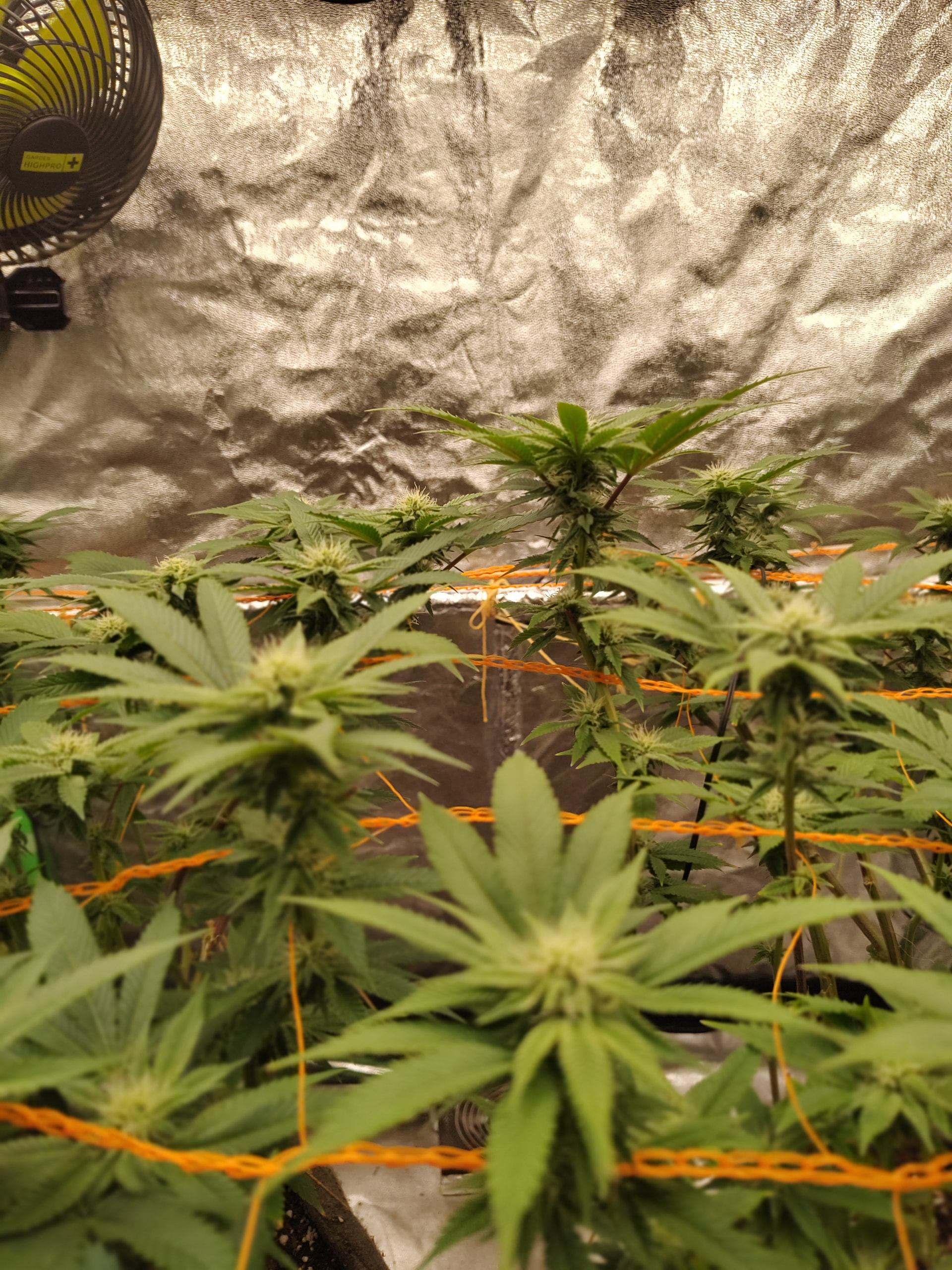
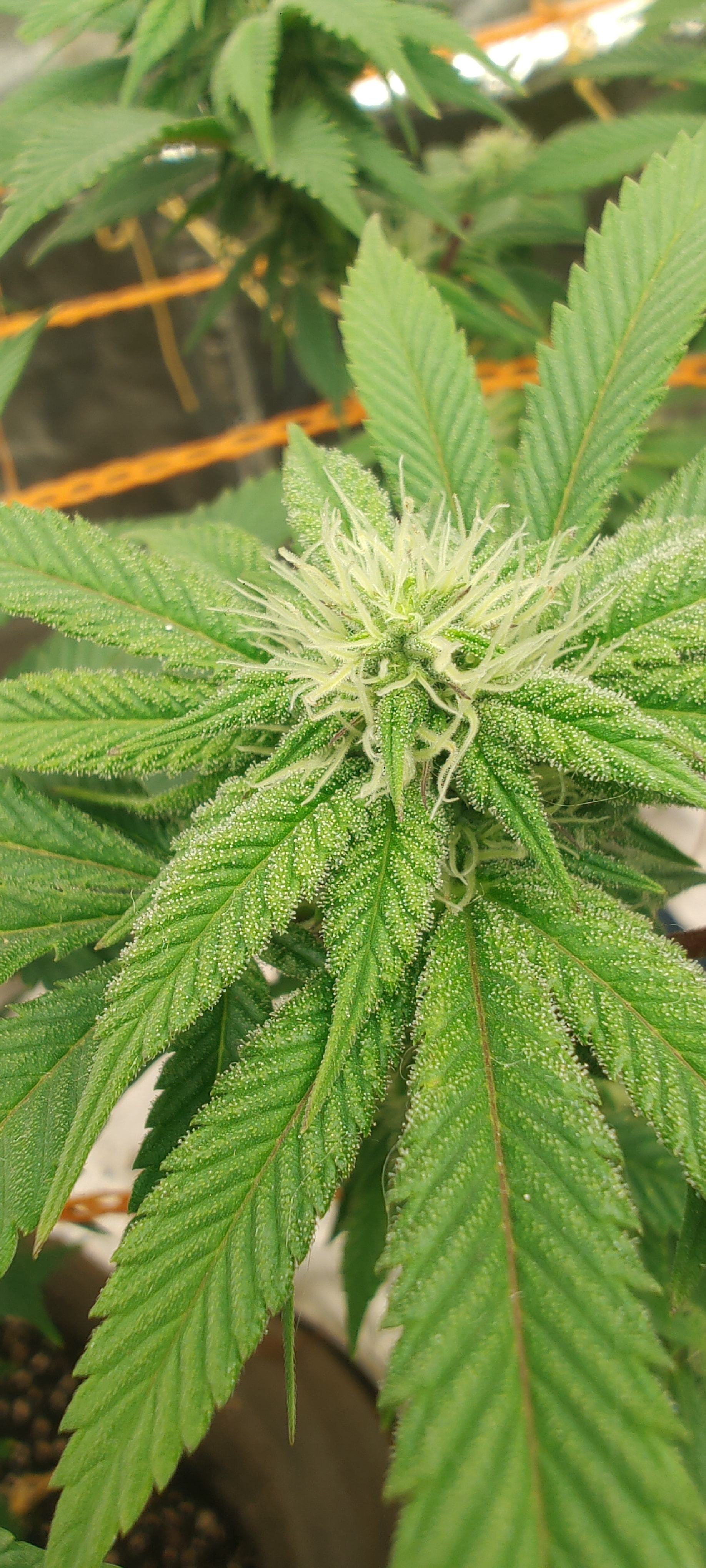
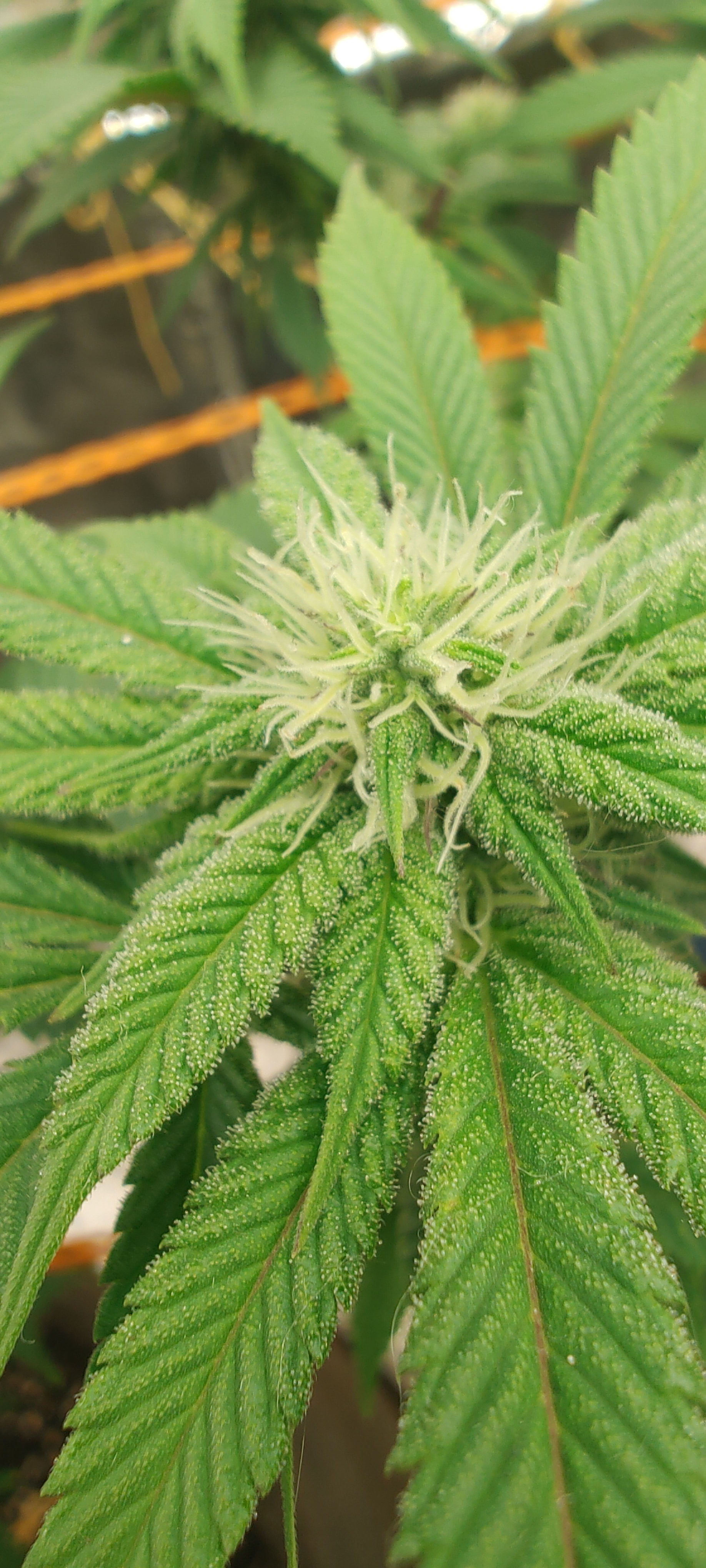
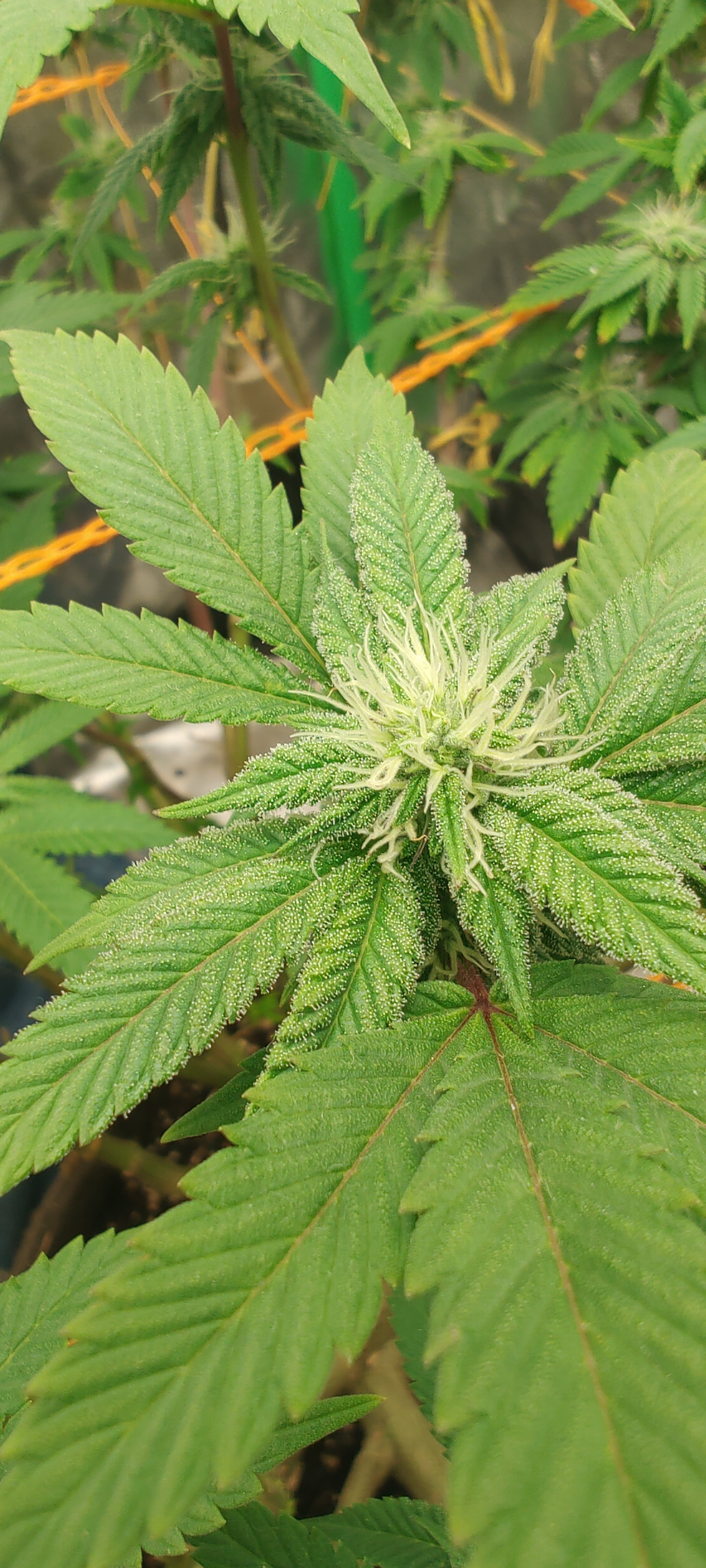
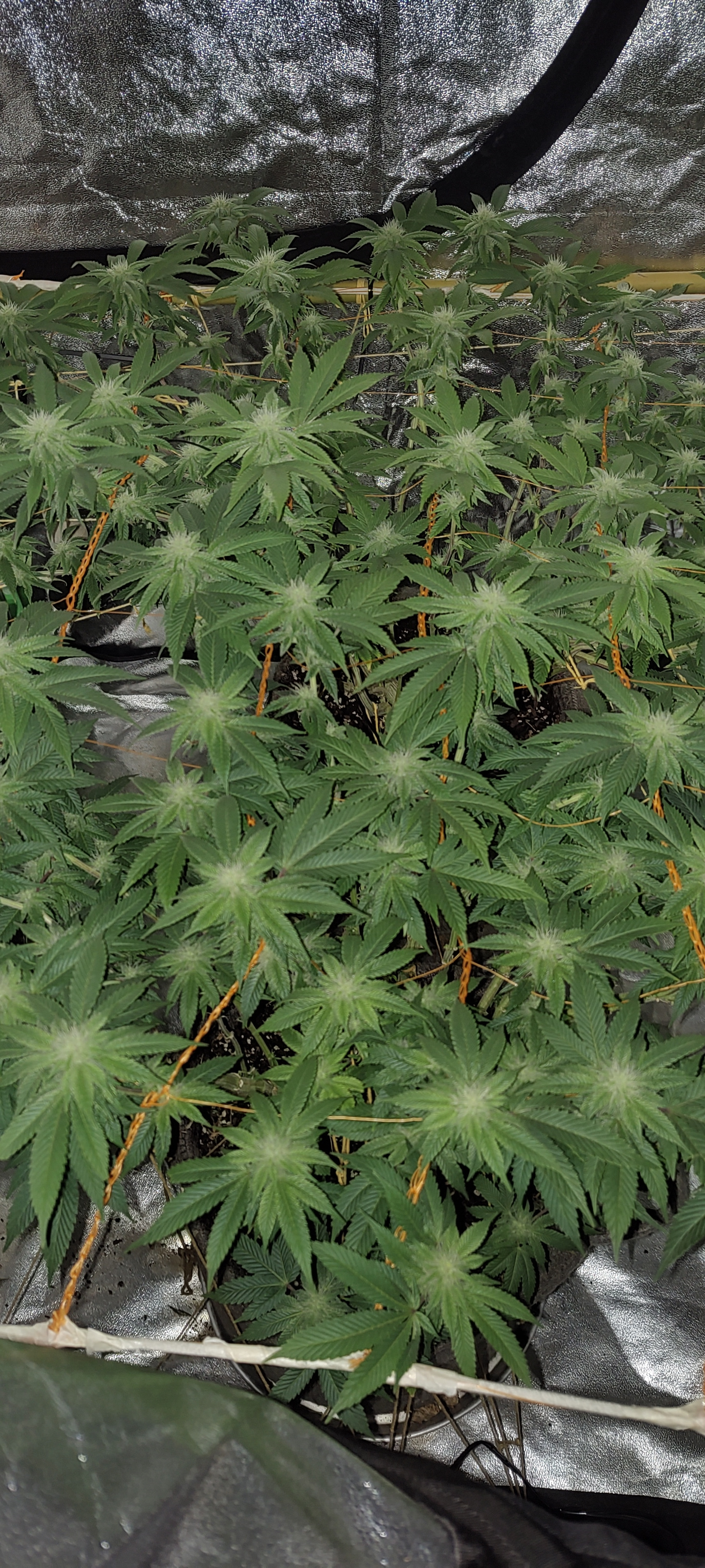
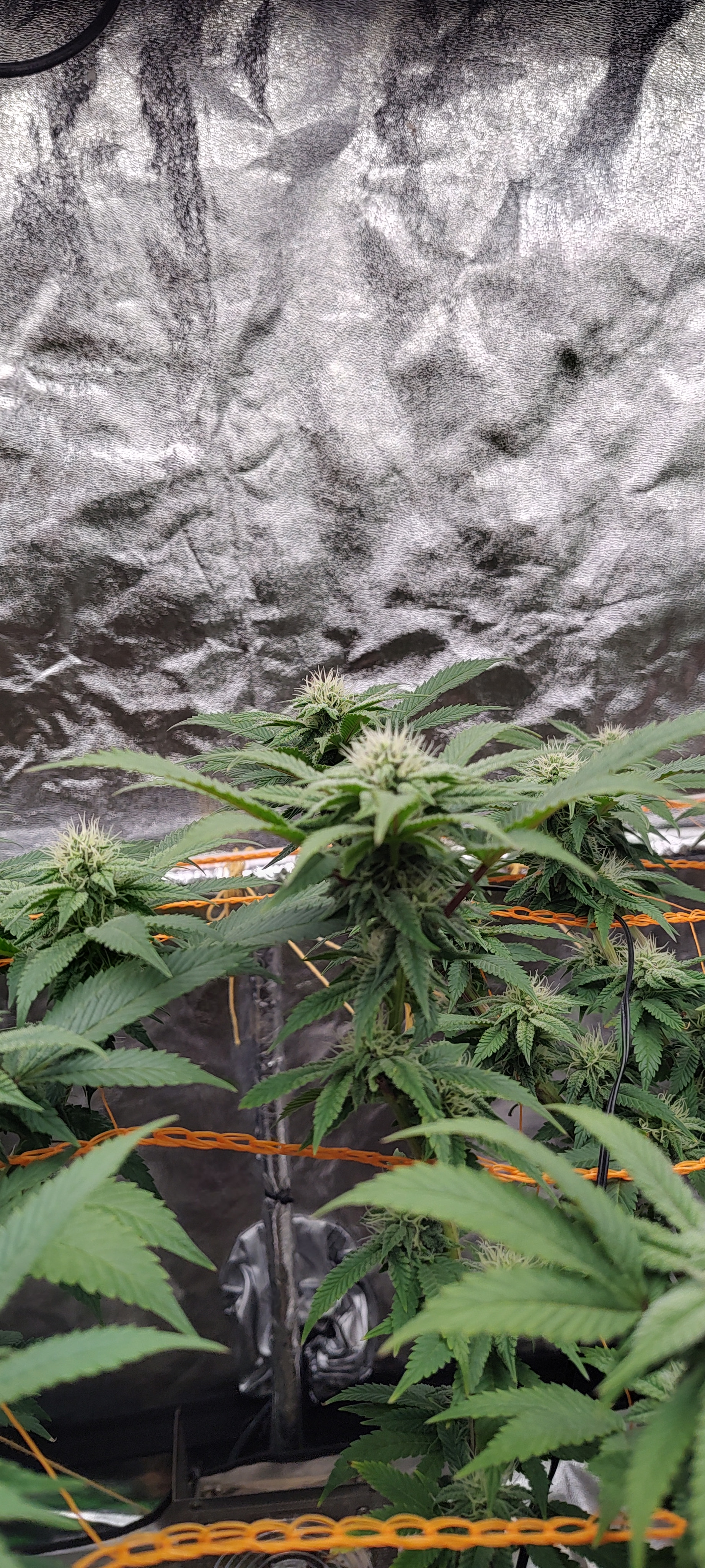
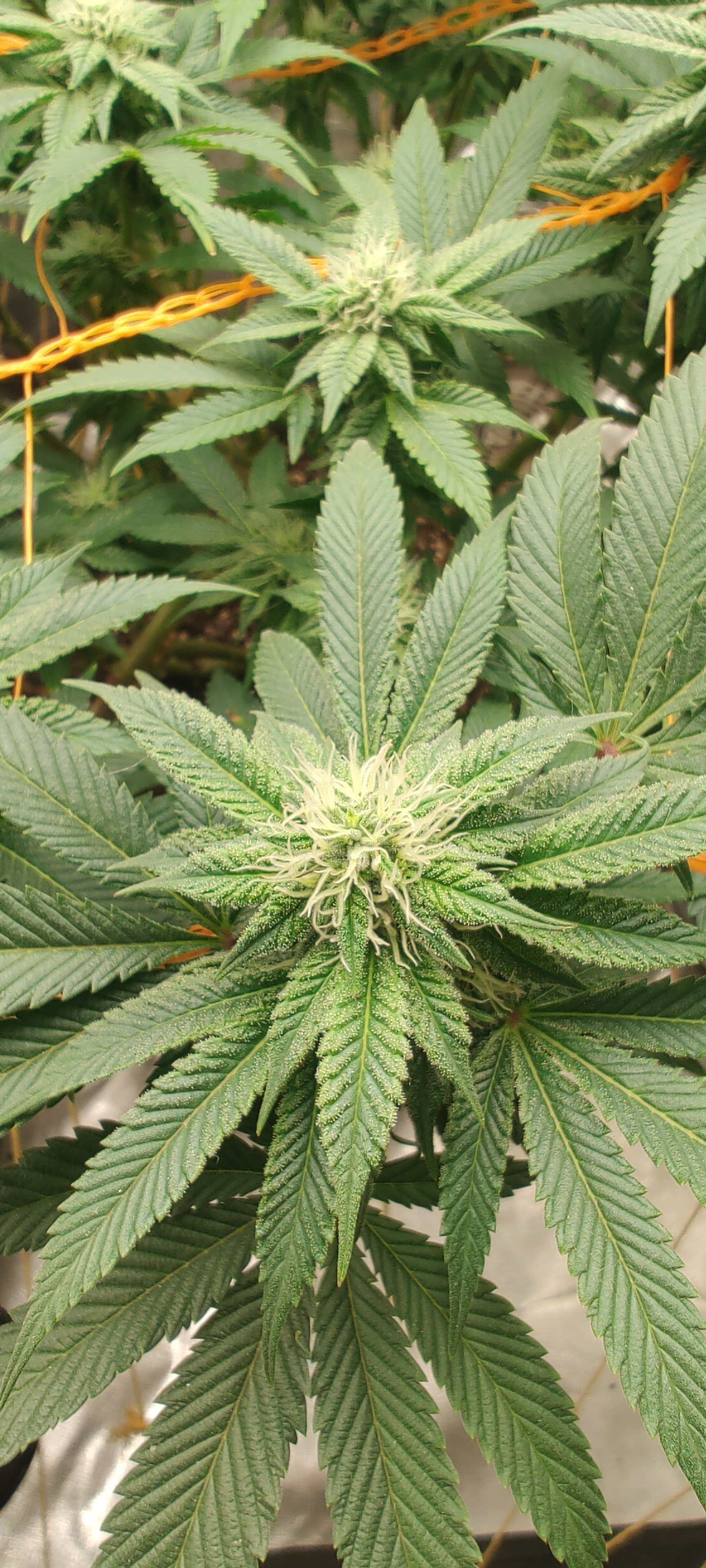
#34
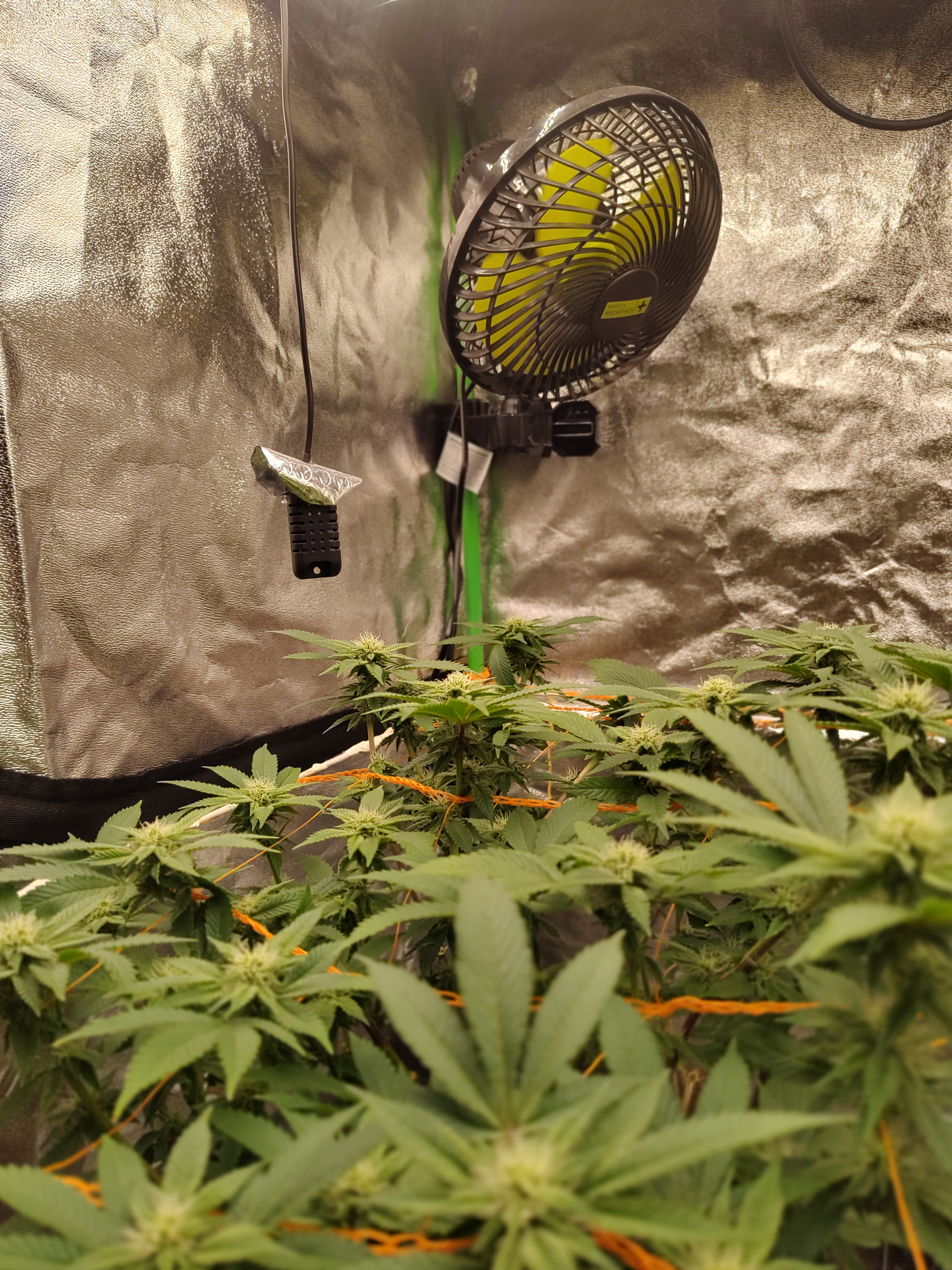
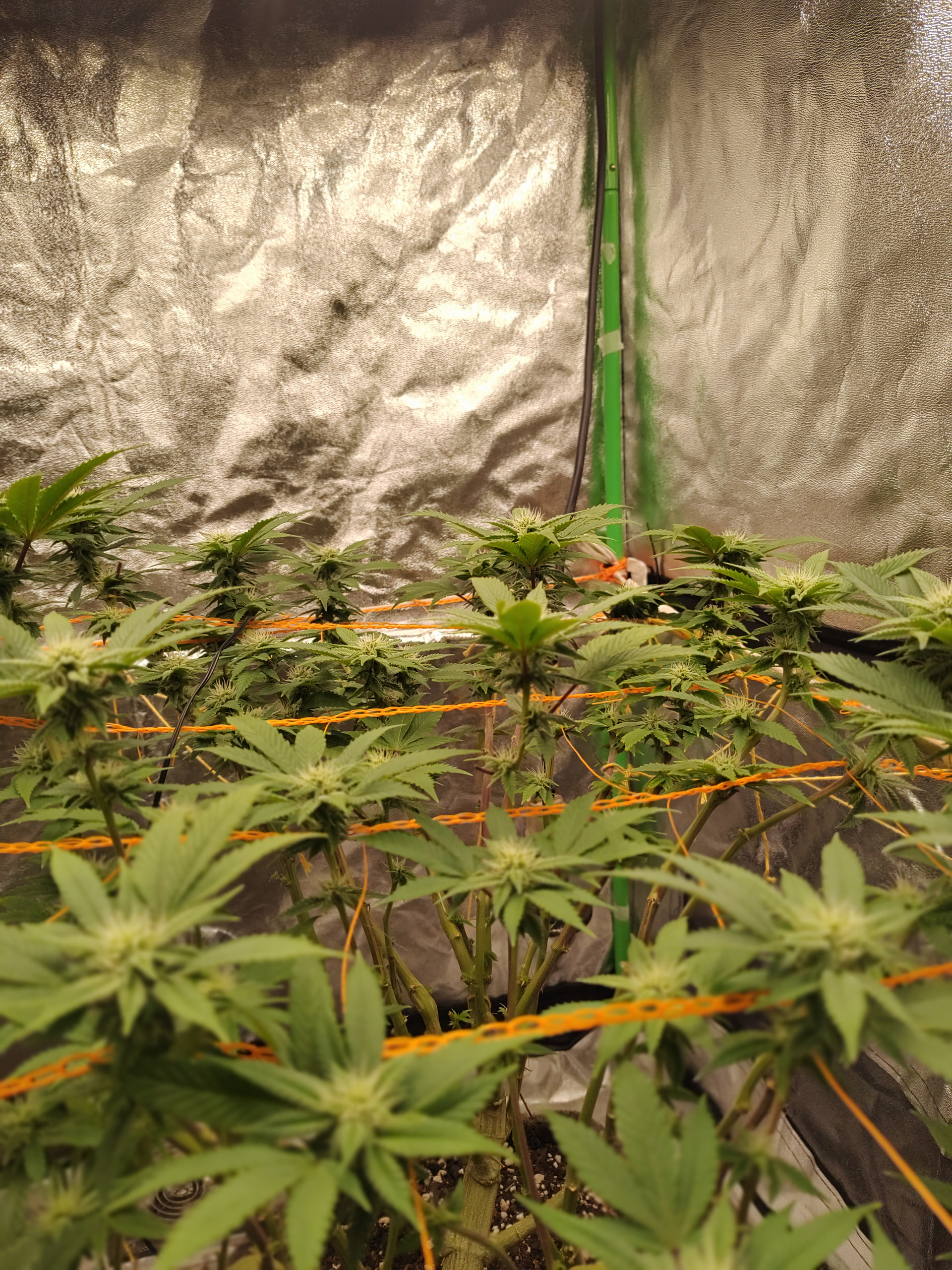
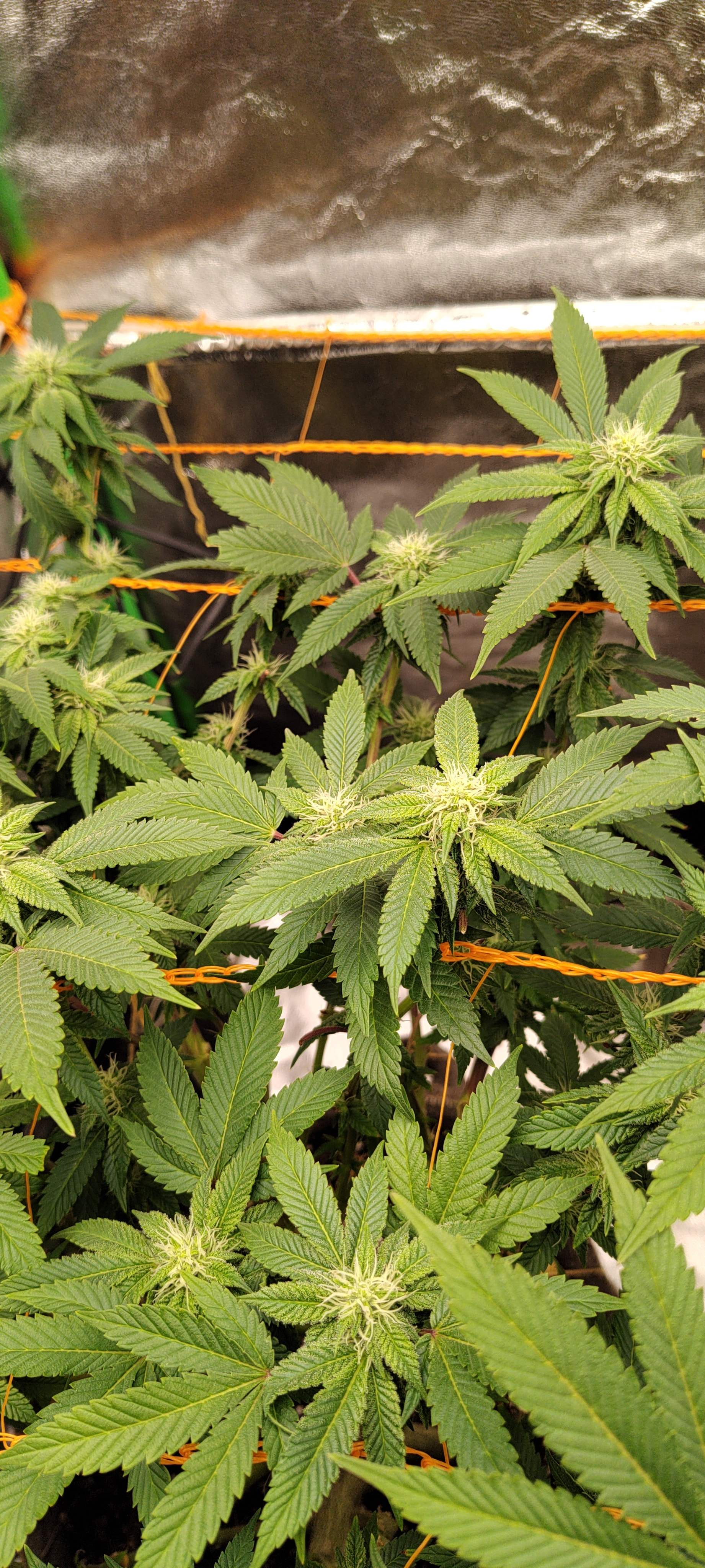
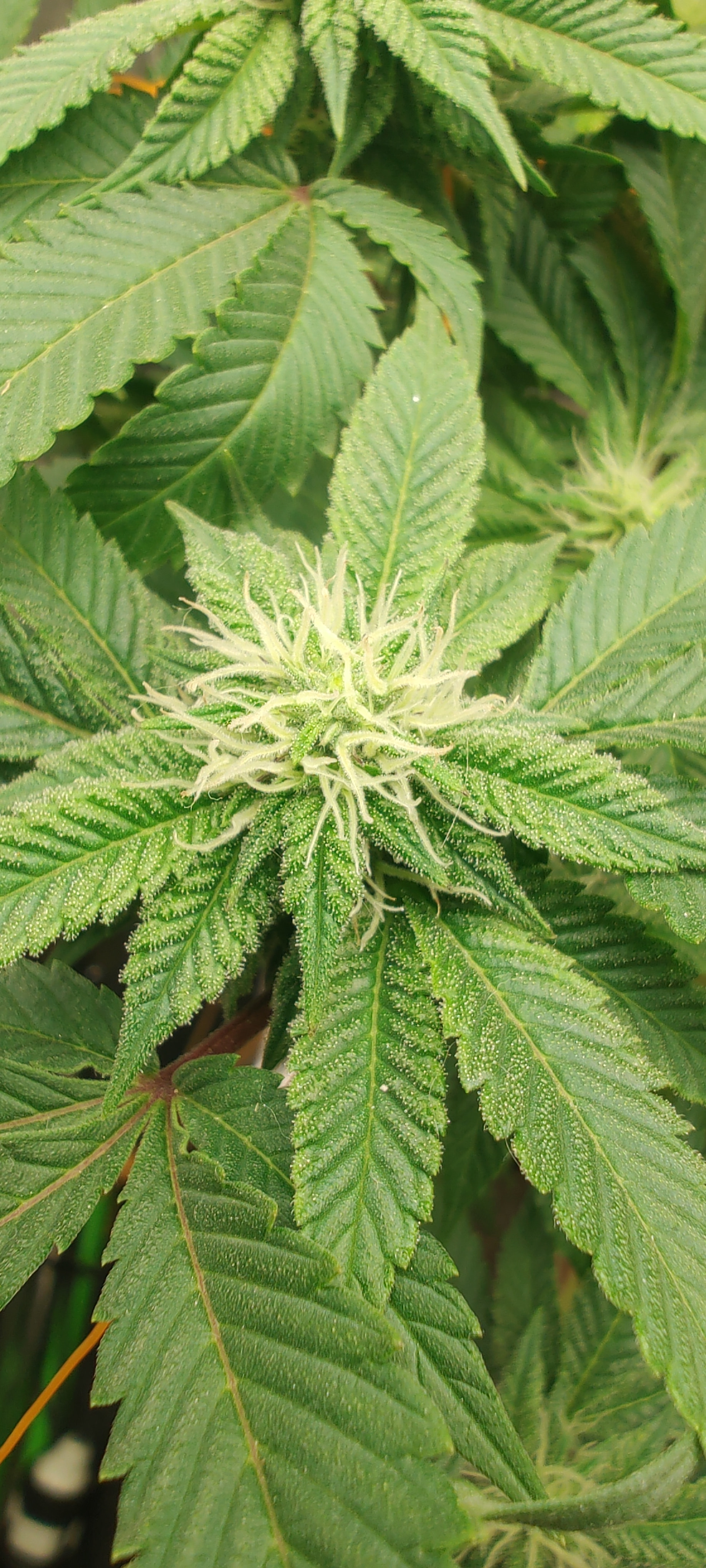
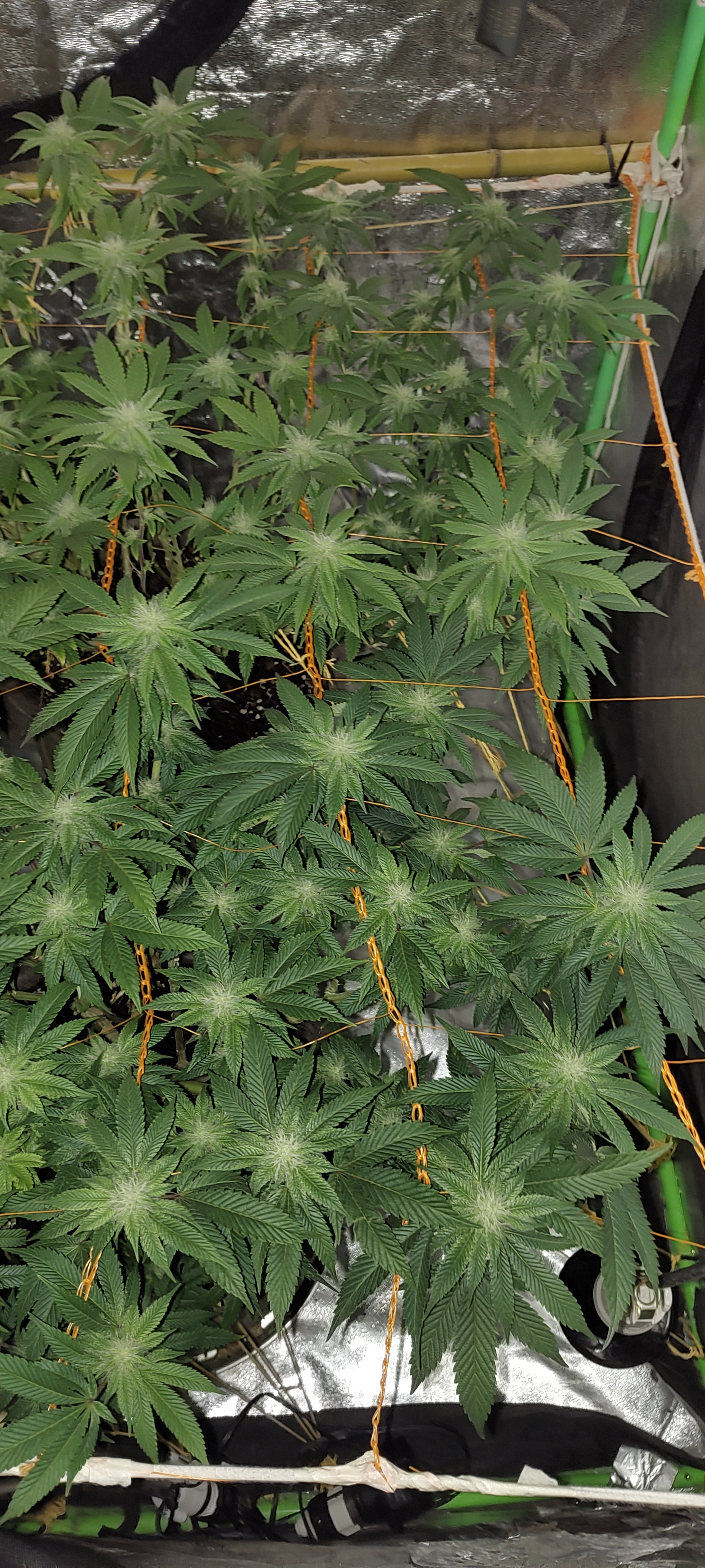
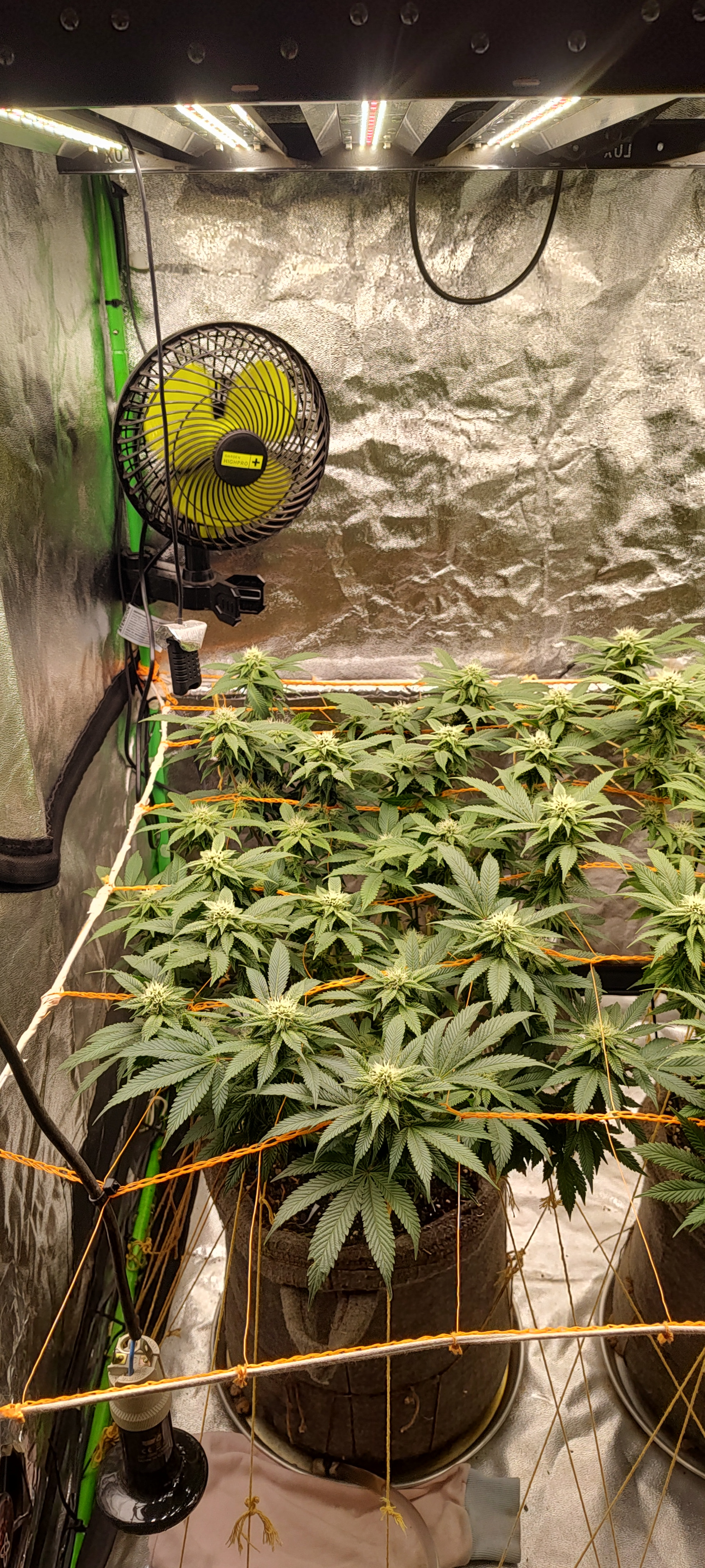
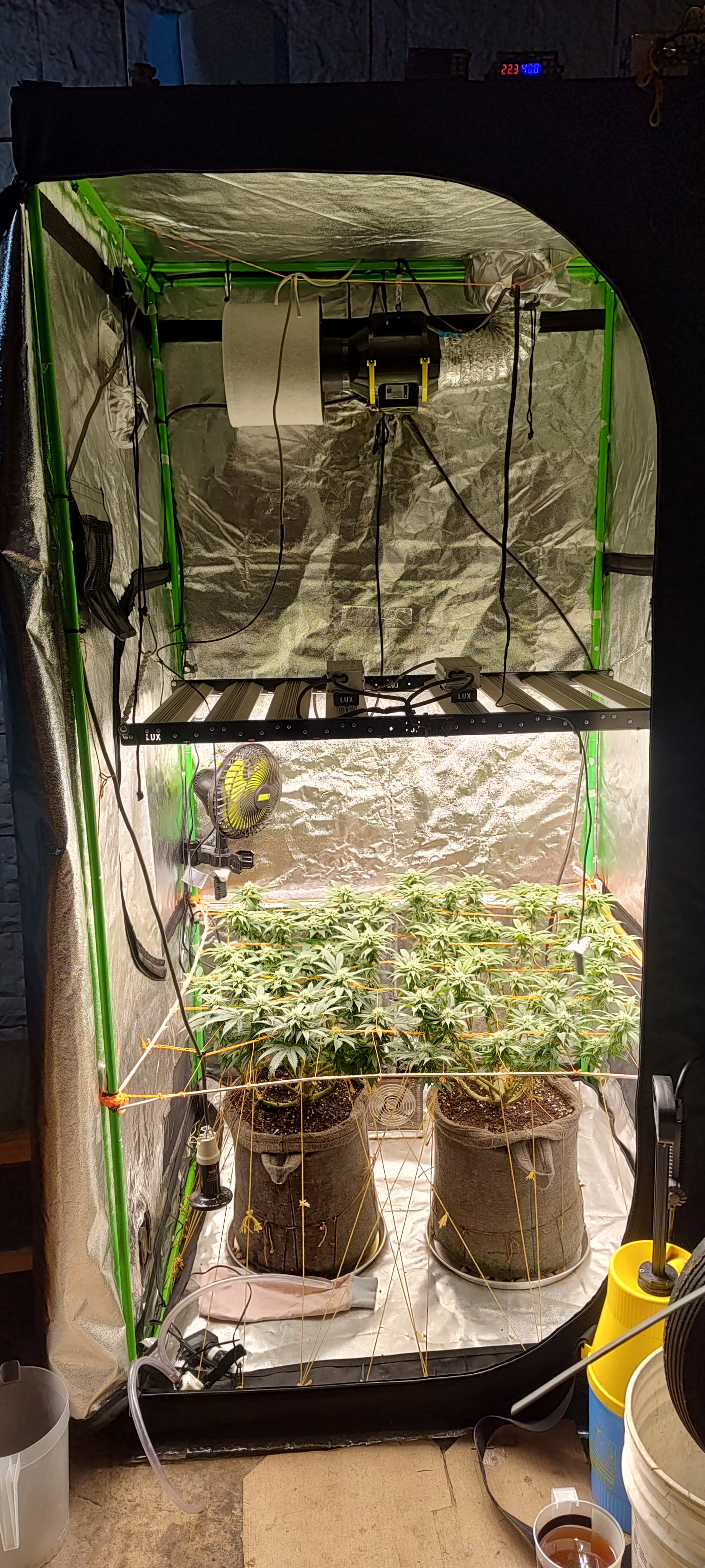
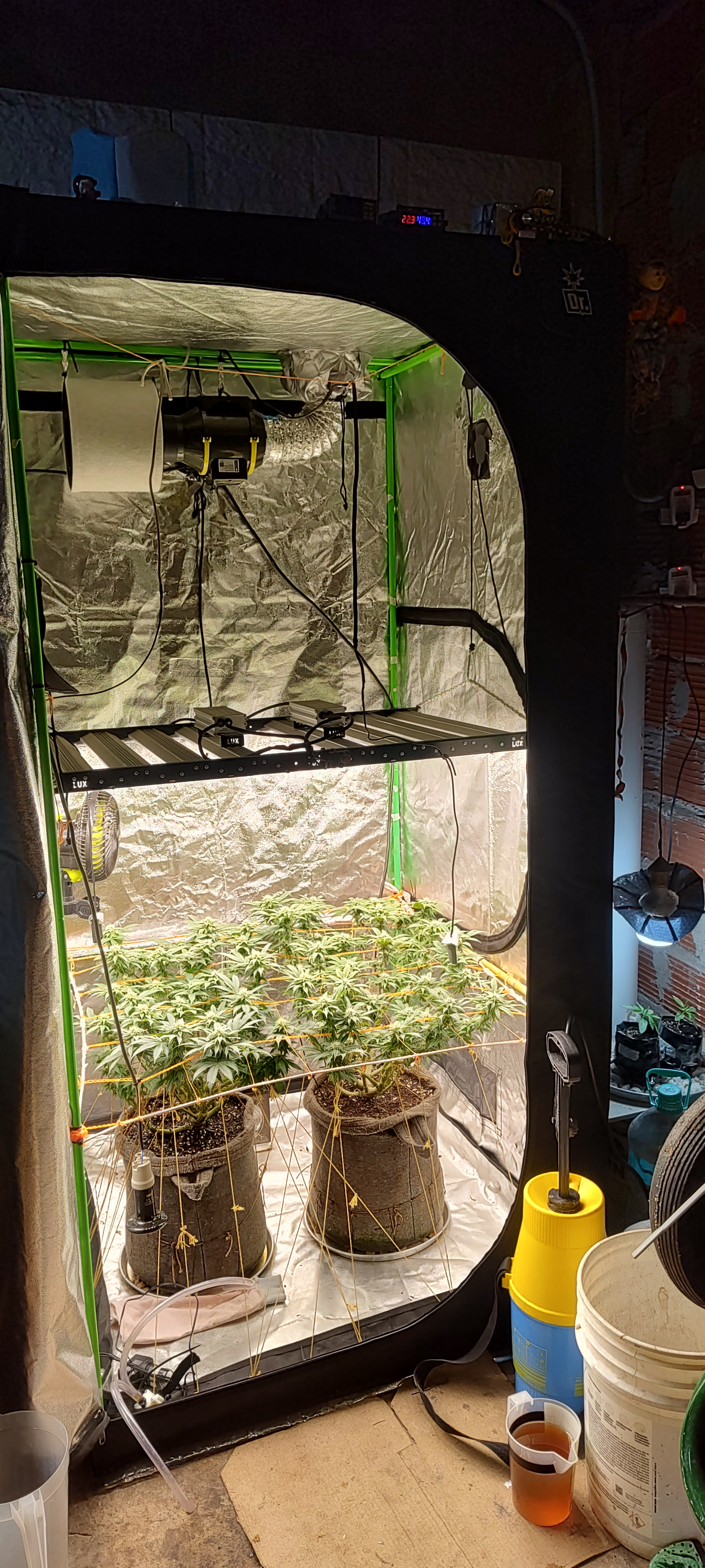
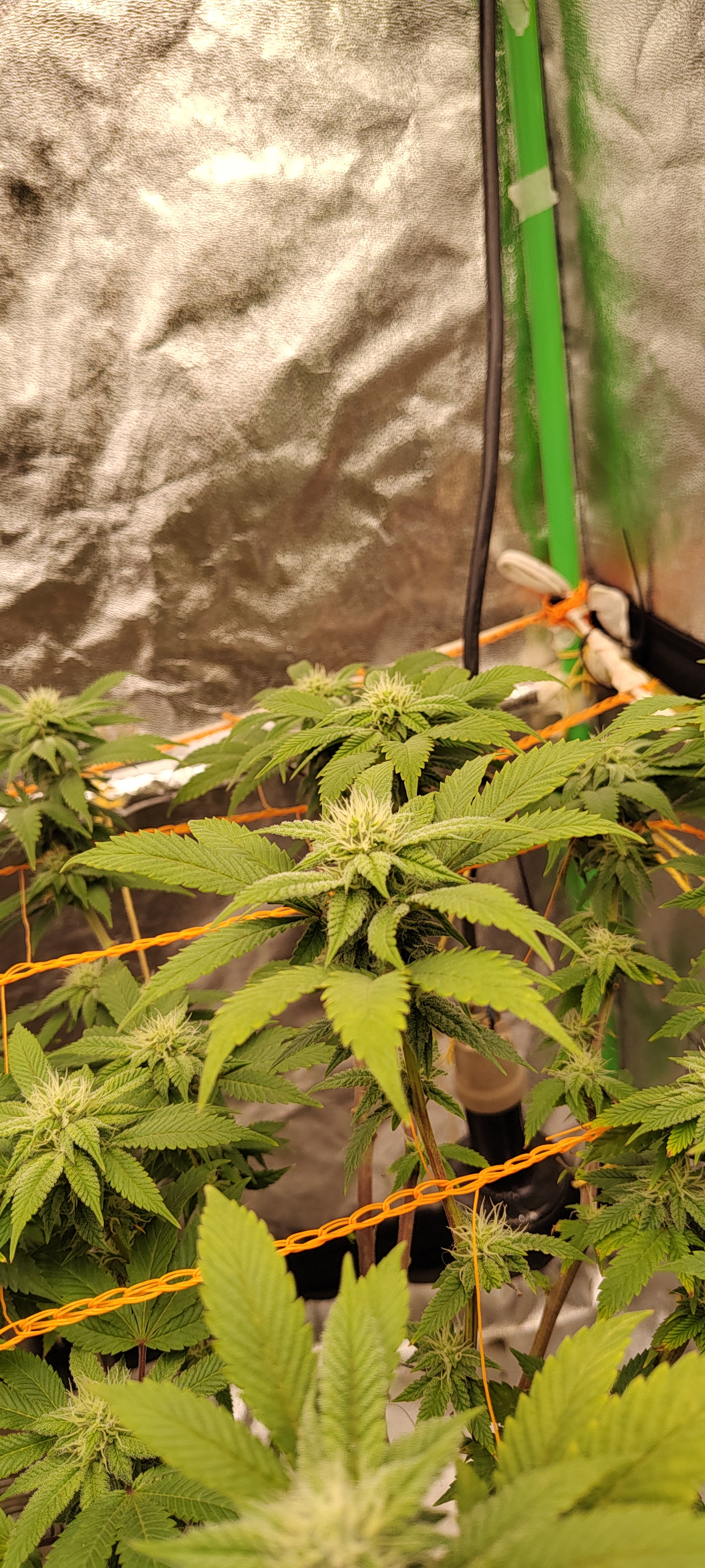
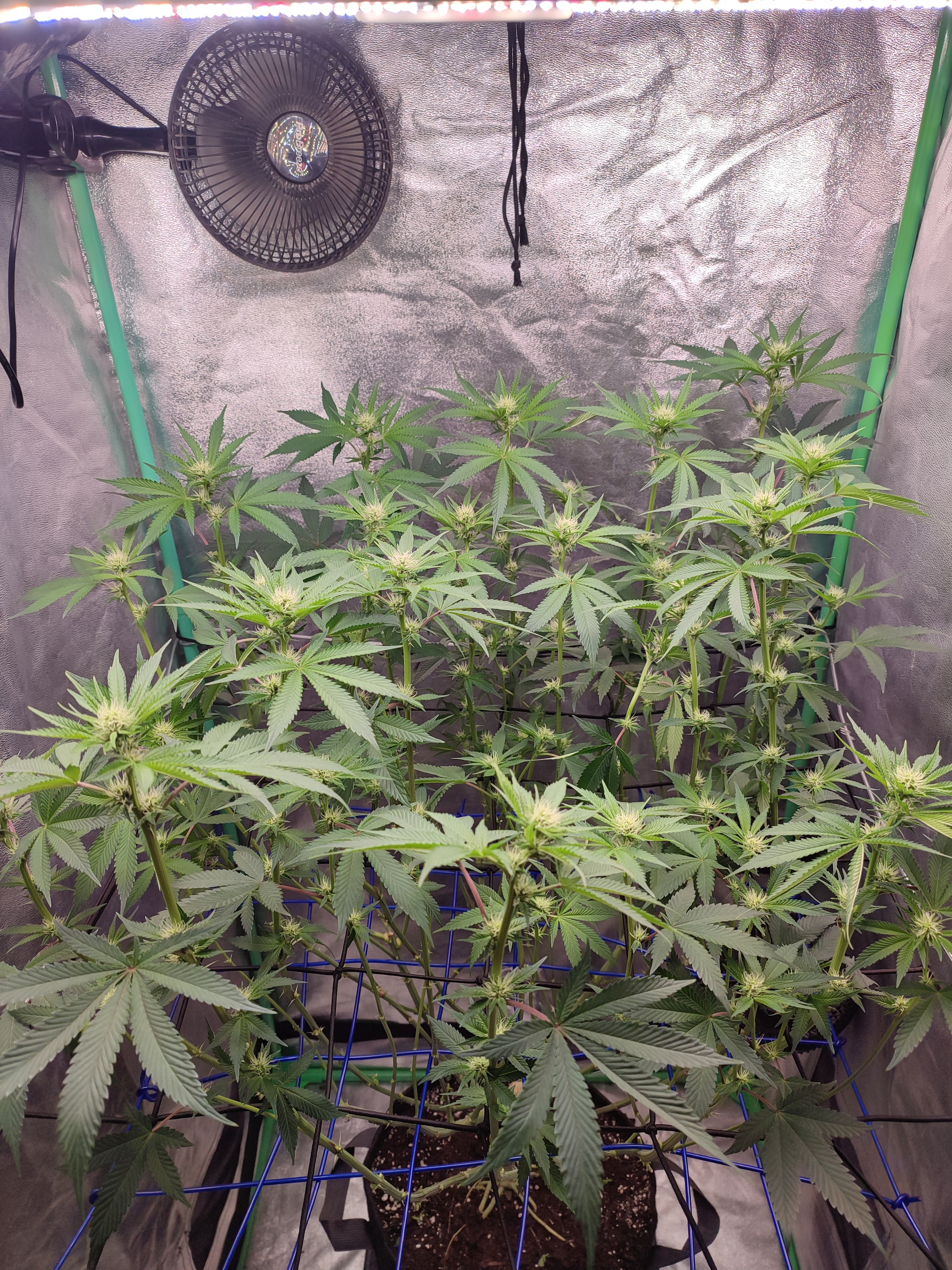
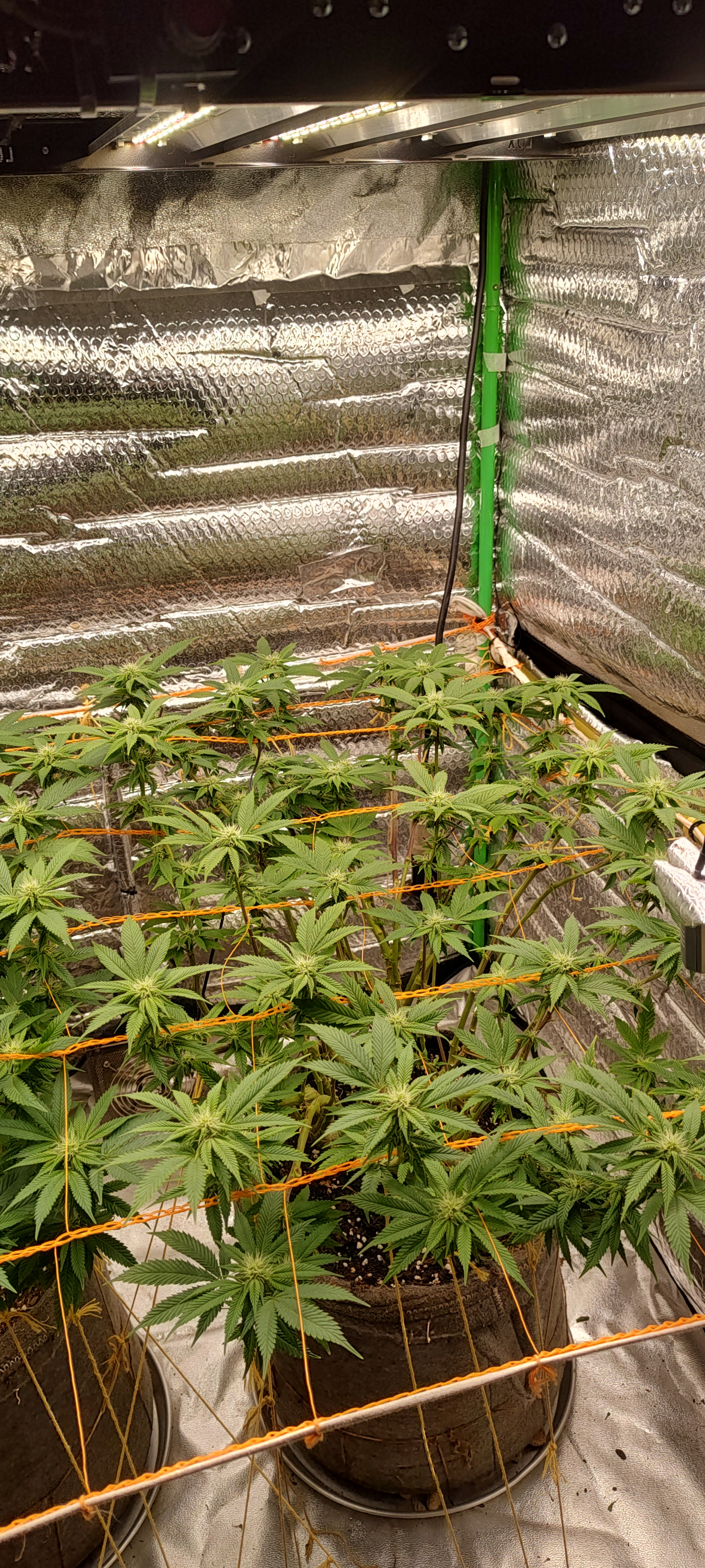
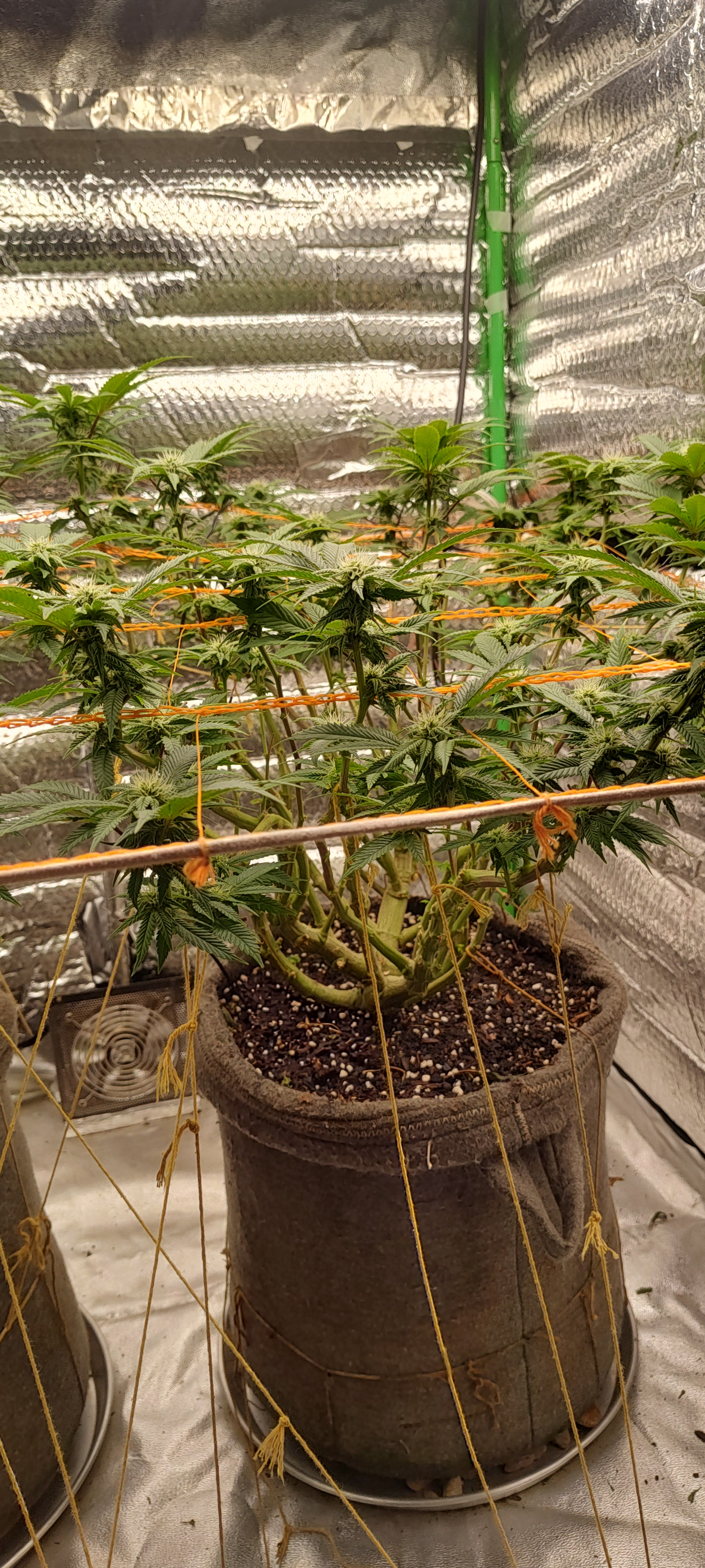
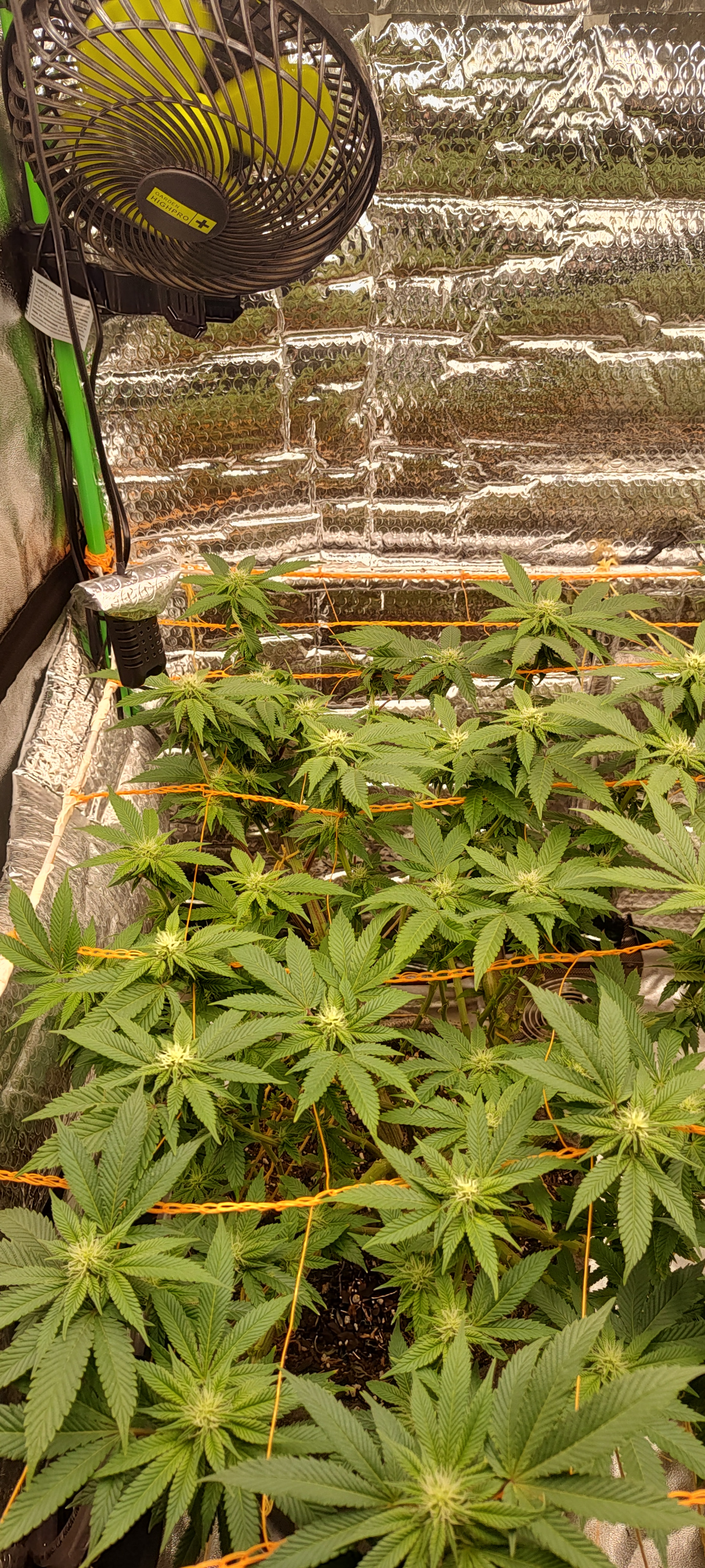
#34Conclusions so far I leave as a reminder or help !!! about my experience at this point …I clarify this is my first grow.
Summary of Cultivation Criteria: Water Management, Salts, and Run-Off Measurement
1. The Problem with Rigid Feeding Charts
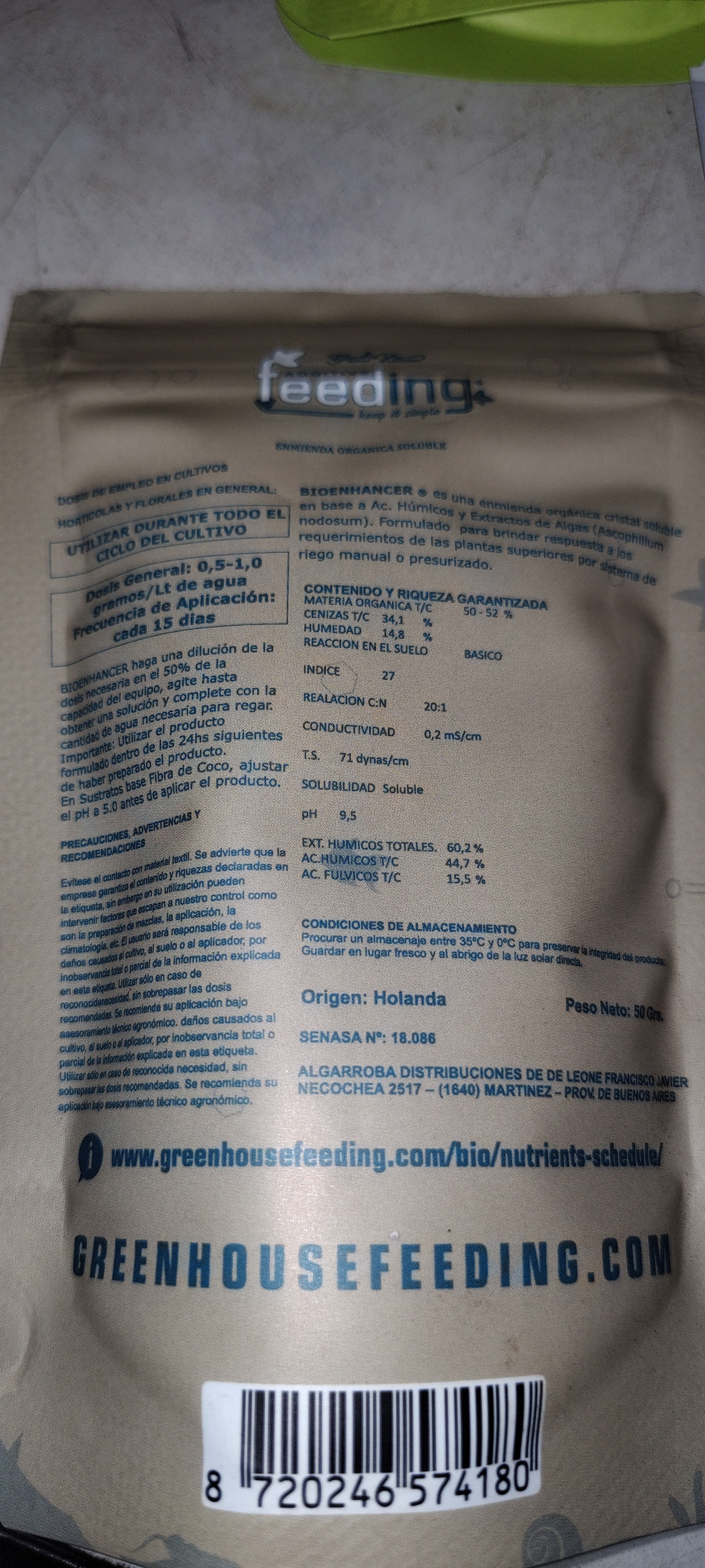
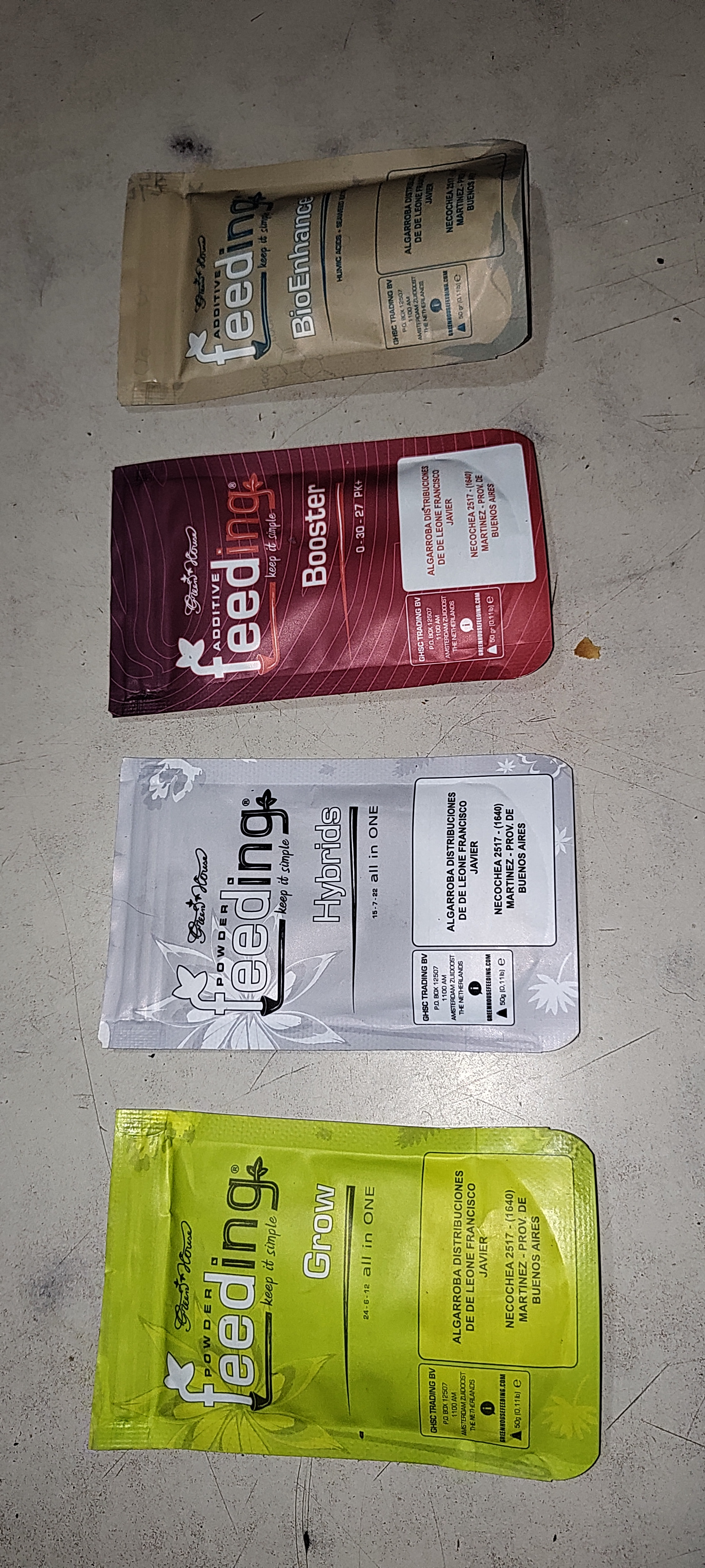
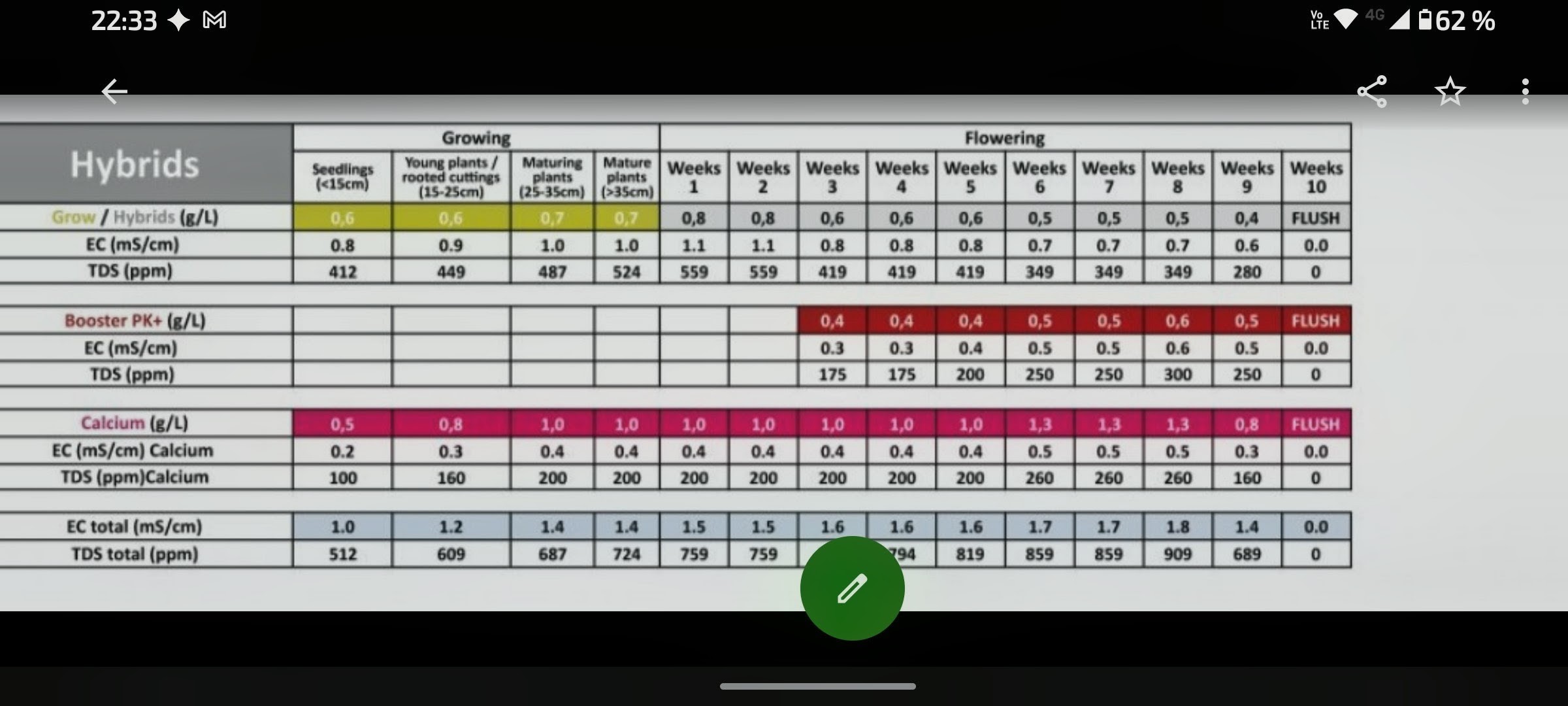
- Manufacturer’s inflexibility: Blindly following fixed weekly fertilizer doses (like the Green House Feeding chart) ignores the reality of the actual environment (temperature, radiation, humidity, and transpiration).
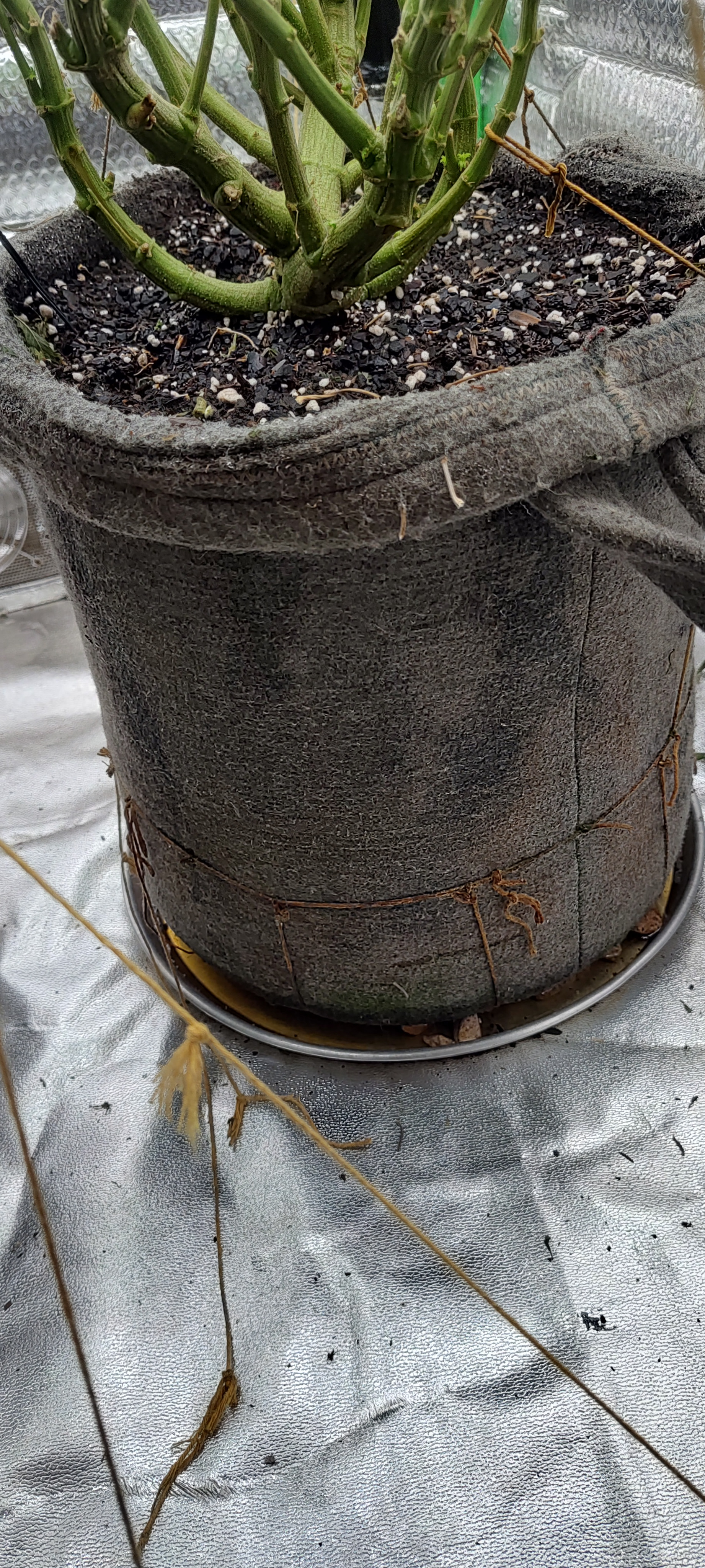
- Accumulation and saturation: The constant input of nutrients without checking the plant’s response creates a progressive buildup of salts in the substrate. This triggers a nutrient lockout or root damage due to osmotic stress.
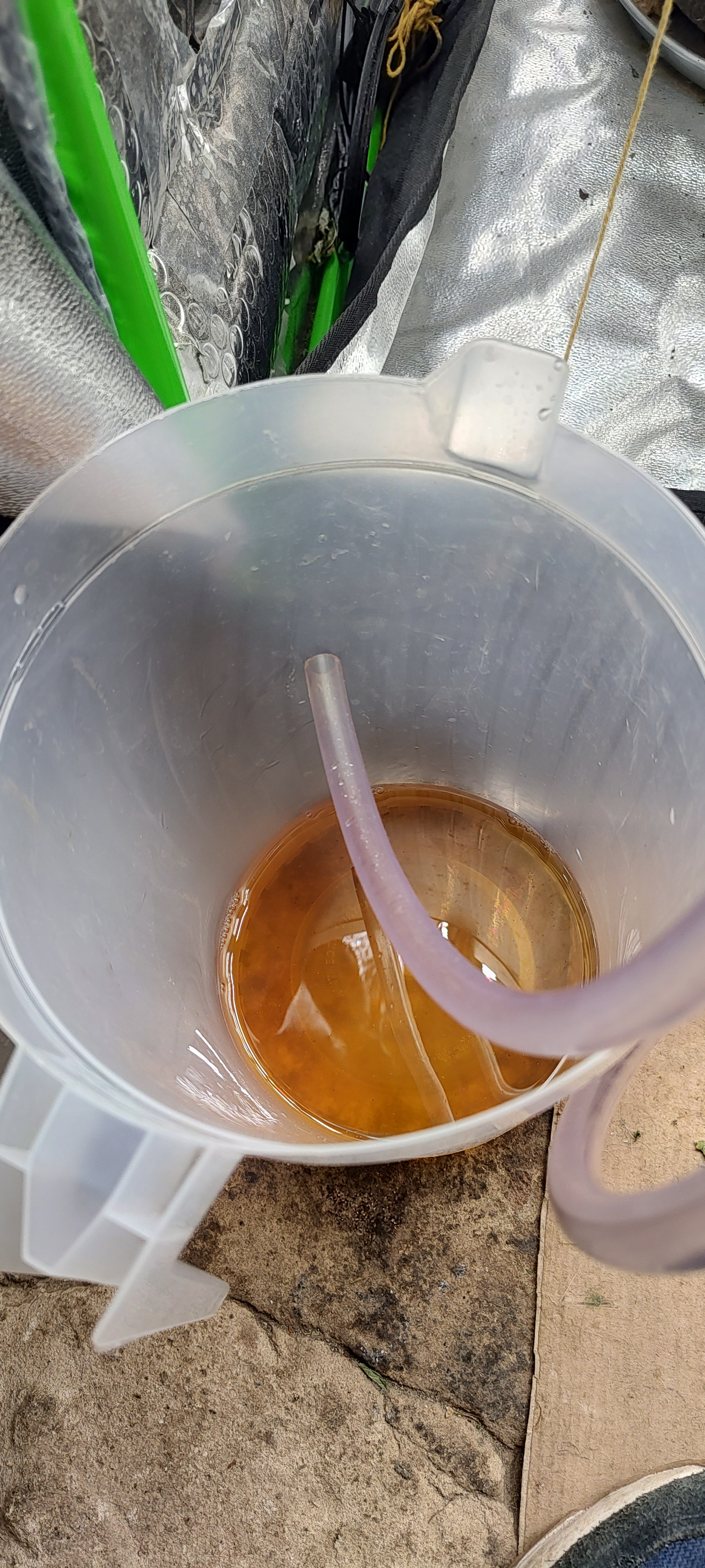
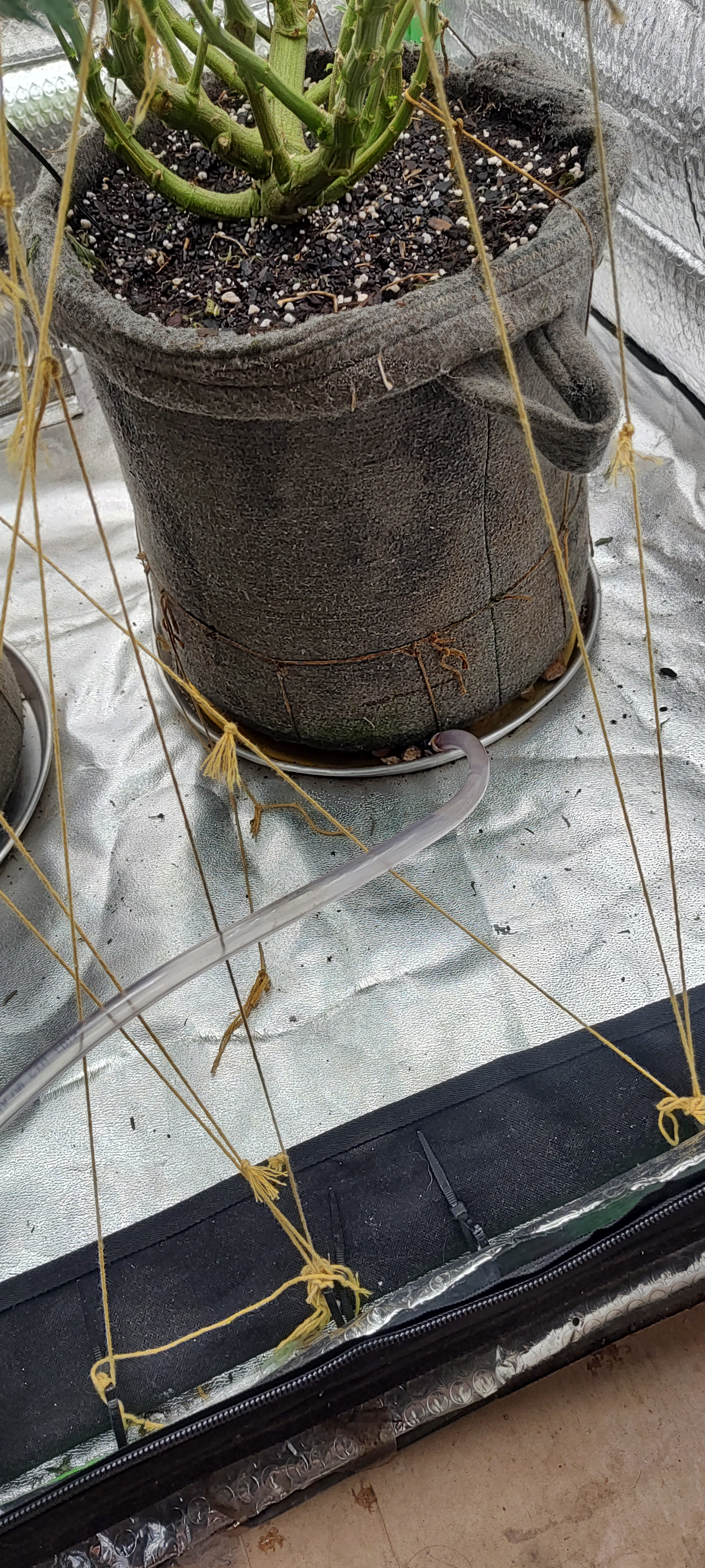
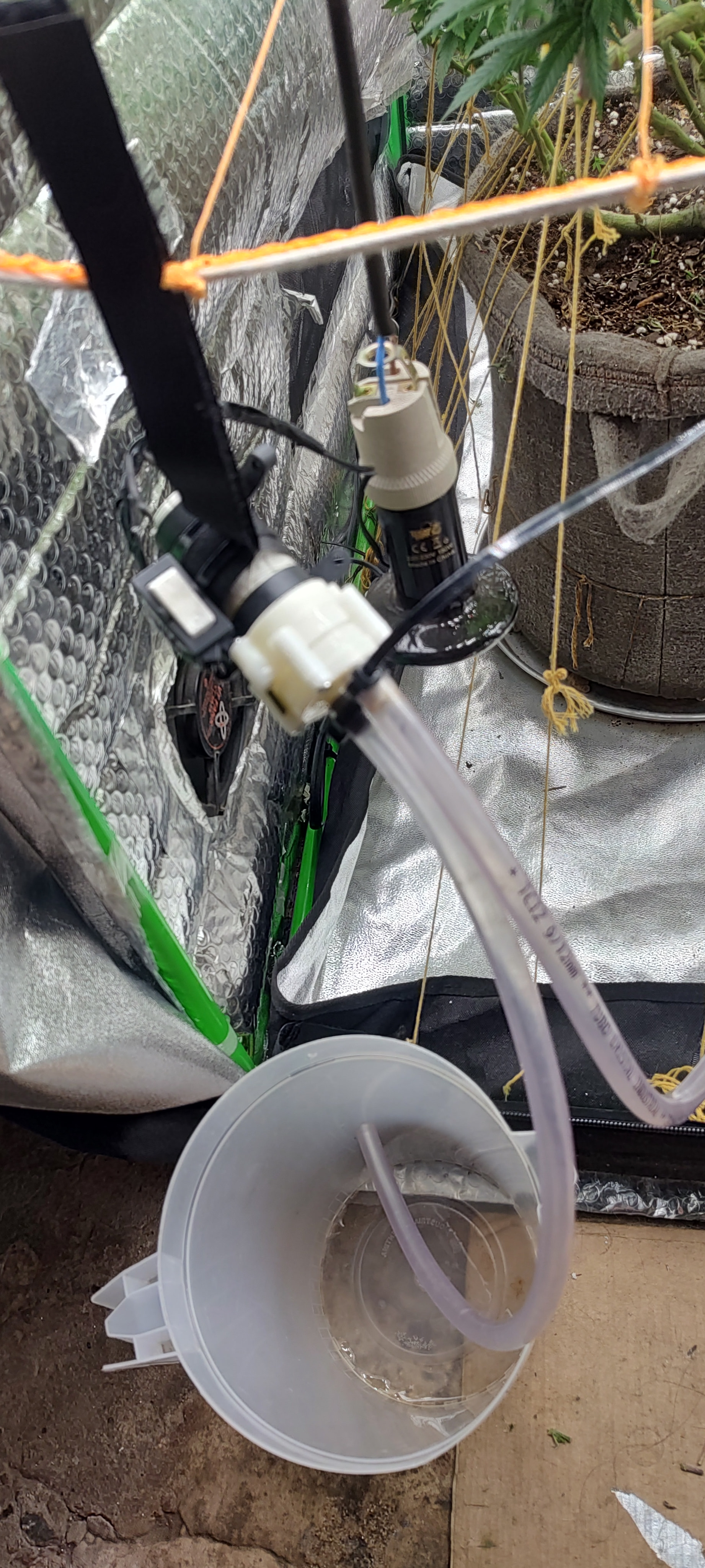
2. The Real Importance: Output (Run-Off) vs. Input Measurements
- Input is just a reference: What is fed to the pot does not reflect what the plant is consuming or the actual state of the root zone.
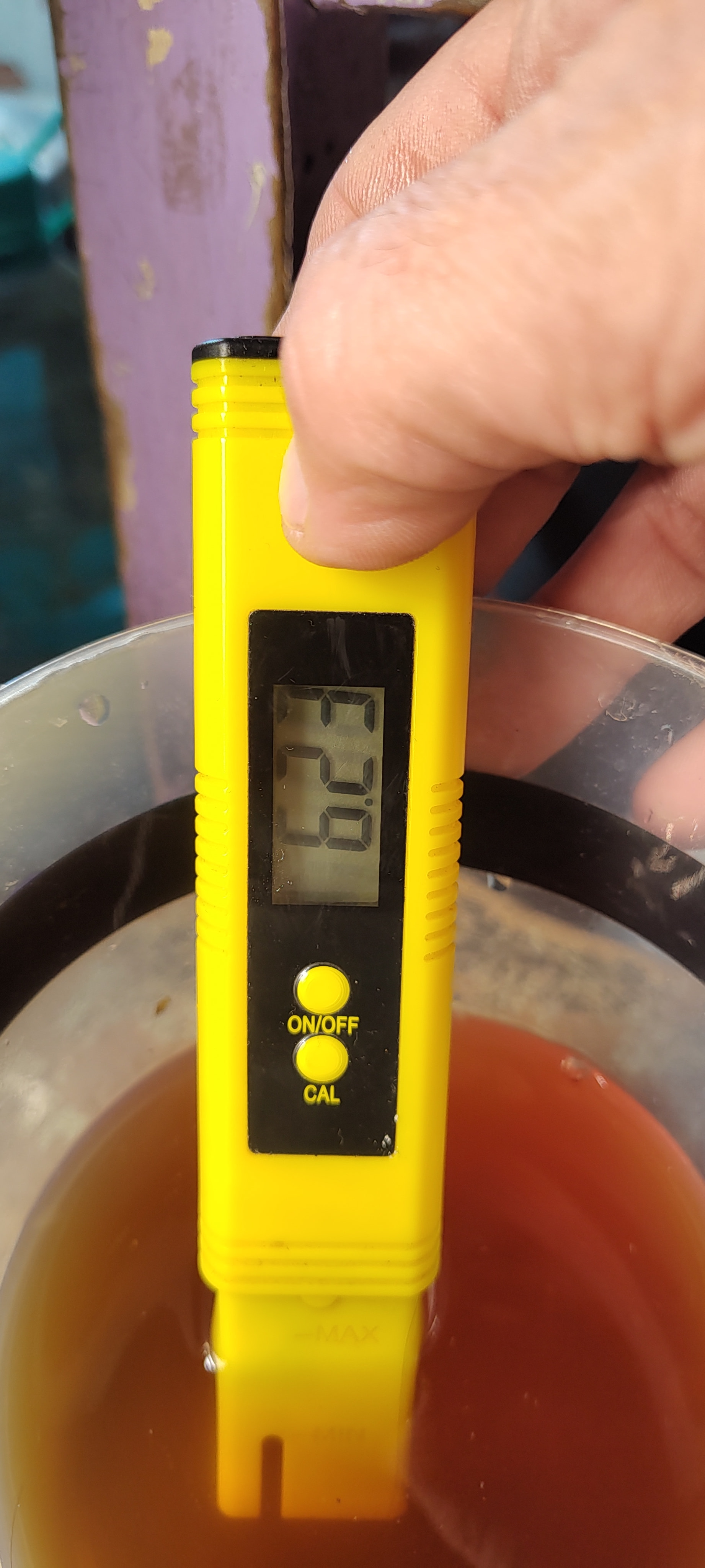
- Run-off as a true diagnosis:
- Output EC higher than Input EC: Signal of saturation and salt accumulation in the substrate. Indicates that it is necessary to alternate with plain water waterings or dose reductions to flush the medium and restore balance.
- Output EC lower than Input EC: The plant is demanding and assimilating more food than is available in the substrate, allowing you to maintain or adjust the nutrient load.
- pH Monitoring: An off-target pH in the runoff warns of variations in the medium’s acidity that lock out the absorption of key elements, regardless of the administered dose.
3. Watering Management and Root Health
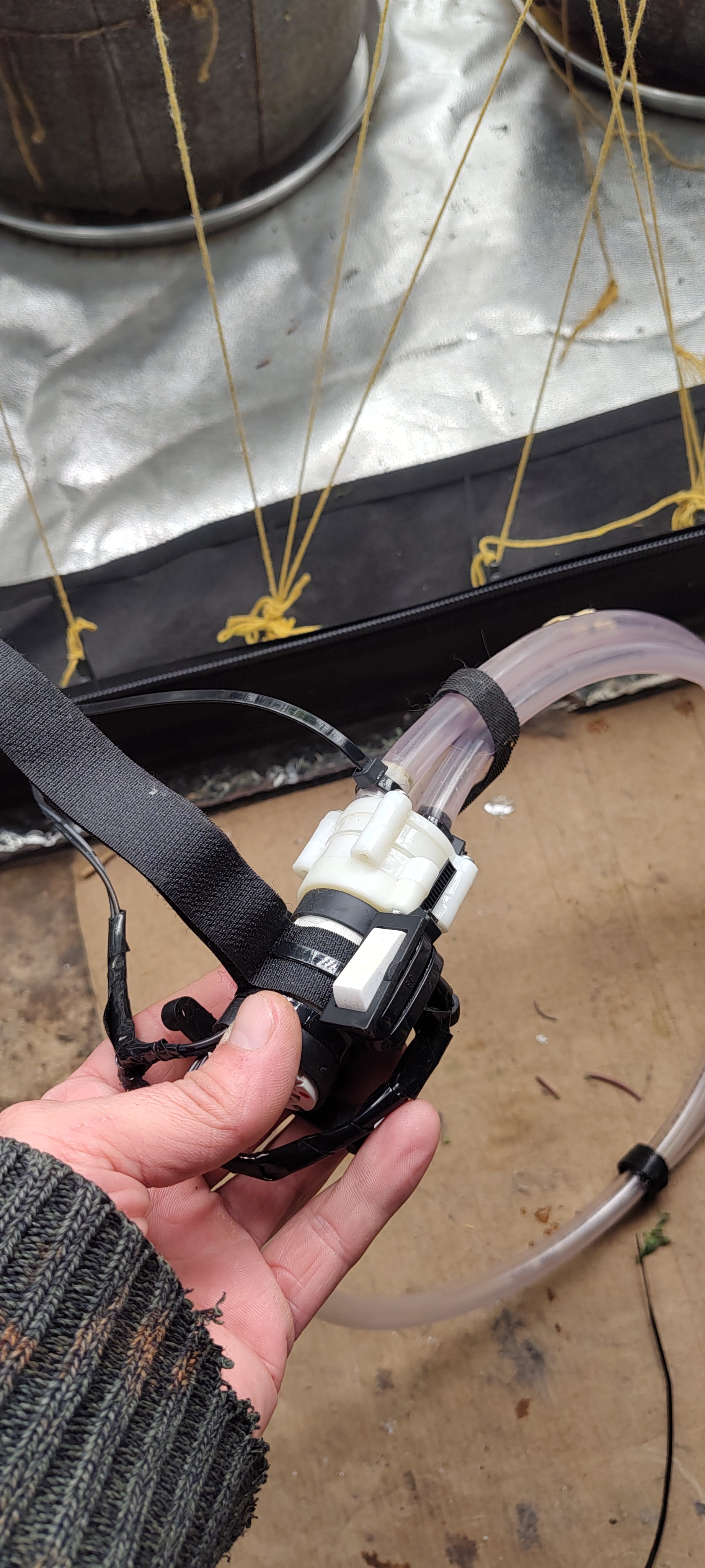
- Slow watering and even distribution: Fast watering creates preferential channels where water directly escapes without wetting the entire root ball, leaving dry areas with high salt concentration. Slow watering guarantees uniform hydration of the entire root mass.
- Microbiology protection: Applications of beneficial agents (such as Trichoderma) depend directly on soil health; extreme EC spikes or constant water saturation significantly reduce their effectiveness.
- Adjustments by stage (Outdoor Flowering): During flowering, transpiration varies according to weather conditions. On hot days, plants absorb water at a faster rate than nutrients, which accelerates the risk of substrate salinization if runoff is not monitored.
4. Golden Rule for the Log
"You don’t fertilize the pot based on what the label says, you fertilize according to the response and output values provided by the substrate."
.
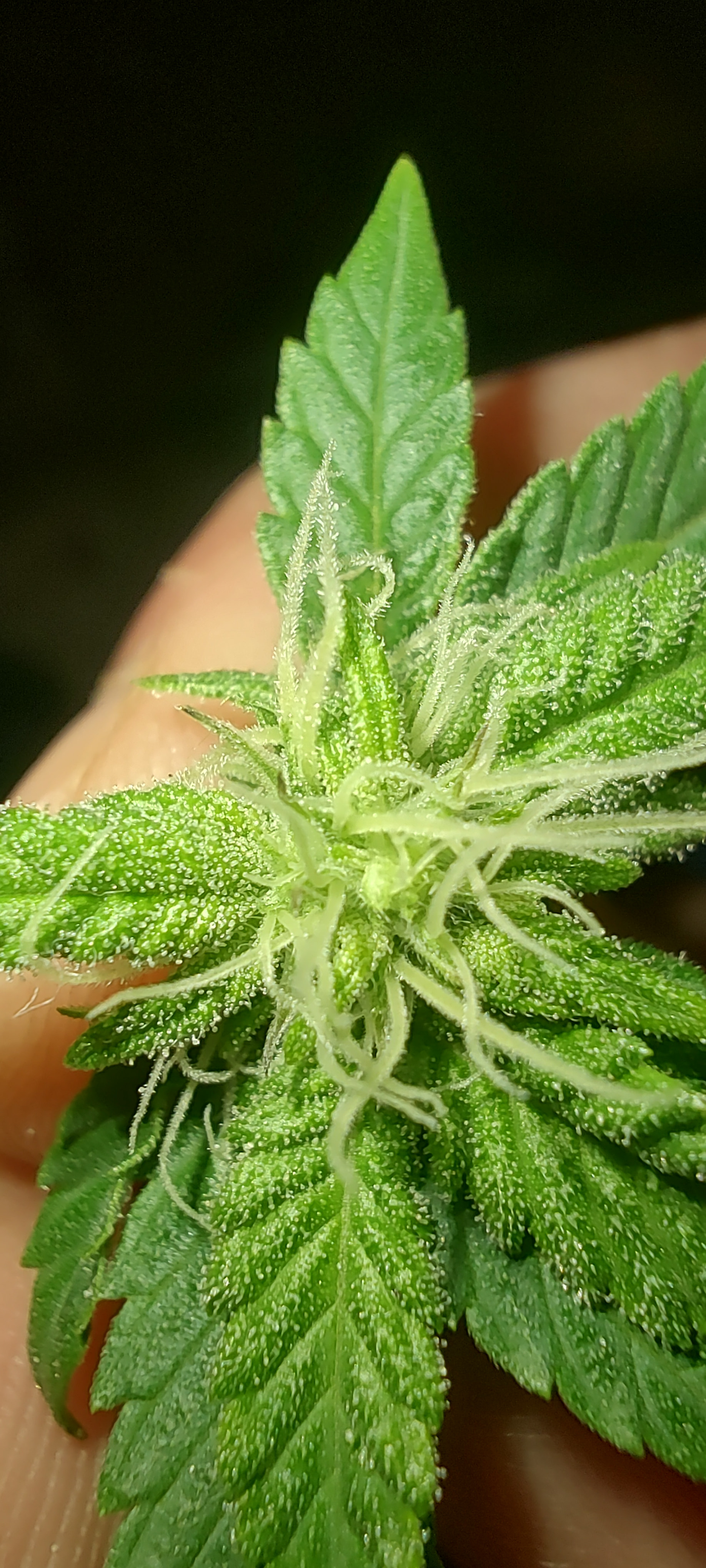
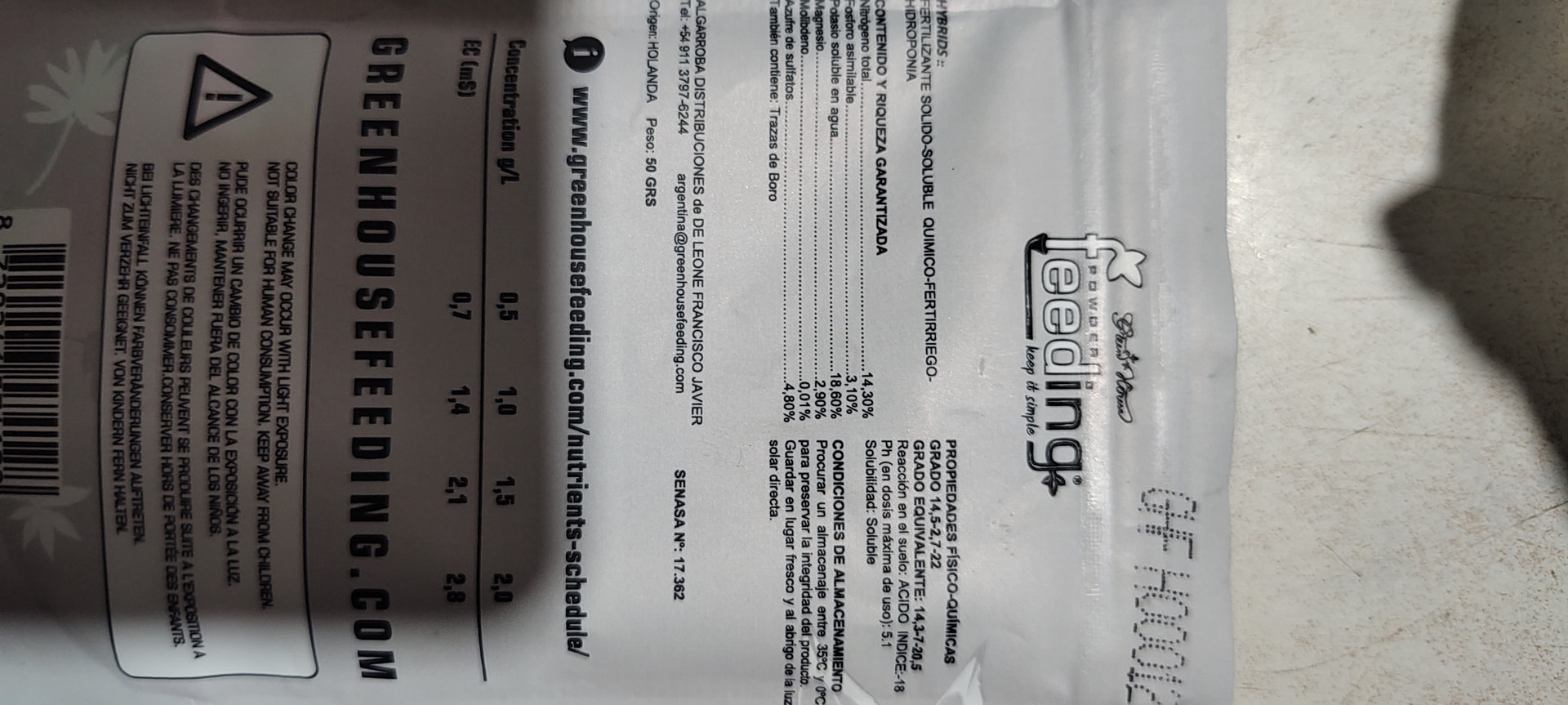
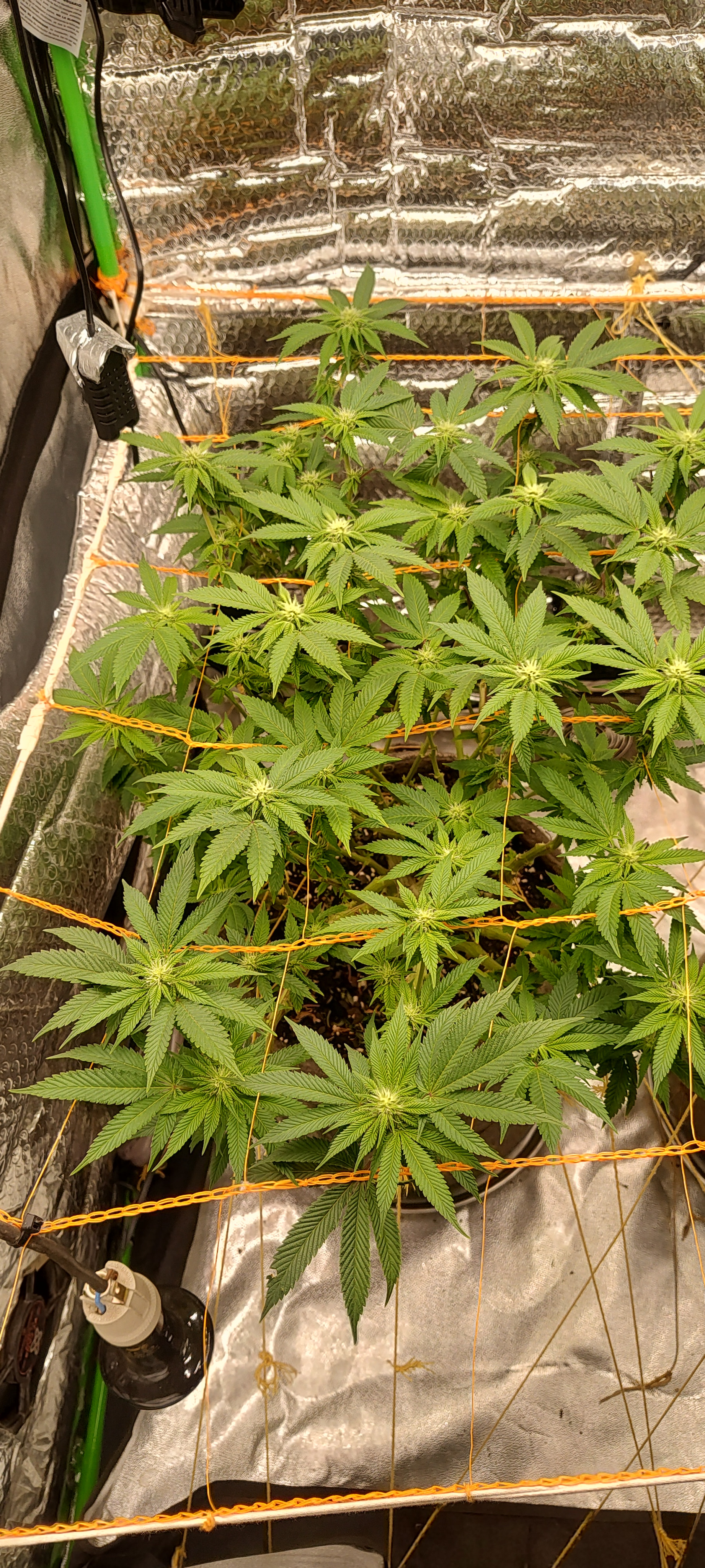
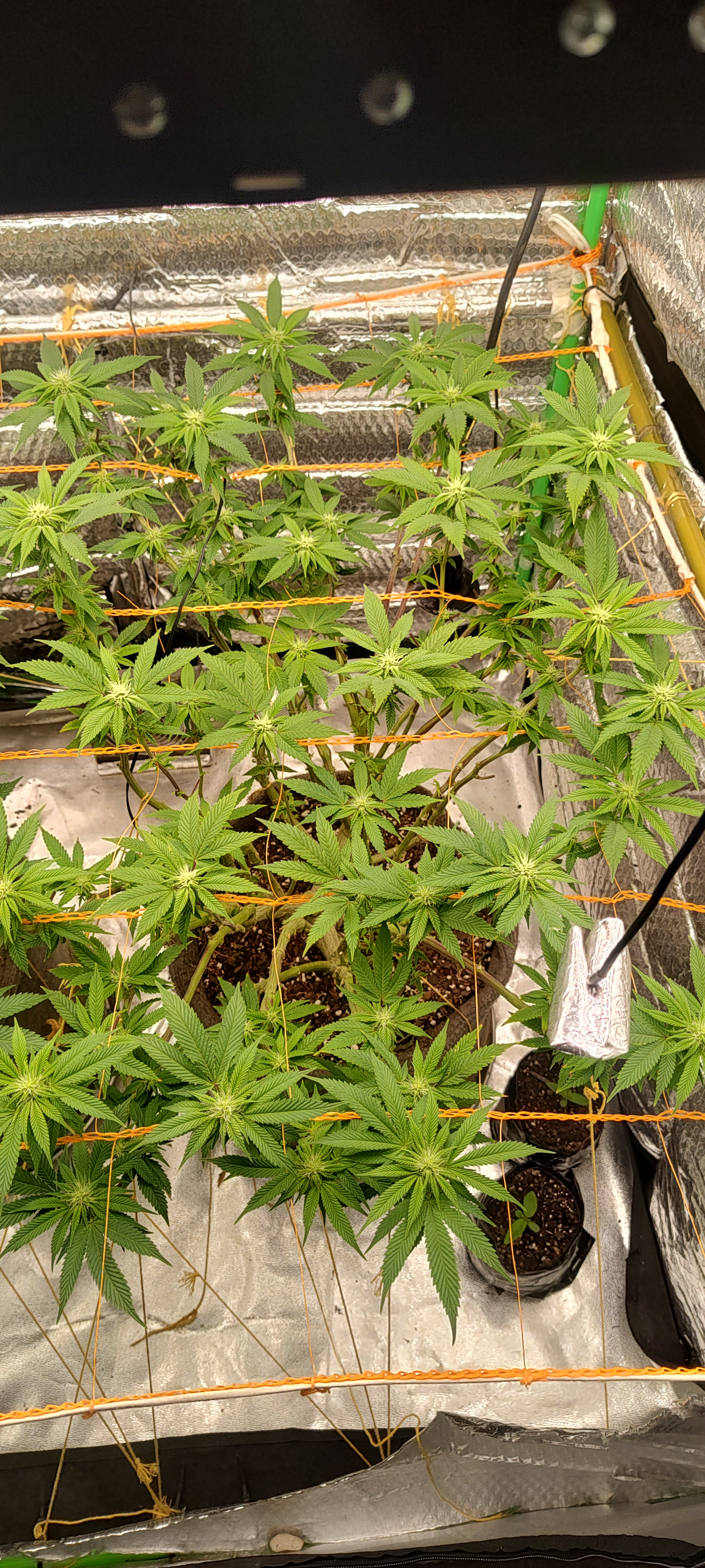

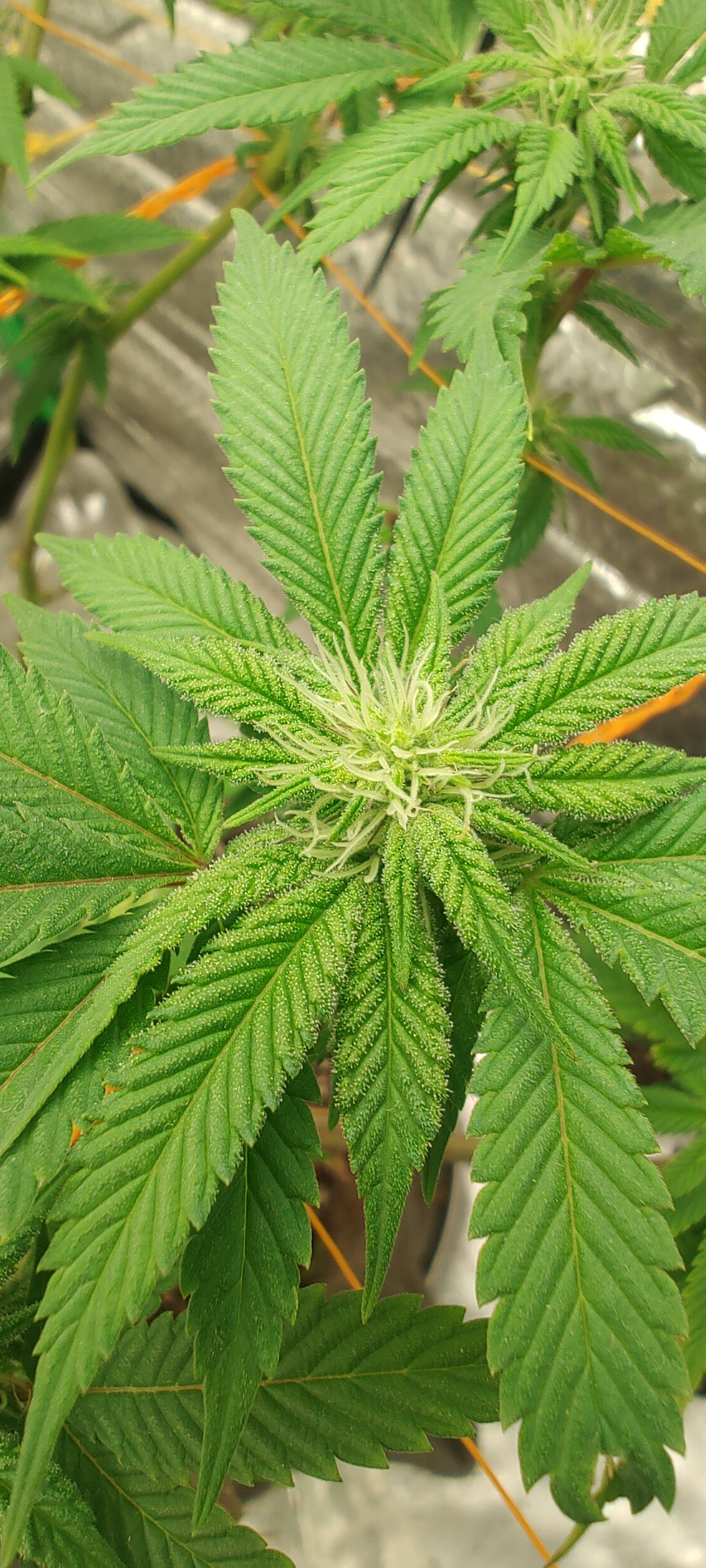
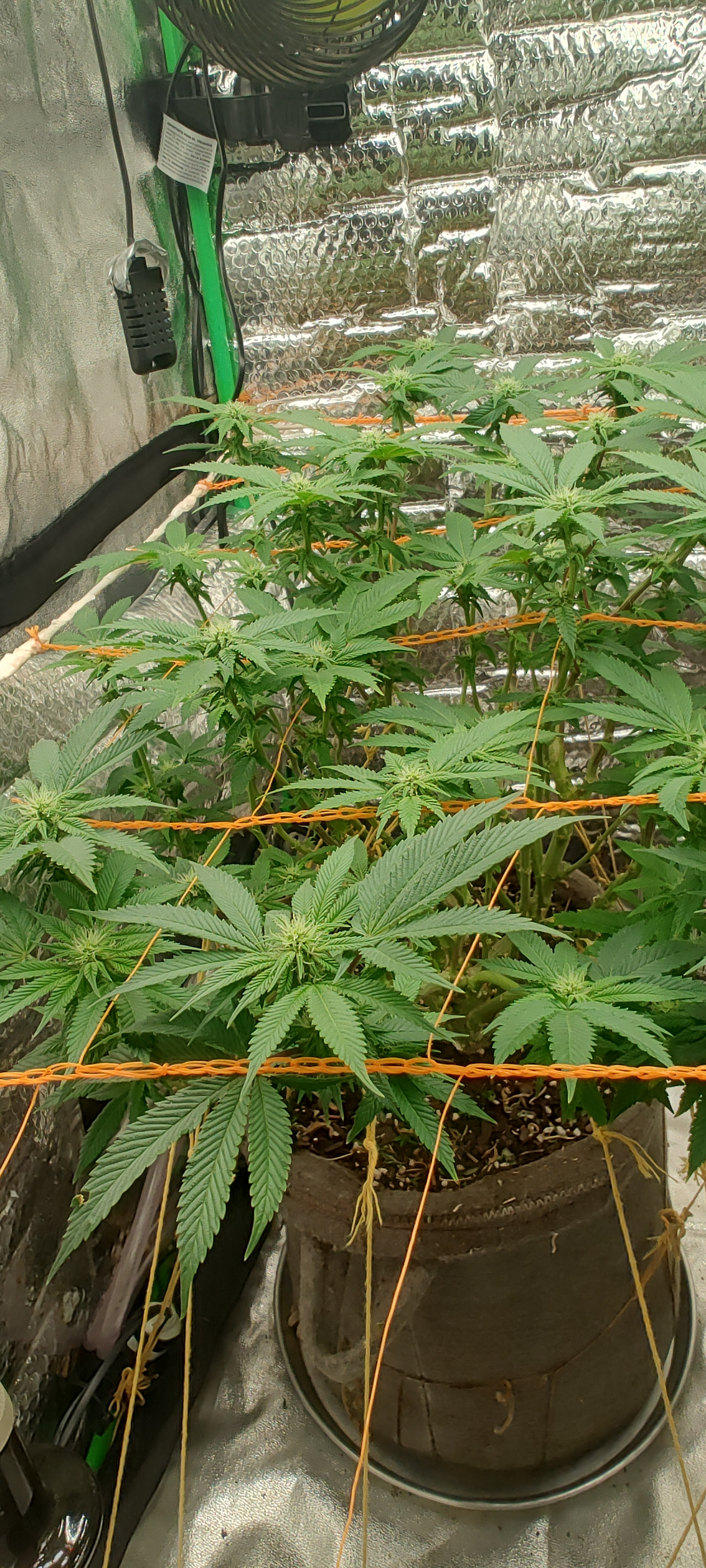
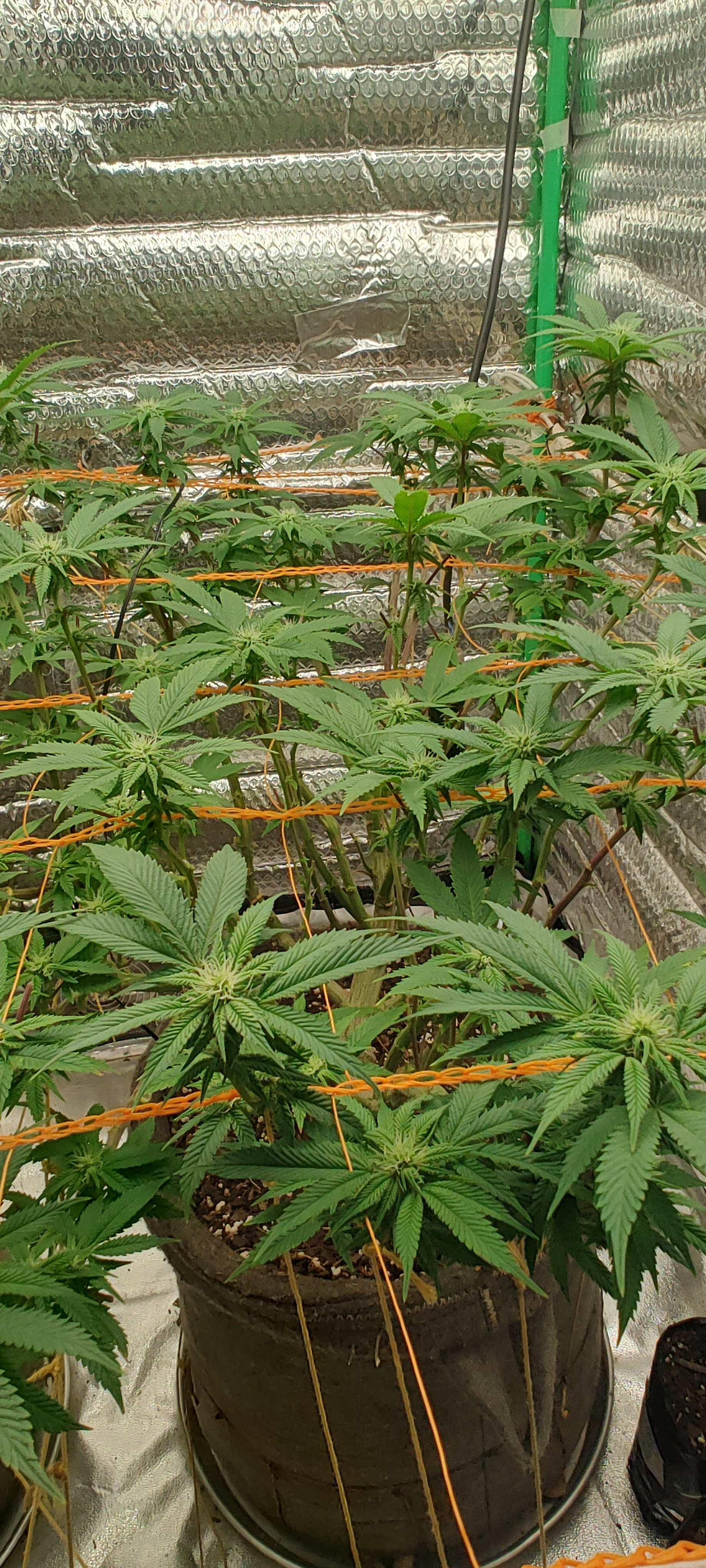

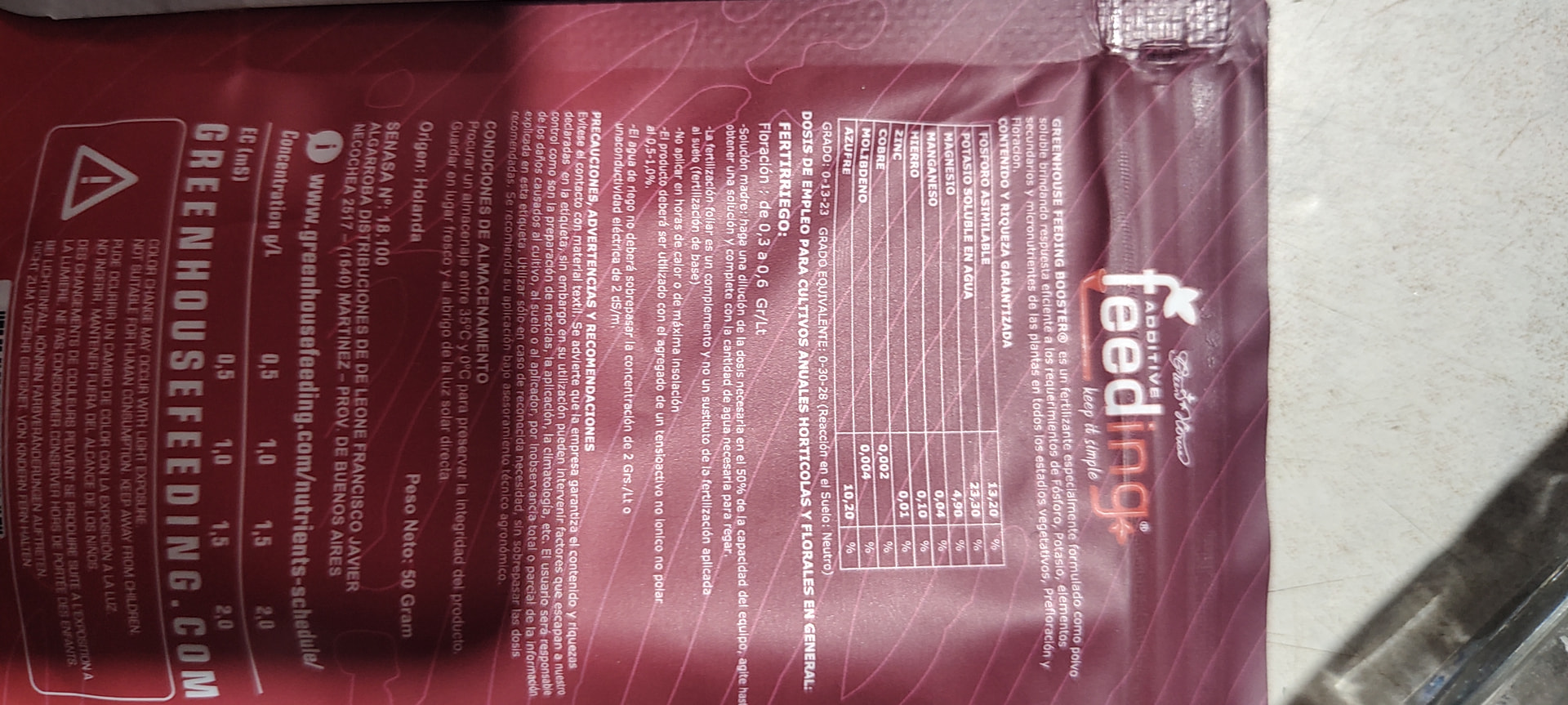
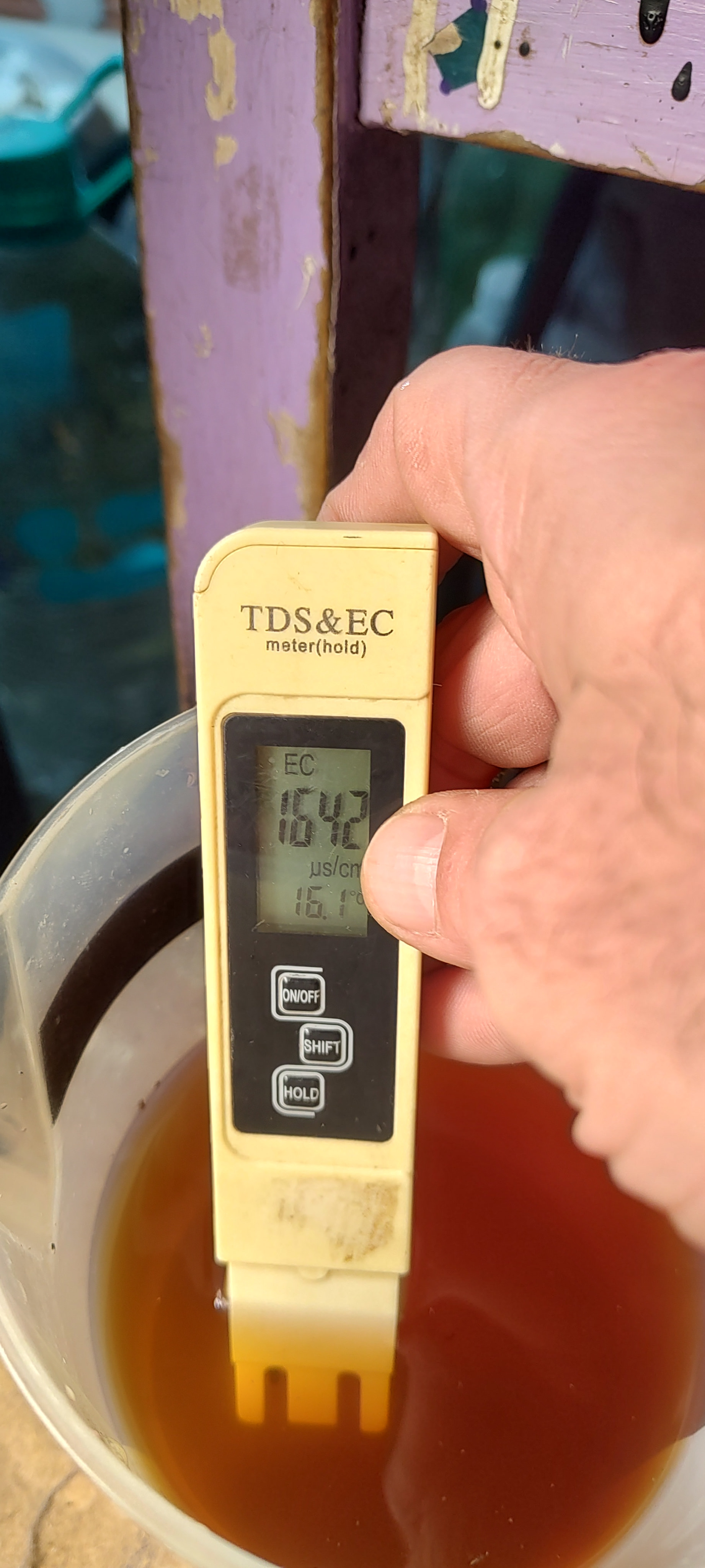

 . In my opinion, fertilizing according to the manufacturer’s chart is always too much. As far as I know, the charts usually apply to larger plants.



 I completely agree with your analysis regarding base water and the origin of feeding charts. Adding to the discussion, I’d like to share how we approach it through practical measurements for mineral management: