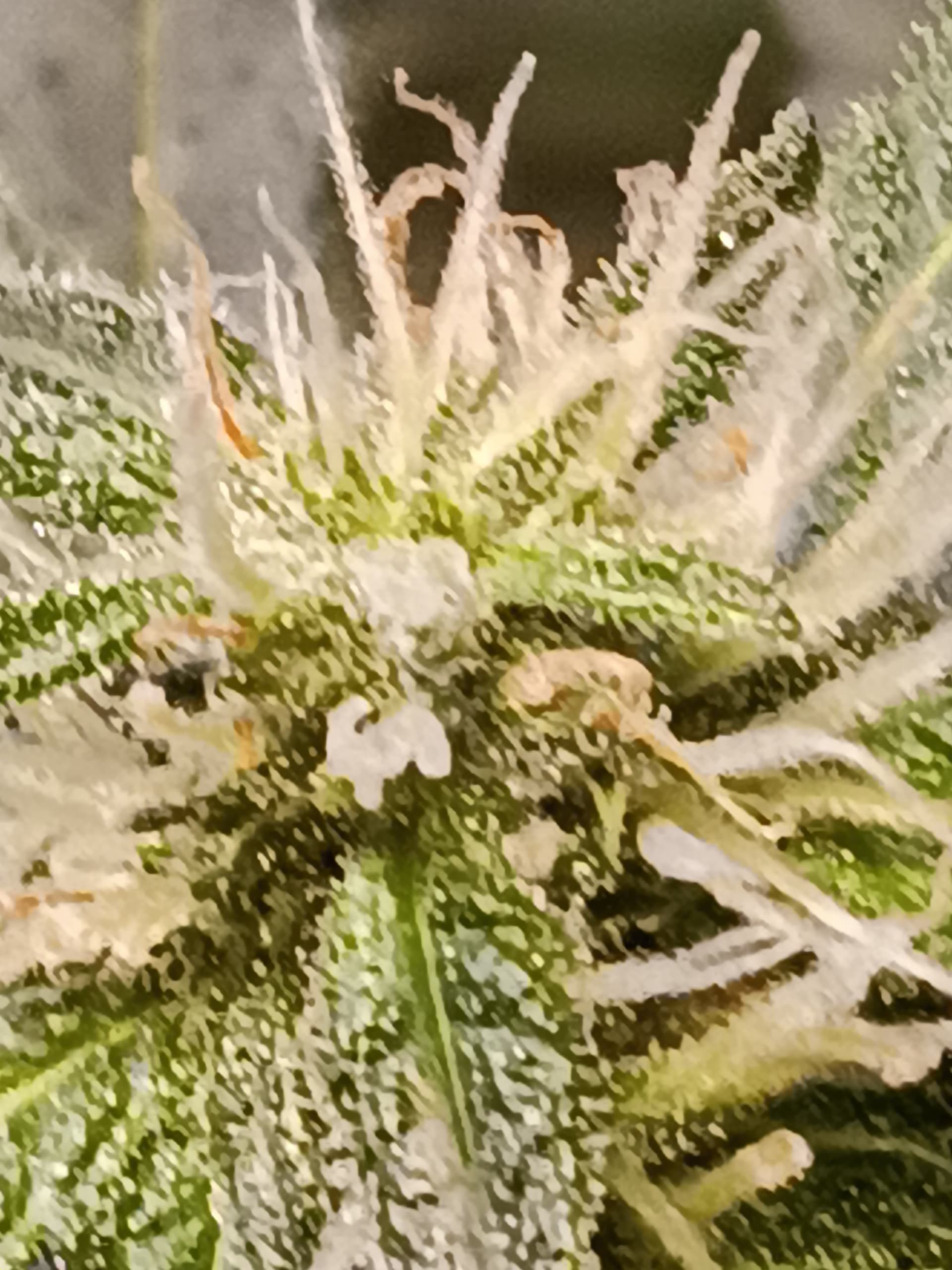
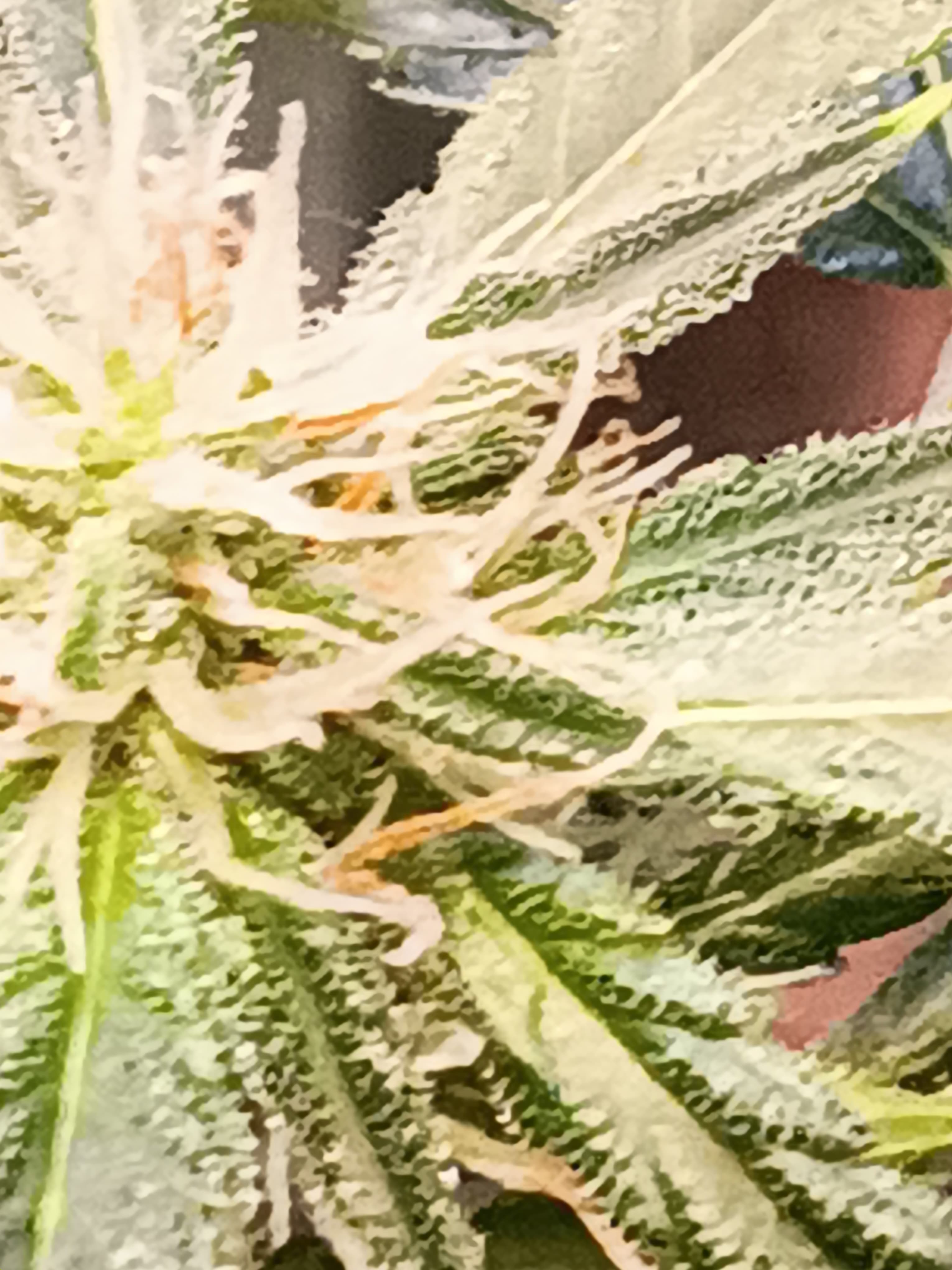
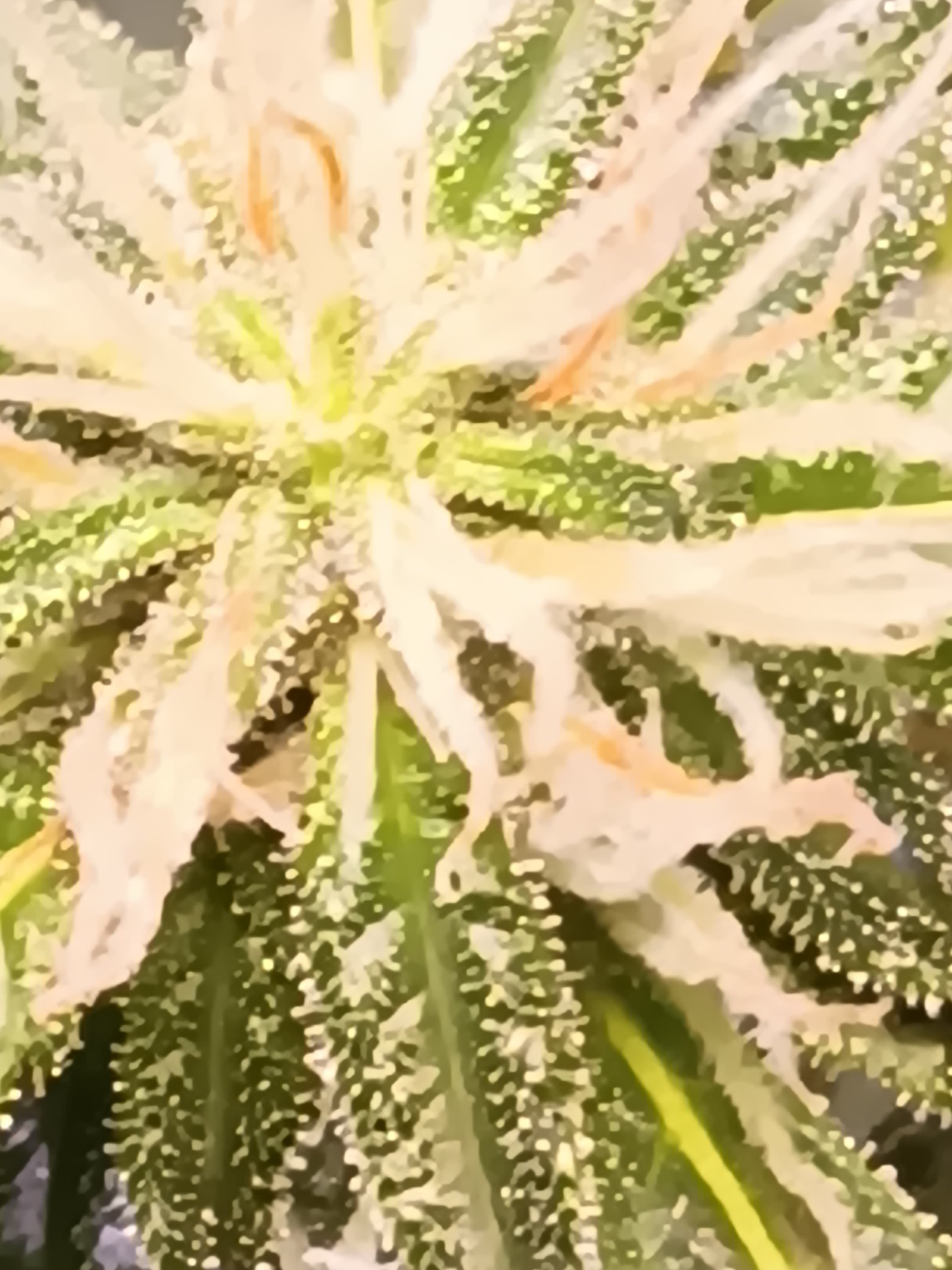
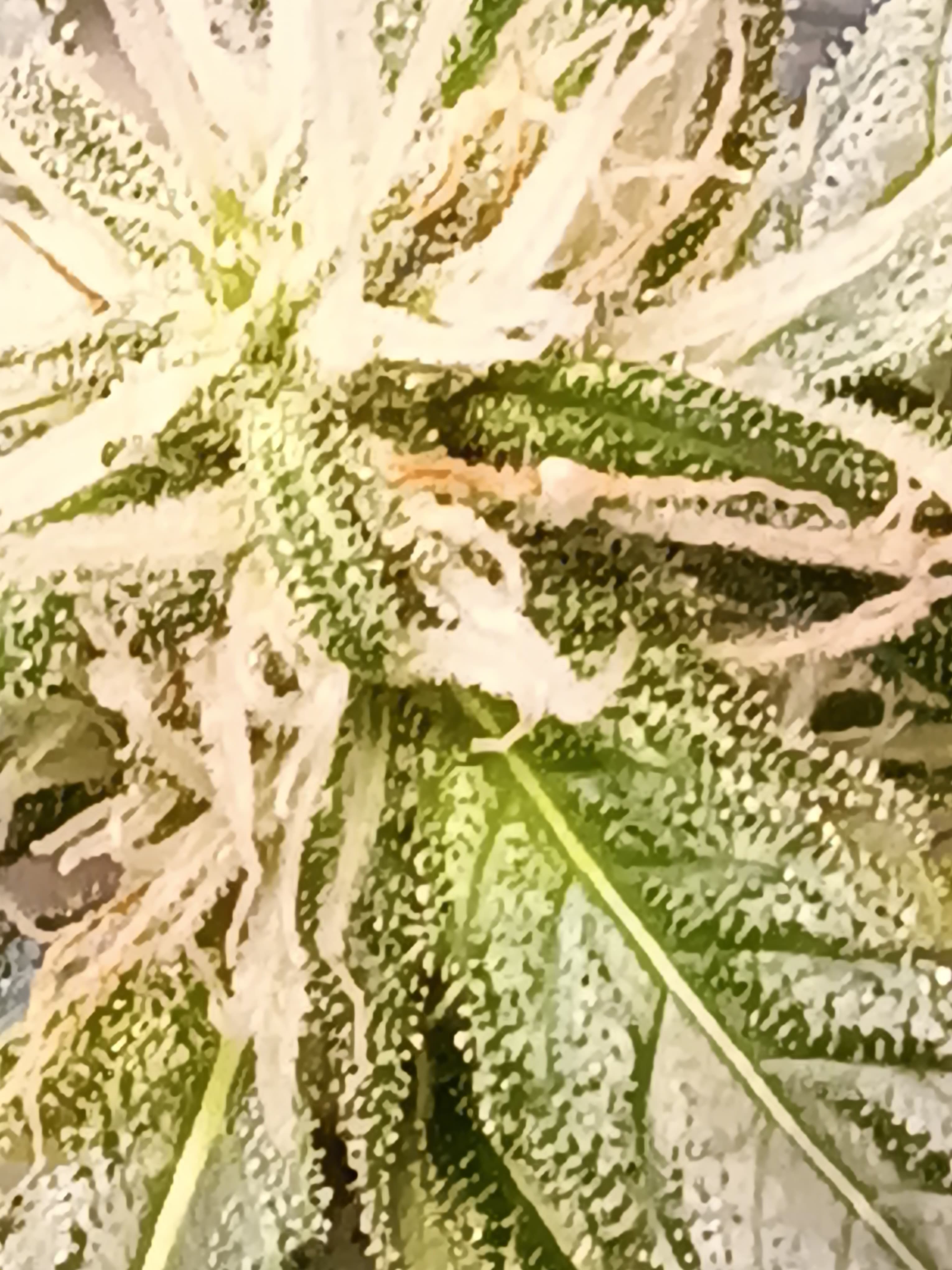
This answer from chat gpt is not so bad. For sure you need a Magnifying glass with 60x magnification to figure it out.
Chat gpt:
Certainly, here’s the translation of my last response:
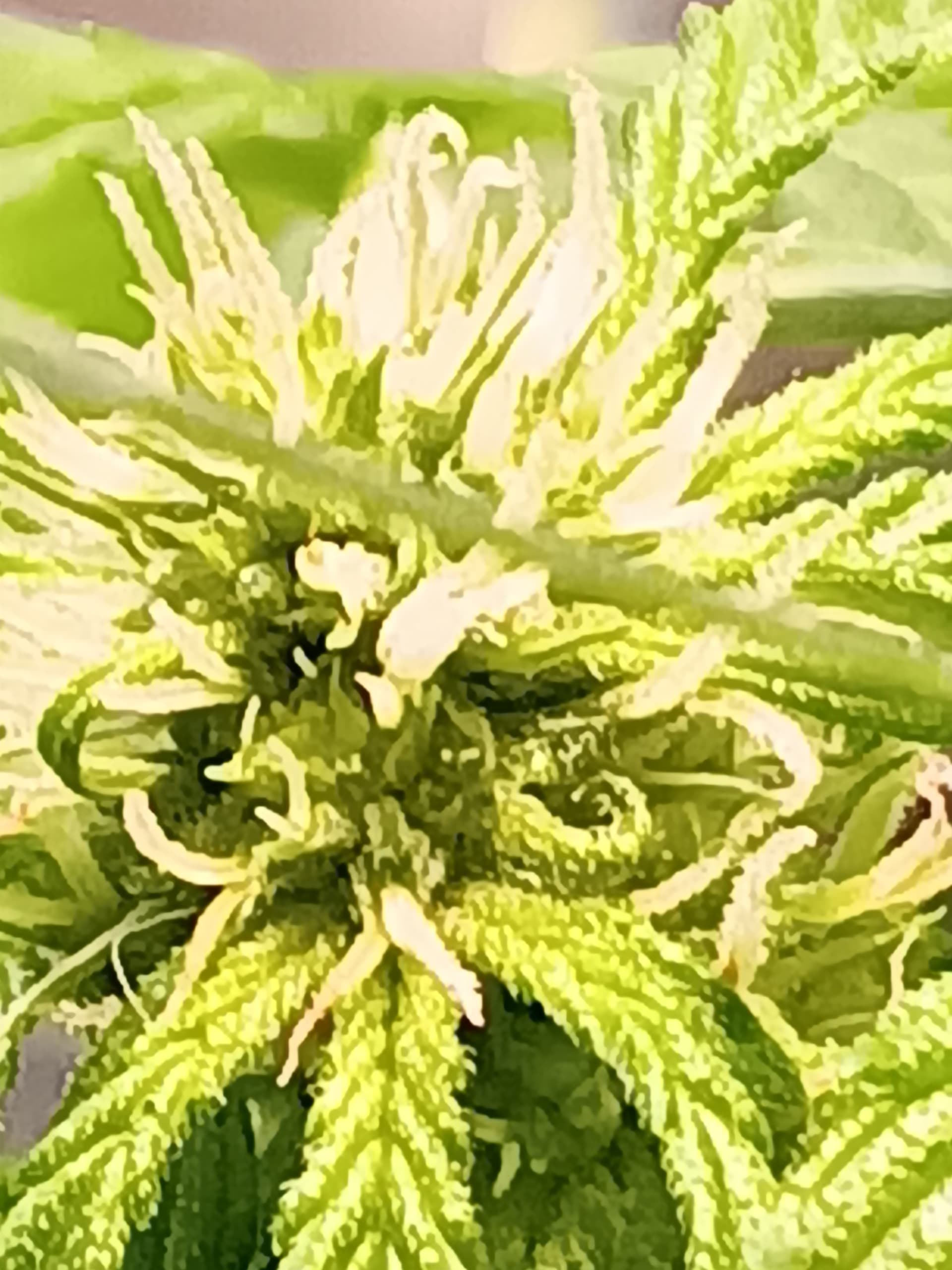
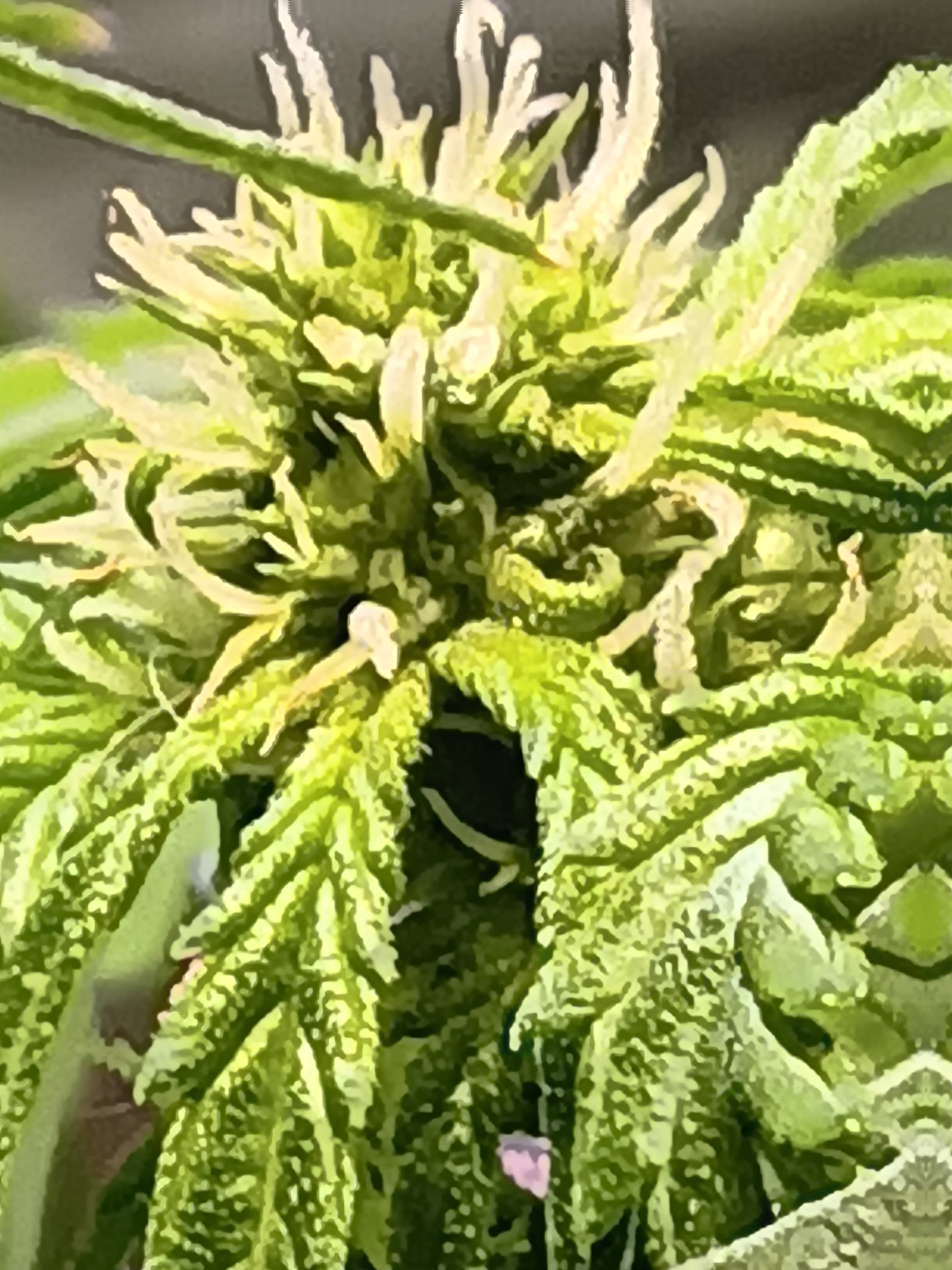
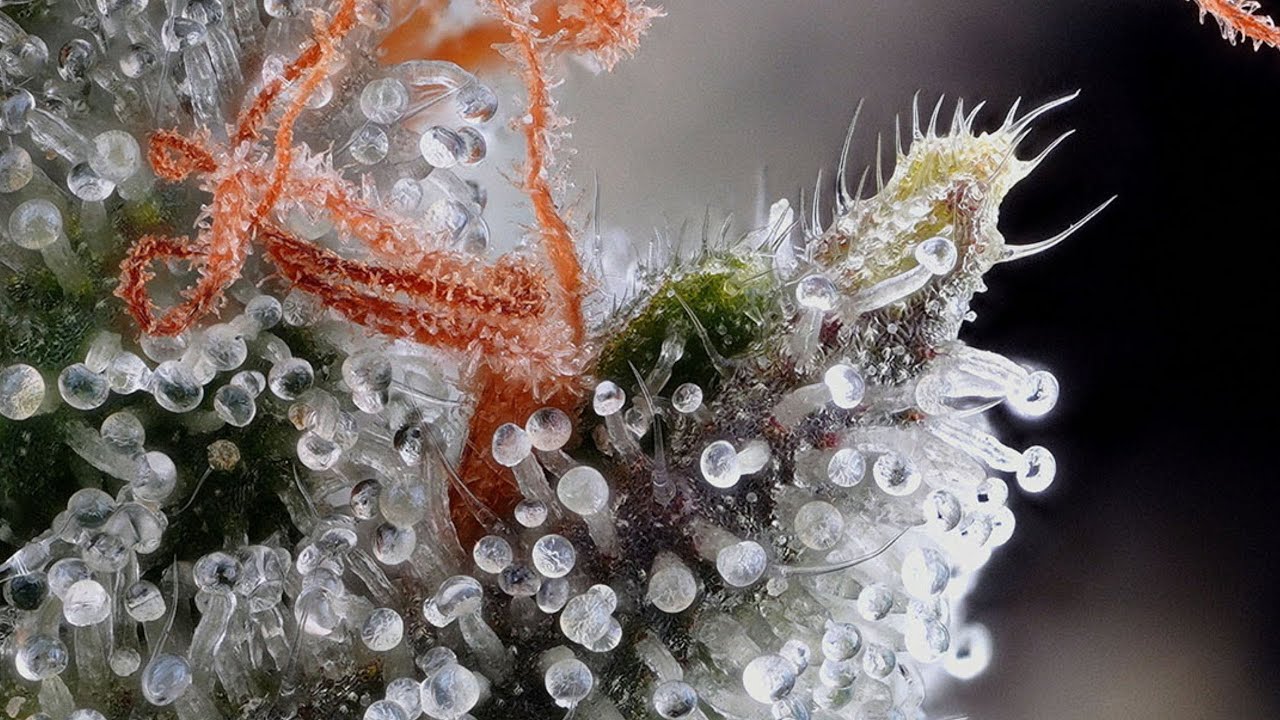
Trichomes are tiny resin glands found on the flowers and leaves of cannabis plants that contain cannabinoids and terpenes. The harvest day and timing of the harvest can vary from grower to grower depending on the desired qualities of the end product, but trichomes are an important indicator of the harvest time.
Trichomes go through various stages of development and can have different appearances. The two most common types of trichomes that growers pay attention to are:
-
Clear Trichomes: In the early stage of the harvest, trichomes are often clear or milky. At this point, most cannabinoids are not fully developed, and the end product is likely to produce a more energetic, less heavy high.
-
Milky/Cloudy Trichomes: During the optimal harvest time, trichomes become milky or cloudy. This is an indication that cannabinoids, especially THC and CBD, have reached their peak. At this point, the end product typically exhibits a more balanced ratio of psychoactive and medicinal properties.
-
Amber Trichomes: When trichomes start to turn amber, it signals that cannabinoids, particularly THC, are degrading. This can lead to a heavier, sedative high. Some growers prefer this late harvest stage, while others prefer the milky trichome stage.
The optimal harvest time depends on your personal preferences and desired effects. If you prefer a more energetic, less sedative effect, you’re likely to harvest when the trichomes are milky. If you prefer a stronger, relaxing effect, you may wait until some trichomes turn amber.
It’s advisable to use a magnifying glass or loupe to closely observe the trichomes. The harvest timing can also depend on the strain, as some strains tend to be harvested earlier or later. Patience is key, and regularly checking the trichomes is important to determine the optimal harvest time.



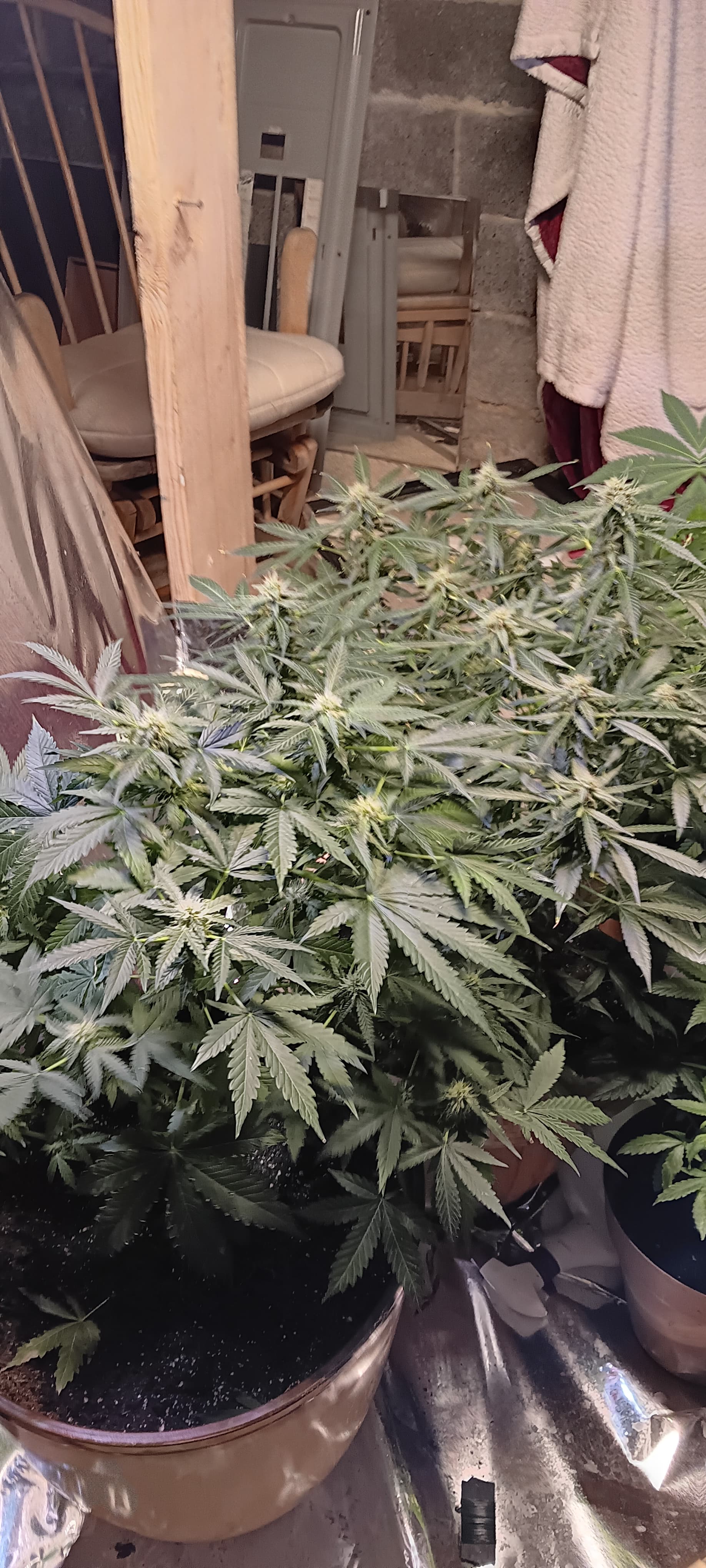

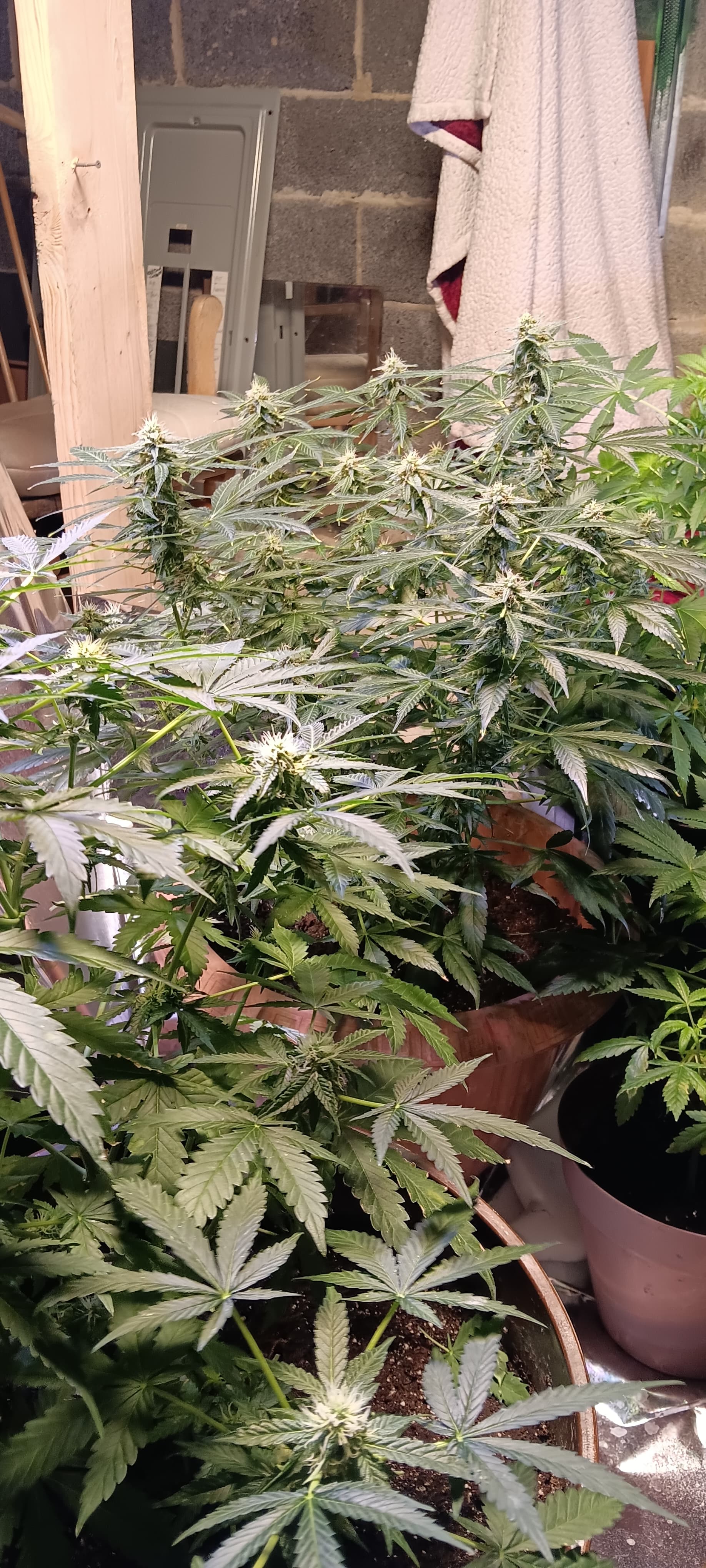
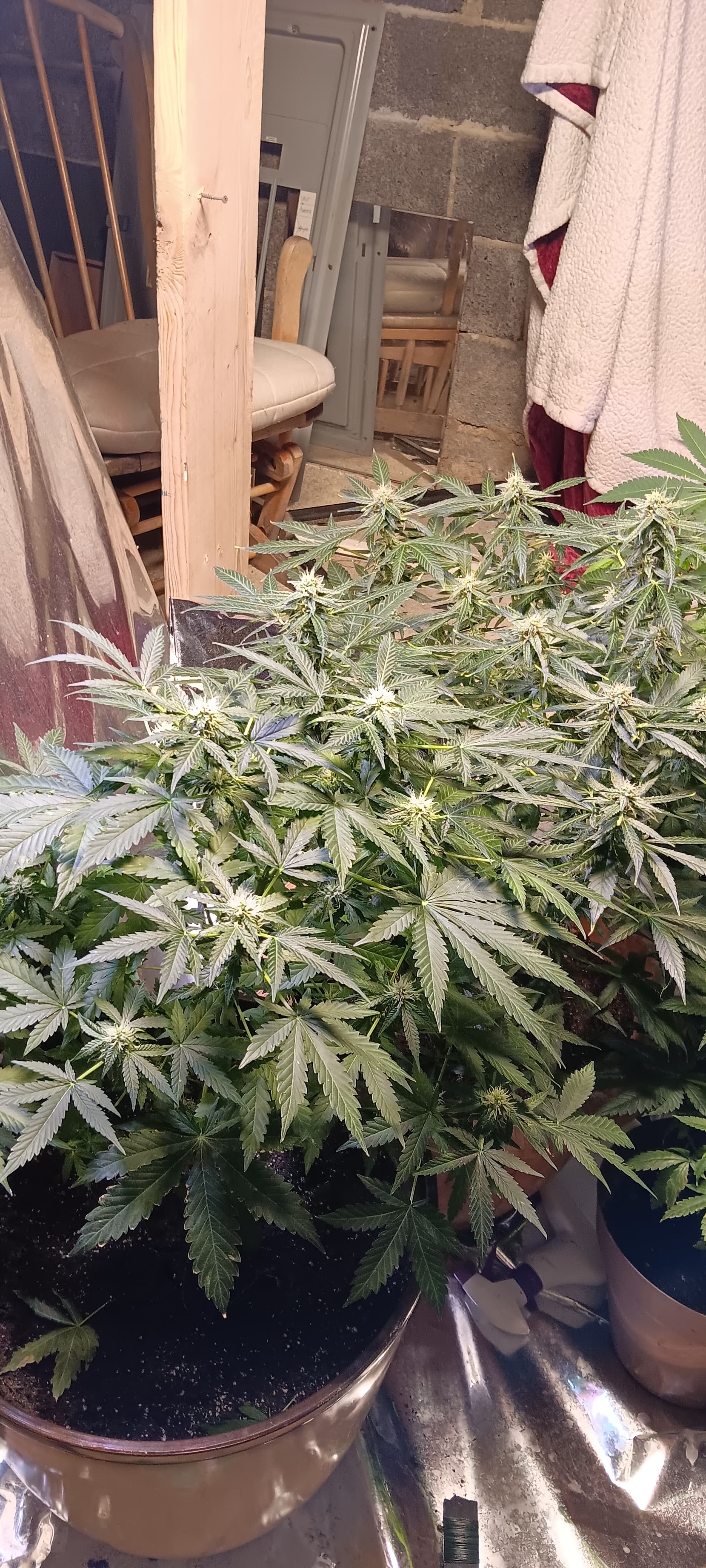
 Enjoy your cured beautiful buds.
