#6
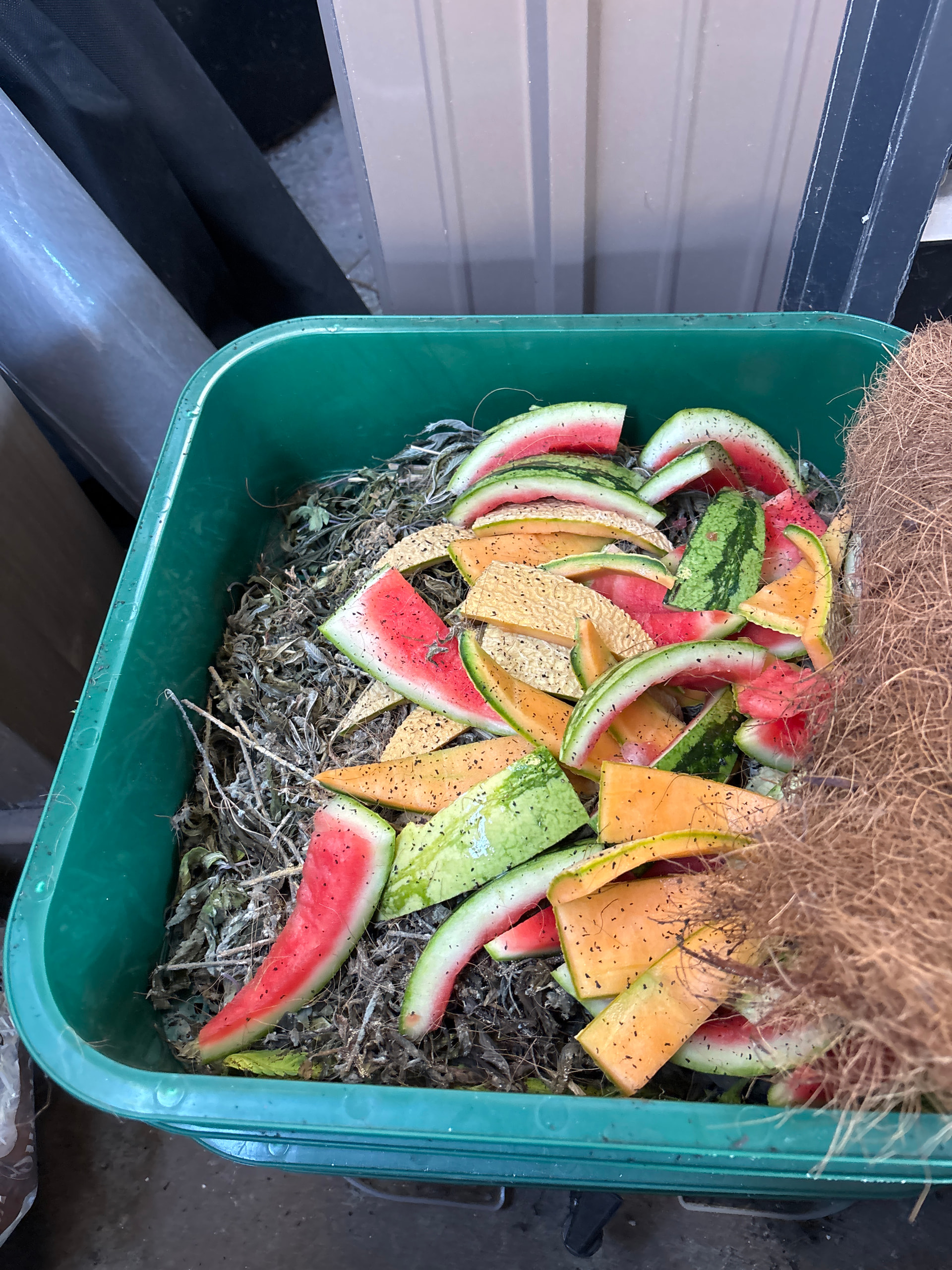
#6and here is the vegetation they have in common with what should be composted
now I want you to check what type of vegetation they have in common, if any
To analyze what vegetation the 32 Landrace varieties have in common, we must cross-reference the climatic, geological, and botanical data of their ecoregions. Although the list ranges from arid deserts (Sinai) to tropical rainforests (Thai) and frozen steppes (Ruderalis), there are three groups or plant families that are consistently repeated in the vast majority of these areas.
Here is the botanical analysis of common vegetation, ready for your notepad:
- The genus Artemisia (Wormwoods and Artemisas)

It is the number one companion plant of cannabis worldwide. It appears in the Central Asian block (Afghani, Hindu Kush, Herat), in the Mediterranean/Middle East block (Sinai, Lebanese, Syrian, Moroccan Kif), in the Asian highlands (Kashmiri, Nepalese), and in the frozen steppe (Ruderalis).
- What they have in common: Artemisia varieties are rustic, opportunistic plants adapted to disturbed soils or those with excellent drainage.
- The shared chemical footprint: Artemisia is saturated with bitter monoterpenes such as Thujone, Cineole, and Alpha-Pinene. Wild cannabis that grew surrounded by Artemisia fields evolved by sharing these same molecular defenses to repel chewing insects, which explains why pure indicas maintain those distinct herbal, bitter, and balsamic notes.
- The Pinaceae and Cupressaceae families (Conifers: Pines, Cedars, and Junipers)

Conifers appear massively in almost all mountain environments and temperate or dry climates on the list: from the Himalayan blue pine (Malana), the Atlas cedars (Moroccan Kif), the desert junipers (Afghani, Hindu Kush, Badakhshan), to tropical (Thai) and boreal pine forests (Ruderalis).
- What they have in common: They are resinous trees capable of colonizing poor, stony soils exposed to strong thermal contrasts (night cold or extreme daytime heat).
- The shared chemical footprint: Conifers flood the soil and air of the ecoregion with massive levels of Alpha and Beta-Pinene, in addition to Myrcene. Landrace cannabis coexists perfectly in these ecosystems because it uses exactly the same metabolic pathway to produce its resin. Cannabis trichomes act by imitating the protective balm of the pines and cedars in their environment.
- Nitrophilous Weeds (e.g., Chenopodiaceae and Urticaceae Families)

Plants such as goosefoot (Chenopodium album), nettles (Urtica dioica), or wild mints appear in the humid valleys of Asia (Manipuri, Kashmiri, Badakhshan) as well as in African savannas or European steppes.
- What they have in common: They are nitrophilous plants, meaning they only grow in soils with a very high concentration of organic nitrogen (areas where livestock grazed, alluvial riverbanks, or heavy organic decomposition zones).
- The relationship with Cannabis: Wild cannabis is, in its evolutionary origin, a nitrophilous weed that directly competes for space with goosefoot and nettle. Cannabis developed its explosive growth and lateral branching to stretch faster and block light from these companion plant communities in the soil.
 The Biological Conclusion for your Notepad
The great botanical commonality of Landraces is that cannabis always evolves surrounded by plants rich in oily essential oils, bitter terpenes, and dense resins (Artemisias, Pines, Cedars, Rockroses).
Marijuana did not invent terpenes out of nowhere; its genetic code adapted to synchronize and compete with the chemical signature of the dominant vegetation of its original region. Therefore, by recreating a living soil saturated with condiment oils (rosemary, thyme, clove, pepper, bay leaf), you are artificially imitating this hyper-aromatic common plant environment that landraces have recognized for millennia.


 . My consideration is whether it’s necessary to compost the whole thing or if one can simply add a few pine needles to the substrate to trigger the plant. From comfrey, wormwood, and lavender, one could possibly also prepare a plant tea and add some of it to the water. Perhaps that would also influence the production of terpenes. I also need to read up on that, it’s definitely highly interesting.
 Oh dear, I think I’ll have a lot to do in the near future. But my curiosity is definitely piqued.
 . So, regarding the smell, I’m lucky, depending on how you look at it, that I can hardly smell anything at all. There are better days when I can smell a little something, but also worse days when I can’t smell anything at all. My wife always has to do that for me. Since I had Corona a few years ago, my sense of smell is practically gone. I can even stick my nose in my liquid manure container without smelling anything that bothers me.