#5
#5in case anyone wants to read the complete list:
- DURBAN POISON (Durban, KwaZulu-Natal Province, South Africa)
- Native Region: Coastal strip of the Indian Ocean and hills of the Maputaland-Pondoland belt, South Africa.
List of Plants in the Region (Current)
- Trees: Millettia grandis (Umzimbeet Ironwood Tree), Strelitzia nicolai (Giant Bird of Paradise), Acacia natalitia (Natal Sweet Thorn).
- Shrubs: Chrysanthemoides monilifera (Dune Bush), Carissa macrocarpa (Natal Plum), Isoglossa woodii (Forest Grass).
- Weeds and Herbs: Imperata cylindrica (Cogon Grass), Themeda triandra (Red Oat Grass), Cyperus textilis (Weaving Sedge).
List of Plants in the Region (100 Years Ago - Early 20th Century)
- Reference studies: Natal Herbarium records and description of coastal grasslands before massive urbanization.
- Dominant species: Virgin savannas of Themeda triandra, dense dune thickets dominated by Mimusops caffra (Coastal Red Milkwood) and expanses of Strelitzia nicolai. Cannabis grew on the edges of these coastal wetlands and tall grasslands whipped by the sea wind.
Historical and Paleobotanical Records (Hundreds and Thousands of Years Ago)
- University Data and Ancient Traditions: The indigenous San (Bushmen) people and later the Zulu tribes (more than 1,000 years ago) inhabited this region, paleobotanically dominated by dense coastal subtropical forests and mangroves (Avicennia marina).
- Chemical synergy: Cannabis from this area developed massive levels of Terpinolene (licorice/anise smell) due to the stimulation from volatile monoterpenes of the primitive Eucalyptus trees of the ecoregion and the saline stress from the coastal wind.
note the detail about saline stress from coastal wind, perhaps sea salt activates some [compounds], it makes sense that it has defenses against sea salt
 3. MALAWI GOLD (Salima District and Viphya Plateau, Malawi)
- Native Region: Rift Valley, slopes surrounding Lake Malawi and tropical highlands of East Africa. [1]
List of Plants in the Region (Current)
- Trees: Adansonia digitata (African Baobab), Brachystegia spiciformis (Miombo Tree / Msasa), Julbernardia globiflora (Munondo).
- Shrubs: Combretum mossambicense (Mozambique Climbing Shrub), Bauhinia petersiana (White Camel’s Foot).
- Weeds and Herbs: Urochloa mosambicensis (Savanna Grass), Pennisetum purpureum (Elephant Grass), Bidens pilosa (Black-jack / Cultivated Weed).
List of Plants in the Region (100 Years Ago - Early 20th Century)
- Reference studies: Colonial botanical archives of the Nyasaland protectorate (United Kingdom).
- Dominant species: Uninterrupted Miombo wooded savannas (Brachystegia), closed valleys of Pennisetum purpureum reaching 4 meters in height (where wild cannabis grew hidden, seeking light, which stretched its sativa structure).
Historical and Paleobotanical Records (Hundreds and Thousands of Years Ago)
- University Data and Archaeobotany: Pollen analyses in sediment cores from Lake Malawi indicate that during the Last Glacial Maximum and the Early Holocene, the area alternated between periods of extreme drought and dry forests. Cannabis coexisted with the wild ancestors of sorghum and millet.
- Cultural Tradition: The Chewa people (since the 15th century) traditionally used this plant wrapped in dry corn leaves (the famous coppery “Malawi cob”) to ferment it underground along with Brachystegia roots, which catalyzed the degradation of sugars and esters, accentuating its characteristic fermented ripe pineapple profile. [1, 2]
 4. COLOMBIAN GOLD (Sierra Nevada de Santa Marta, Colombia)
- Native Region: Isolated mountain slopes of the Sierra Nevada de Santa Marta, from 500 to 2,000 meters above sea level, exposed to the influence of the Caribbean Sea.
List of Plants in the Region (Current)
- Trees: Anacardium excelsum (Caracolí), Bursera simaruba (Naked Indian / Gumbo-limbo), Cecropia peltata (Yagrumo / Trumpet tree).
- Shrubs: Piper auritum (Santa Maria / Cordoncillo / Mexican Pepperleaf), Psychotria elata (Hot Lips Flower), Melastomataceae spp. (Mountain Tunos).
- Weeds and Herbs: Paspalum notatum (Bahia Grass), Mimosa pudica (Touch-me-not Plant), Fernseea spp. (Epiphytic Rock Bromeliads).
List of Plants in the Region (100 Years Ago - Early 20th Century)
- Reference studies: Biological classification missions by the National University of Colombia on the Caribbean coast.
- Dominant species: Dense virgin sub-Andean forests of Caracolí, slopes filled with tree ferns of the genus Cyathea and giant bromeliads. Cannabis adapted to these high-mountain soils rich in mica and mineral schists, capturing the intense UV light from the altitude.
Historical and Paleobotanical Records (Hundreds and Thousands of Years Ago)
- University Data and Indigenous Culture: The Sierra Nevada is the ancestral home of the Kogi, Arhuaco, and Wiwa cultures (descendants of the Tayrona). Pollen studies show immense stability of the tropical rainforest over the last 3,000 years.
- Aroma Evolution: By coexisting with thousands of species of epiphytic orchids and plants from the Piperaceae family (rich in limonene and caryophyllene), Colombian Gold adapted its foliar receptors to emit sharp citrus and heavy phenolic (frankincense) esters to compete against the potent aromas of the humid tropical forest.
 5. MOROCCAN KIF (Rif Mountains, Morocco)
- Native Region: Ketama region and the semi-arid slopes of the Rif mountain range, in northern Morocco.
List of Plants in the Region (Current)
- Trees: Cedrus atlantica (Atlas Cedar), Abies maroccana (Moroccan Fir), Quercus ilex (Mediterranean Holm Oak).
- Shrubs: Cistus ladanifer (Gum Rockrose), Arbutus unedo (Strawberry Tree), Erica arborea (Tree Heath / White Heather).
- Weeds and Herbs: Lavandula stoechas (French Lavender / Wild Lavender), Thymus capitatus (Head Thyme), Anacyclus pyrethrum (Pellitory of Africa).
List of Plants in the Region (100 Years Ago - Early 20th Century)
- Reference studies: French and Spanish forestry studies of the Moroccan protectorate (1912-1930).
- Dominant species: Enormous virgin forests of Cedrus atlantica (today greatly depleted to expand cannabis cultivation fields) and kilometer-long expanses of Mediterranean scrubland (Cistus and Lavandula). Classic cannabis (the original Kif) was a shorter and thinner plant than current lines crossed with Pakistani genetics.
Historical and Paleobotanical Records (Hundreds and Thousands of Years Ago)
- University Data and History: Analyses of peat sediment in the Rif indicate that 2,000 and 3,000 years ago, the mountain range was much more forested and humid. The introduction of the cannabis plant occurred massively after the Arab conquest (7th century).
- Terpene Synergy: When cultivated for centuries surrounded by hectares of Cedrus atlantica and Cistus ladanifer (rockrose, a plant that secretes a sticky resin loaded with alpha-pinene and myrcene), Rif cannabis mechanically and through selective pollination assimilated an extremely dry, woody, and rustic terpene profile, ideal for traditional hashish sieving.


 The Biological Conclusion for your Notepad

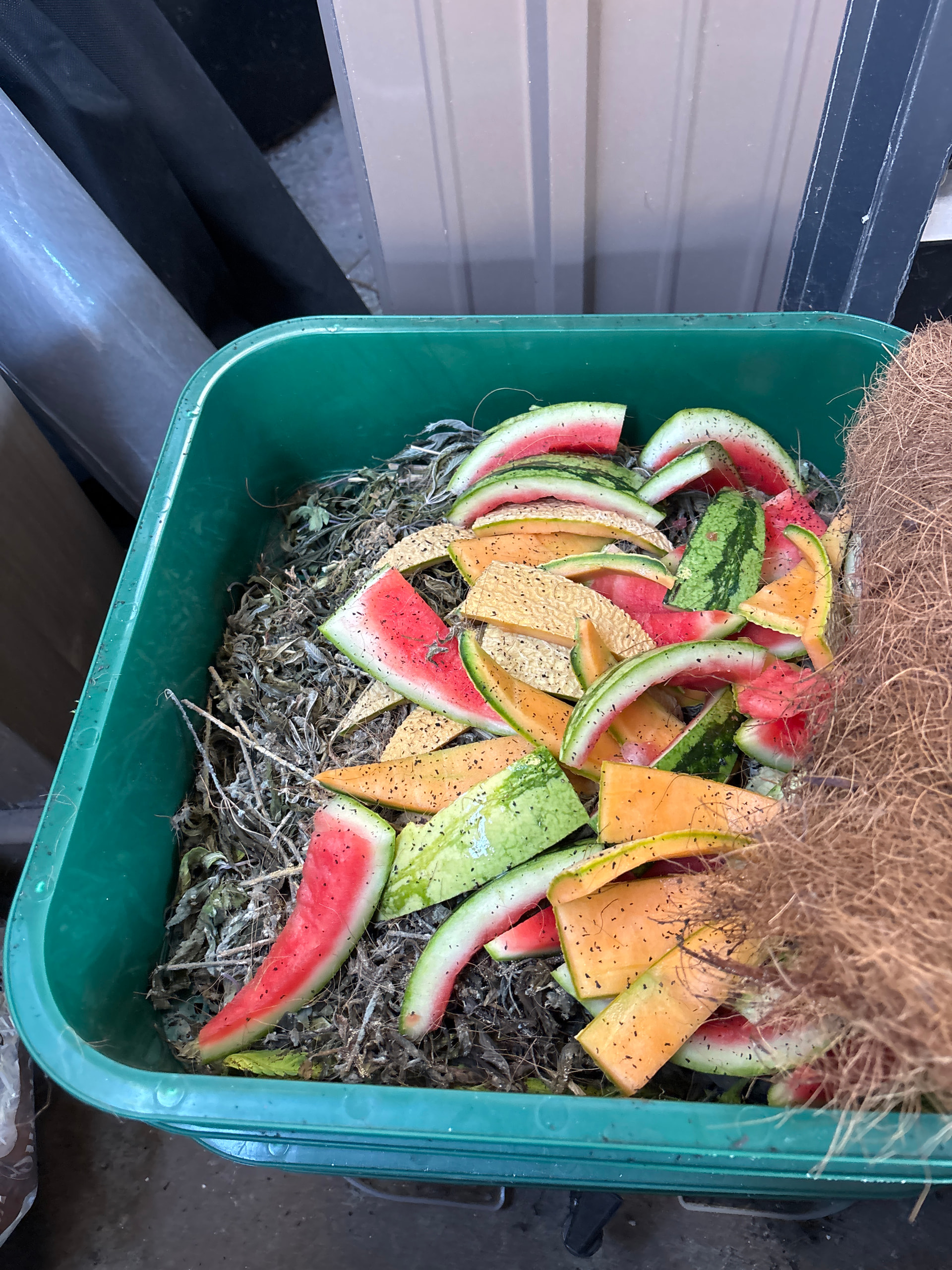
 . My consideration is whether it’s necessary to compost the whole thing or if one can simply add a few pine needles to the substrate to trigger the plant. From comfrey, wormwood, and lavender, one could possibly also prepare a plant tea and add some of it to the water. Perhaps that would also influence the production of terpenes. I also need to read up on that, it’s definitely highly interesting.
 Oh dear, I think I’ll have a lot to do in the near future. But my curiosity is definitely piqued.
 . So, regarding the smell, I’m lucky, depending on how you look at it, that I can hardly smell anything at all. There are better days when I can smell a little something, but also worse days when I can’t smell anything at all. My wife always has to do that for me. Since I had Corona a few years ago, my sense of smell is practically gone. I can even stick my nose in my liquid manure container without smelling anything that bothers me.