Duda con sabor, olores y thc

115 respuestas · 475 visitas

3xt3nd3d

#11

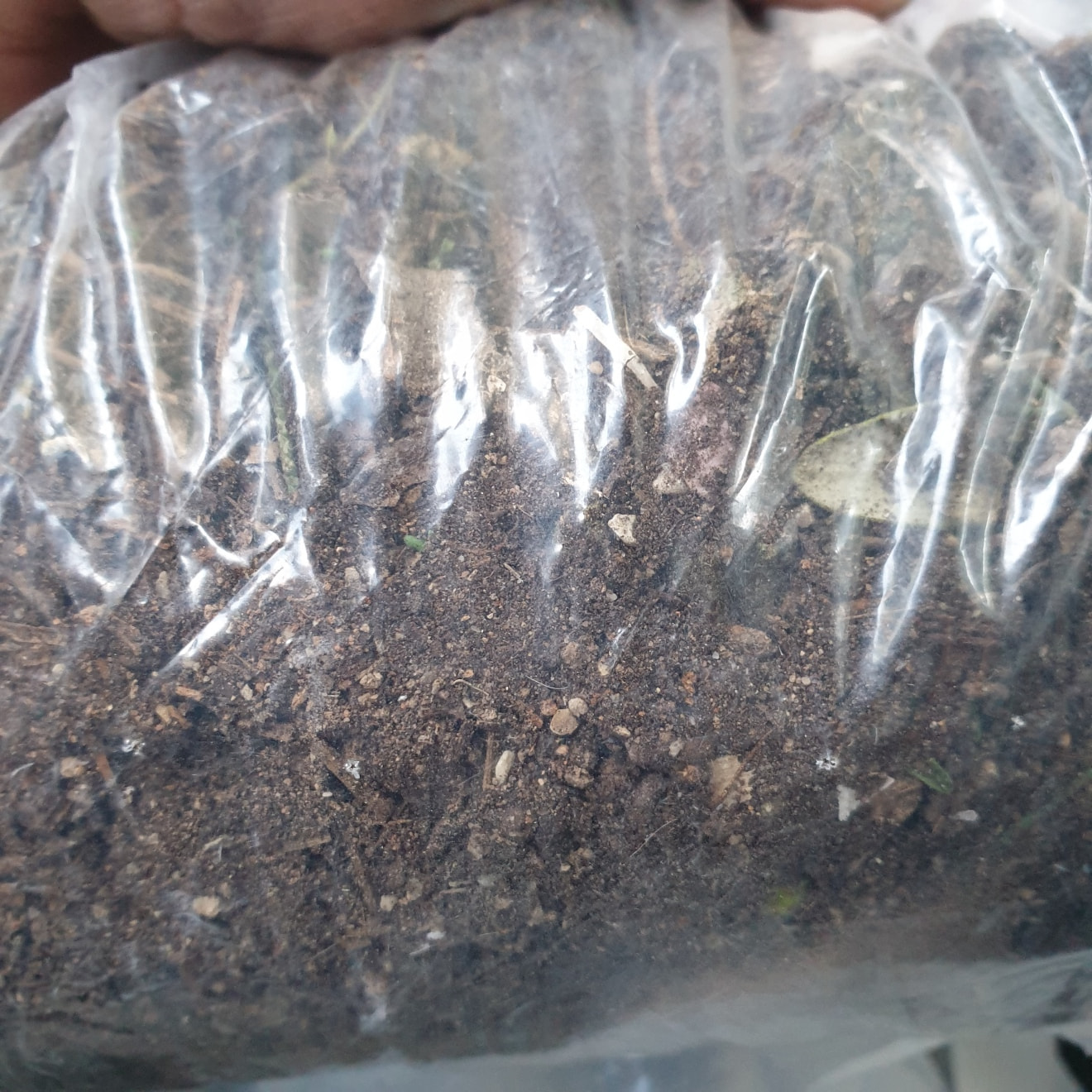
Great, yes, without a doubt, this week I will continue reading and informing myself. The compost won’t be ready for another month. I need to gather about 50 different plant species and plant-based cooking ingredients. This week I can still add more if I find interesting varieties very different from the ones I already added to increase diversity. Honestly, this first week, when I have to stir the compost or refresh the air, I’d almost rather shoot myself in the head before opening the bag… lol. You can’t imagine the stench, the smell, that bag generates with the sulfur inside and so many components. In my life, I’ve never smelled anything so horrible; it’s truly indescribable.
Now I have to go to work. Later, if you want, I’ll tell you about chitosan and another natural product that will truly fascinate you, and it’s unlikely you know it; it’s amazing.
When I get back in about 3 hours and roll up to smoke a Gorilla, I’ll tell you.
God… I hope this first week passes already and the smell goes away…

Responder ↗
herr_gruen

#12

I’m cracking up right now :joy:. So, regarding the smell, I’m lucky, depending on how you look at it, that I can hardly smell anything at all. There are better days when I can smell a little something, but also worse days when I can’t smell anything at all. My wife always has to do that for me. Since I had Corona a few years ago, my sense of smell is practically gone. I can even stick my nose in my liquid manure container without smelling anything that bothers me.

I would like to learn more about these substances and I’m looking forward to hearing from you later. I’m going to mow the lawn and remove some weeds now. See you later.

Responder ↗
3xt3nd3d

#13

I’d laugh with you, but I think this is going to cause me subconscious trauma lol
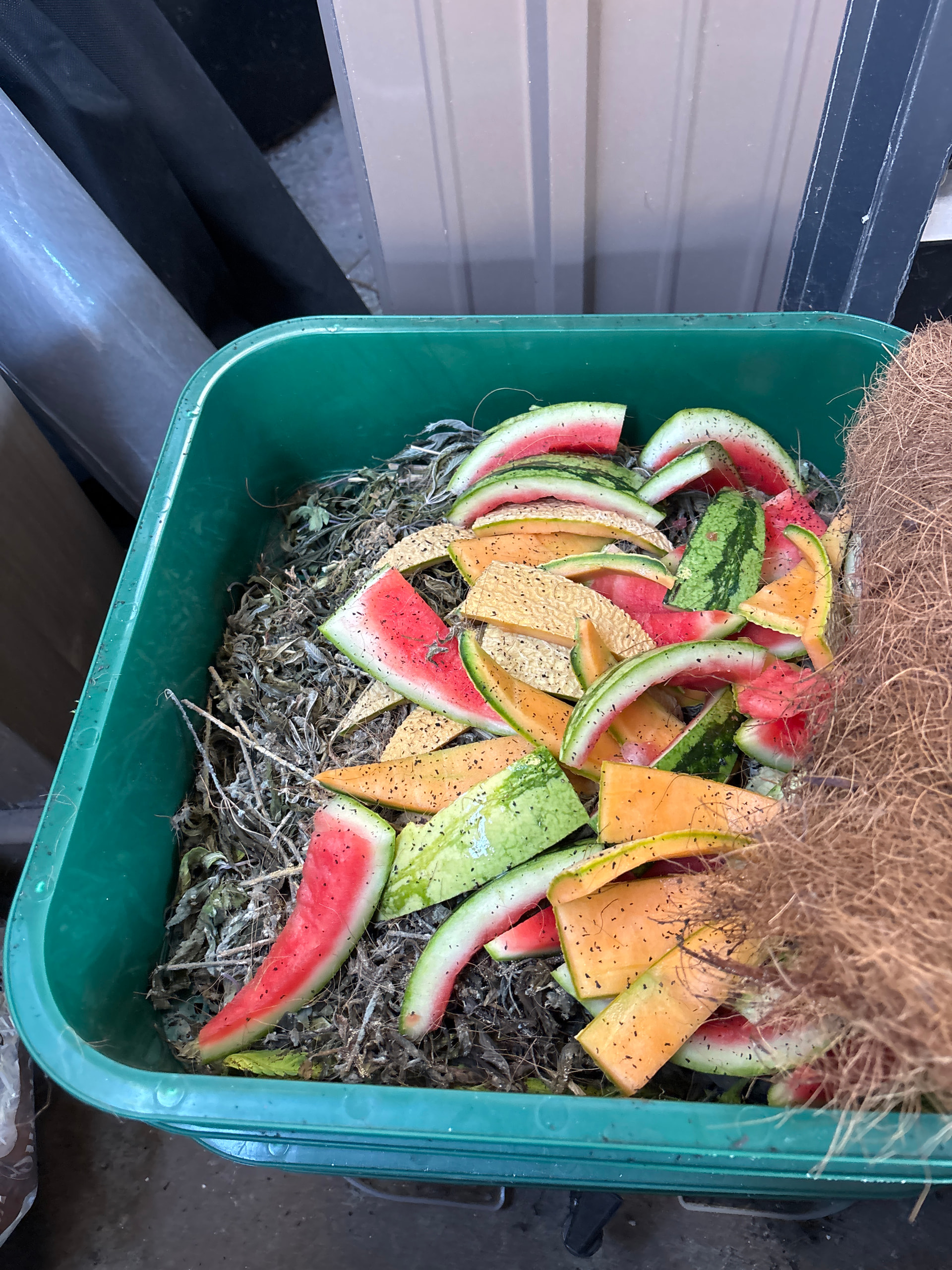
I’m a plumber, and I’ve been seeing and literally smelling shxt for many years, no smell ever impressed me, not even dead animals in the field sometimes, or rotten garbage… but this… lol I swear I have to encourage myself to open it lol it’s undoubtedly the most horrible or stinky thing I will ever smell, I can’t imagine anything so stinky, so concentrated and thick lol it better be worth it, I don’t take pictures, because I wouldn’t have that bag open for more than 1 second more than absolutely necessary lol, in 10 days when the smell disappears I will take pictures of the state, gradually I add diatomaceous earth if I put in fresh material to maintain humidity and prevent it from becoming mud and keep it fluffy and aerated.
Today I added, among other things, a local orange, which they plant all over the city (they are always bitter, you can’t eat them) and I always check what I put in.
Neroli and Petitgrain Bomb (Rare Terpenes): While a ripe orange only has sweet limonene, a green, immature orange concentrates brutal levels of Linalool, Linalyl Acetate, Geraniol, and bitter Myrcene (the same compounds industrially extracted for expensive Petitgrain oils). These are very powerful phytostrengthening molecules.

sounds great, I also added wild nettles, tree leaves, weeds, etc., a very small amount of everything, of course, but enough so that once dry and crushed it reaches all the substrate, I have until Sunday to continue adding, as I travel for work I collect from many parts of the city, also if I see wild soil (far from chemicals, cultivated fields, etc.), the more distant one sample is from another, the better it seems to me since you add very varied and distinct microbes and organisms, pests don’t worry me at all, according to what I read, and my nose can testify, they cannot survive in these conditions, it is at 55º C in the shade, meaning due to the bacteria, and the sulfur kills everything, and if anything were still alive, the diatomaceous earth will kill it, however, I have so much variety that when I finish I will probably only put 5% into the normal substrate, to see how it reacts, and if everything continues well, keep adding to the surface periodically to see how they react, the truth is I’m very excited to have found another one of my silly things to entertain myself with.

what I wanted to recommend to you, besides chitosan, is triacontanol.
I’ve been using it for a week and it’s very noticeable, just like chitosan, although I’ve been using that one longer and I’m sure, when I found chitosan I thought I wouldn’t find anything better, until I found triacontanol.

Triacontanol tc 98% (Generic) less than 10 bucks

Function: Natural biostimulant fatty alcohol that increases photosynthetic rate, chlorophyll levels, and optimizes stomatal opening.
NPK: Not applicable. improves growth more than 30% in all phases of the plant, plus, my friend, it can be used throughout the plant’s entire period, even in flowering as I am, both via roots, and with a soaked cotton swab touching large leaves or the stem, away from the buds.
you don’t have to cover the plant, it reacts upon touching it.
long-chain saturated fatty alcohol (composed of 30 carbon atoms: C₃₀H₆₂O) found naturally in the cuticular waxes of many plant leaves and, very concentrated, in beeswax and alfalfa meal.

Chitosan Oligosaccharide Soluble Powder (Generic) I don’t remember the price, but under 20
Function: Natural elicitor that activates immune defenses against fungi, stimulates phytoalexin production, and thickens cell walls.
most powerful epigenetic inducers and resin elicitors on the planet
NPK: Not applicable

Responder ↗
Smokey101

#14

i am absolutely loving this conversation and also enjoy the fact i will have to re read it multiple times in order to retain it all lol you two have intriguing minds

Responder ↗
3xt3nd3d

#15

Hahaha, I’m curious, I enjoy my curiosity and doing things, I honestly don’t just care about the result, I truly enjoy reading and researching, and on top of that, there’s the bonus that I can experiment, and thanks to the forum, share it with other crazy people, hahaha.

Responder ↗
herr_gruen

#16

I purchased fulvic acid for this cultivation, costs 16 €. It is an organic substance that is formed by the decomposition of plant and animal remains by soil microbes. It belongs to the group of humic substances. The acid penetrates the cell structure and transports nutrients. It is said to strengthen the plants, improve root growth, and make the plant more resistant to stress. It is also used in agriculture and helps the plant grow better and faster. Furthermore, one should be able to harvest faster when using this product. It is used from germination until the start of flowering and can be used with every watering.

I am currently researching which plants I can make plant teas from, what nutrients they contain, and for which growth phase I can use them. Maybe eventually I can get by without purchased fertilizers.

Responder ↗
Smokey101

#17

i feel the same way. i love not only growing the plant and smoking it but learning so much about it in general and also glad this app exists for people to share knowledge and insight

Responder ↗
3xt3nd3d

#18

yes, I have some products that contain it and it shows a lot. In my case, it was very noticeable because MPK is a very strong mineral and I had to use that to better transport the nutrients. In this case, it works for mineral and organic, I love them. I didn’t know anything about all the rest honestly, but that explains why they seemed to work so well the last time, which was the first time I used them. I really like what you’re saying; I’ll be back to organic soon, although now I use organic for vegetation and mineral for flowering. There’s really a big difference with organic, the buds look like stones. I’d like to know how to prepare my own and what they contain. Also, the water here comes with 1800 EC, and with mineral [nutrients] I’m forced to use deionized water, it’s not optional. Luckily I bought a distiller that mimics a rain filter; you put 4 liters and it heats and evaporates it to collect it in an external container. It’s pure water with an absolute EC of 0; the water has absolutely nothing in it besides the products I add.
So as you can see, I’m interested. I bought IBA-K, which is the hormone Clonex uses but the soluble version. I also have cytokinins and gibberellins, although so far I’ve only tried IBA-K to make a homemade rooting agent. But for cuttings, I still haven’t figured out the PPMs I need; I’ve already made 2 mistakes :(.


The clones, on the other hand, have rotted; I failed at something.
The healing agent turned out great; it contains aloe vera, silicon, cumin.
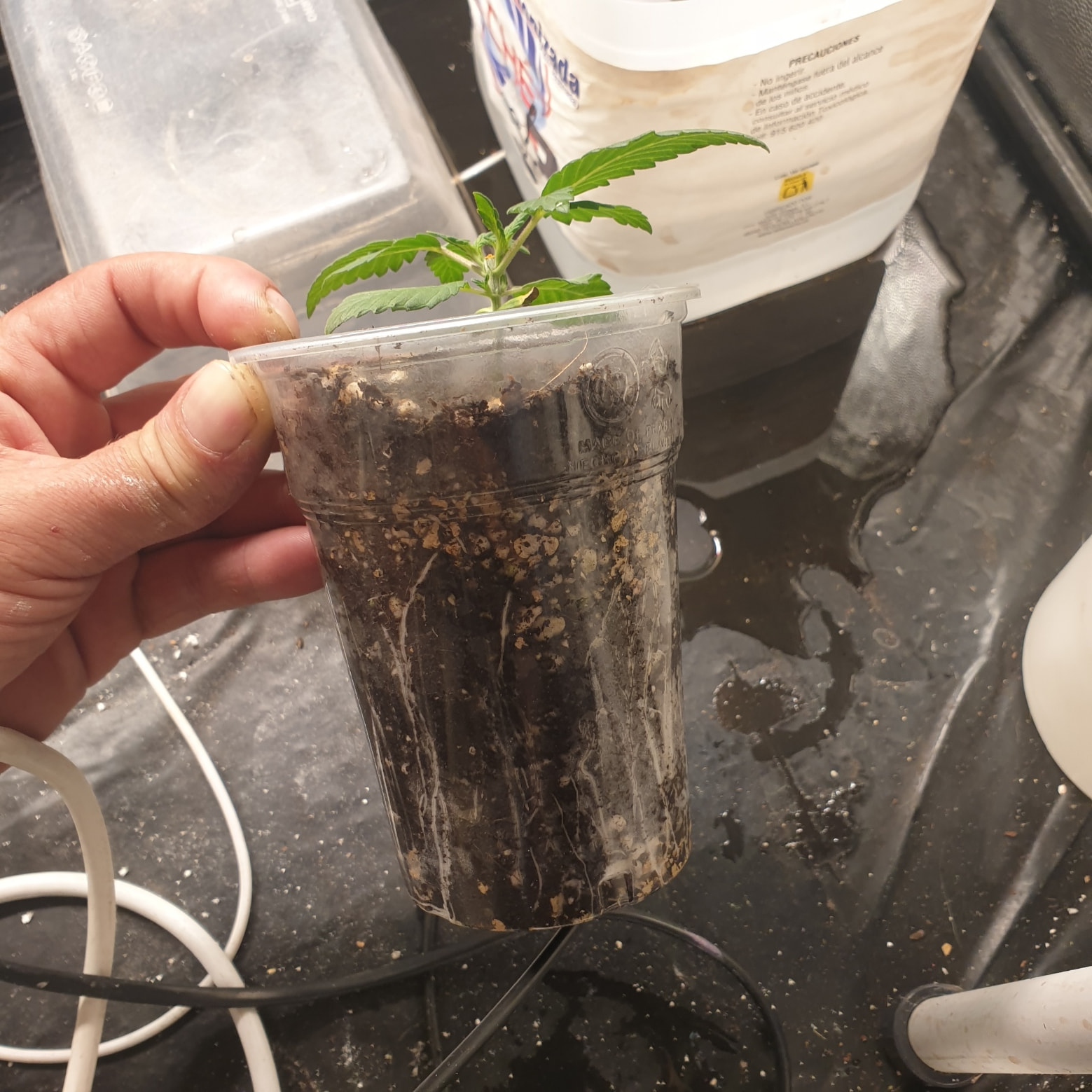
Also, I wanted to experiment with a recently germinated seedling by putting cytokinins between the cotyledons, but it didn’t work and it’s growing normally. In theory, it should directly develop several apices from the beginning lol

Responder ↗
herr_gruen

#19

I’ve found a few plants here that are said to increase terpenes in cannabis when they grow together

  1. Basil and Dill: attracts beneficial insects; the stress thereby signals danger, the defense reaction is increased terpene production
  2. Lavender and Lemon Balm: it is assumed that terpene formation is stimulated via an aromatic compound / communication?
  3. Yarrow: is known to increase the production of essential oils in surrounding plants
  4. Chamomile: it releases compounds through its leaves and roots which increases the production of essential oils and protects the plant’s roots from fungal infections
  5. Peppermint: the strong terpenes of mint (like menthol and limonene) create a strong olfactory shield that forces the cannabis plant to counteract with its own terpenes to mark its territory
  6. Coriander: contains a lot of Linalool, which attracts predatory mites and other beneficial insects, stimulating trichome production to form more resin as protection
  7. Marigold: it secretes chemical signaling substances into the soil through its roots, which causes the cannabis plant to produce defense compounds (terpenes)
Responder ↗
3xt3nd3d

#20

Great, some I already have in the compost, I’ll try to get the rest, I have until Sunday, I don’t have 1, 2, 3, I know the plants perfectly but I didn’t see any nearby, now that you mention them I’ll go for them, they have strong aromas and I like that

Responder ↗
3xt3nd3d

#21

Join us, friend, if you want, read a bit about what it’s about, and experiment with us

Responder ↗
ICHOPZZ3

#22

I’m on fourth tier in my worm bin I have a lot of cannabis vegetation and trim in there. You have to give back to the plant they naturally mulch themselves. I grow organically currently I’m using White Dutch Clover as a ground cover which is supposed to pull nitrogen out of the air and put it in the soil. I also put a layer of rabbit manure as a top dressing. I use the FOOP Nutrient line and their inoculated biochar. I’m also in search of flavorful weed. I also think that lighting play a big part of it. Along with the genetics. I added some UVA to my main light and run it on the same light cycle. I’m on day 8 of flower. I just adding CO2 today. Coming up I’m going to add two UVB reptile lights around week 3 for one hour and day and gradually increase it. I’m hoping that will stress the plant and increase the flavor. It was a good read!

Responder ↗
Smokey101

#23

i will gladly join in on the convo as well as experiments. been fairly busy with work and find time to stop in here and see whats happening in the community so when im not tired i will definitely give this thread another read and comment on some stuff i wanted to previously and didn’t have the time lol. and nows its 1:14am and will definitely chime in tomorrow with you all

Responder ↗
3xt3nd3d

#24

welcome friend, it’s great that you make your own compost with plants, that’s the best,
although, like @herr_gruen, you use them as fertilizers, or inducers for trichome increase, right?
if you read everything above (the bible) you will see that the idea I’m looking for, or we’re looking for, is not to feed the plant, but to see how it reacts to certain decomposed organic substances (like your compost plants) that cannabis, even if already degraded in the soil, identifies as competition and increases its production/trichomes/smell/flavor, making the plant believe it is surrounded by other plants and competing against them so that it gives its maximum effort and isn’t “lazy”.
the same with terpenes, in my case I’m trying to see if it’s possible to awaken recessive genes that completely change the smell of cannabis; if you read the post above in detail, you’ll read about what the topic of recessive genes is about, to avoid repeating ourselves.

Responder ↗
3xt3nd3d

#25

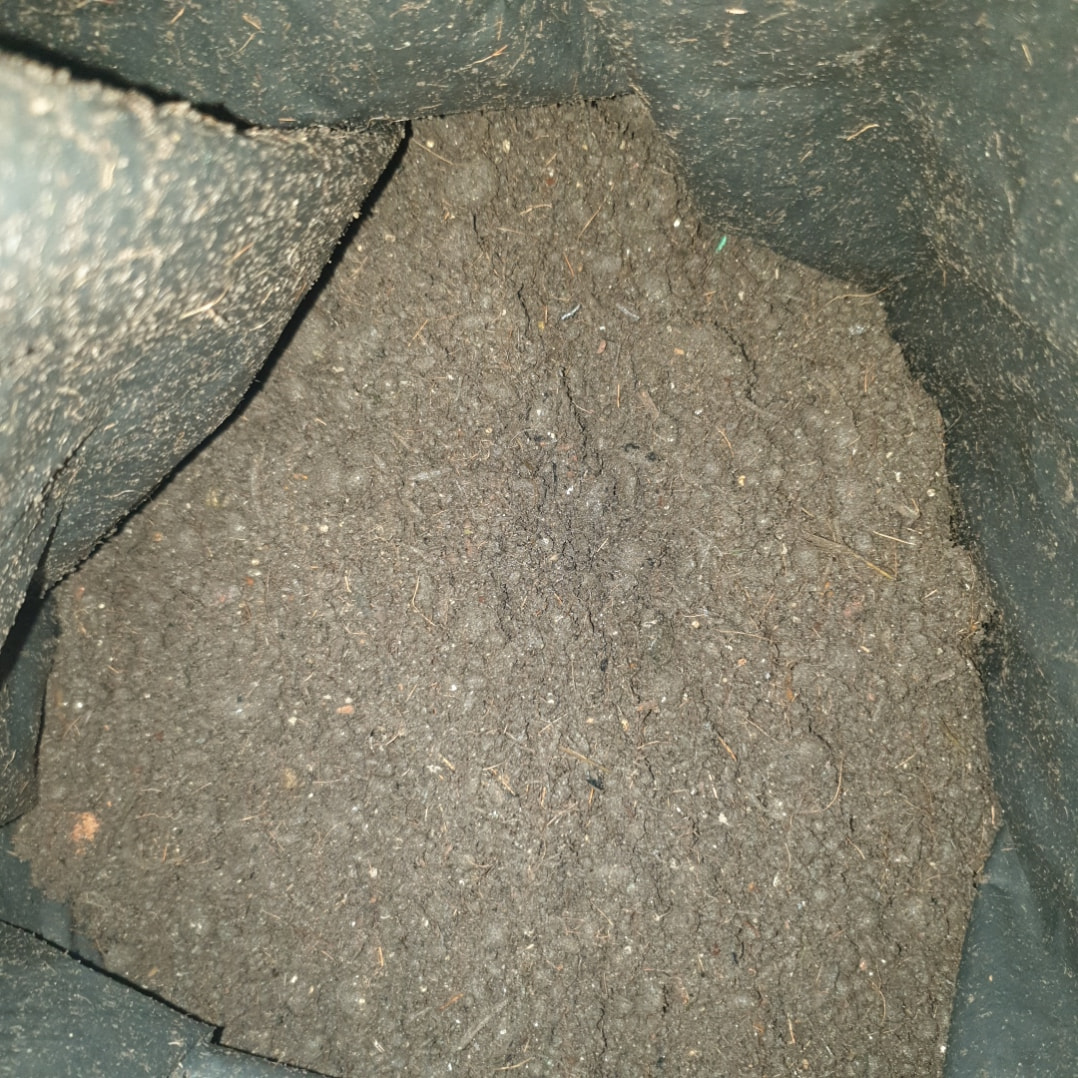
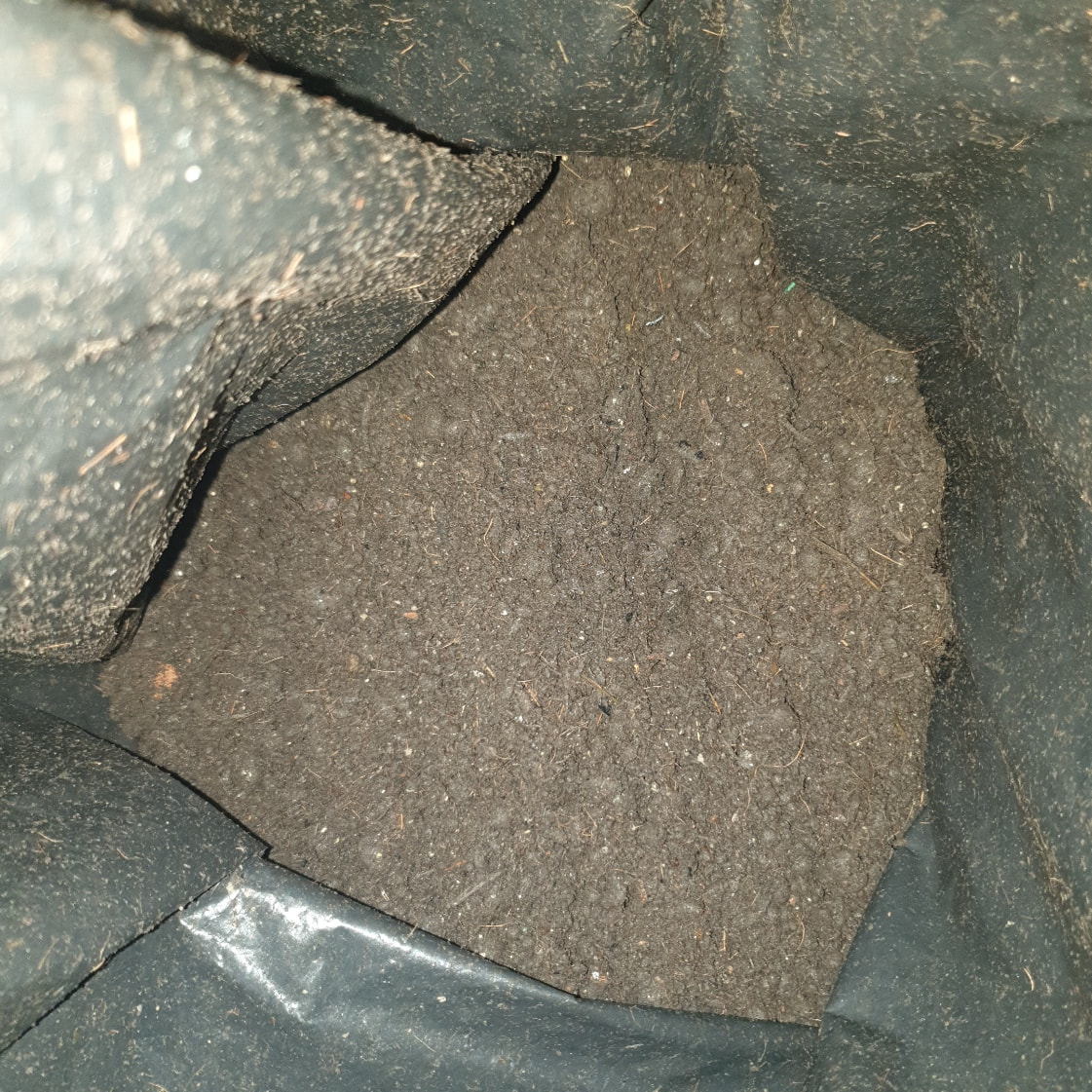
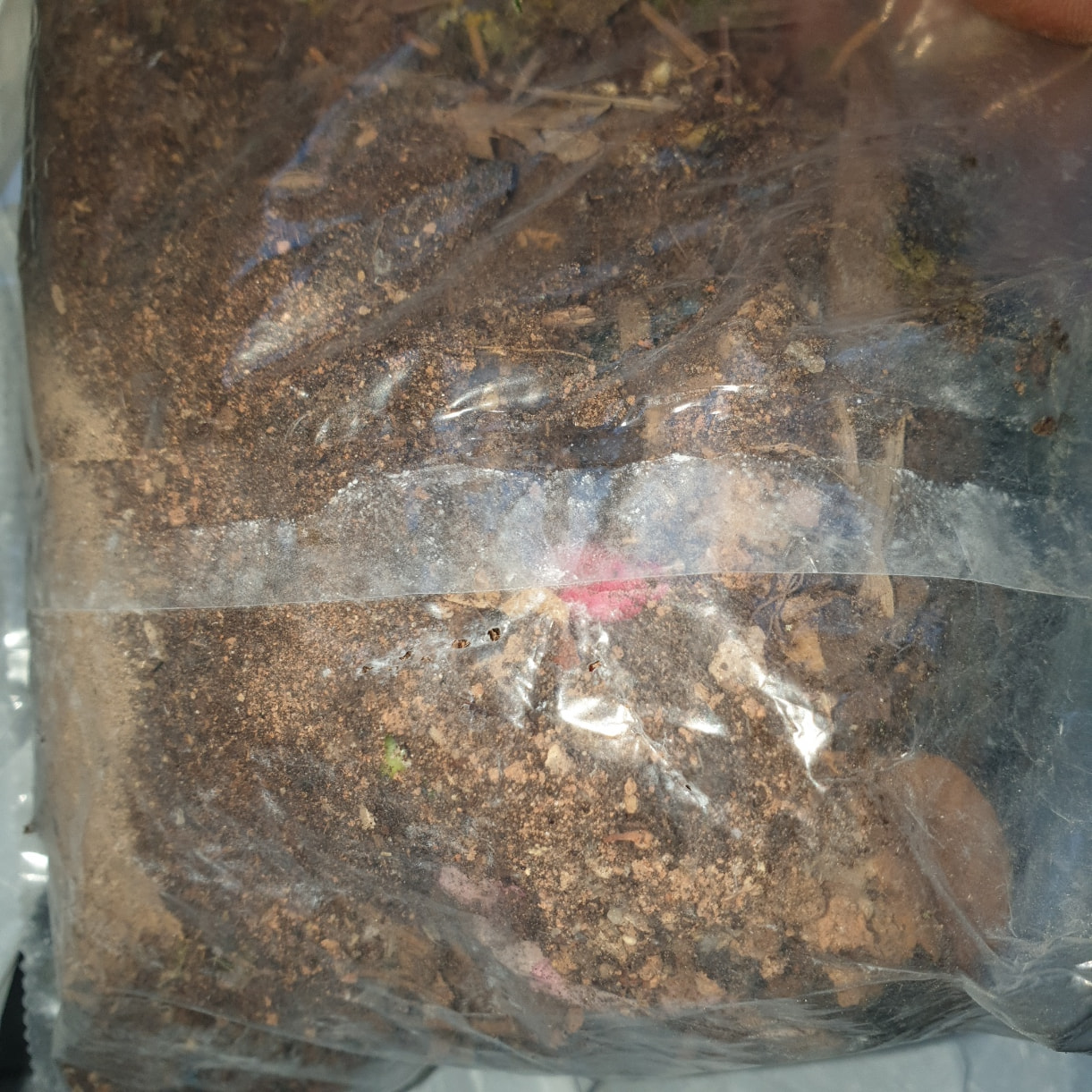
today, on the 3rd day, the temperature of the bag has dropped to room temperature, and the unbearable smell disappeared (even though I put it in the closet with the carbon filter), I took a quick look and the inoculum looks very good and healthy, a distinct, semi-pleasant smell, it’s no longer decomposing more sulfur, it seems to be finished.
today I continued adding 10 more ingredients, as long as they come from nature and are degradable, it works for me, above all, I continue to look for aggressive plants, strong smells, or anything similar, for example, sachets of many types of teas, which are many aromatic herbs.

garlic, onion, lentils, beans, whole wheat flour, sunflower oil, apple cider vinegar, plain yogurt, coffee, margarine, red tea, black tea, English breakfast tea, chamomile tea, spice tea, peppermint tea, yerba mate tea, chili pepper, chimichurri, black pepper, white pepper, linden, ketchup, Heinz mustard, red pepper, lettuce, carrot, peach, flat peach, red grape, cherry, chia, soy, jam, peanut butter, sulfur powder, bay leaf, thyme, cumin, chili, hot sauce, sweet paprika, oregano, rosemary, parsley, cinnamon stick, clove, nutmeg, turmeric, curry, cilantro, baker’s yeast, semolina, dates, pumpkin seeds, sunflower seeds, vanilla extract, tomato, chili peppers, cayenne pepper, green olives, pure cocoa, lemon peel, chilia, panela, small bitter oranges from the city streets, various typical leaves from city parks and streets, weeds from wild/urban areas.

today I added something special, shilajit, it’s a natural gum that forms in the Himalayas at 16,000m altitude, it says:
It is not a plant, but the result of the slow decomposition of plant and microbial matter over centuries, compacted by the extreme heat and pressure of the mountain. It is a fundamental pillar of traditional Ayurveda medicine in India for over 3000 years
it will be very interesting to add it.

not adding whole pieces and only powdered material greatly accelerates the process.
in appearance, the soil looks very healthy, it looks like normal soil, good color, texture, it has already lost the rotten smell… I think everything is going very well.

today I reactivated everything with panela (pure sugarcane extract) and a little more Bud Candy
in reality, many more are already inside, and many more that I will add until Sunday, I can’t let it stop yet

Responder ↗
herr_gruen

#27

The compost already looks really good. I’m excited to see how the plants will grow with it.

Responder ↗
3xt3nd3d

#29

Sure, friend, it might interest you to put certain plants, condiments, or things in the compost, although I told you before so you could see that it’s not the same in the sense that I have almost 100 different ingredients; if a plant touches my compost, it dies, it’s for another aggressive function to awaken genes, not to feed it, take a good look, it’s very interesting.

Responder ↗
3xt3nd3d

#30


Today, luckily, I was able to walk through a park/sanctuary for native birds, I found everything, so I’m very happy. In addition to herbs, trees, bushes, hedges, reeds, moss, collecting at least a little of each plant/tree and even fruits, seeds, empty snail shells, etc.
I was able to collect soil and substrate samples from under the mulch from many different areas of the park where each of those plants naturally composted over the years, such as living forest soil, soil from abandoned anthills, etc., etc., etc. This will provide me with an enormous amount of microorganisms and new matter, bark from various trees already composted, etc. There must already be more than 120 plant ingredients.

Responder ↗

Responder