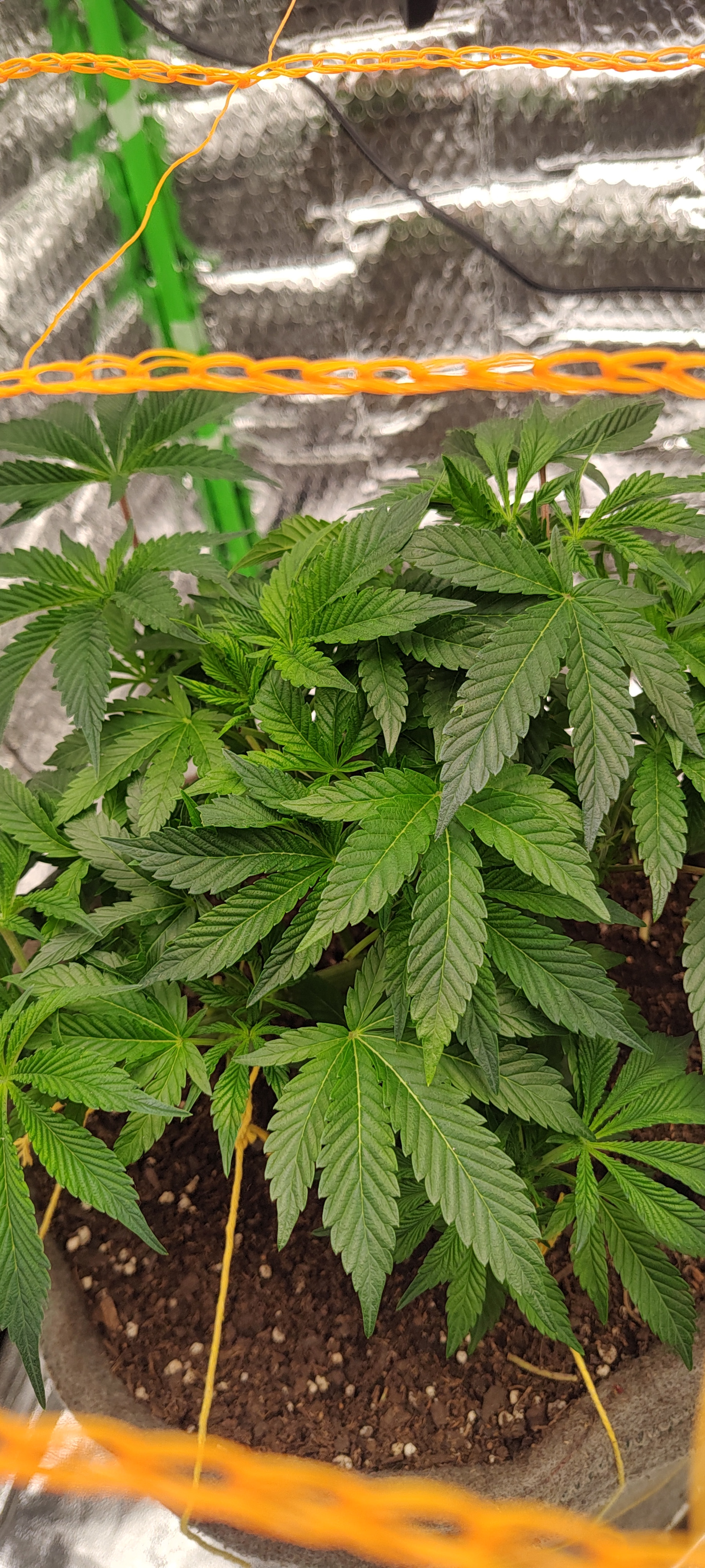
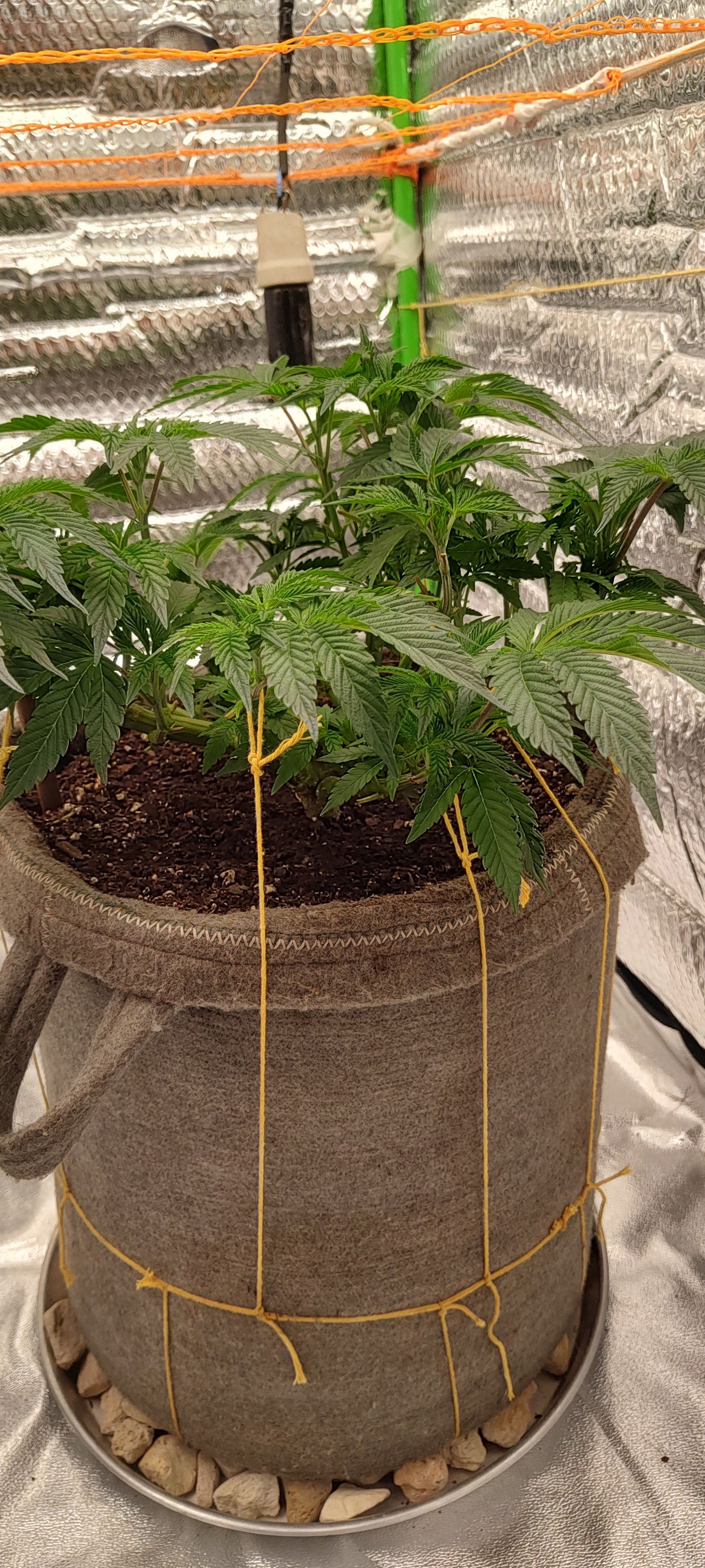
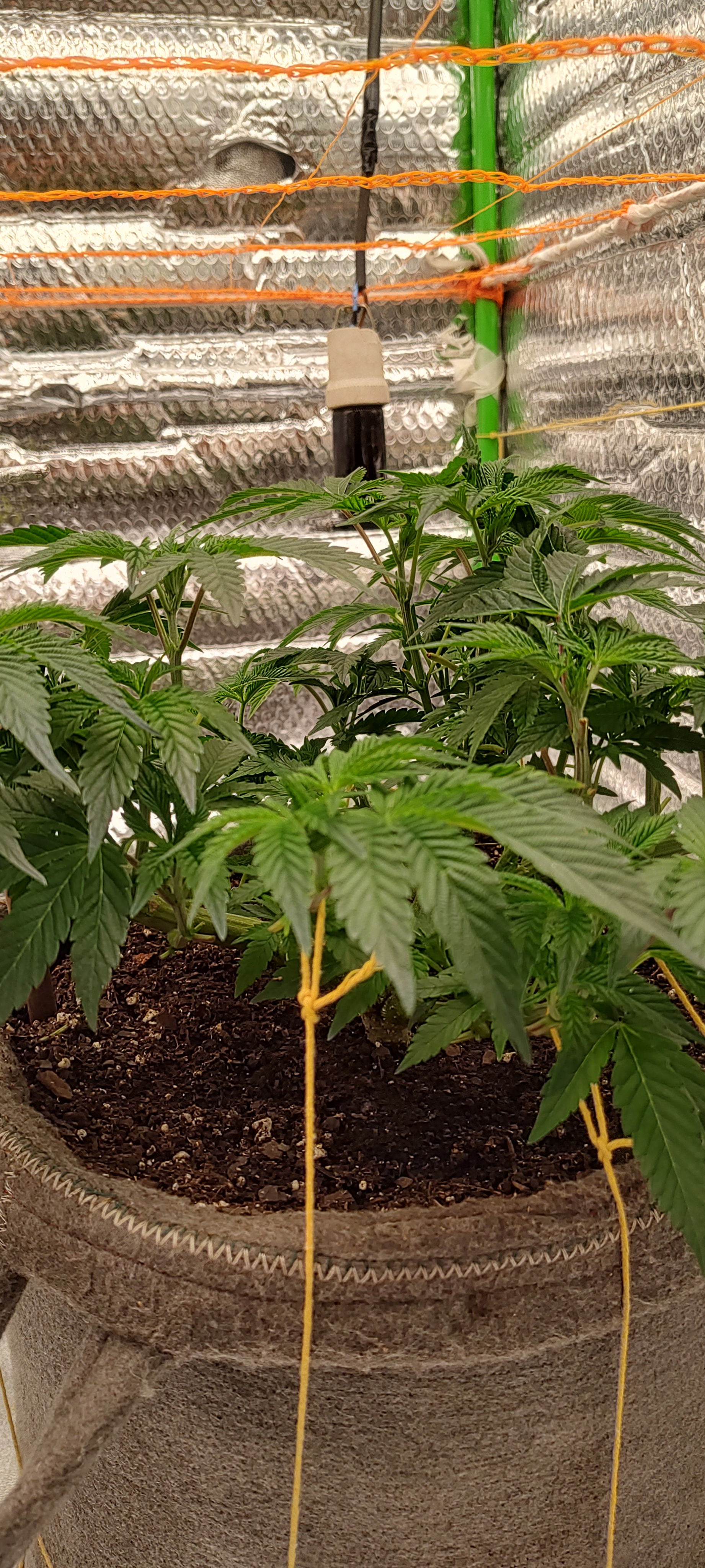
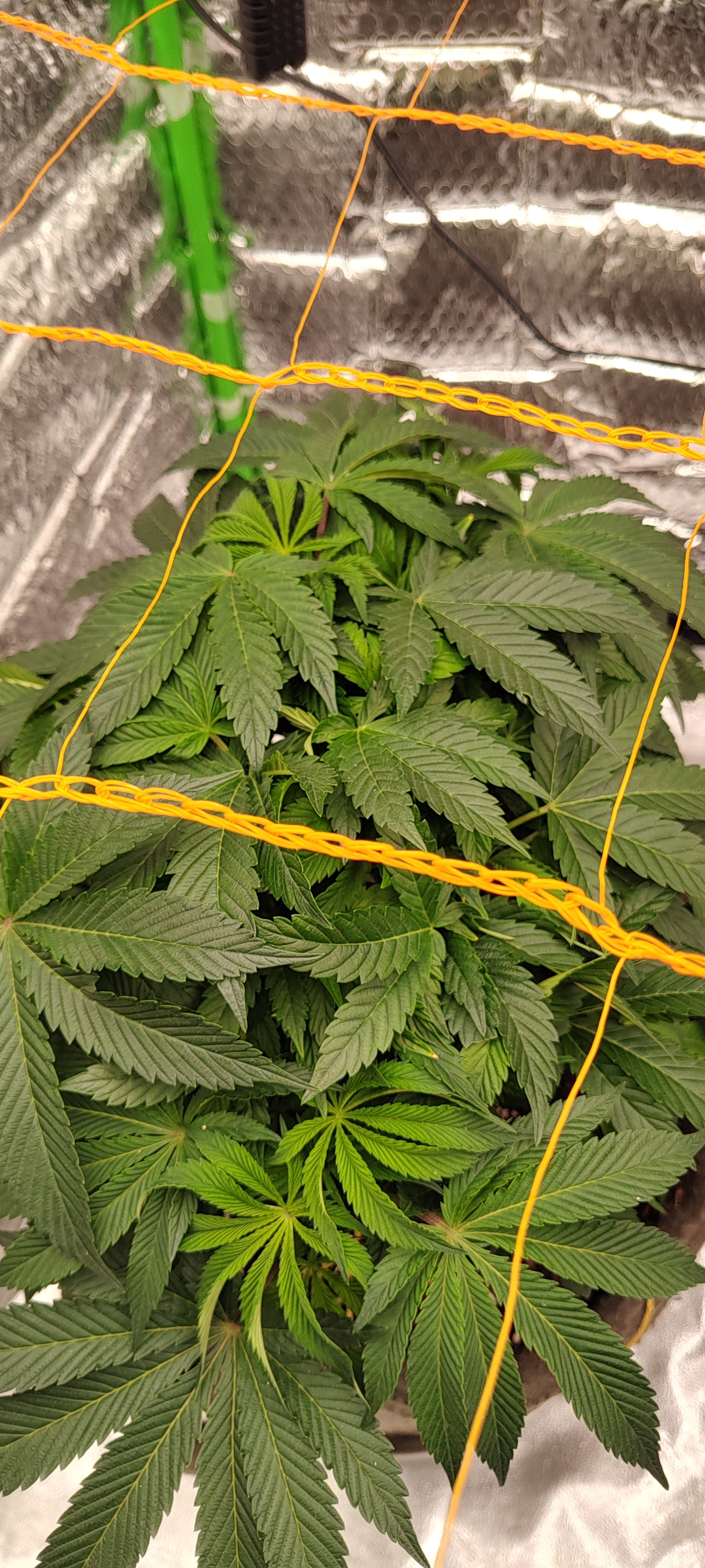
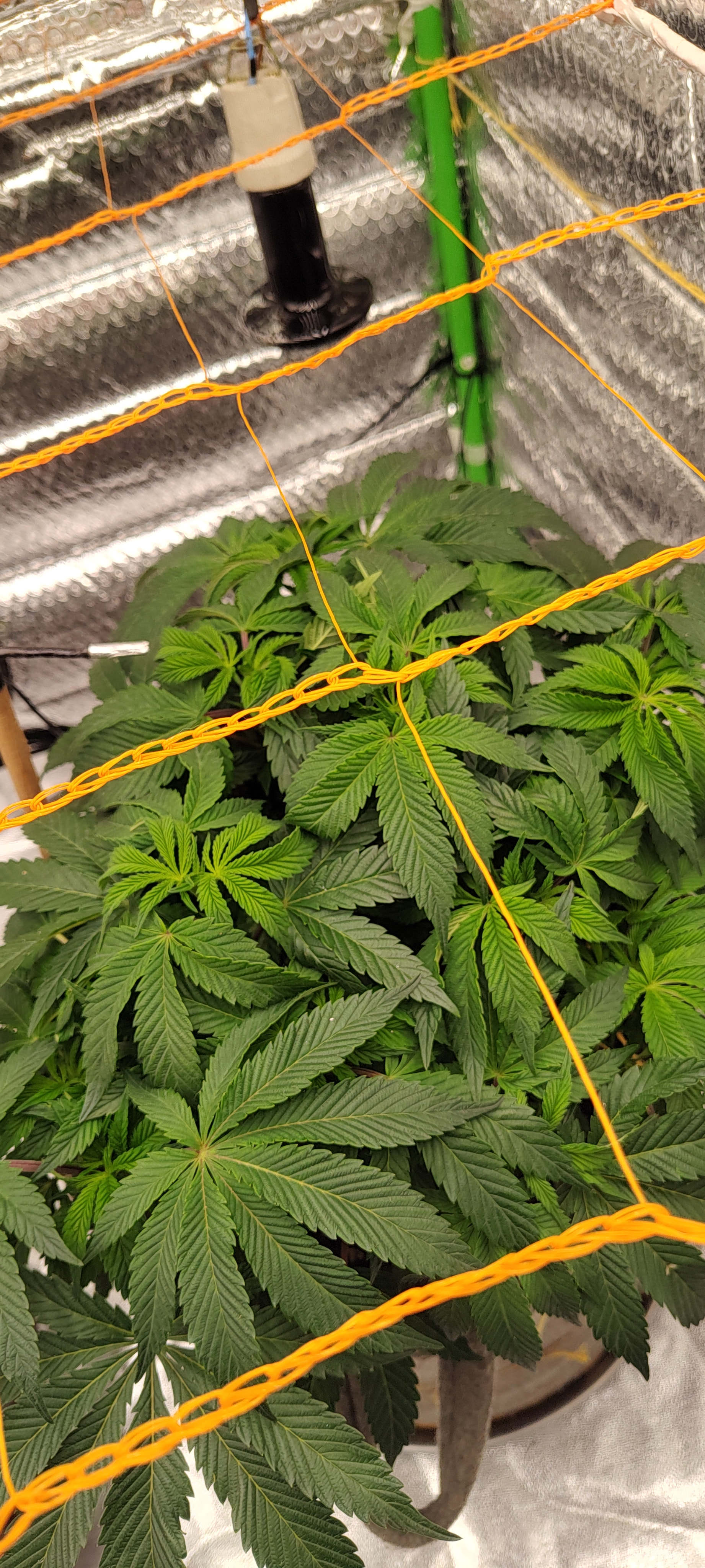
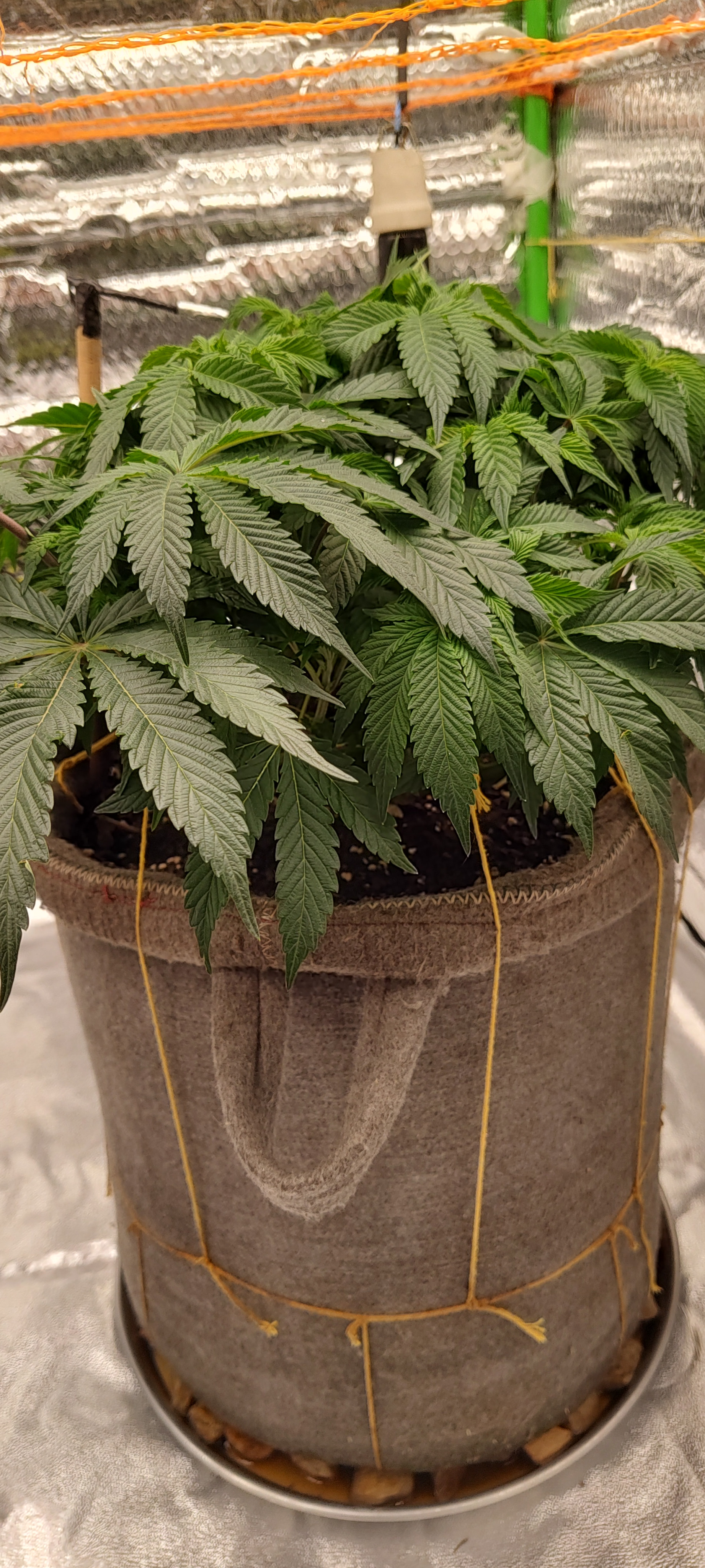
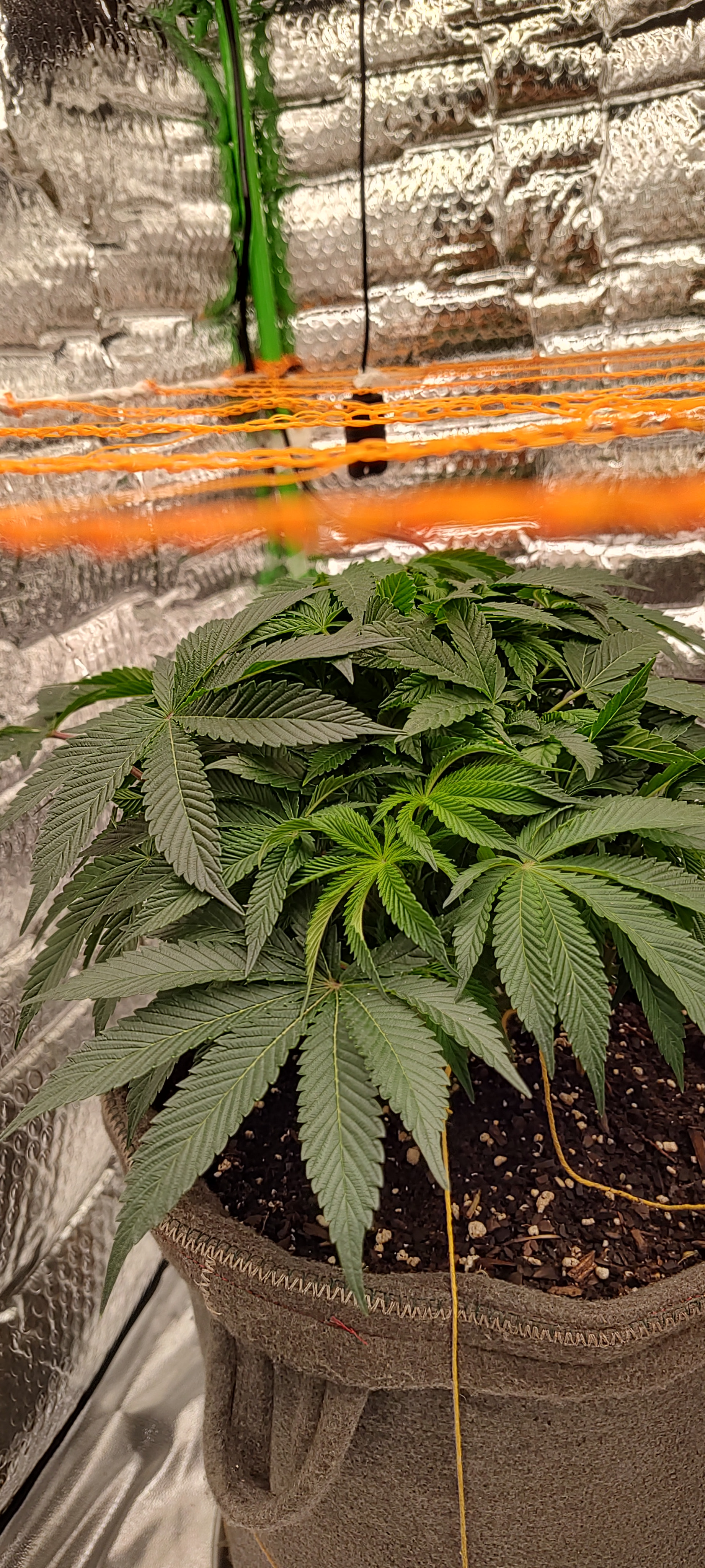
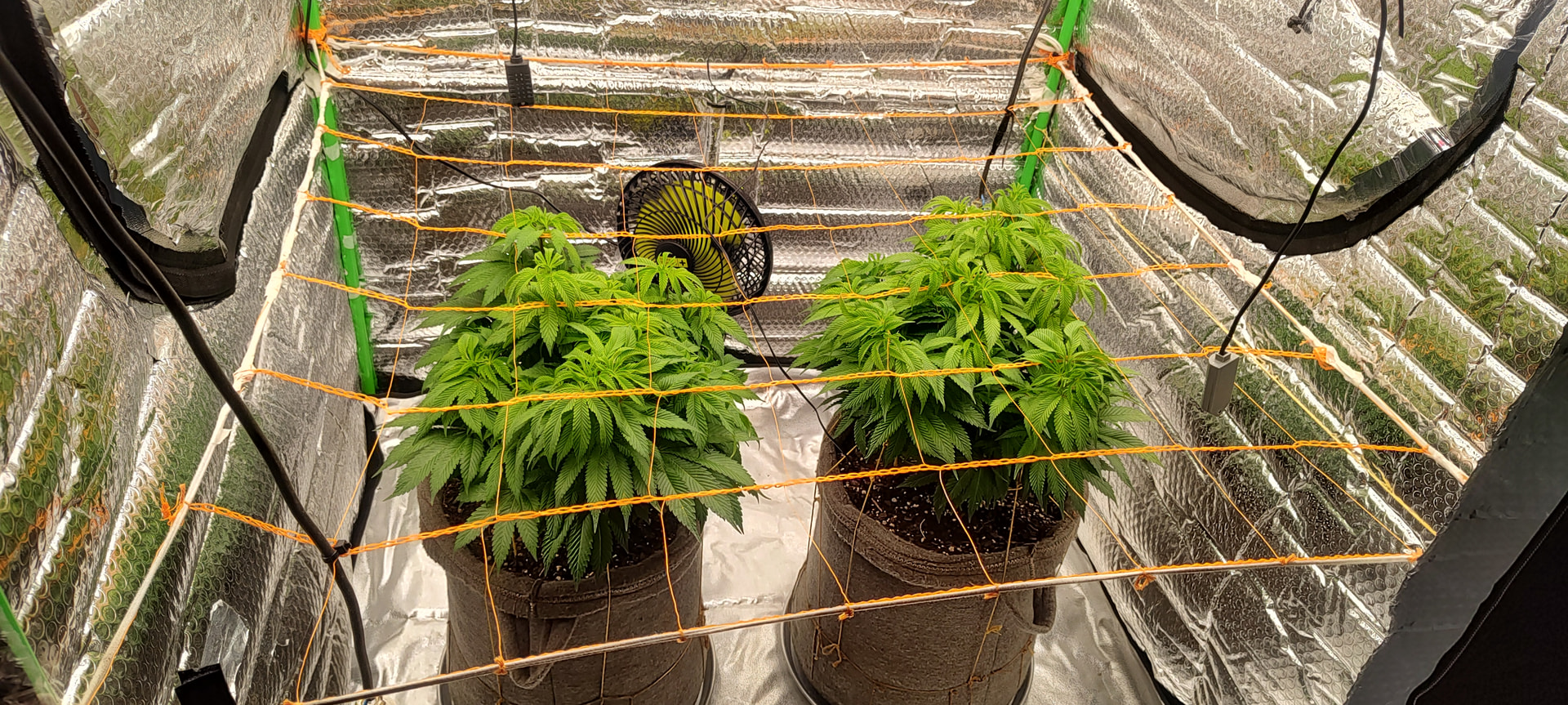
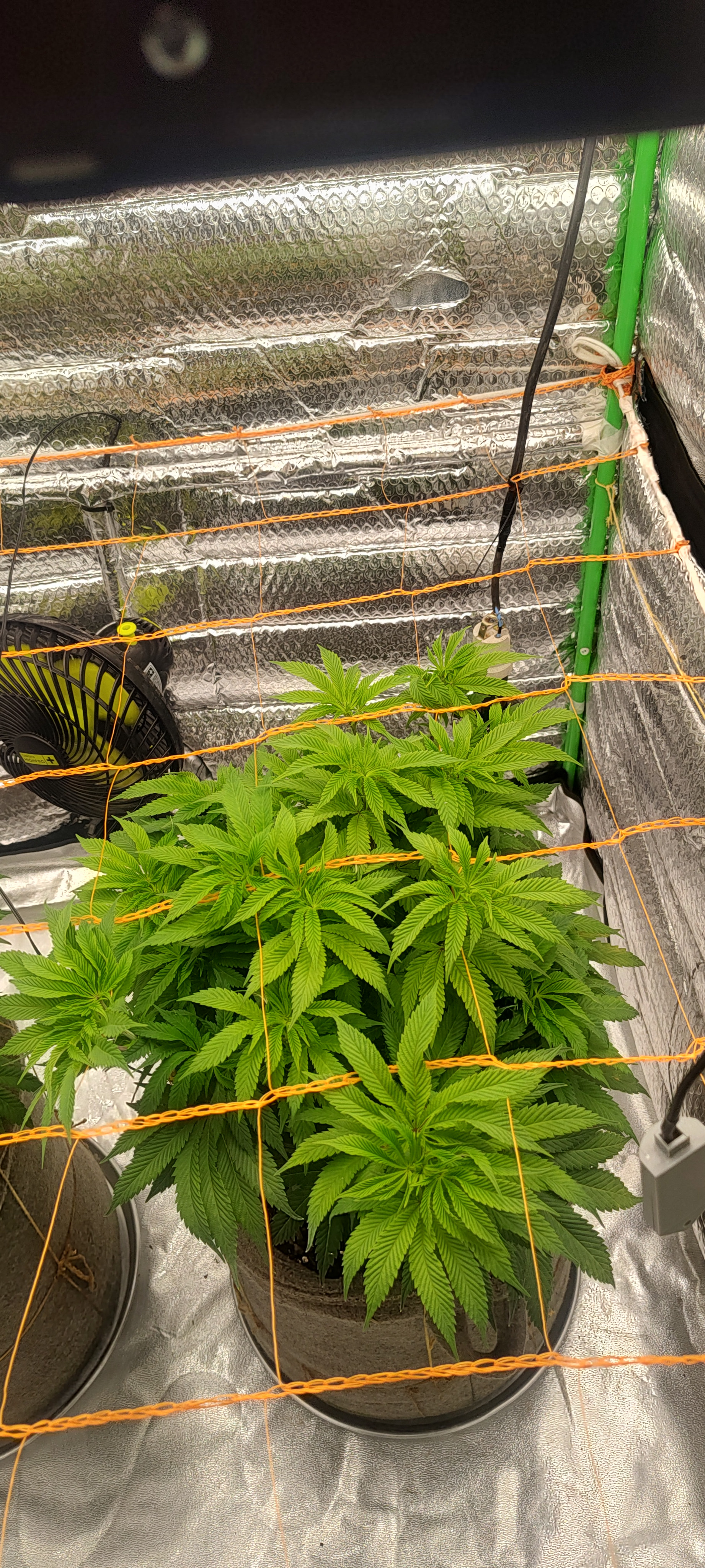
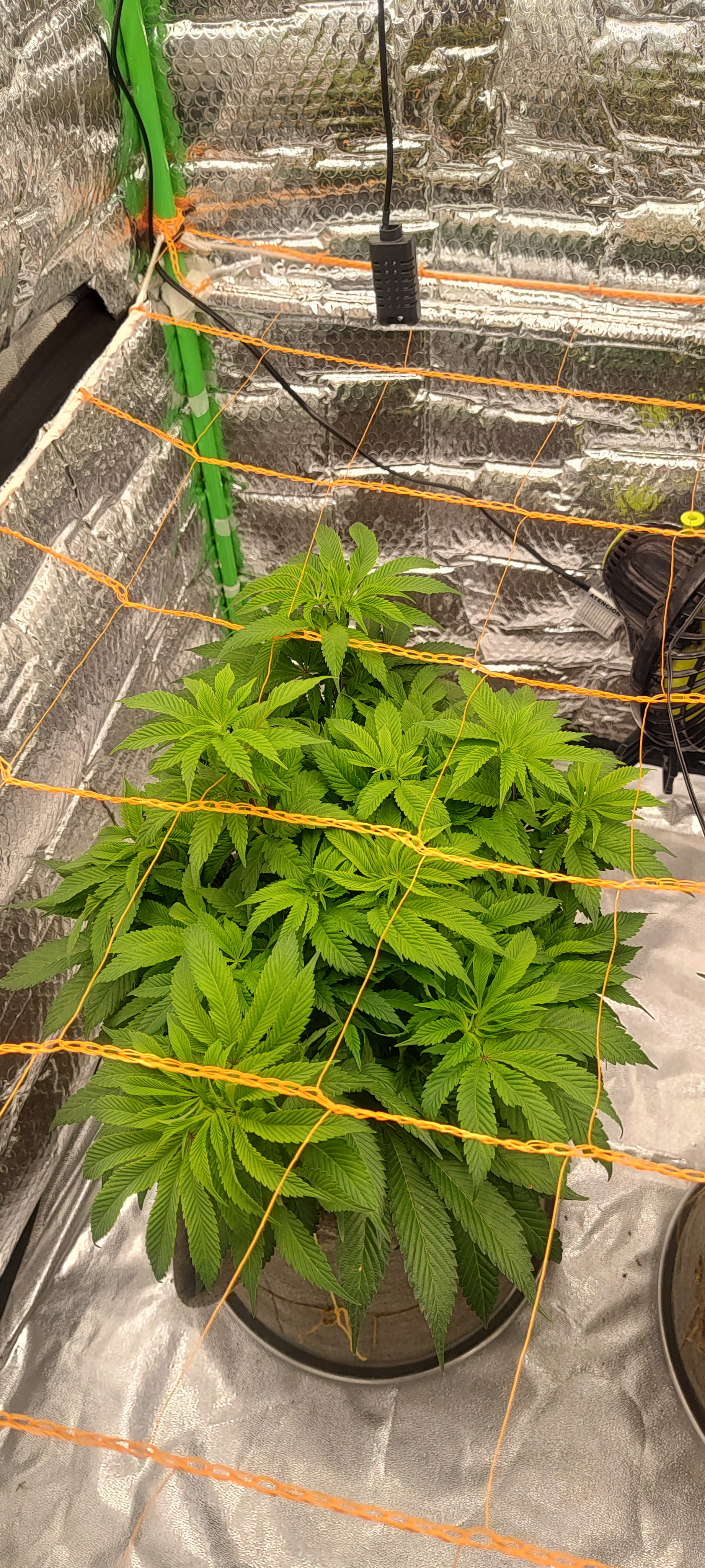
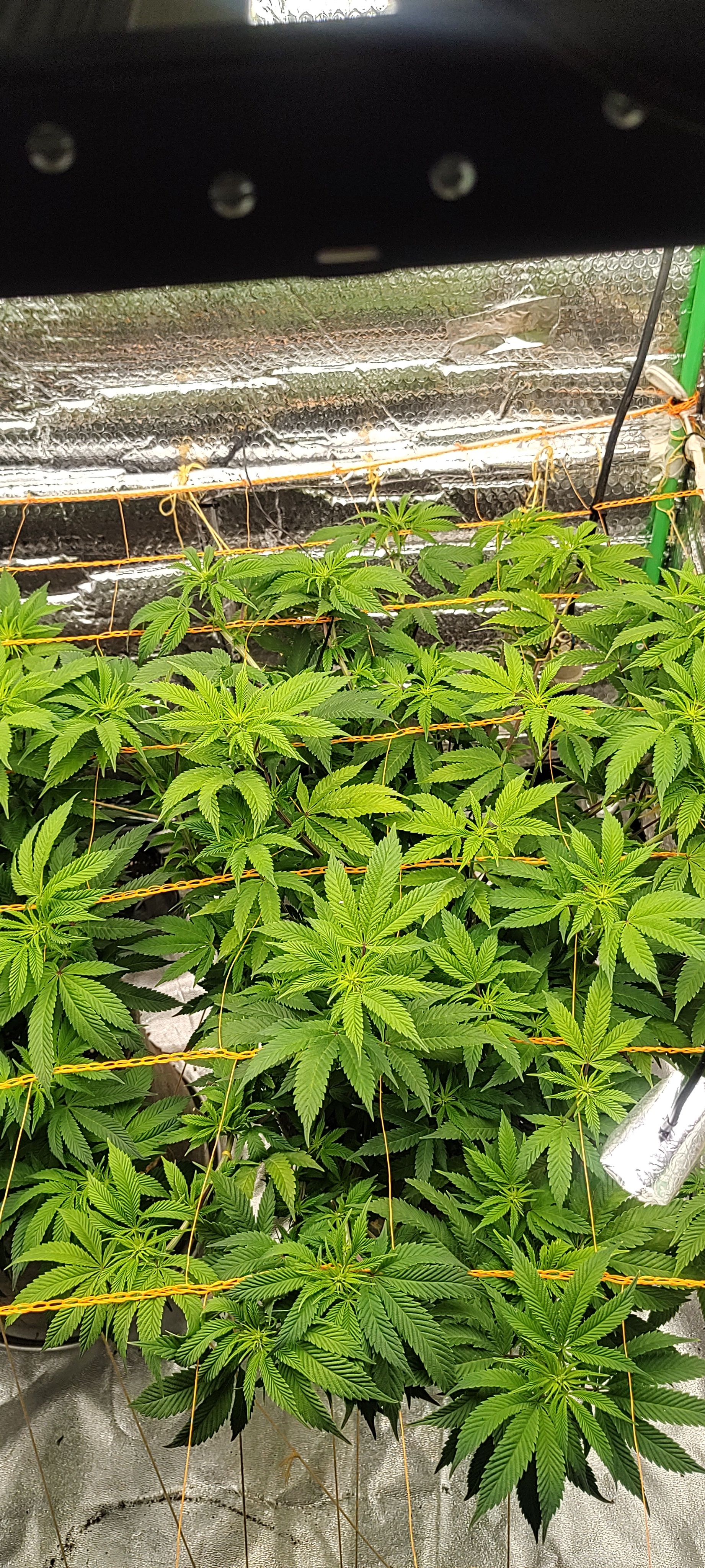
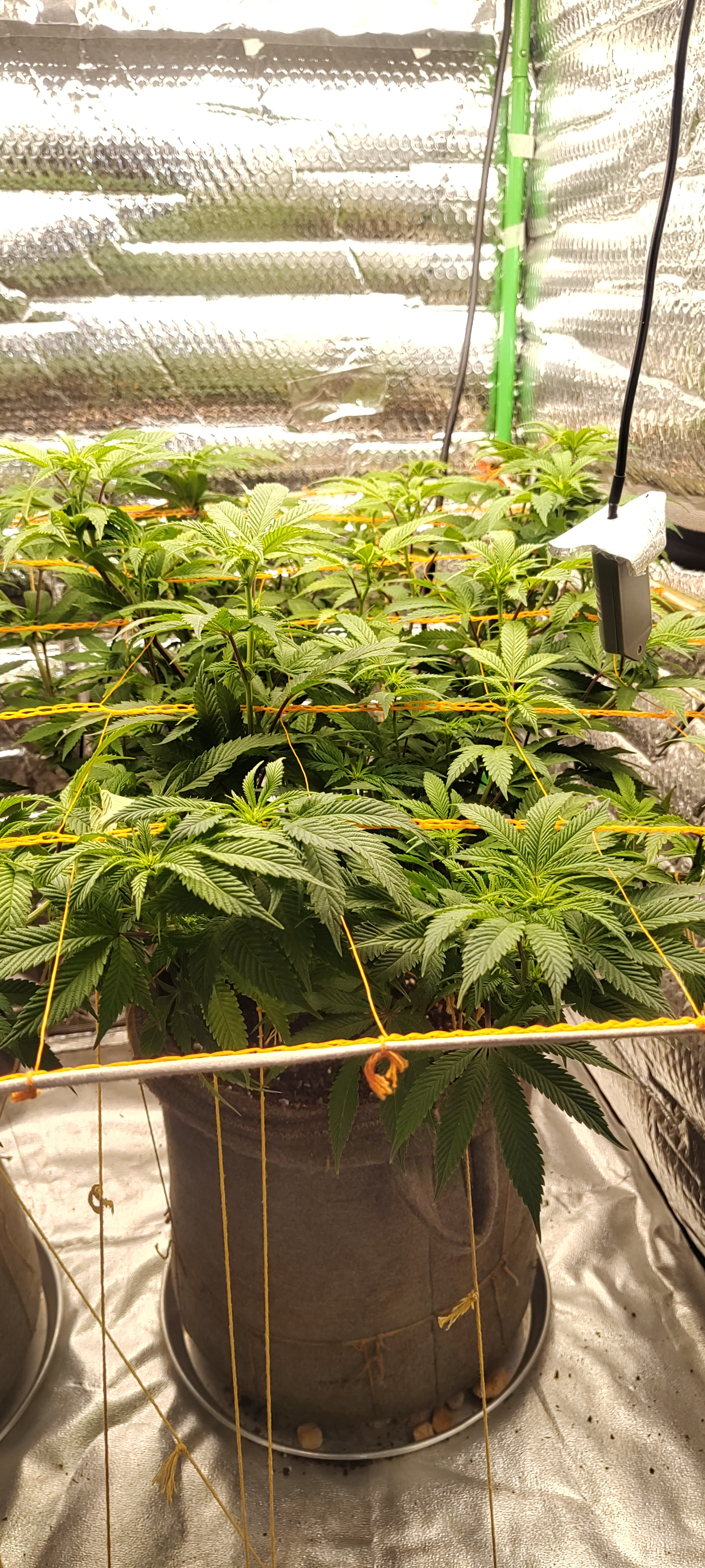
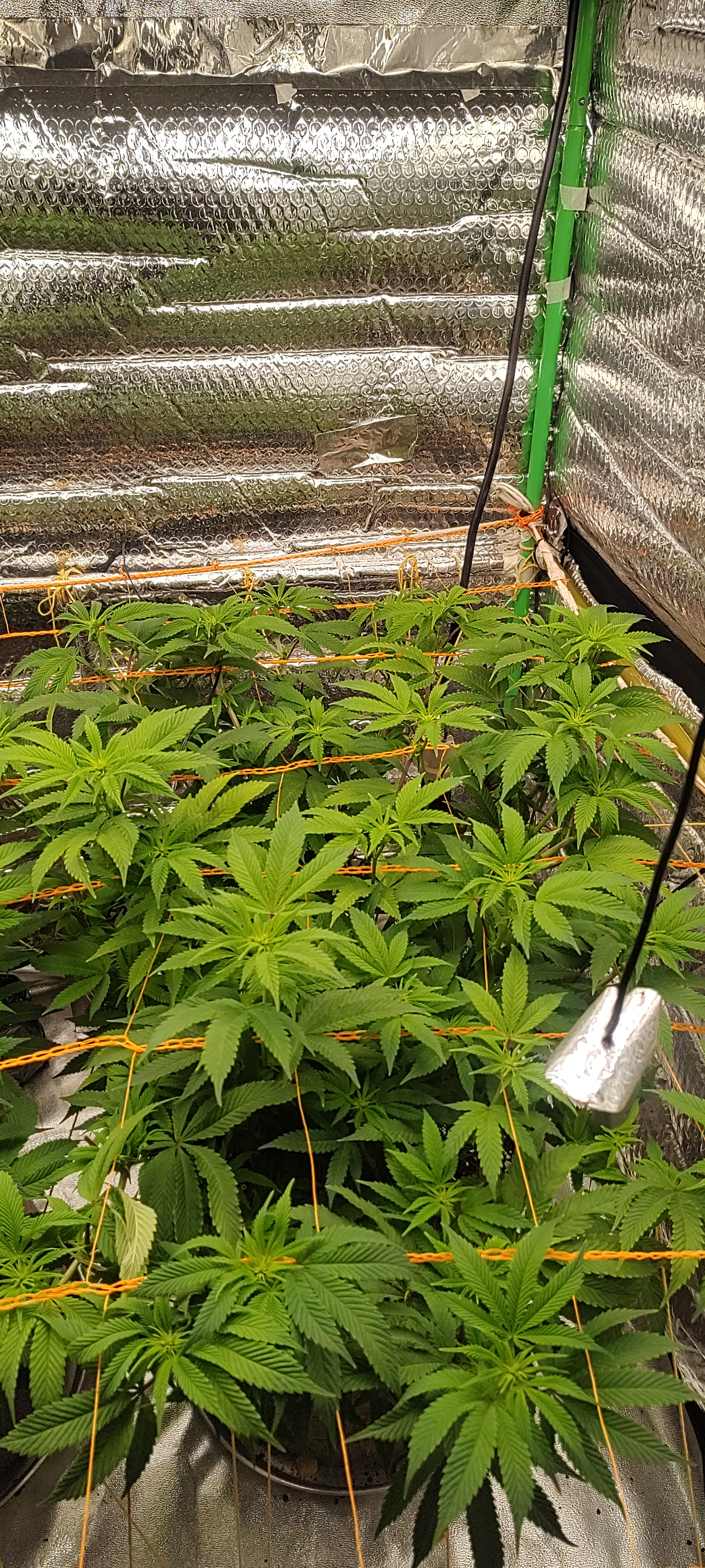
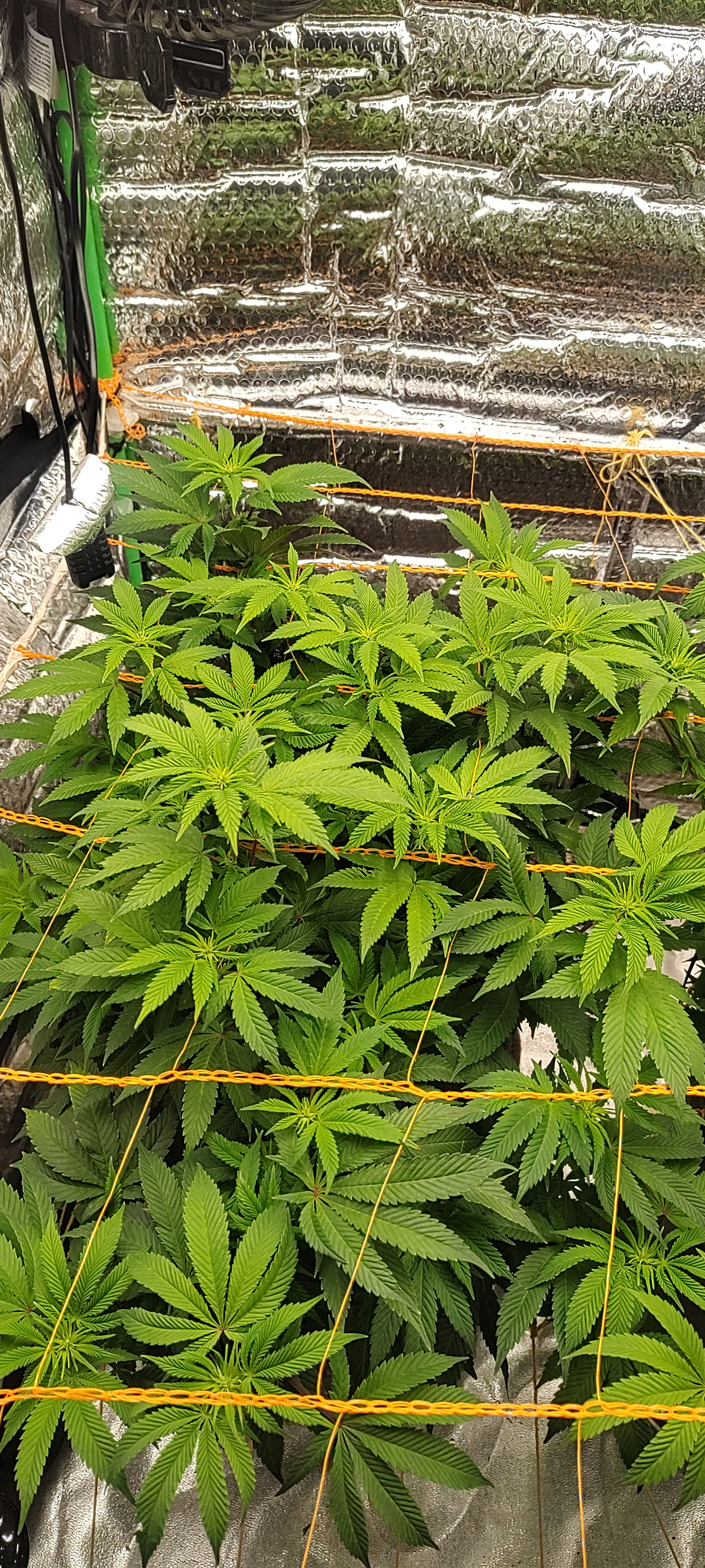
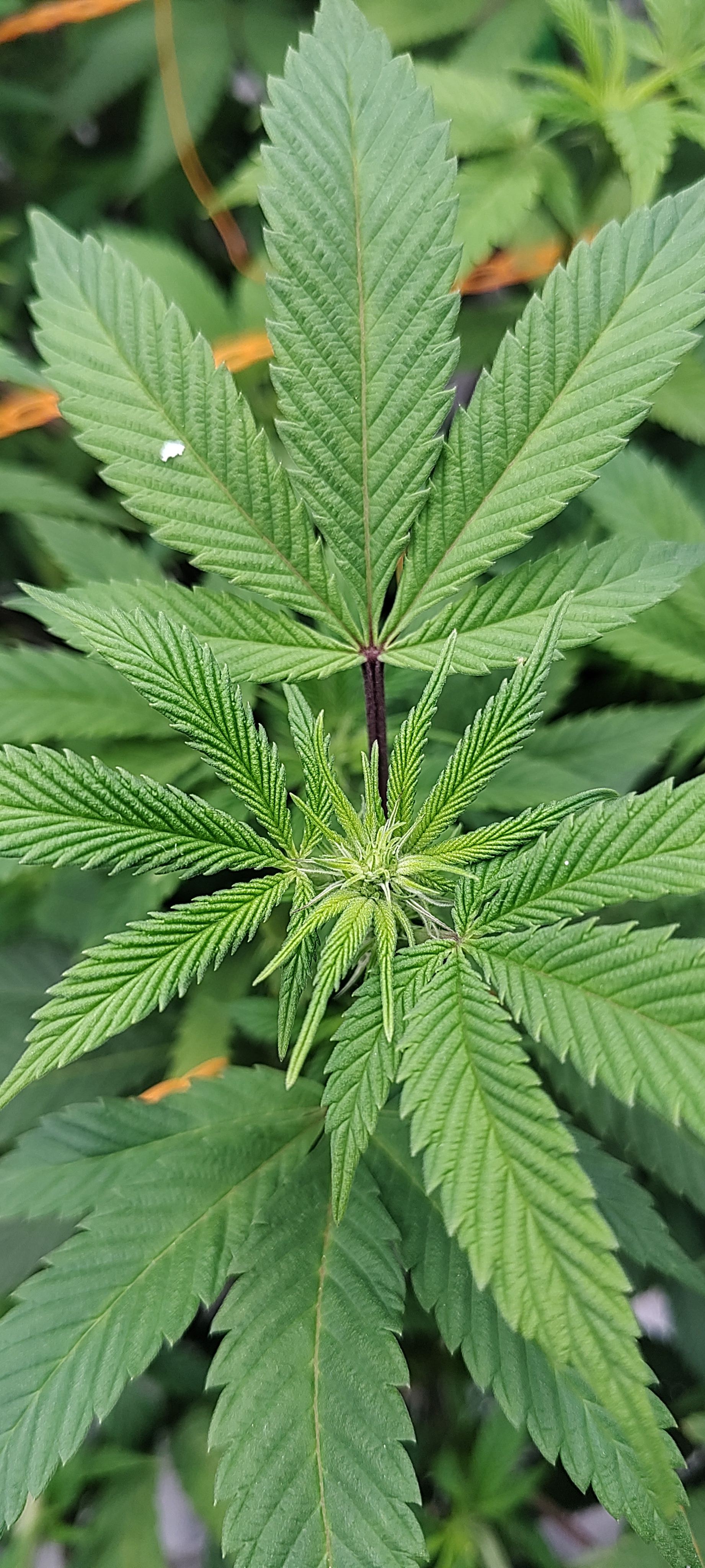
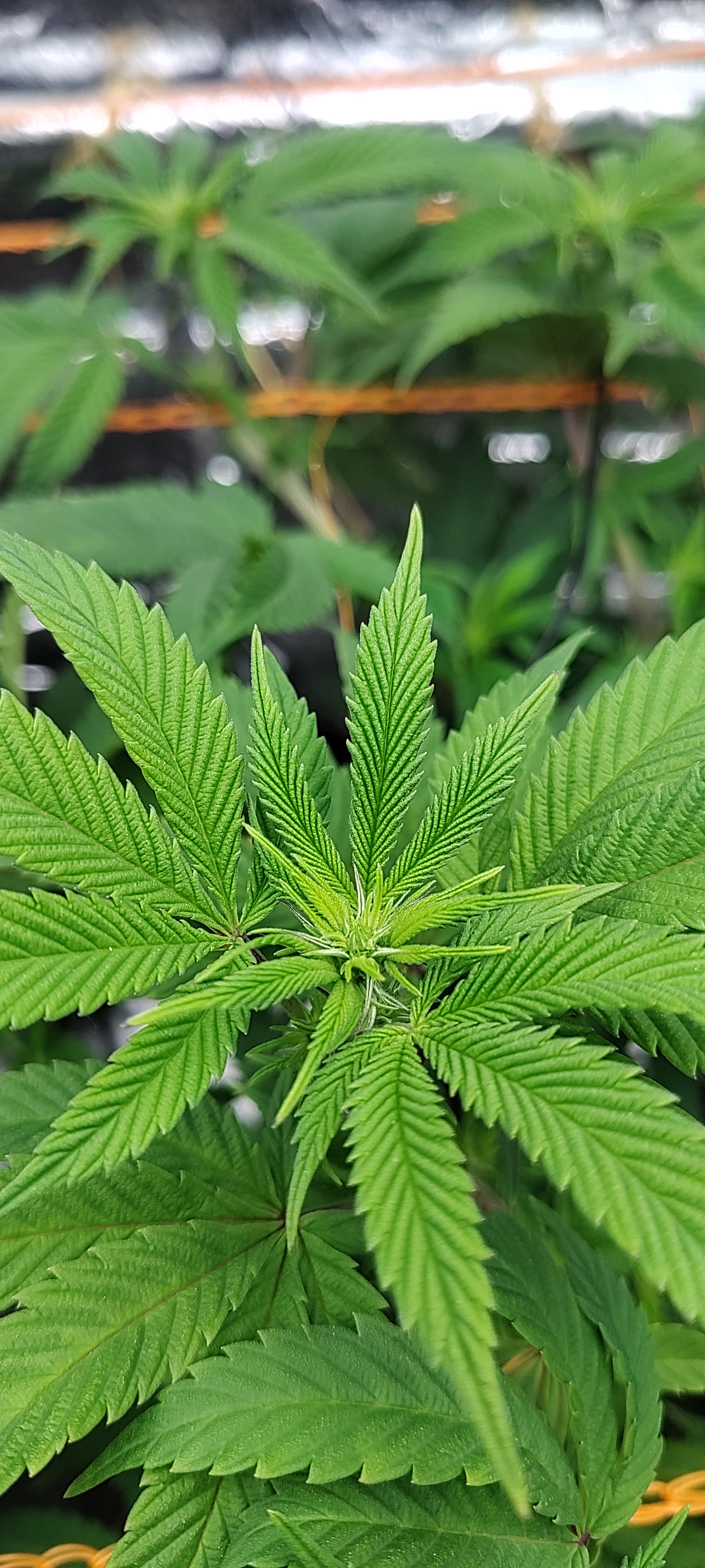
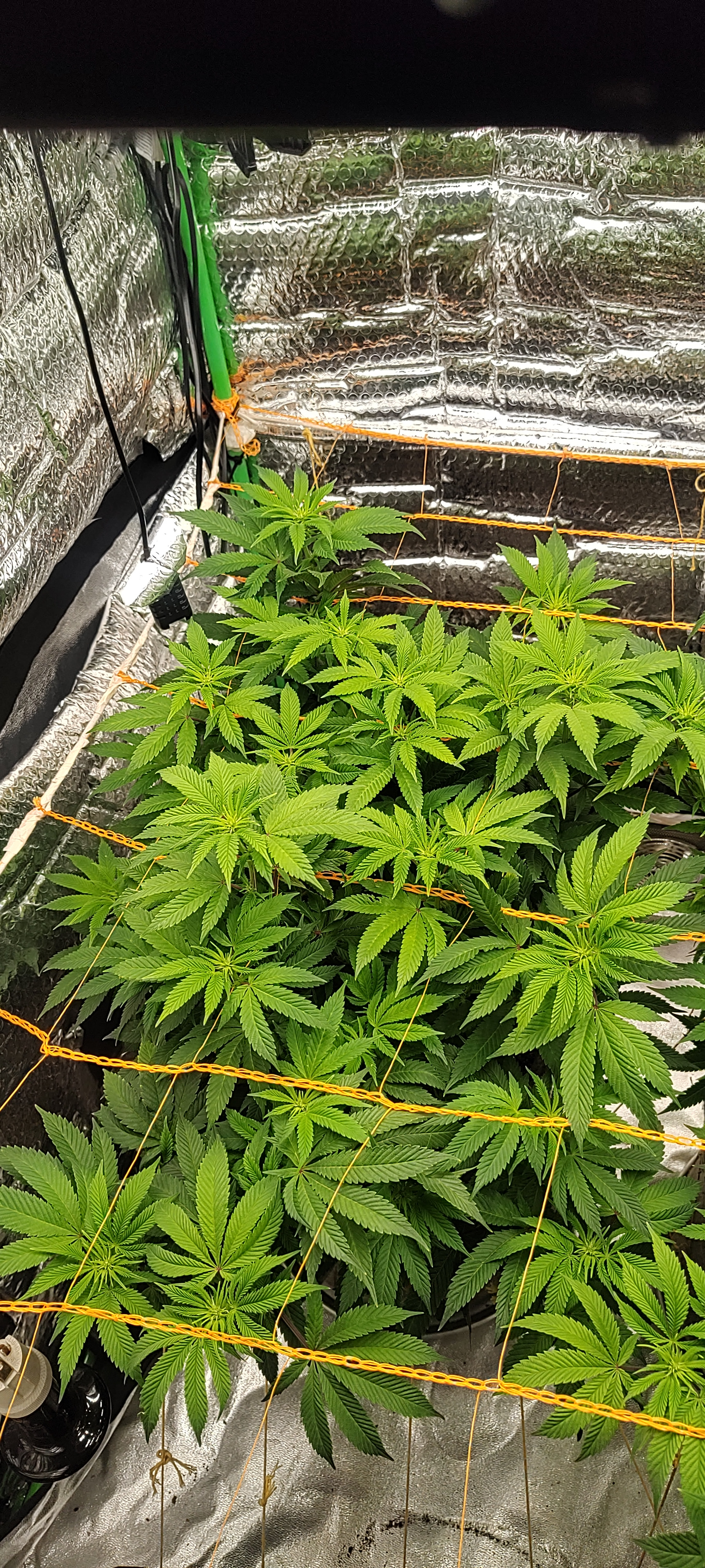
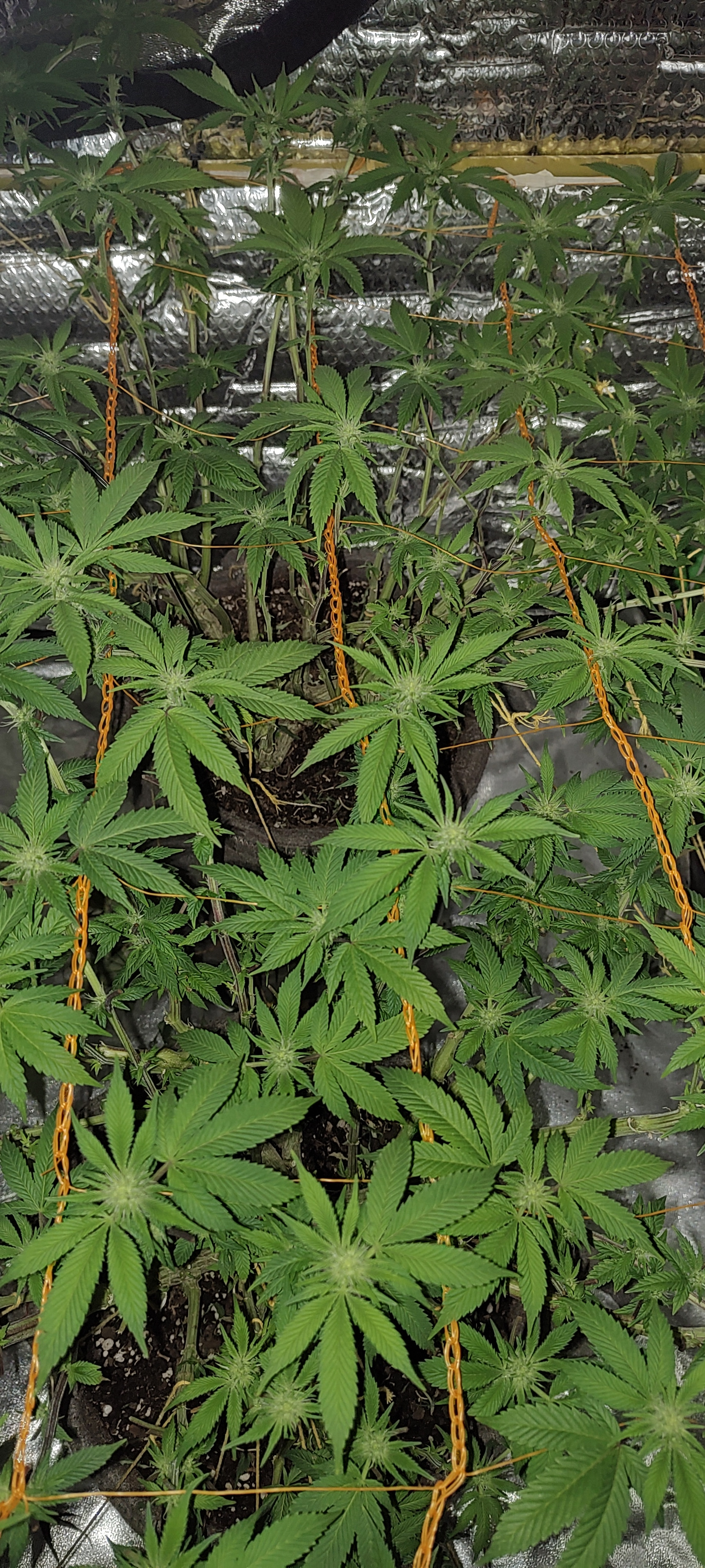
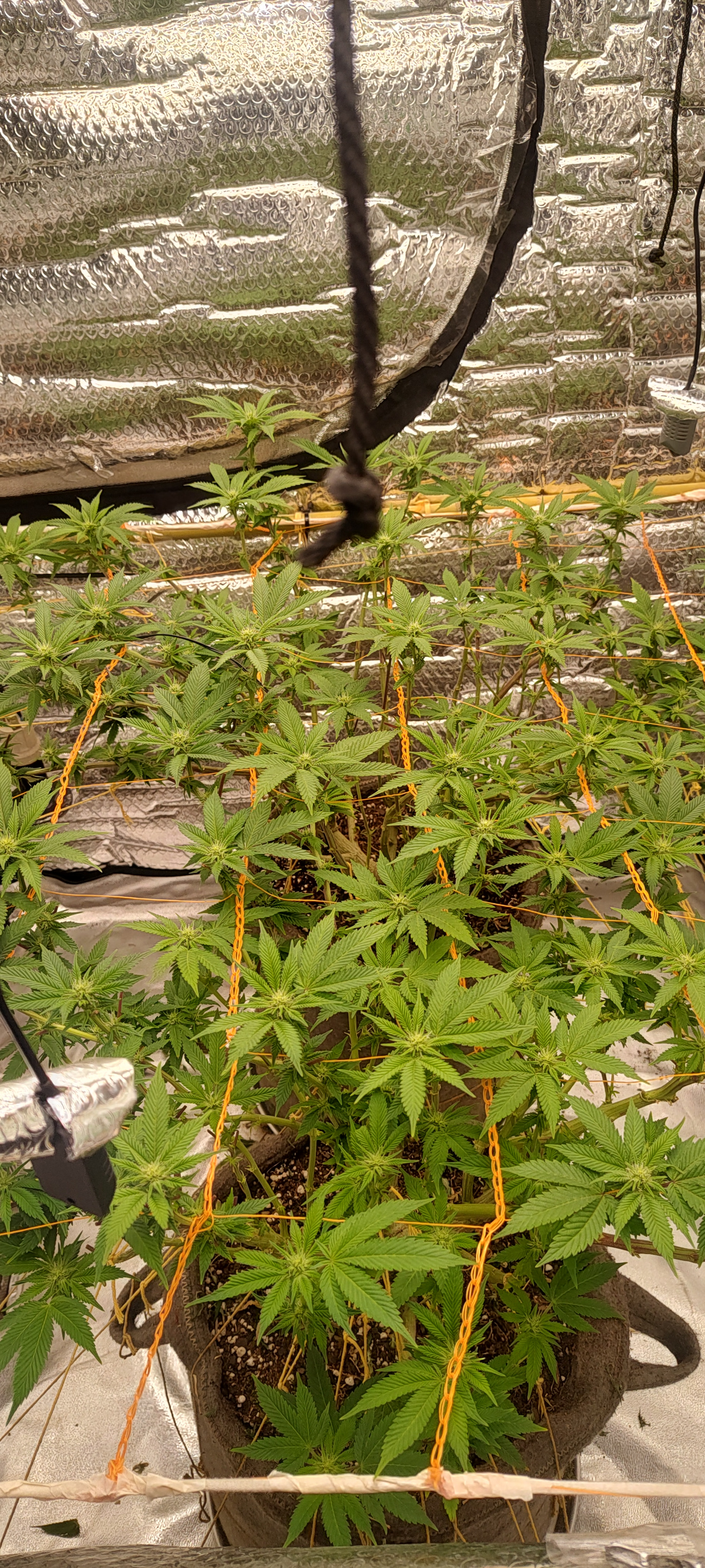
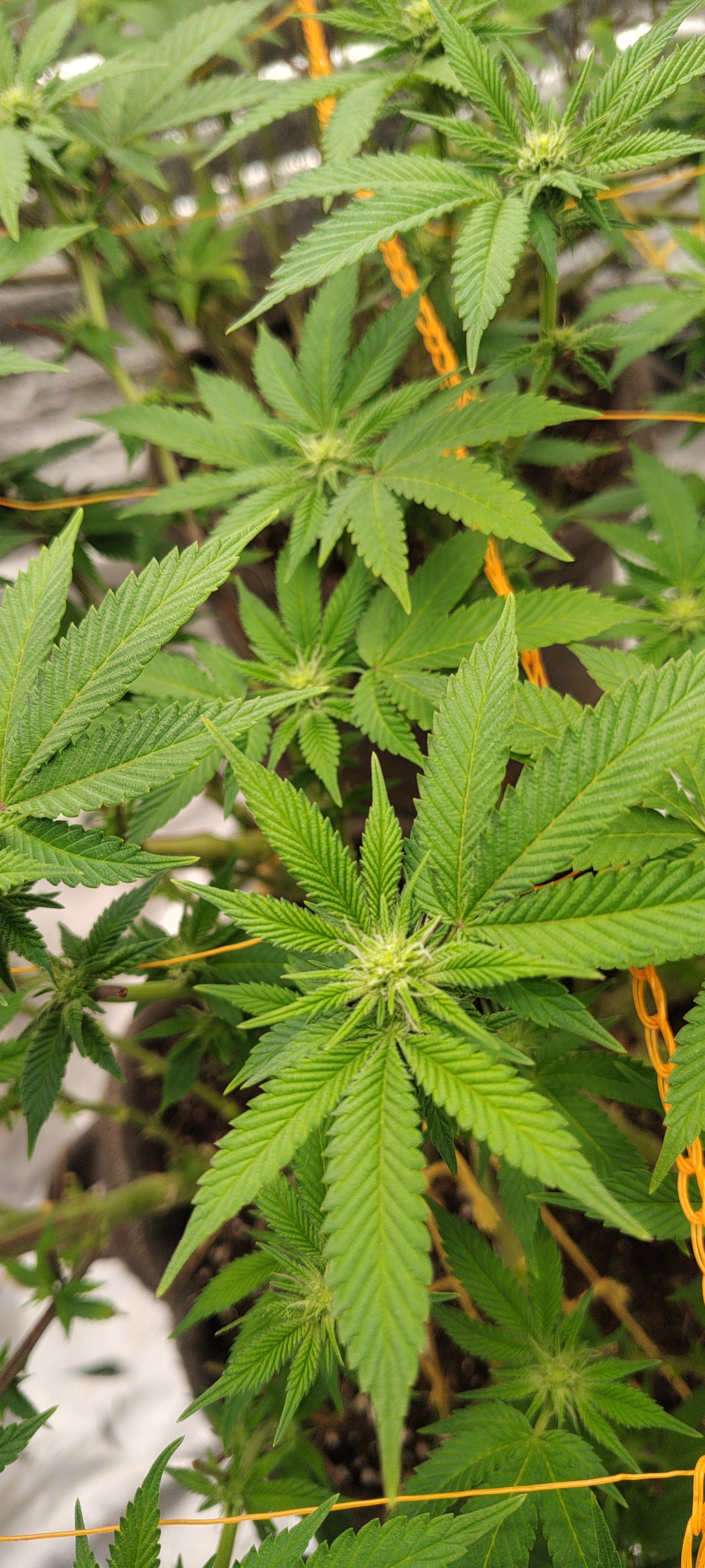
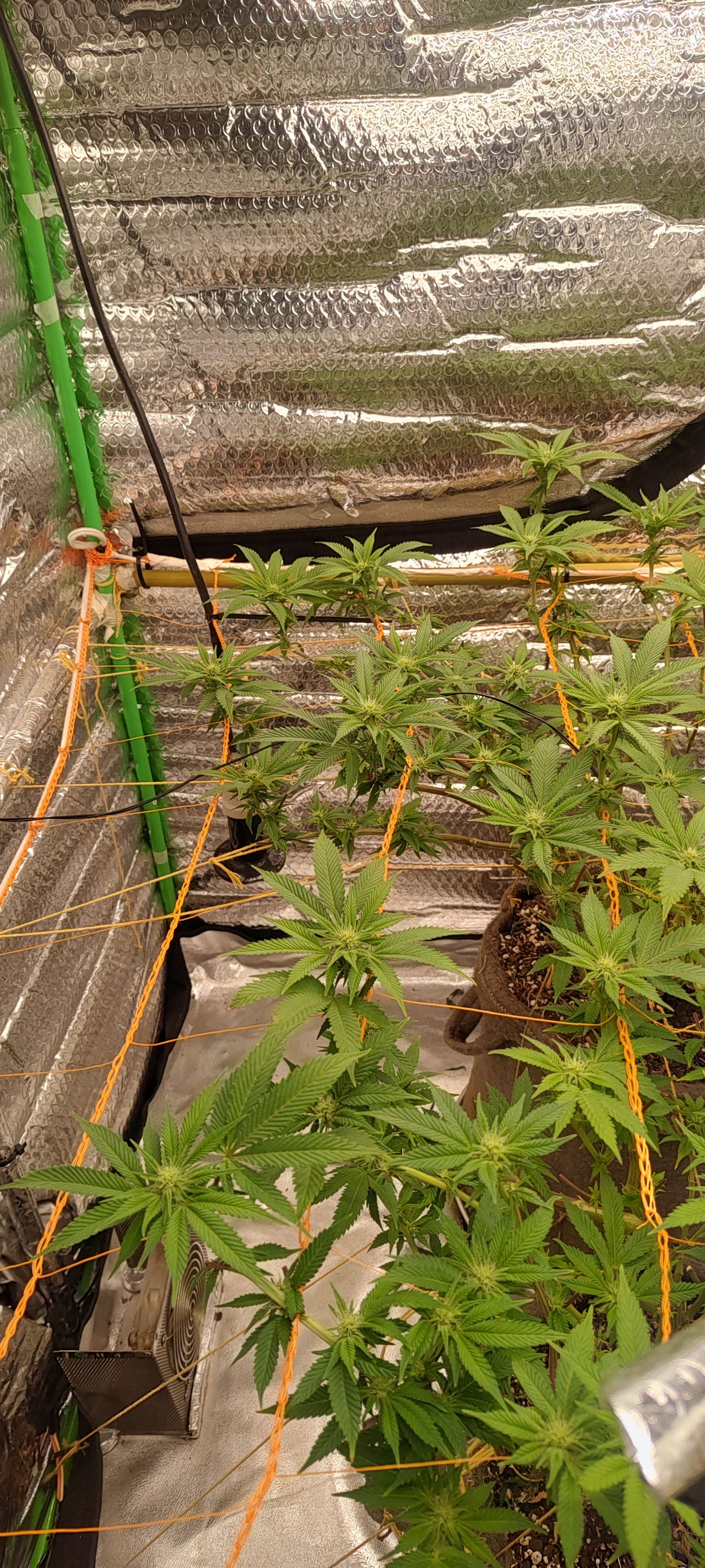
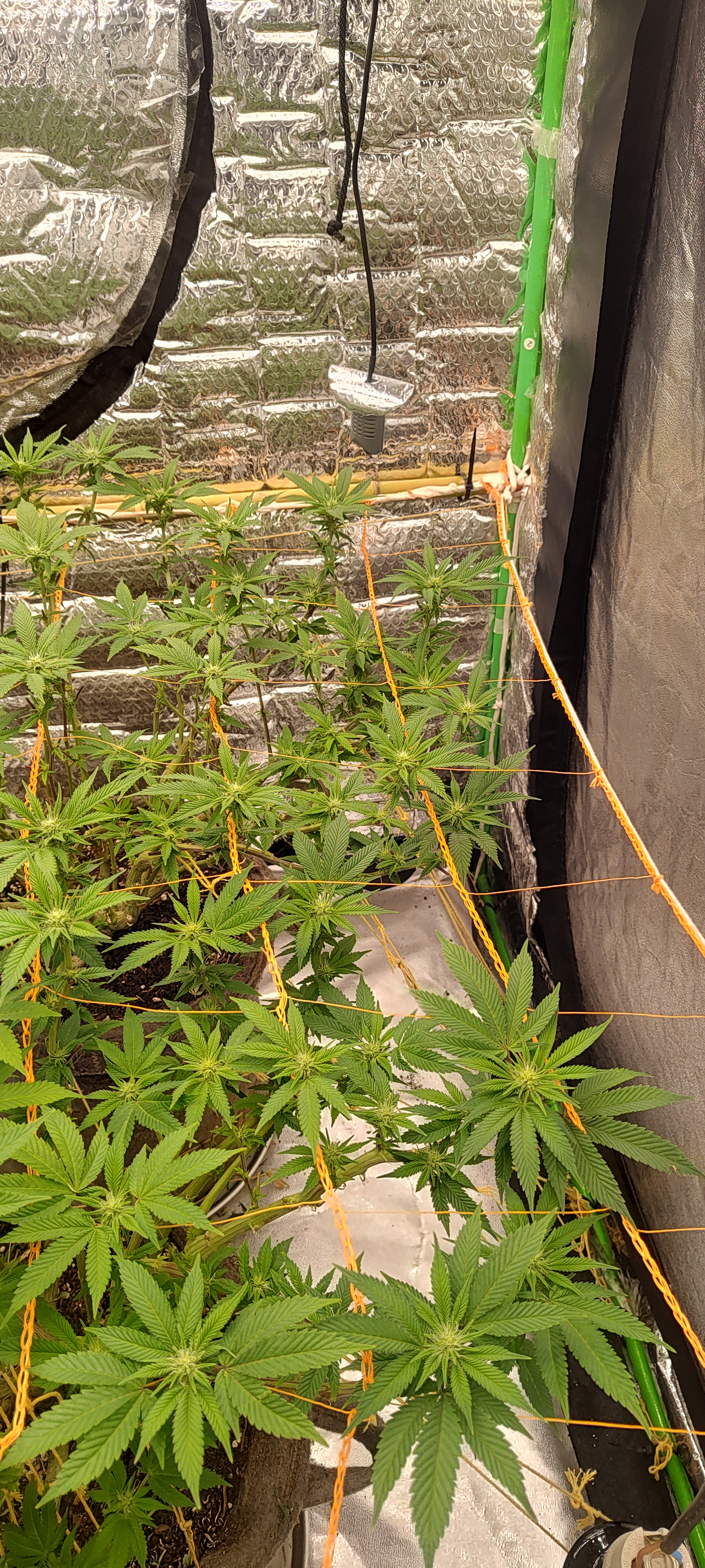
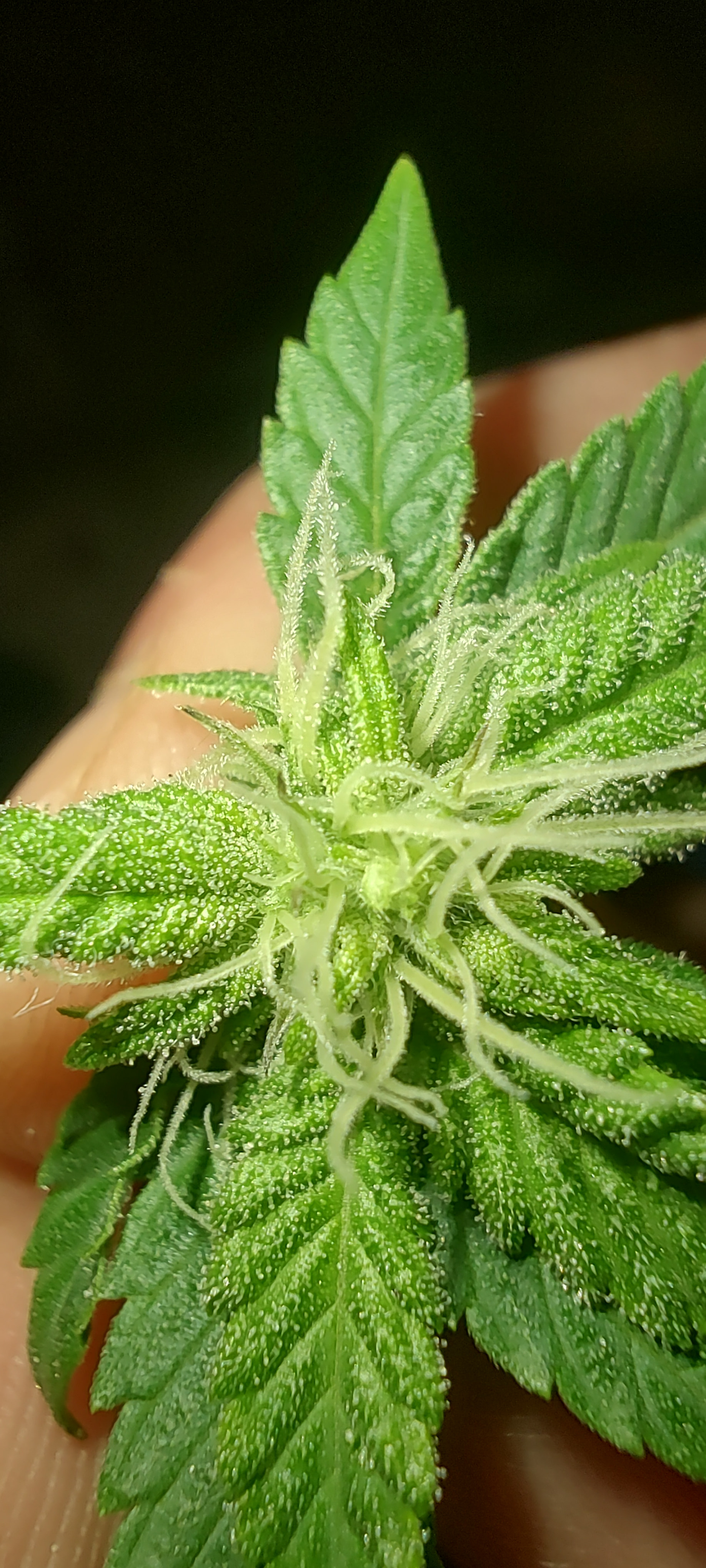
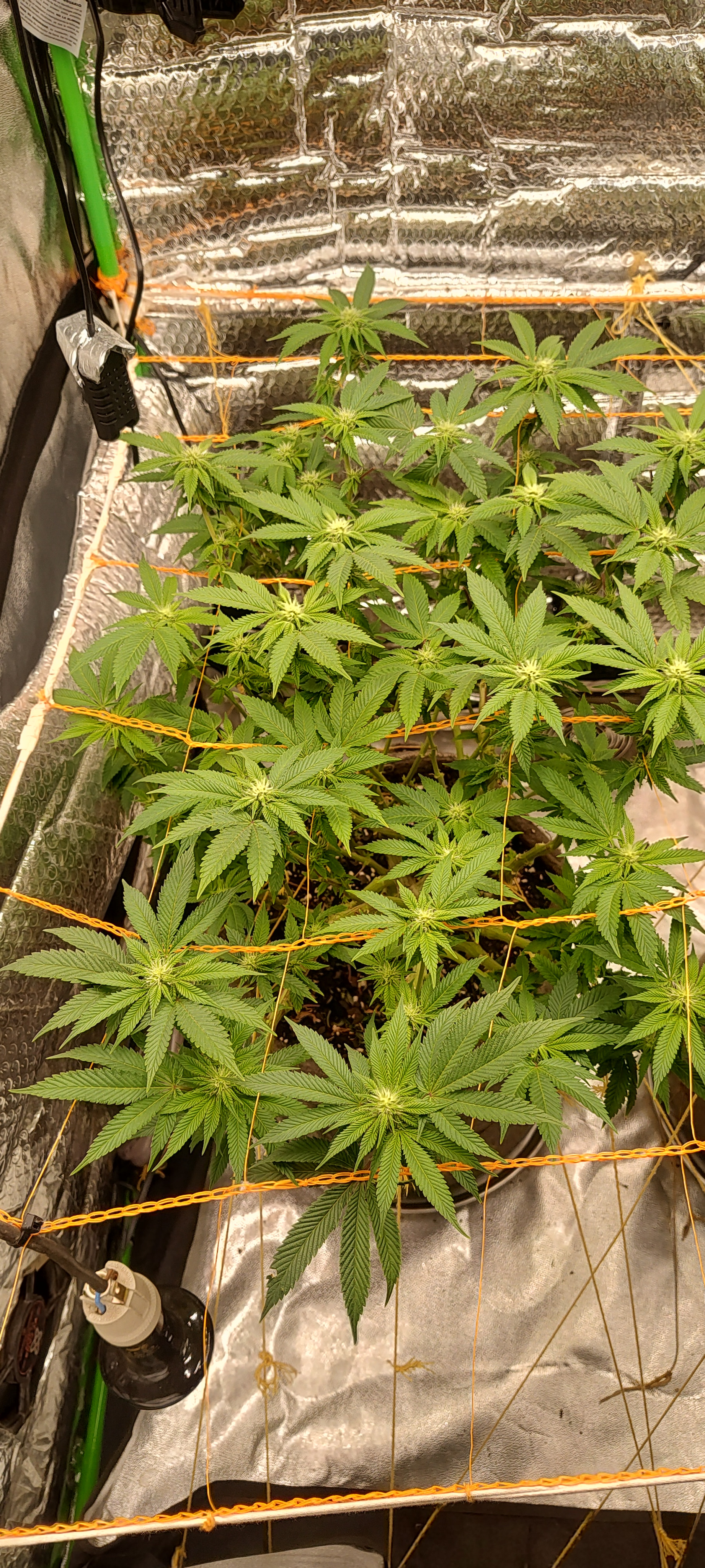
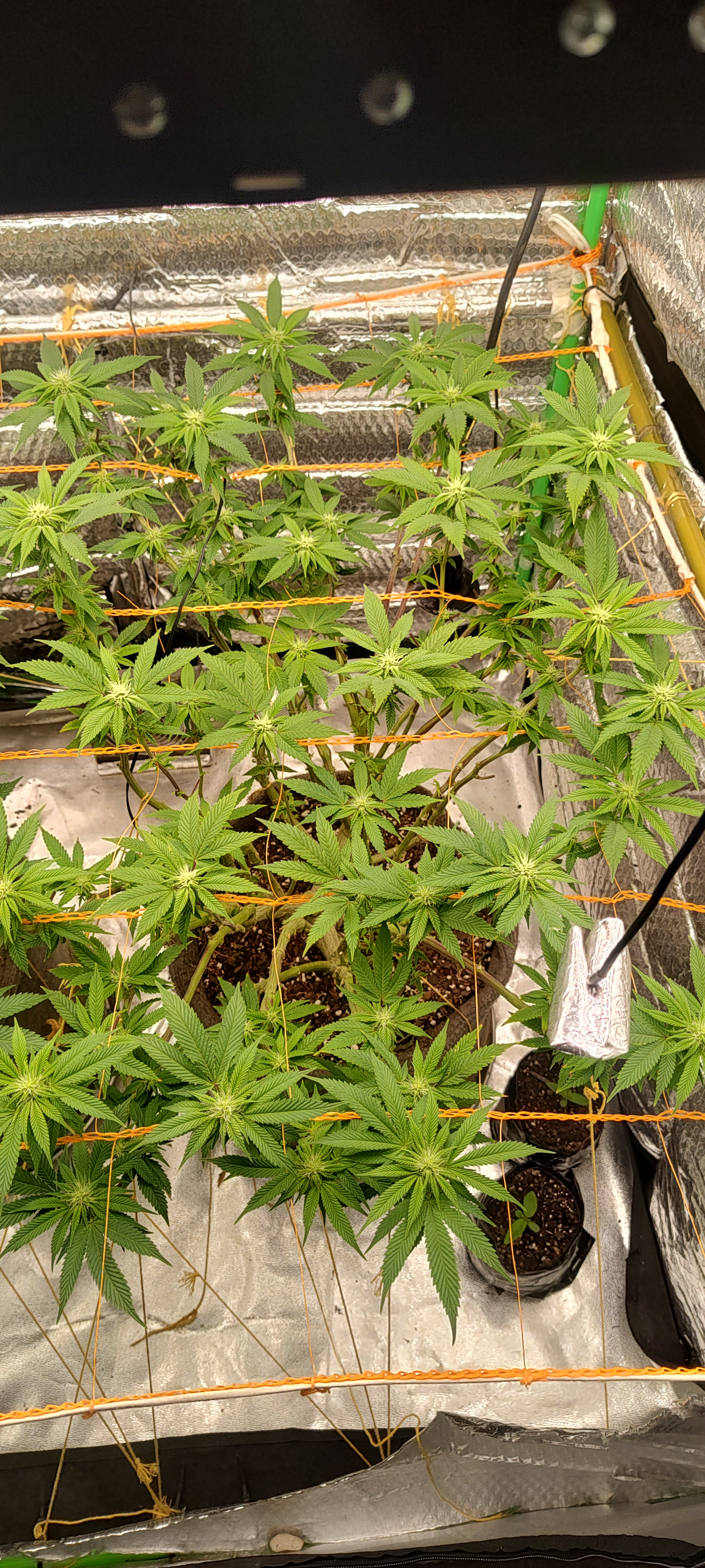
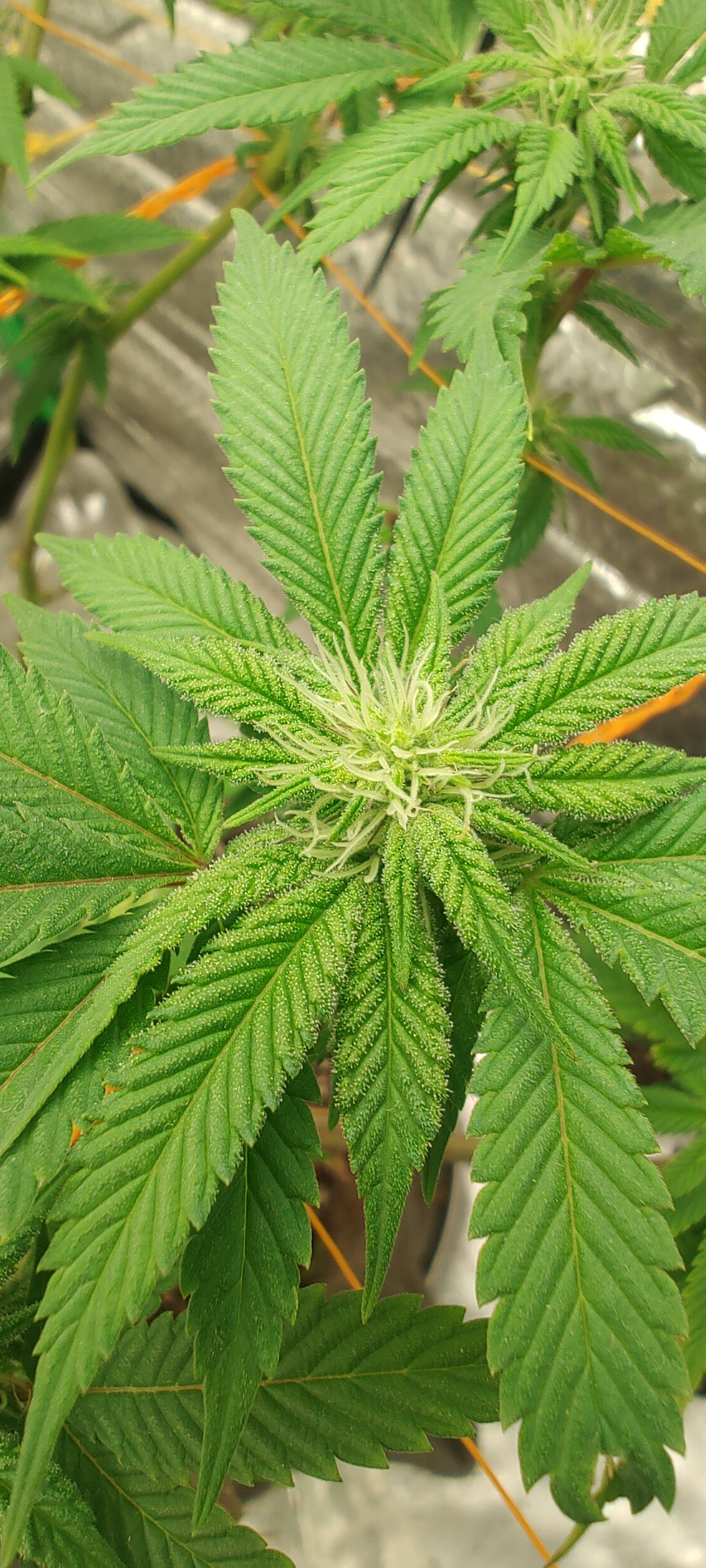
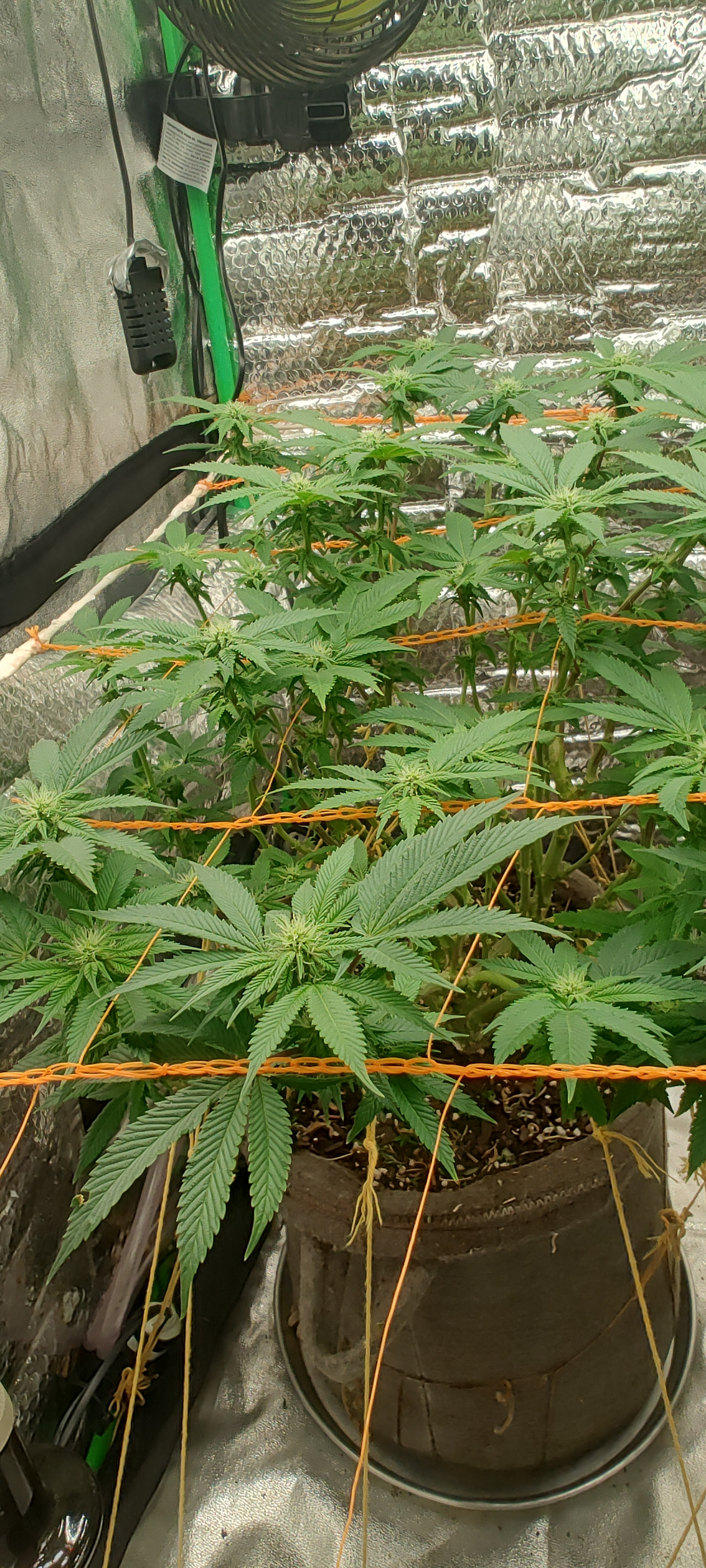
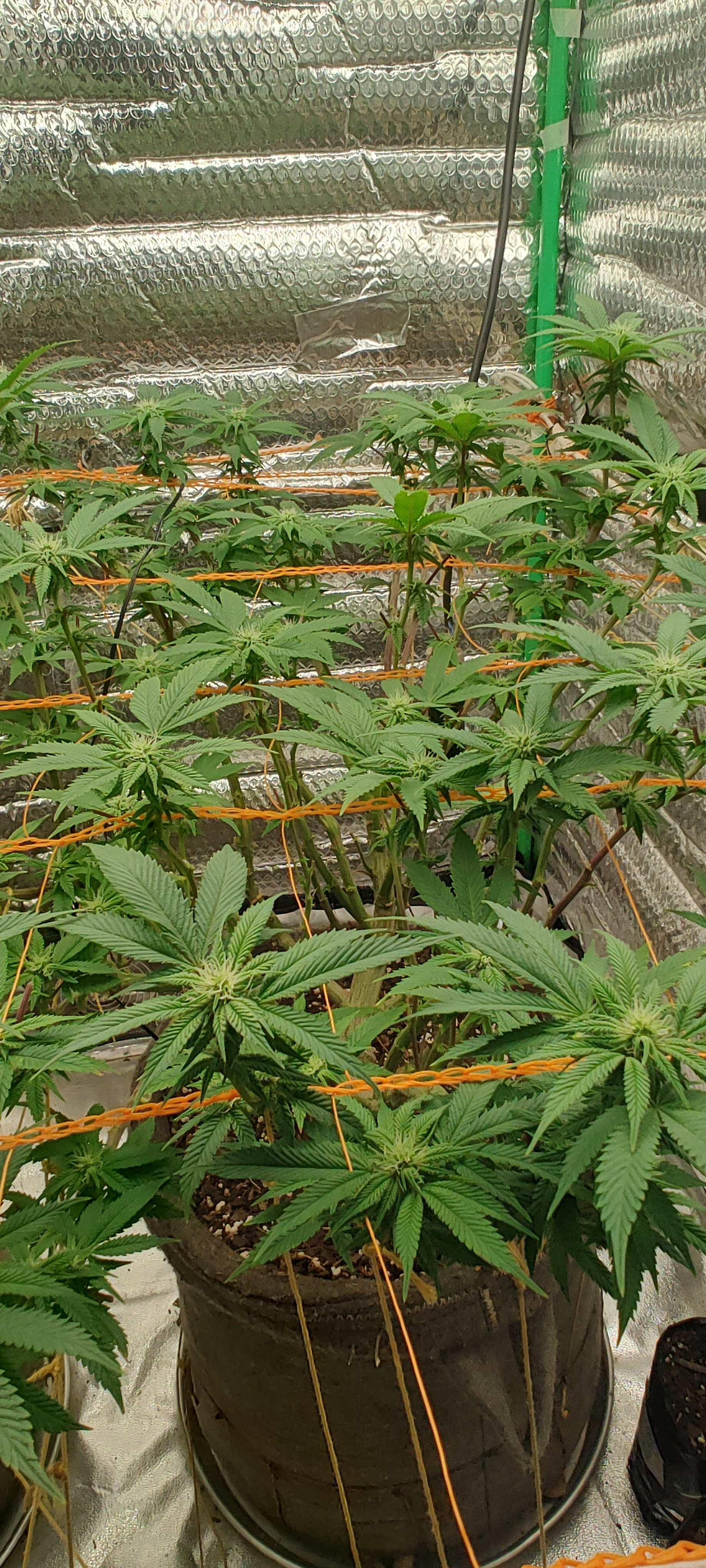
Yes, yes, obviously I ask, I’m sure it will turn out better than trial and error… it takes much more time and money… a lot of money and time… anyway, money aside, I love to cultivate… thank you very much for your support… here’s a photo from today… the stretching has already started
Primer Cultivo --Criticas constructivas --
78 respuestas · 643 visitas
That’s looking better and better
Leaves are what power the growth. I only remove leaves that no longer get much light, and that doesn’t happen until well into flower.
My girls never grow fast until the 12/12 flip, they get maybe 12-18 inches (but then I mainline, so that removes some height) max before I flip.
Good morning, thank you very much for your comment. Yes, it seems I did the opposite by defoliating the leaves that receive the most light, and I set it back a bit… but well, I gained a very good structure and I was scared that it wasn’t stretching… hug
The “error” part of “trial and error” is often how I learn best. lol
“Wisdom comes from experience. Experience is often a result of lack of wisdom.” - Sir Terry Pratchett
Status Check (Post-watering Day):
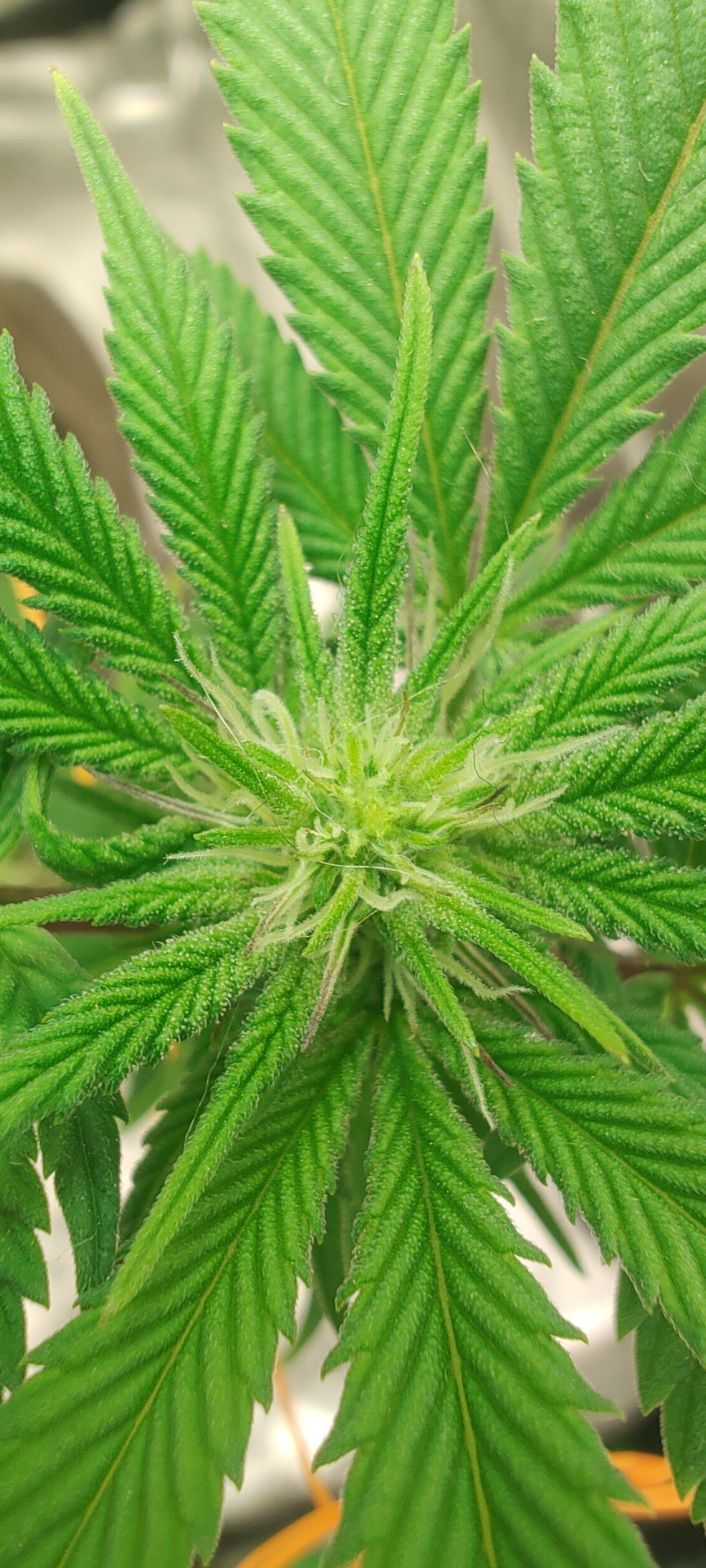
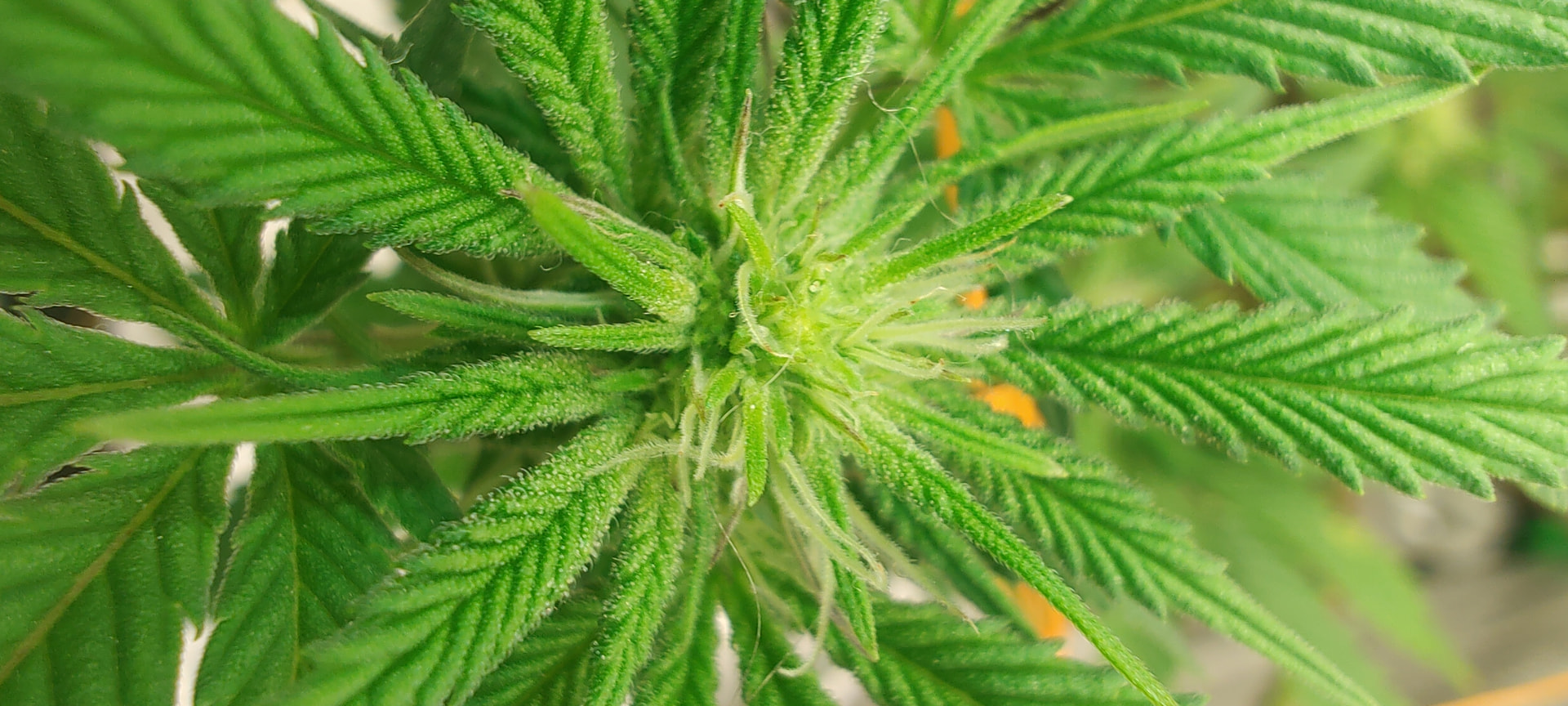
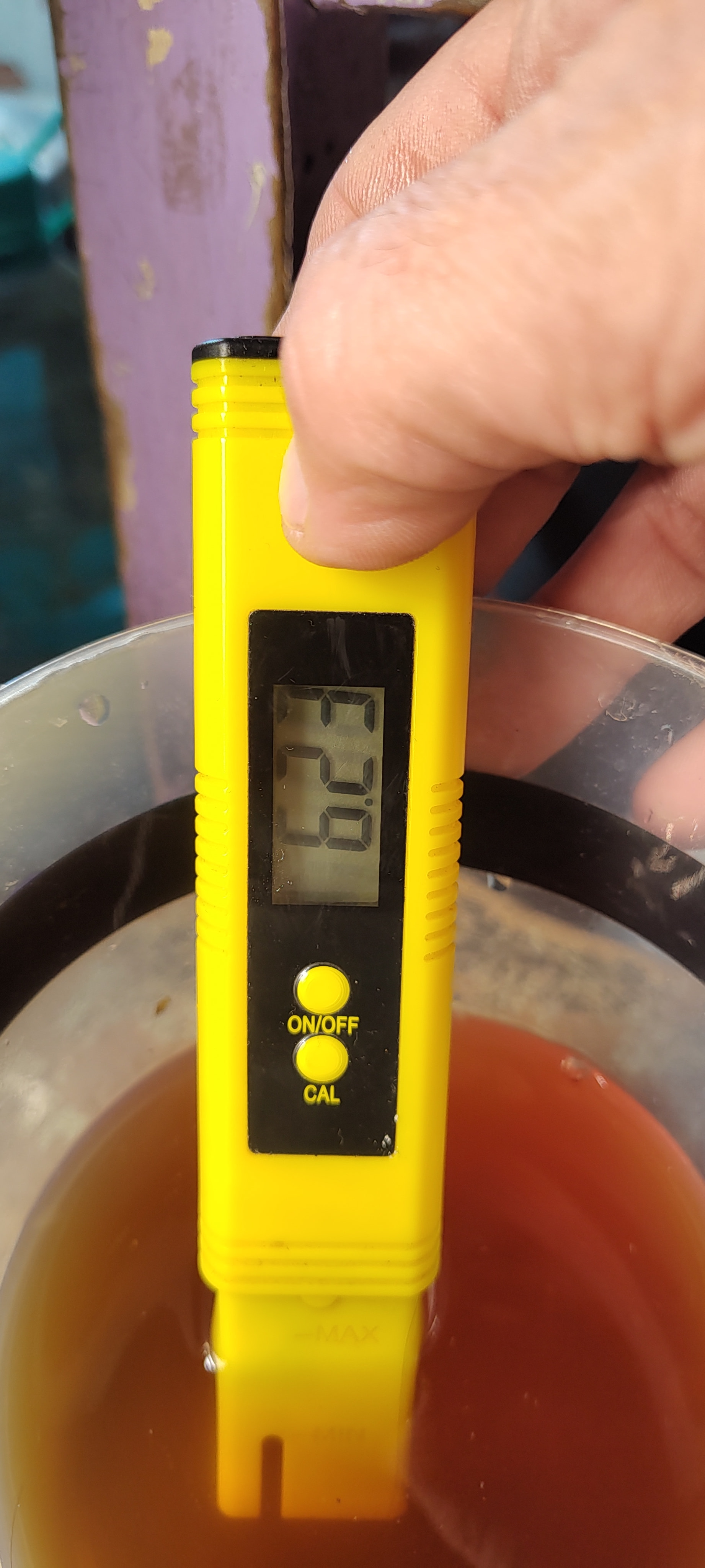
A visual inspection was carried out after environmental stabilization. It was confirmed that the plants show no signs of light stress (no burns or curved edges) or over-fertilization. The foliar color is optimal, reflecting efficient assimilation of the 800-900 ppm load applied yesterday.
Operational Adjustments:
-
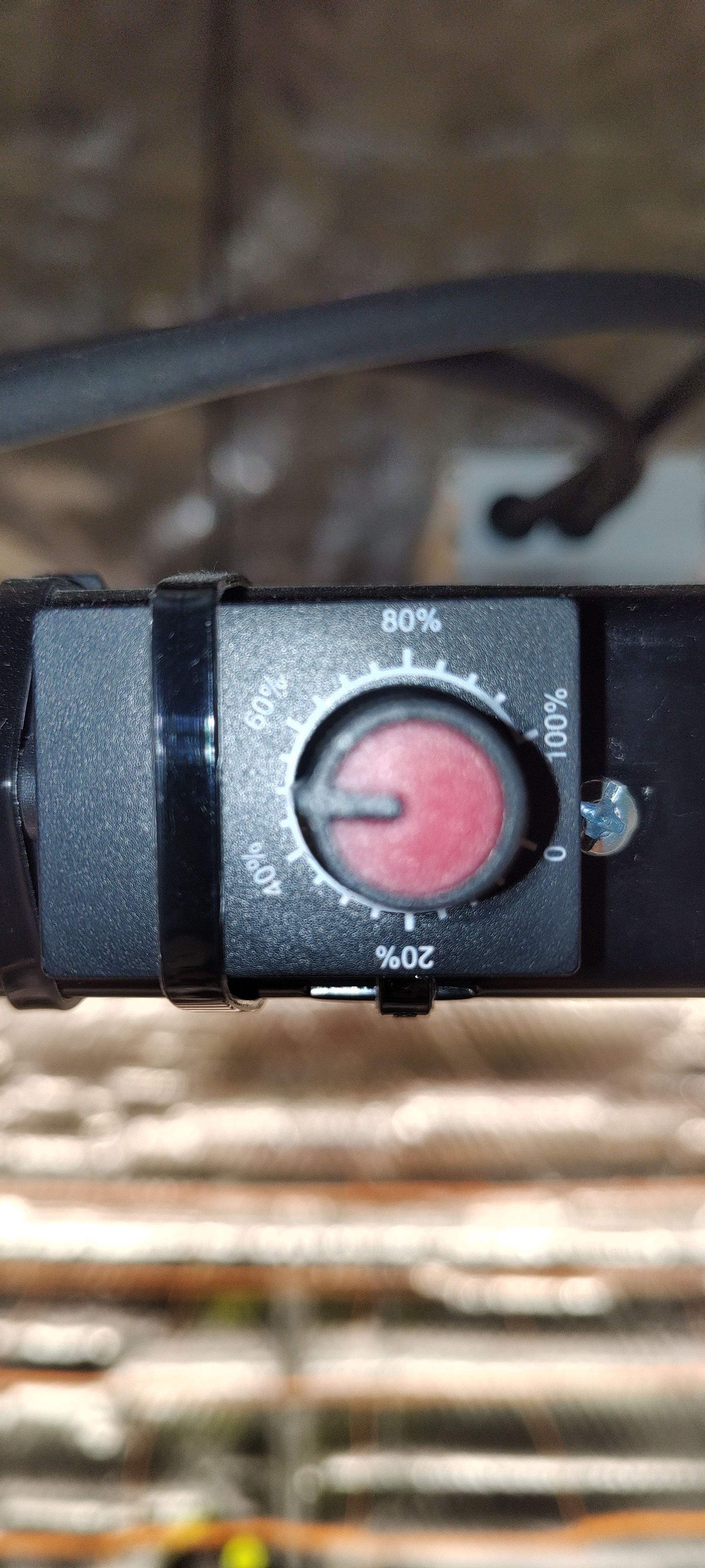
Lighting: The efficiency of the current setup was validated (40 cm distance from the panel to the top of the structure, 50% intensity).
-
Technical Monitoring: PPFD measurement confirmed at 570 \mu mol/m^2/s, an ideal value for the current stage.
-
Structure Management: Trellising was adjusted on the repaired branch to provide greater support; it was decided to keep the foliar mass intact to maximize photosynthetic capacity.
Finishing the stretch, a few more days and we reach day 21 of flower …we will do the final pruning and cleanup to start fattening up hopefully beautiful resinous buds …Greetings to everyone from Argentina
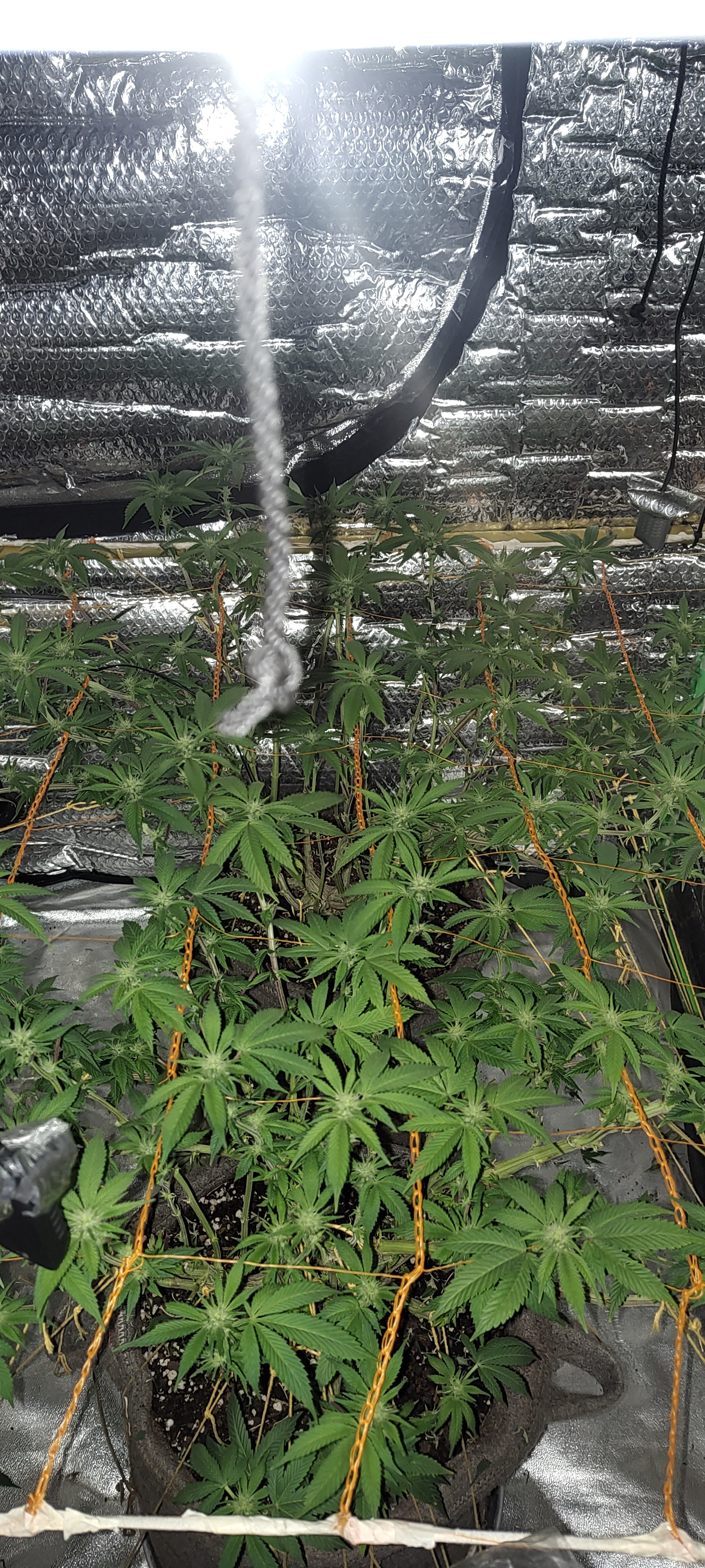
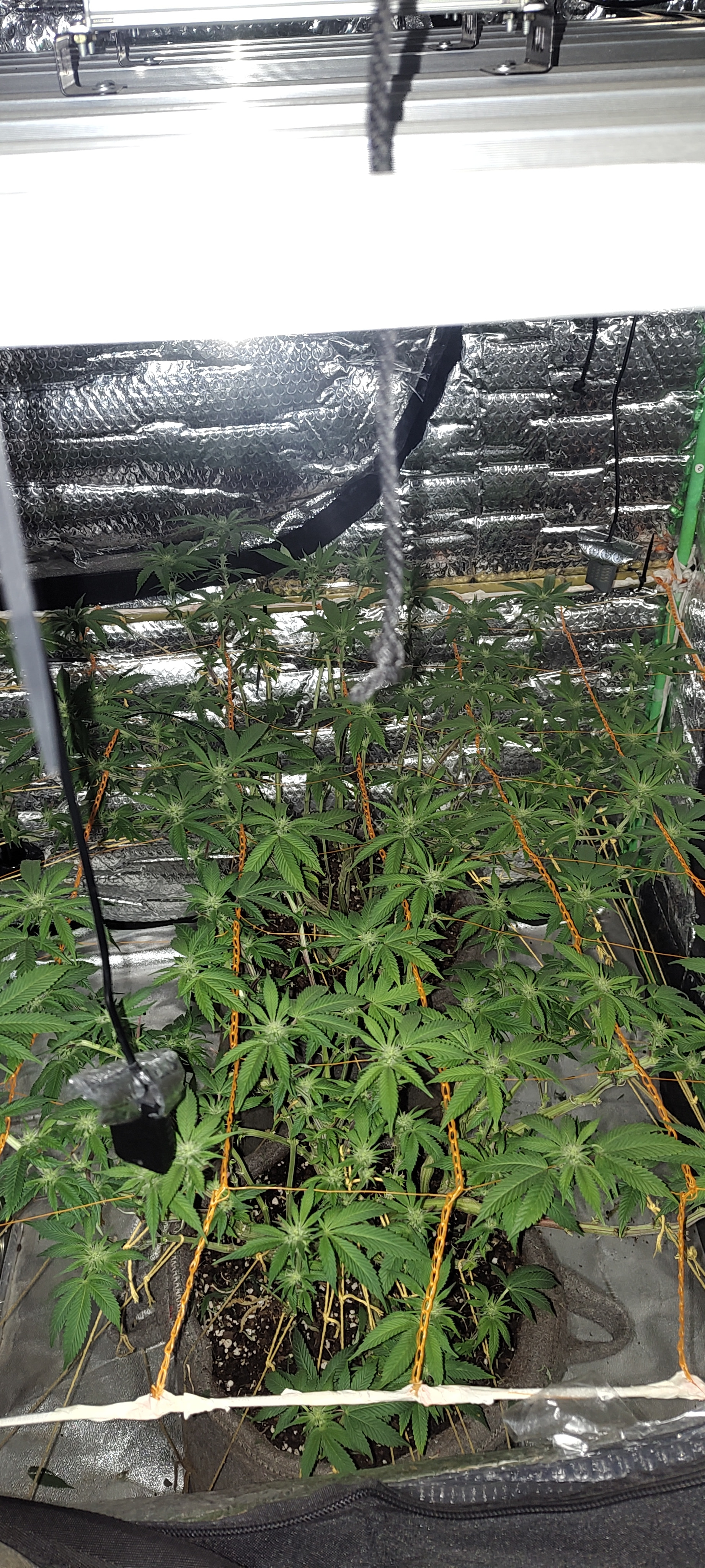
Good evening everyone …with a lot of pain and fear, I did the last pruning and lollipoppig on the girls, almost finishing the stretch …Wish me luck !!! hahaha hugs
[grid]
!
Lookin pretty damn great to me!!
Good evening, thank you very much … I hope it turns out well … we’ll know soon … hugs
Good morning !!! this is how they spent their day after a major haircut … now they’re resting like this …
Wow, that looks awesome ![]()
Good Grow
This will be a great grow
Thank you …I hope so !!! we work and study hard so that every day it turns out better …hug ..
Conclusions so far I leave as a reminder or help !!! about my experience at this point …I clarify this is my first grow.
Summary of Cultivation Criteria: Water Management, Salts, and Run-Off Measurement
1. The Problem with Rigid Feeding Charts
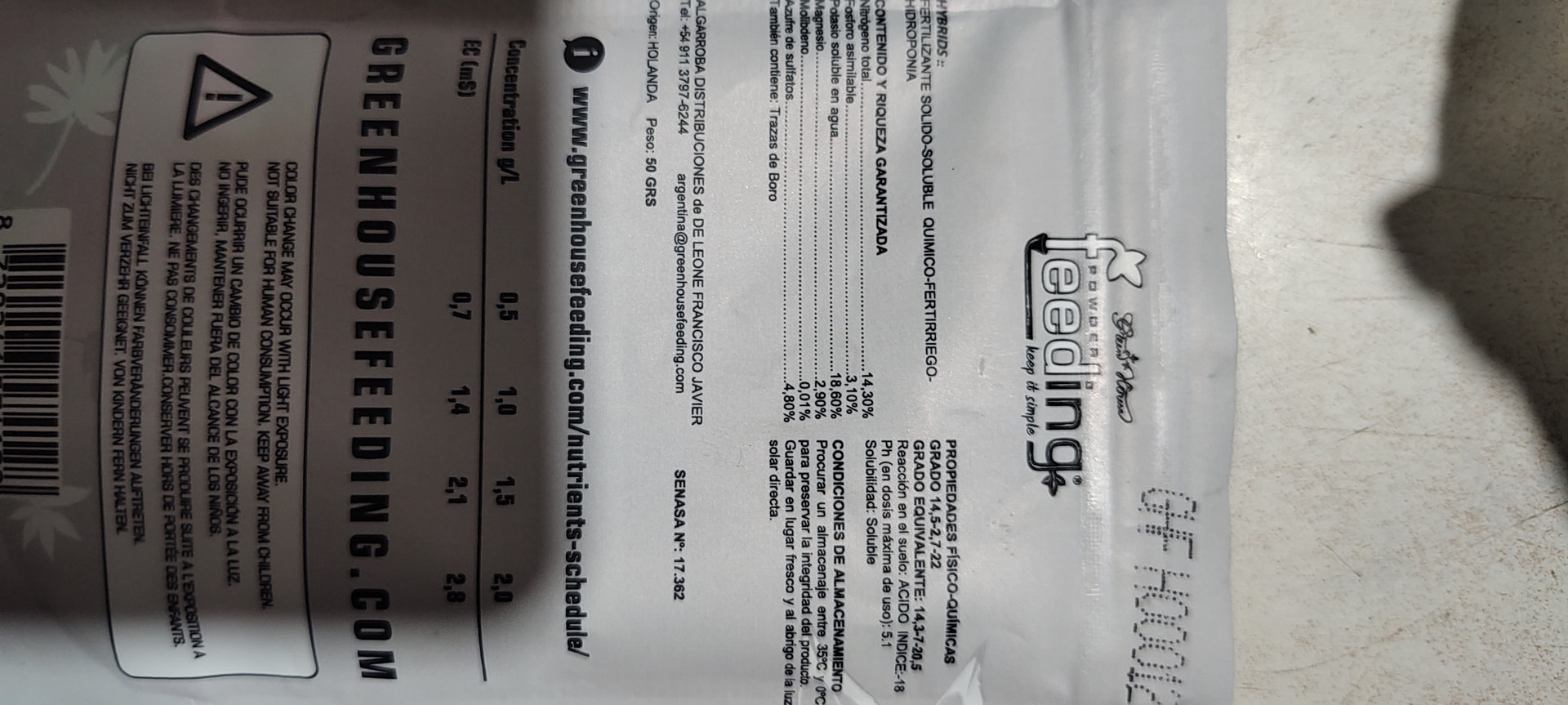
- Manufacturer’s inflexibility: Blindly following fixed weekly fertilizer doses (like the Green House Feeding chart) ignores the reality of the actual environment (temperature, radiation, humidity, and transpiration).
- Accumulation and saturation: The constant input of nutrients without checking the plant’s response creates a progressive buildup of salts in the substrate. This triggers a nutrient lockout or root damage due to osmotic stress.
2. The Real Importance: Output (Run-Off) vs. Input Measurements
- Input is just a reference: What is fed to the pot does not reflect what the plant is consuming or the actual state of the root zone.
- Run-off as a true diagnosis:
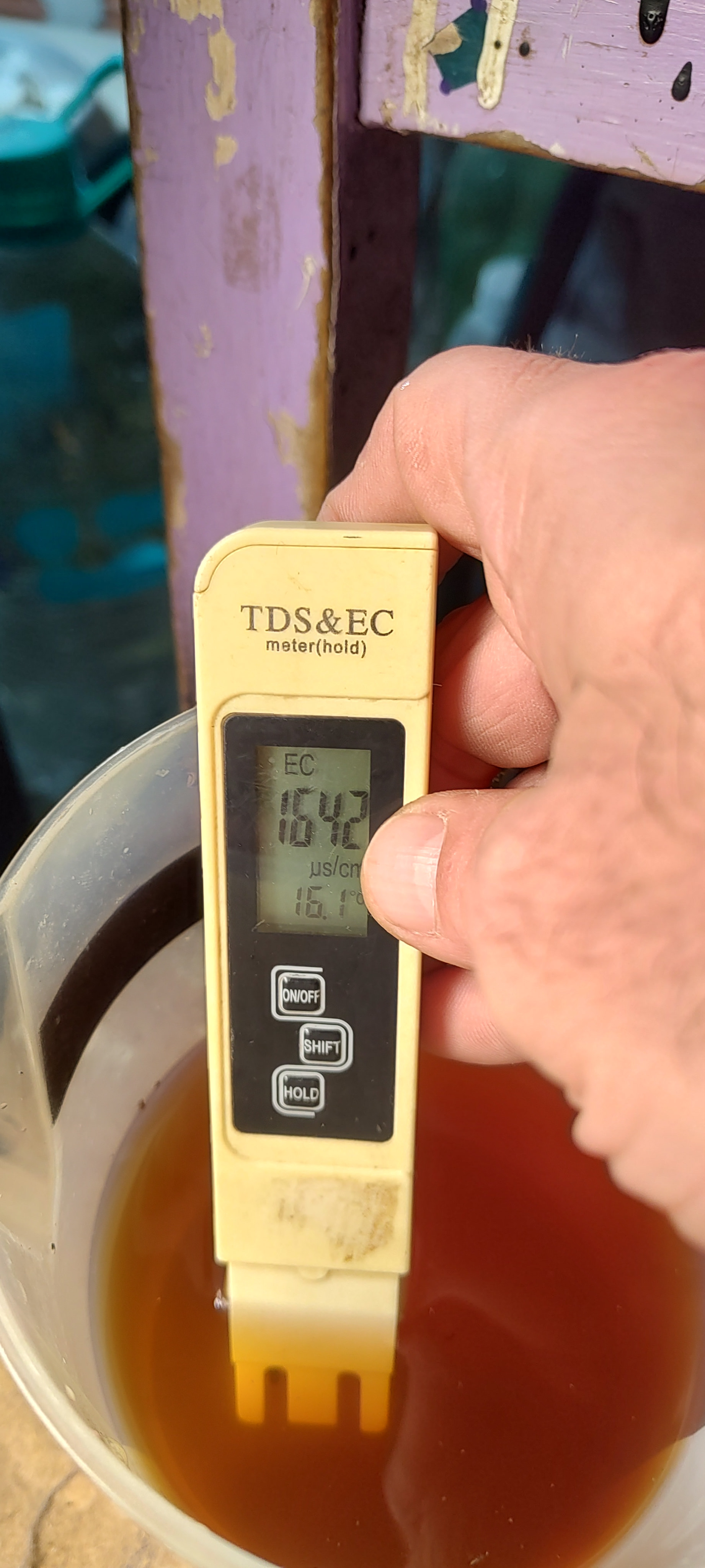
- Output EC higher than Input EC: Signal of saturation and salt accumulation in the substrate. Indicates that it is necessary to alternate with plain water waterings or dose reductions to flush the medium and restore balance.
- Output EC lower than Input EC: The plant is demanding and assimilating more food than is available in the substrate, allowing you to maintain or adjust the nutrient load.
- pH Monitoring: An off-target pH in the runoff warns of variations in the medium’s acidity that lock out the absorption of key elements, regardless of the administered dose.
3. Watering Management and Root Health
- Slow watering and even distribution: Fast watering creates preferential channels where water directly escapes without wetting the entire root ball, leaving dry areas with high salt concentration. Slow watering guarantees uniform hydration of the entire root mass.
- Microbiology protection: Applications of beneficial agents (such as Trichoderma) depend directly on soil health; extreme EC spikes or constant water saturation significantly reduce their effectiveness.
- Adjustments by stage (Outdoor Flowering): During flowering, transpiration varies according to weather conditions. On hot days, plants absorb water at a faster rate than nutrients, which accelerates the risk of substrate salinization if runoff is not monitored.
4. Golden Rule for the Log
"You don’t fertilize the pot based on what the label says, you fertilize according to the response and output values provided by the substrate."
.
You figured out what took me two years
. In my opinion, fertilizing according to the manufacturer’s chart is always too much. As far as I know, the charts usually apply to larger plants.
And automatics are far more sensitive to fluctuations, and they simply lack the time to recover.
Often, 30% of the recommended amount is enough.
Since the beginning of the year, I’ve been feeding mineral nutrients purely based on EC value and sometimes only use barely 40% of the manufacturer’s recommendation. If I poured in the full dosage, my EC would be over 3.5-4. That’s the death blow for the lady.
In my experience, watering practices are the biggest risk for deficiencies and lockouts.
I see in the pictures that you measure PPFD.
However, PPFD only measures the current light intensity hitting the plant.
DLI indicates how much light the plant receives throughout the day.