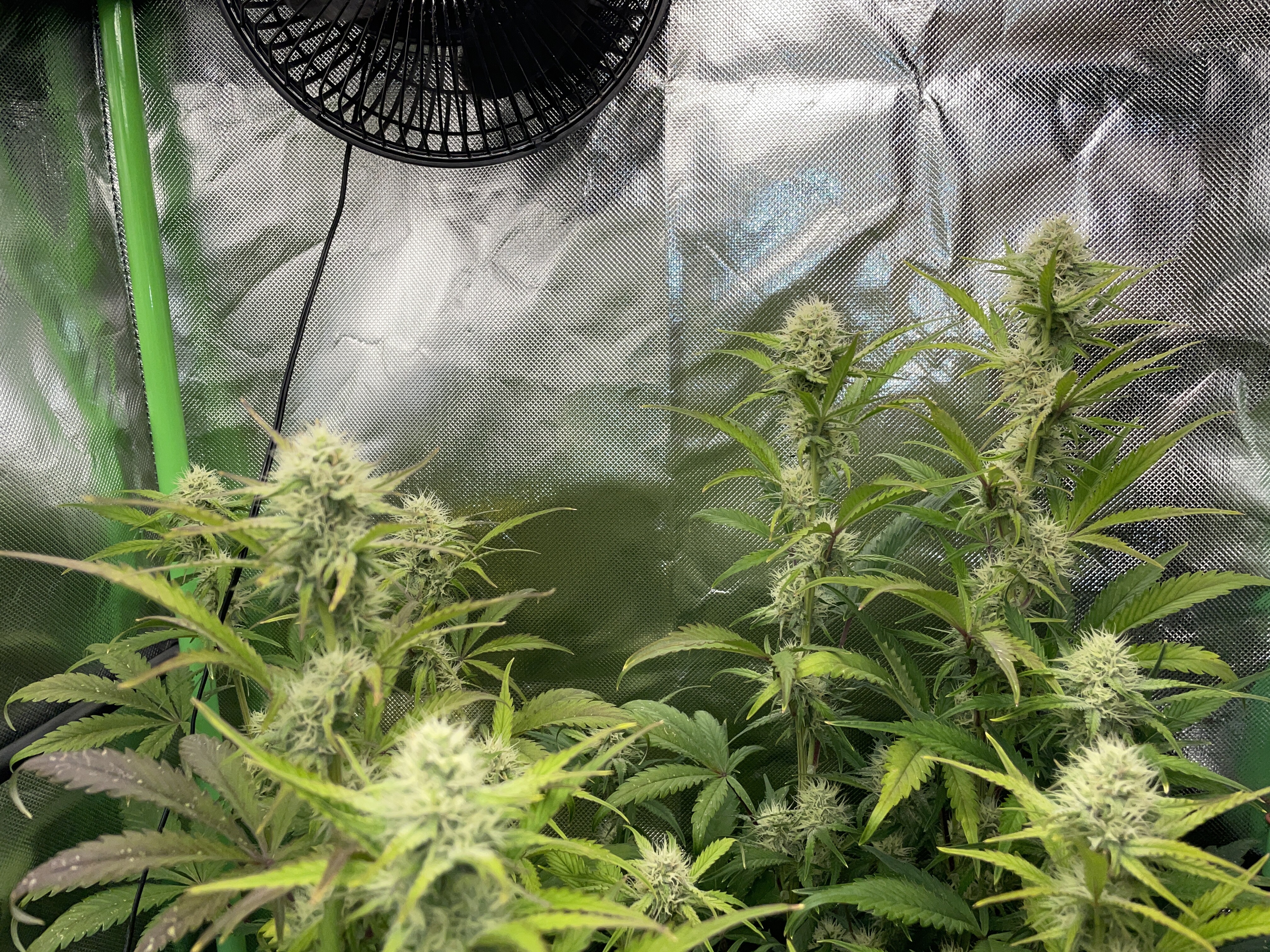
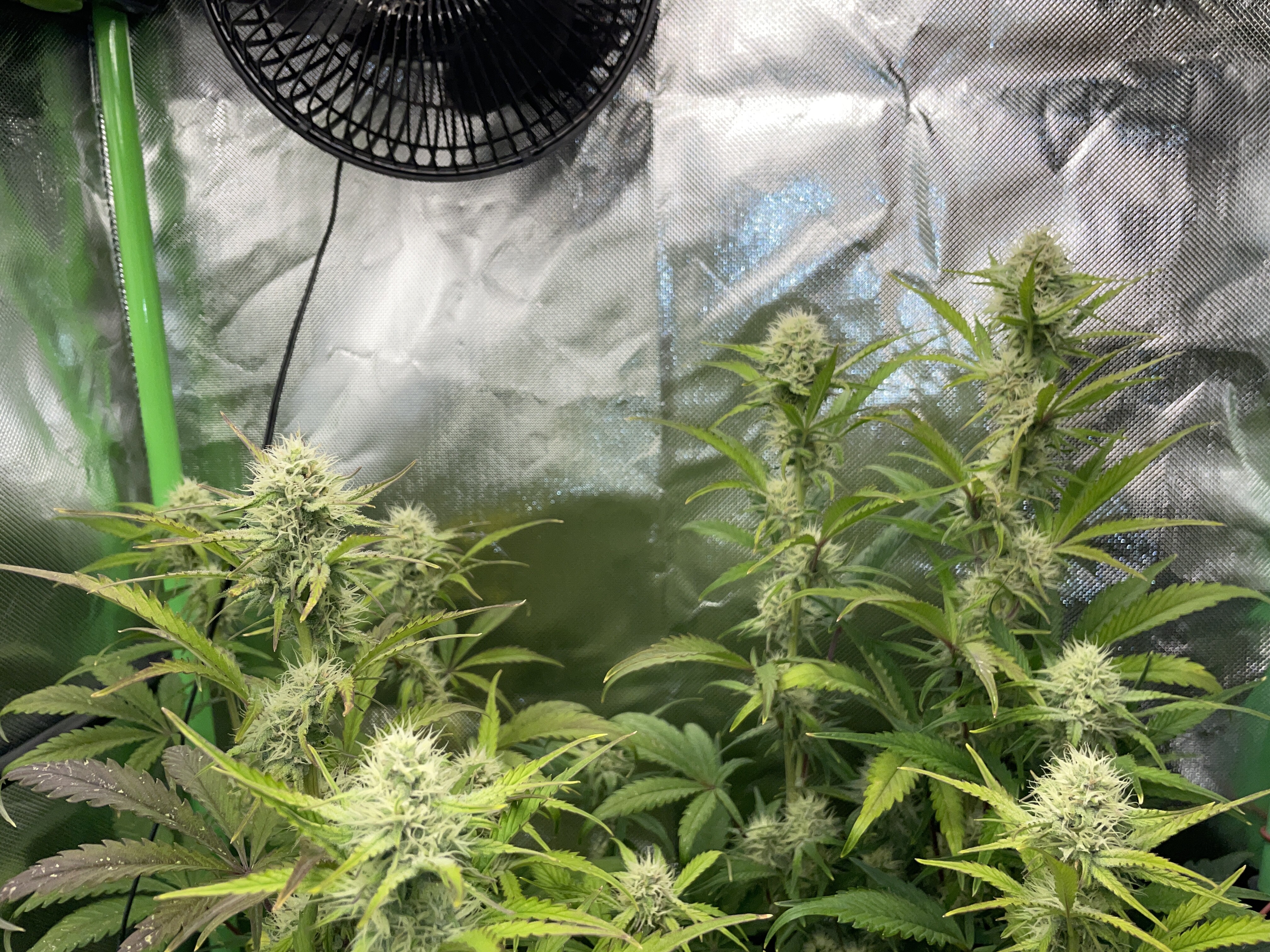
The important thing is quality first, and quantity comes with time and practice.
So, the pictures are from a previous grow?
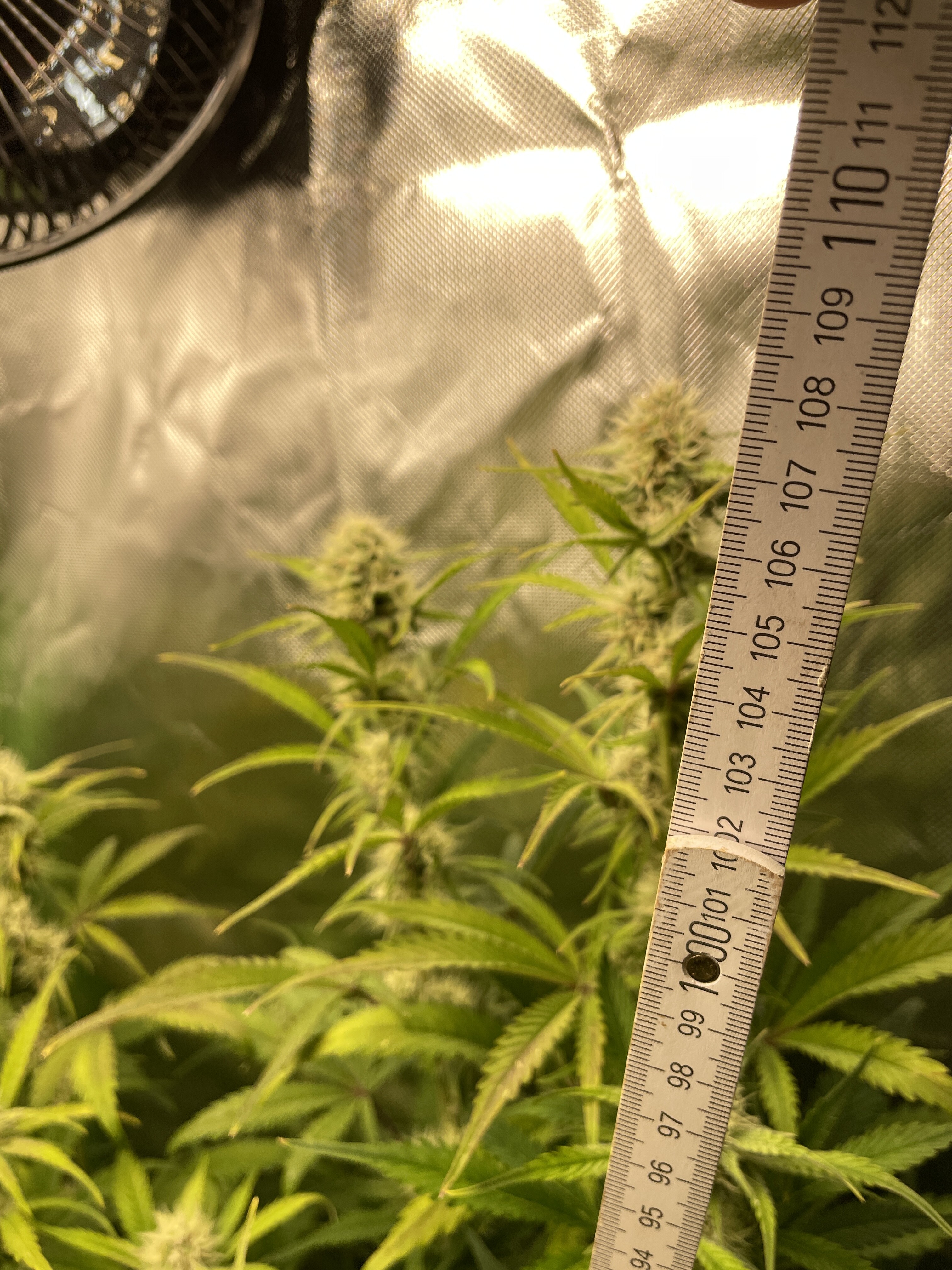
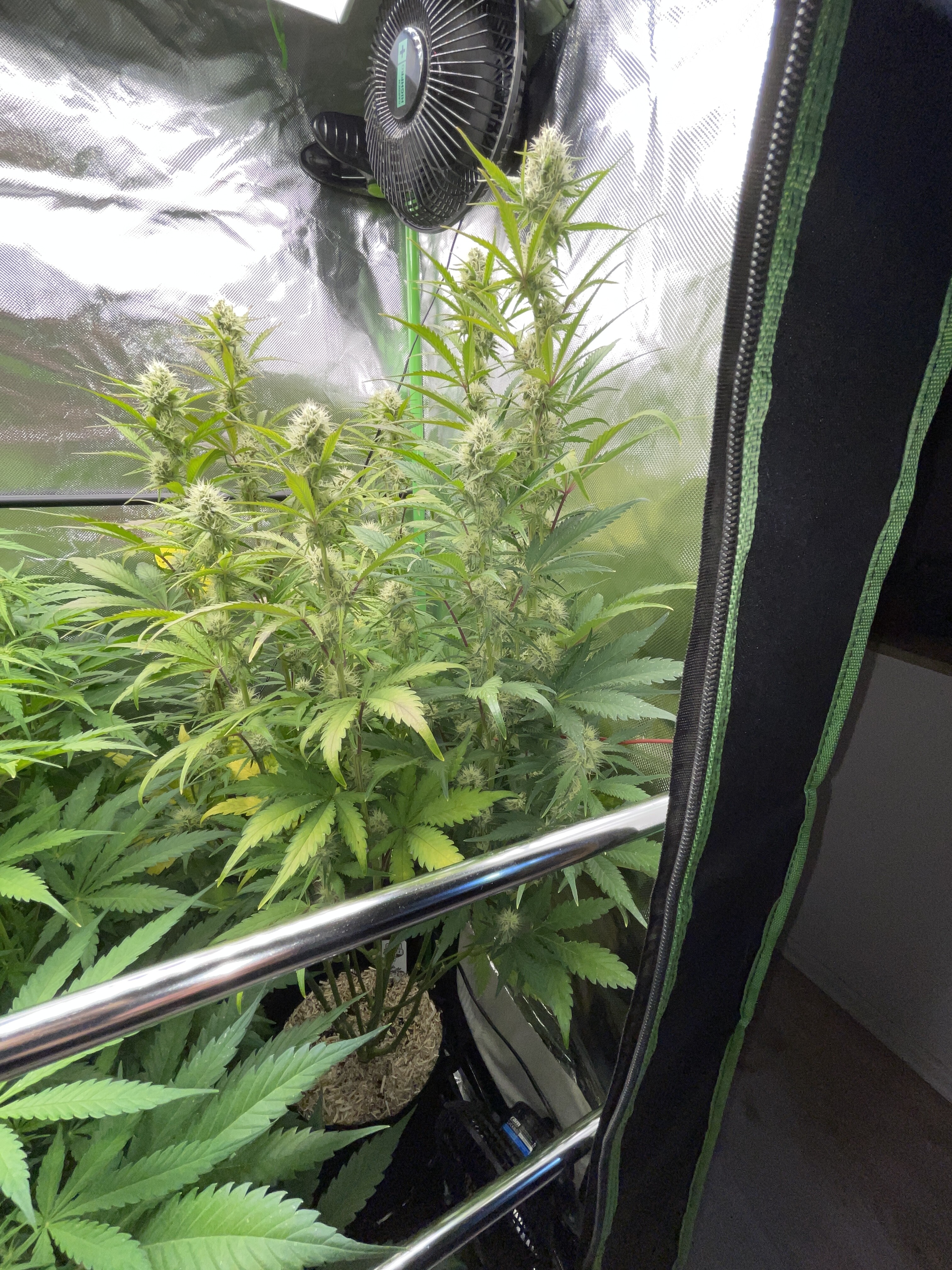
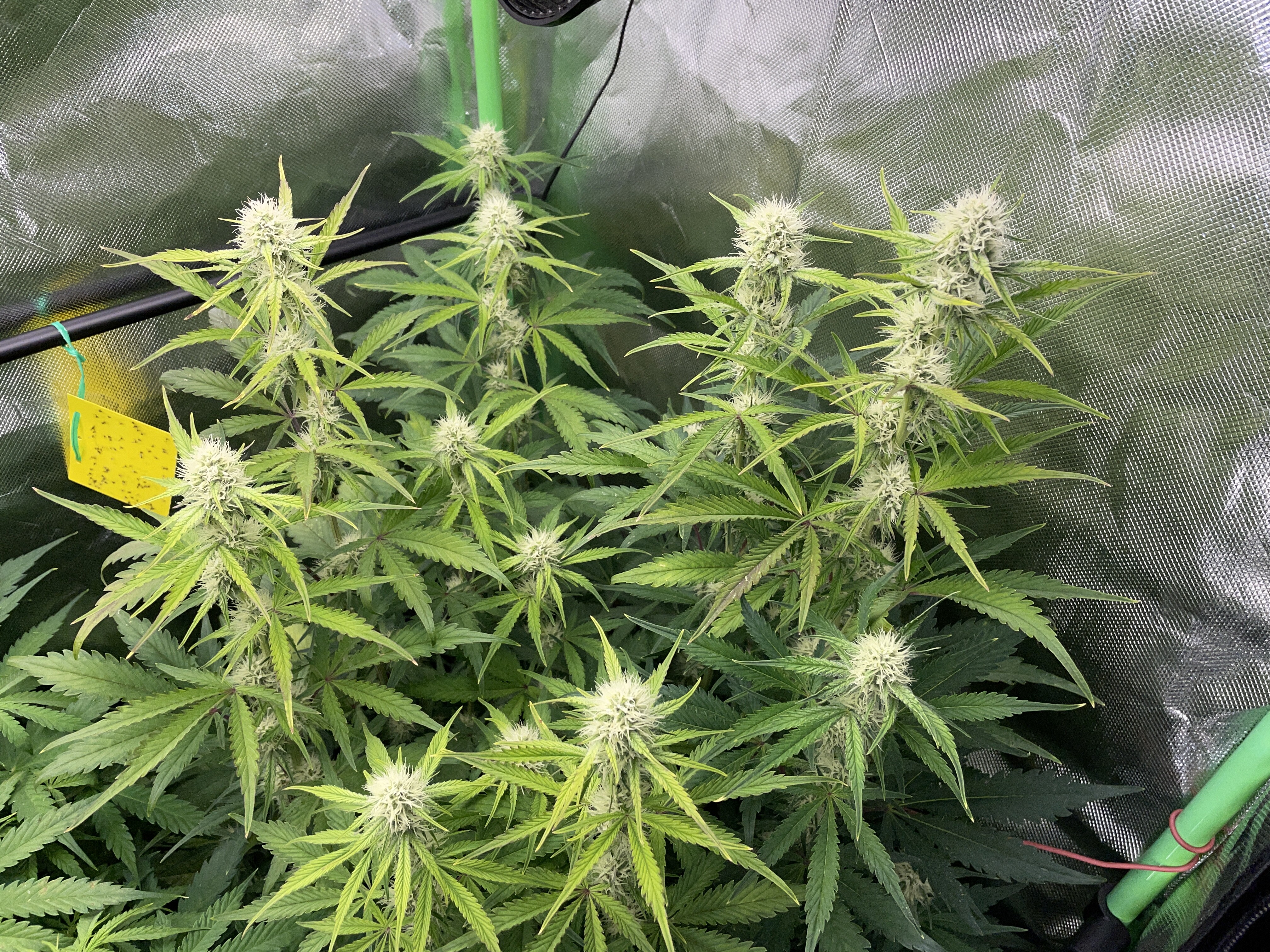
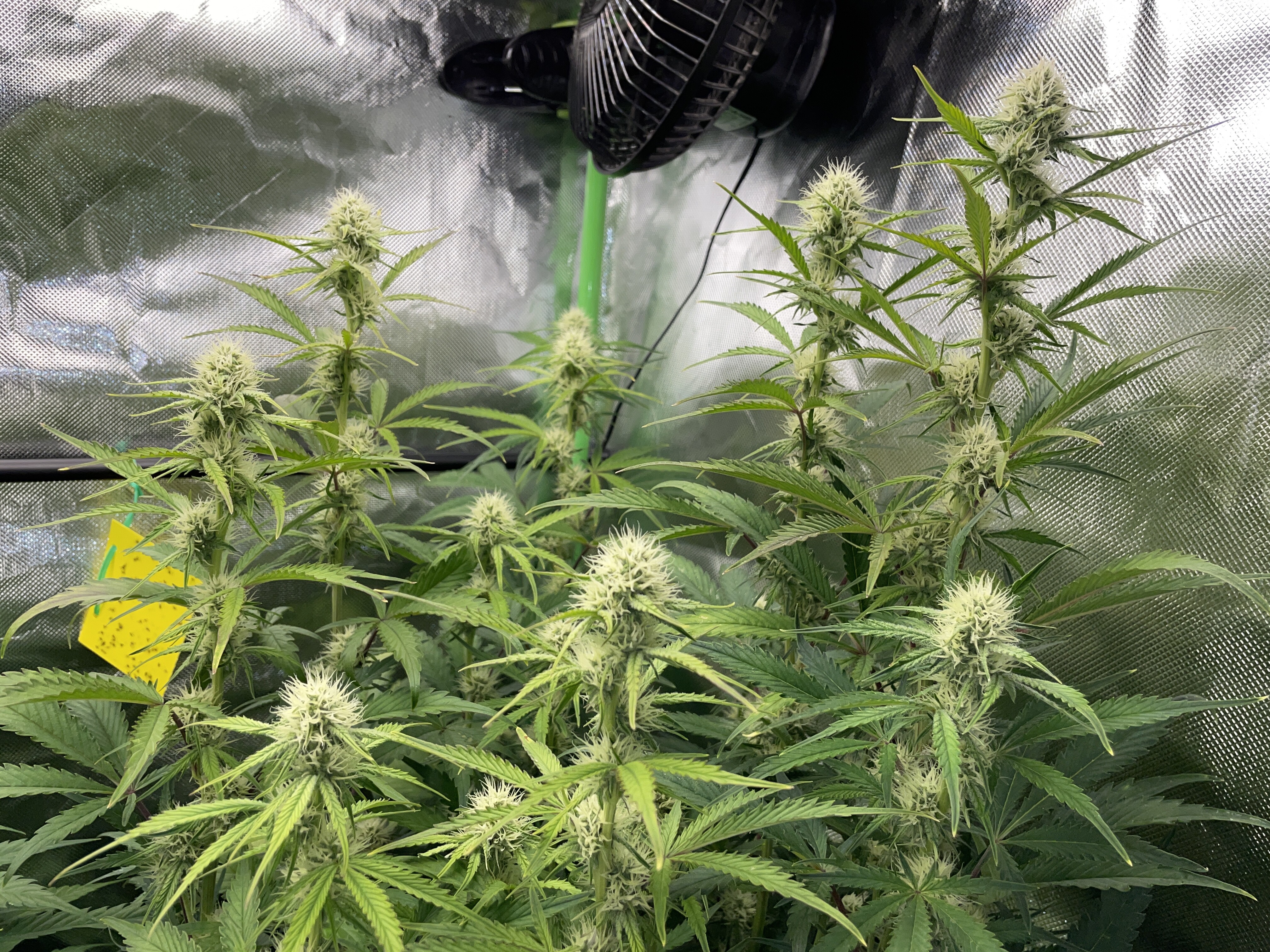
To increase the yield, I would suggest you fertilize a little less, as I took a closer look at the plants in the picture.
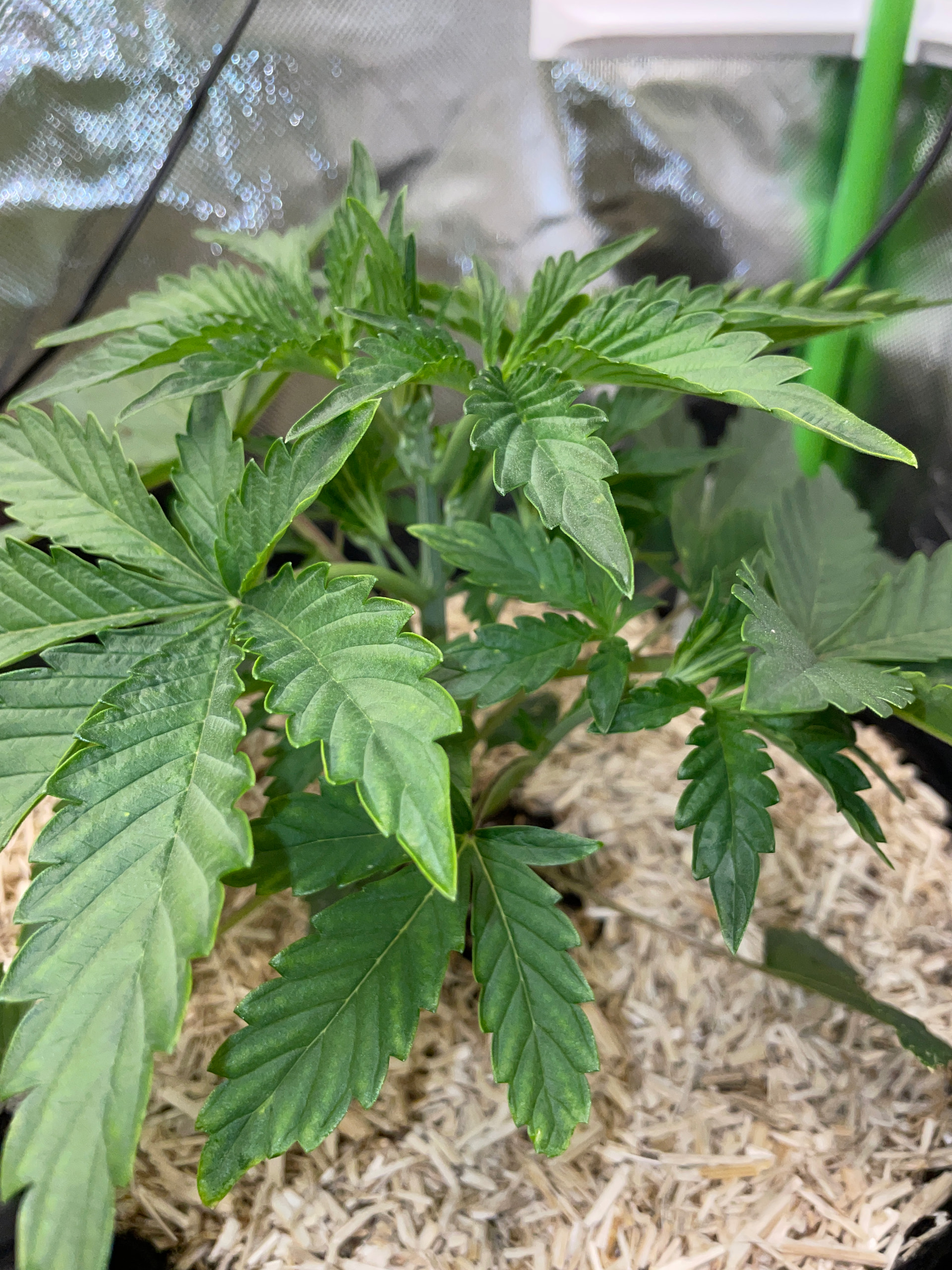
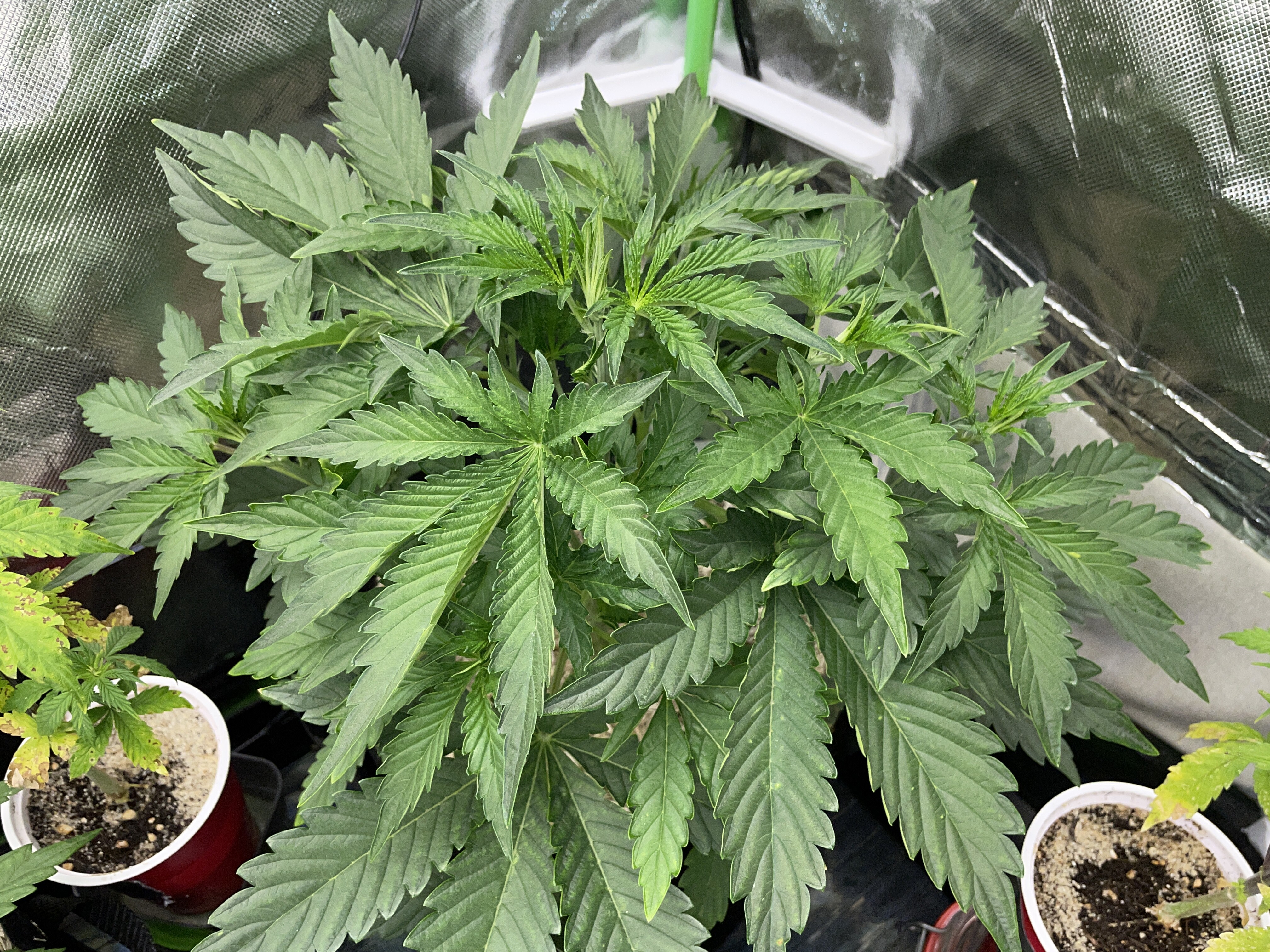
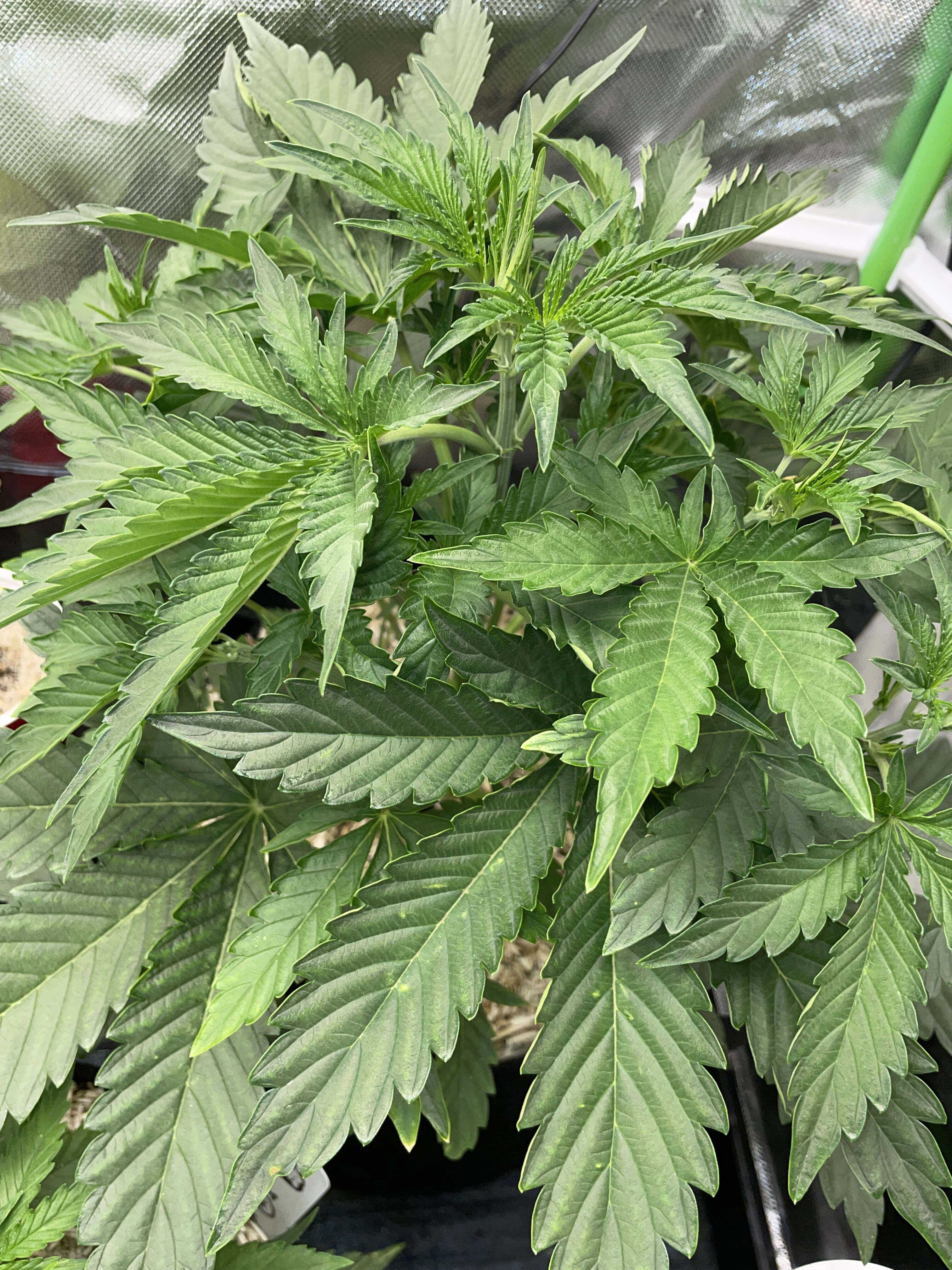
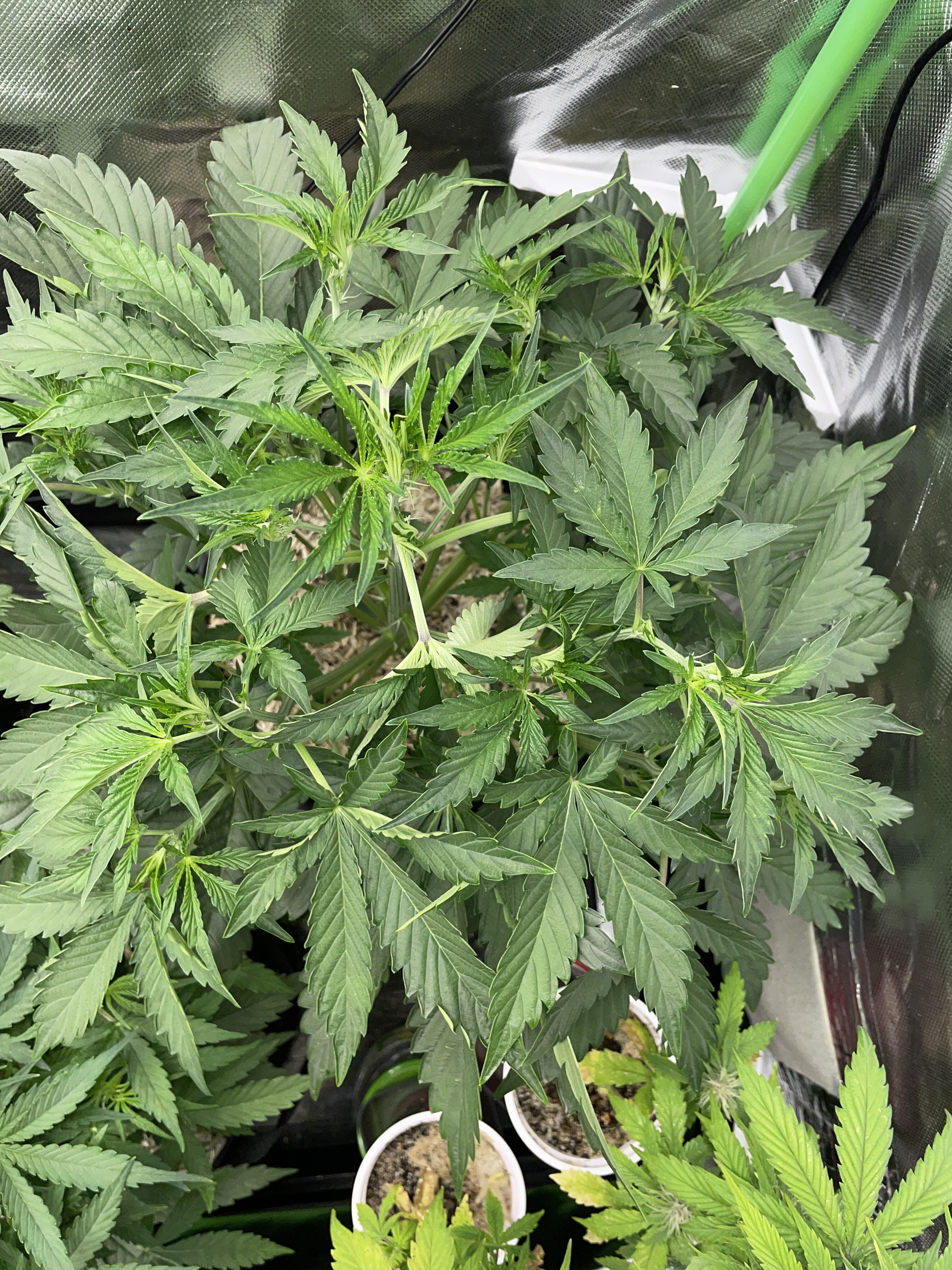
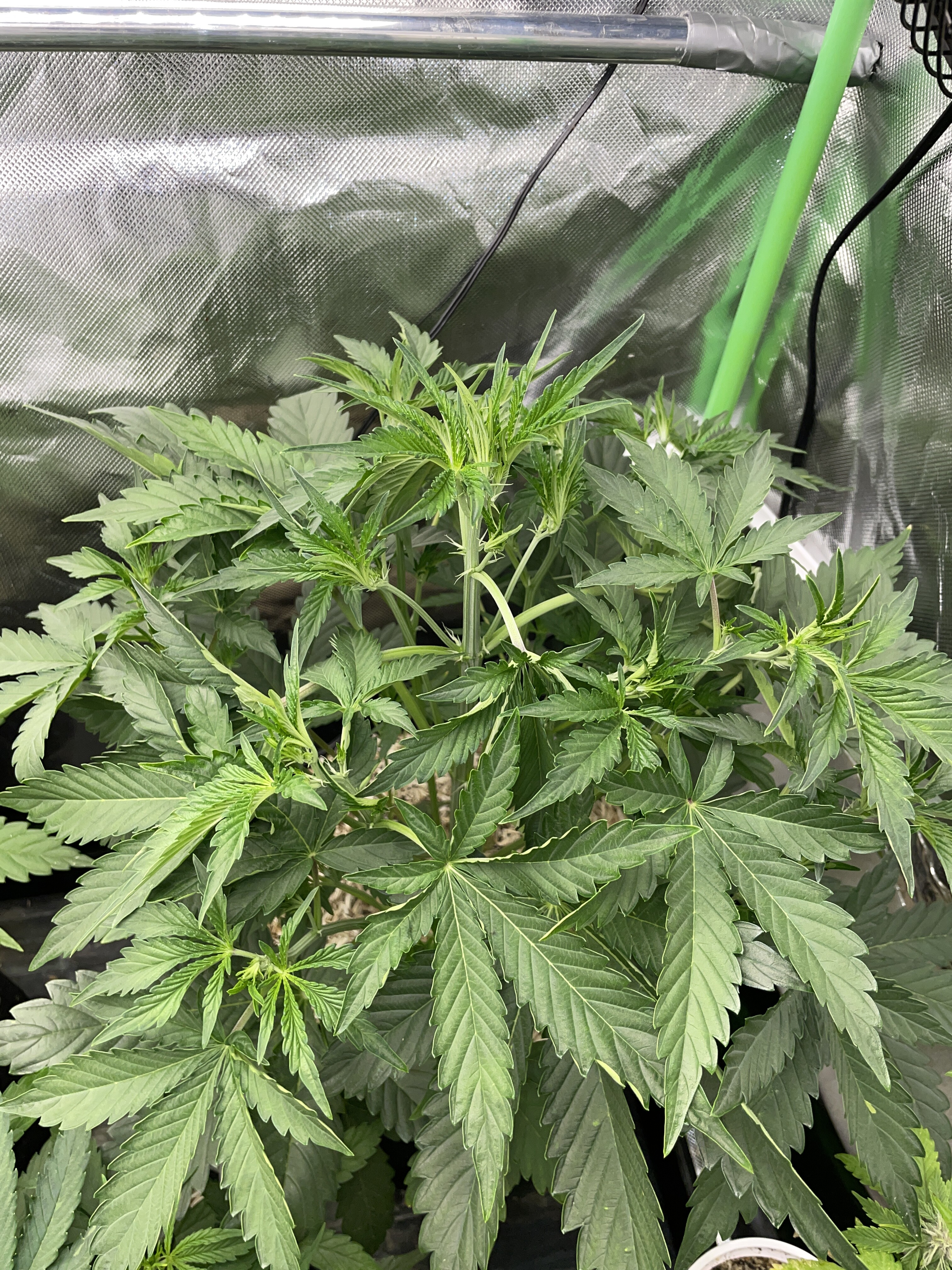
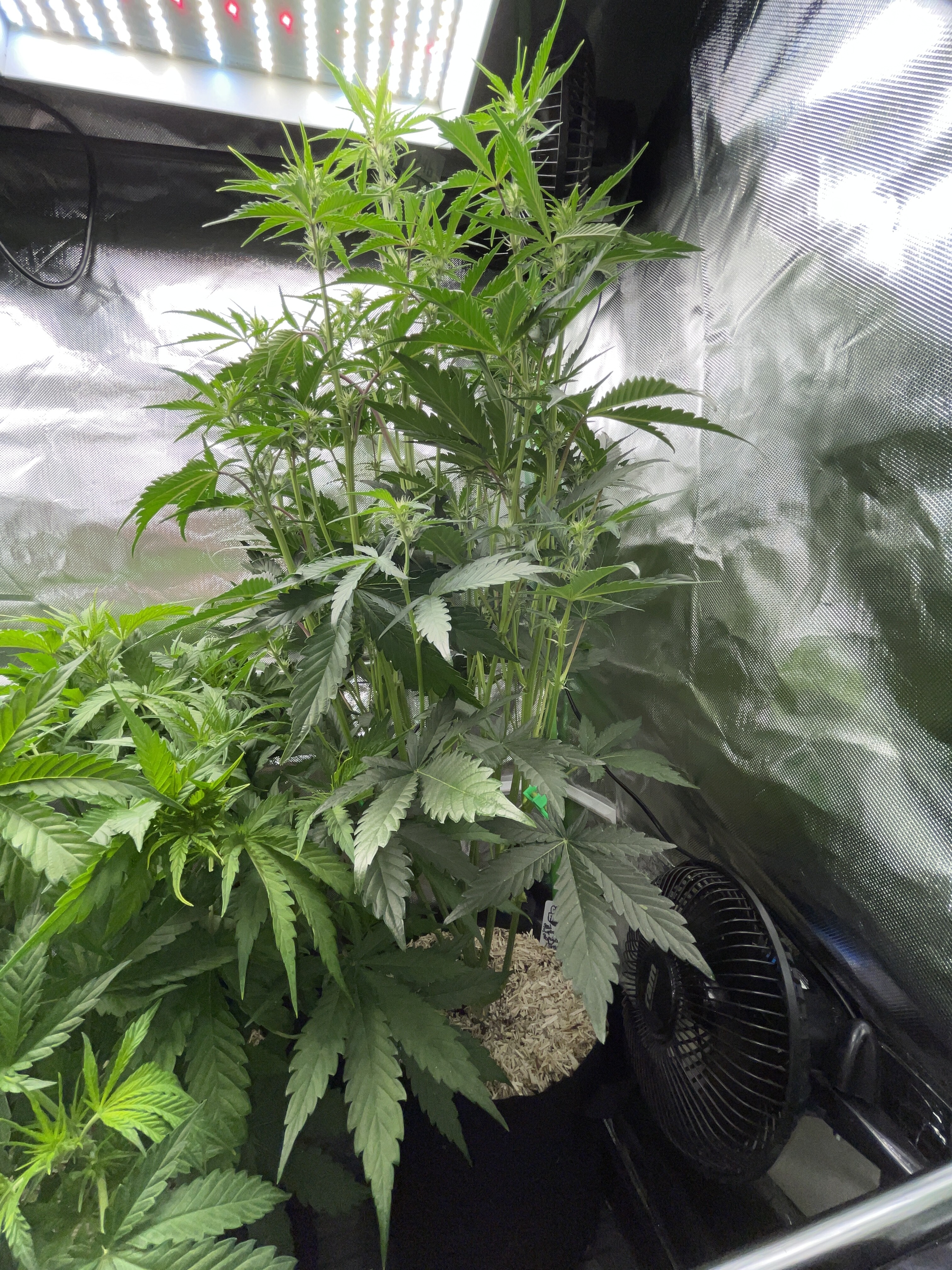
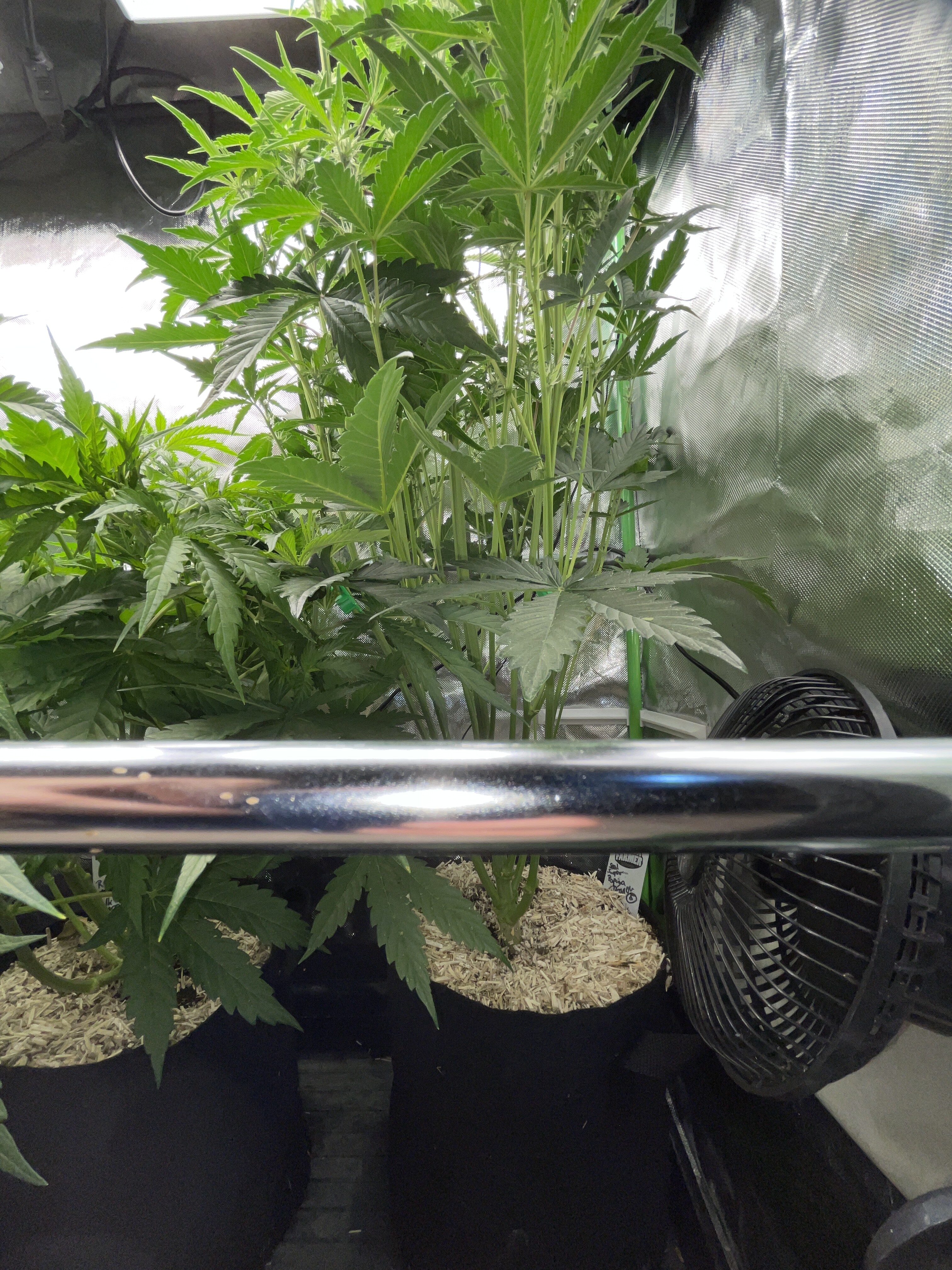
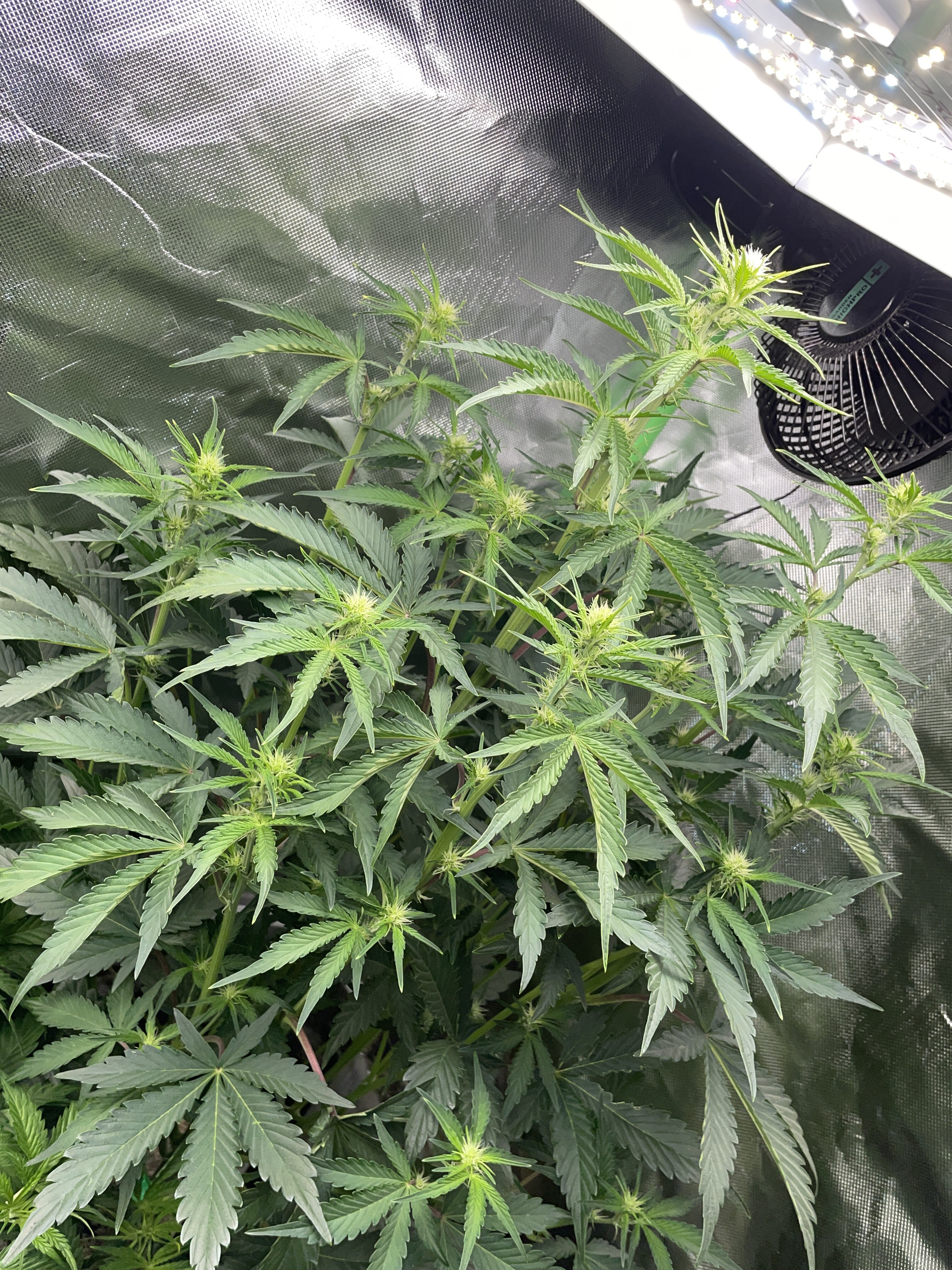
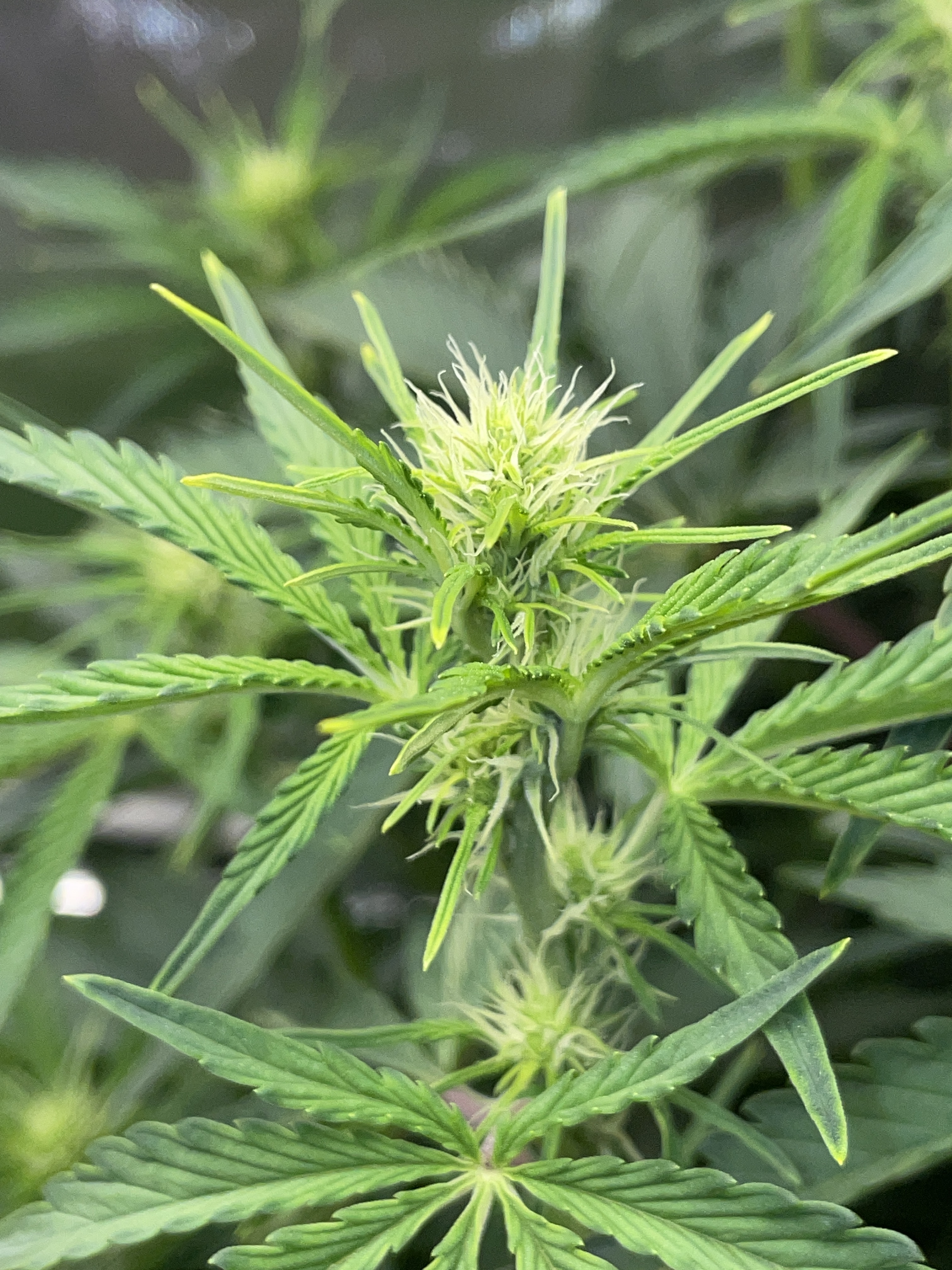
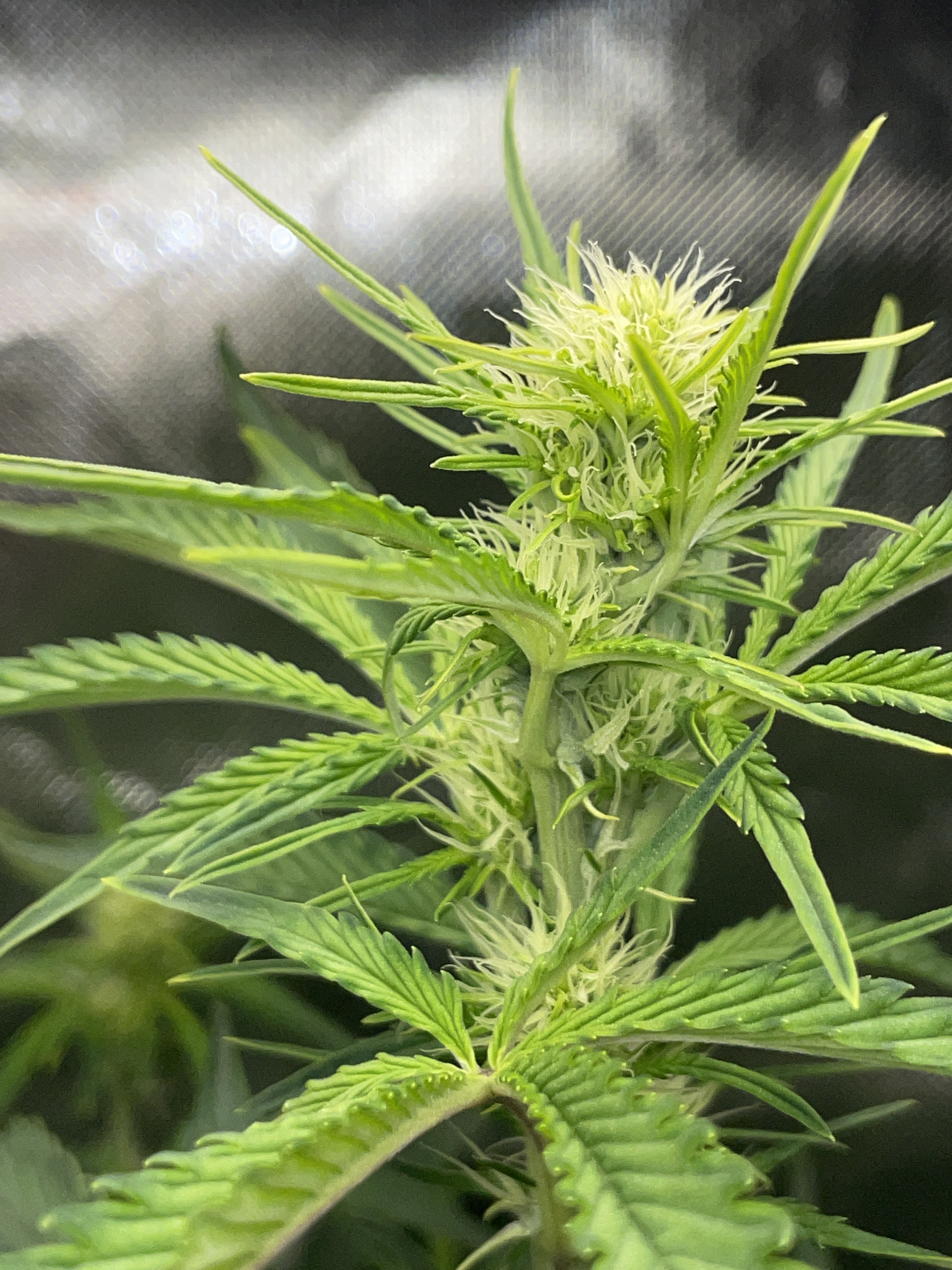
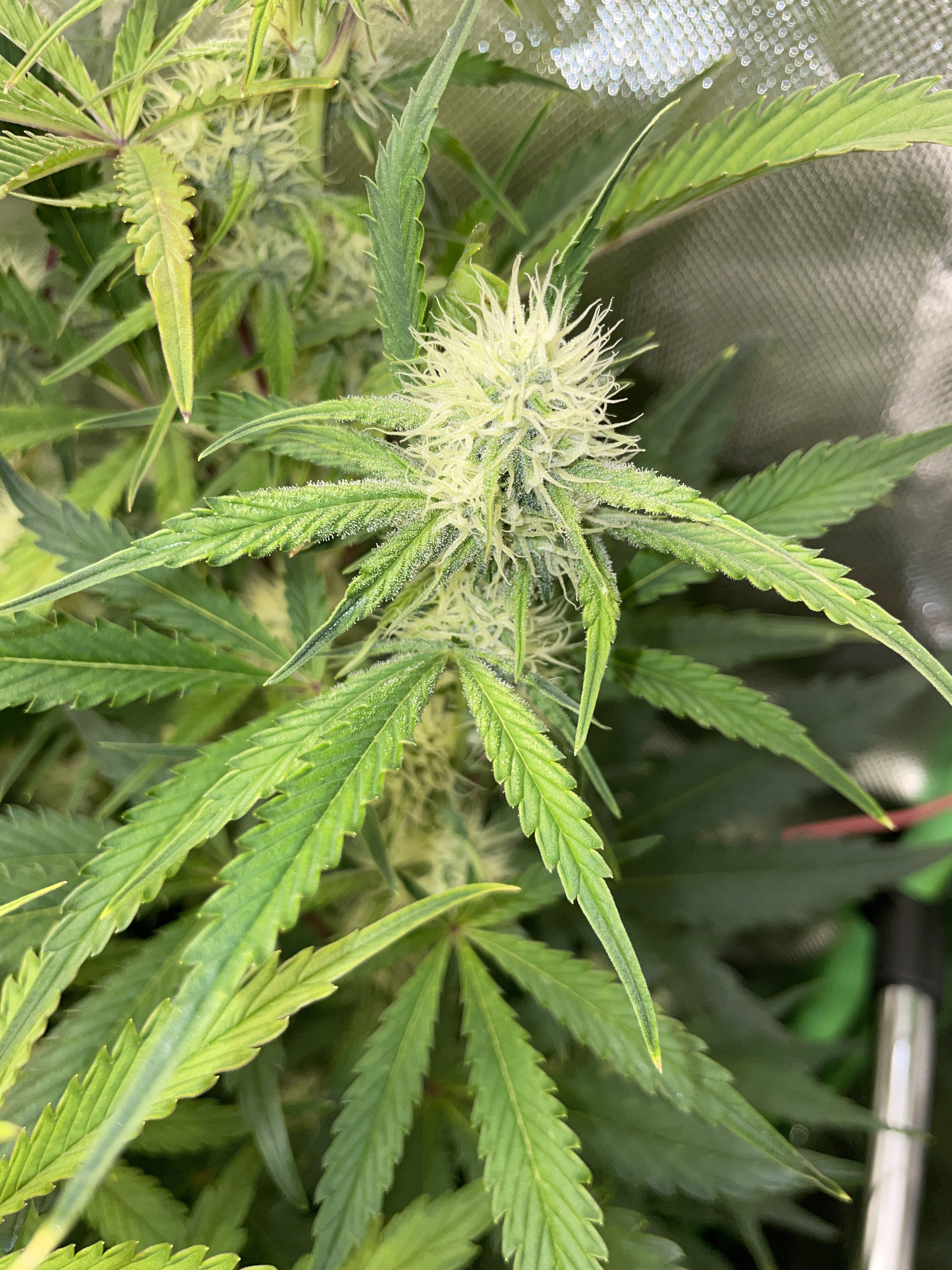
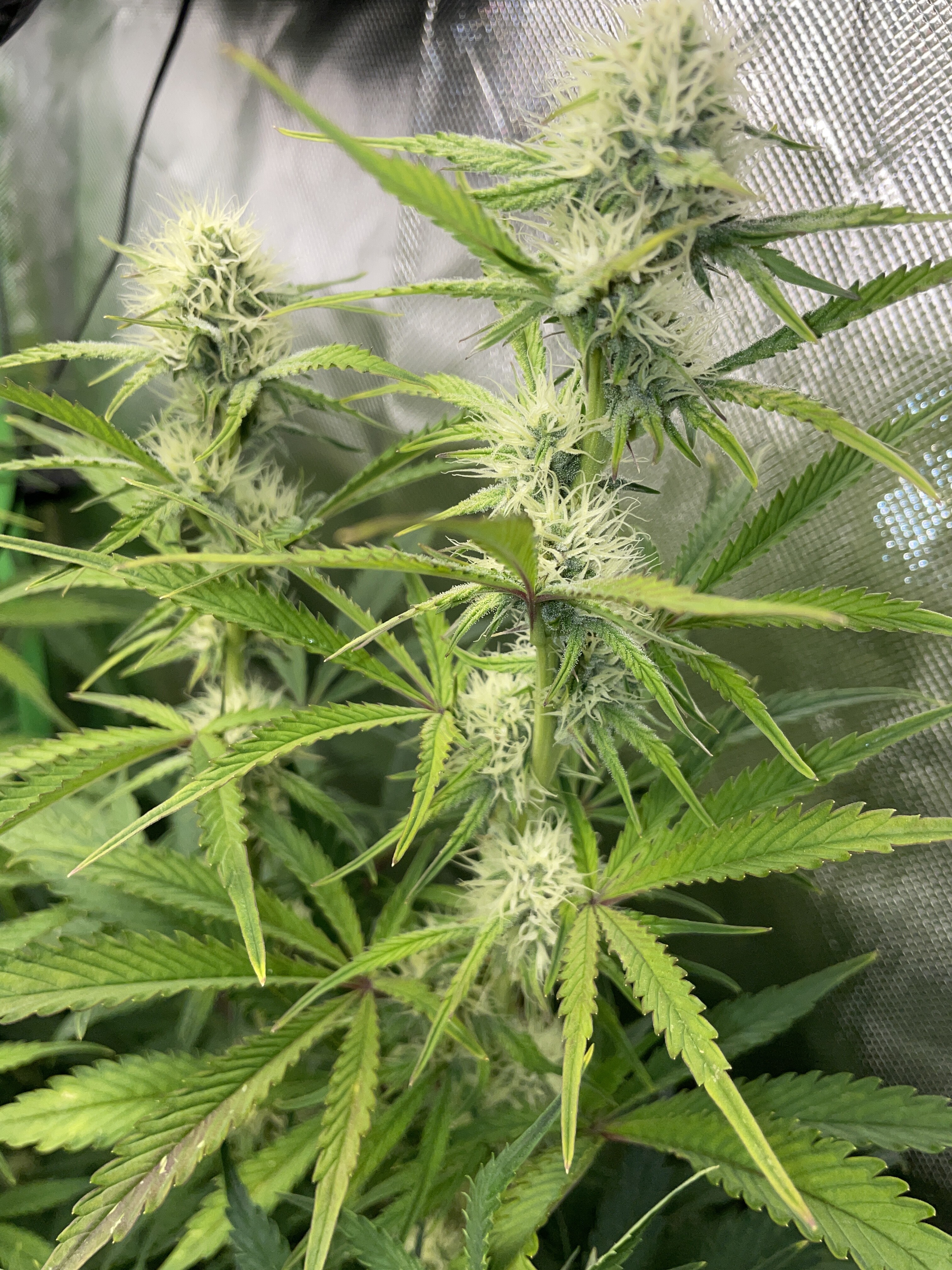
Overall, the plants appear strong and well-developed, but show initial slight “stress symptoms.”
Yellow/burnt leaf tips, slight over-fertilization / nutrient burn.
Especially on the front left plant, as well as the back right, distinctly lightened and yellowish dying leaf tips are visible. This usually indicates a slightly too high nutrient concentration (EC value) or a slight accumulation of salts in the substrate.
And yes, one can also mean too well with organic fertilization.
Reddish/purplish leaf stalks:
Several leaf stalks show a dark, reddish coloration. While this can be genetically determined, it often also occurs due to temperature differences (cool nights), slightly increased light intensity, or reduced phosphorus/magnesium uptake. The latter again points to a bit too much nitrogen = nitrogen toxicity, which can hinder the uptake of phosphorus/magnesium.
Slight Leaf Curling (watering behavior / transpiration):
Some of the leaves hang slightly heavily downwards or curl slightly at the edges, which often indicates a slightly too moist substrate or slightly high humidity/low air circulation in the lower tent area.
These are a few minor things to pay attention to and counteract in the further course of the grow.
Too much stress for too long will reduce the quantity.
But getting the plants finished is already a huge success.
Not everyone manages it. 
The rest is learning and will eventually become routine.
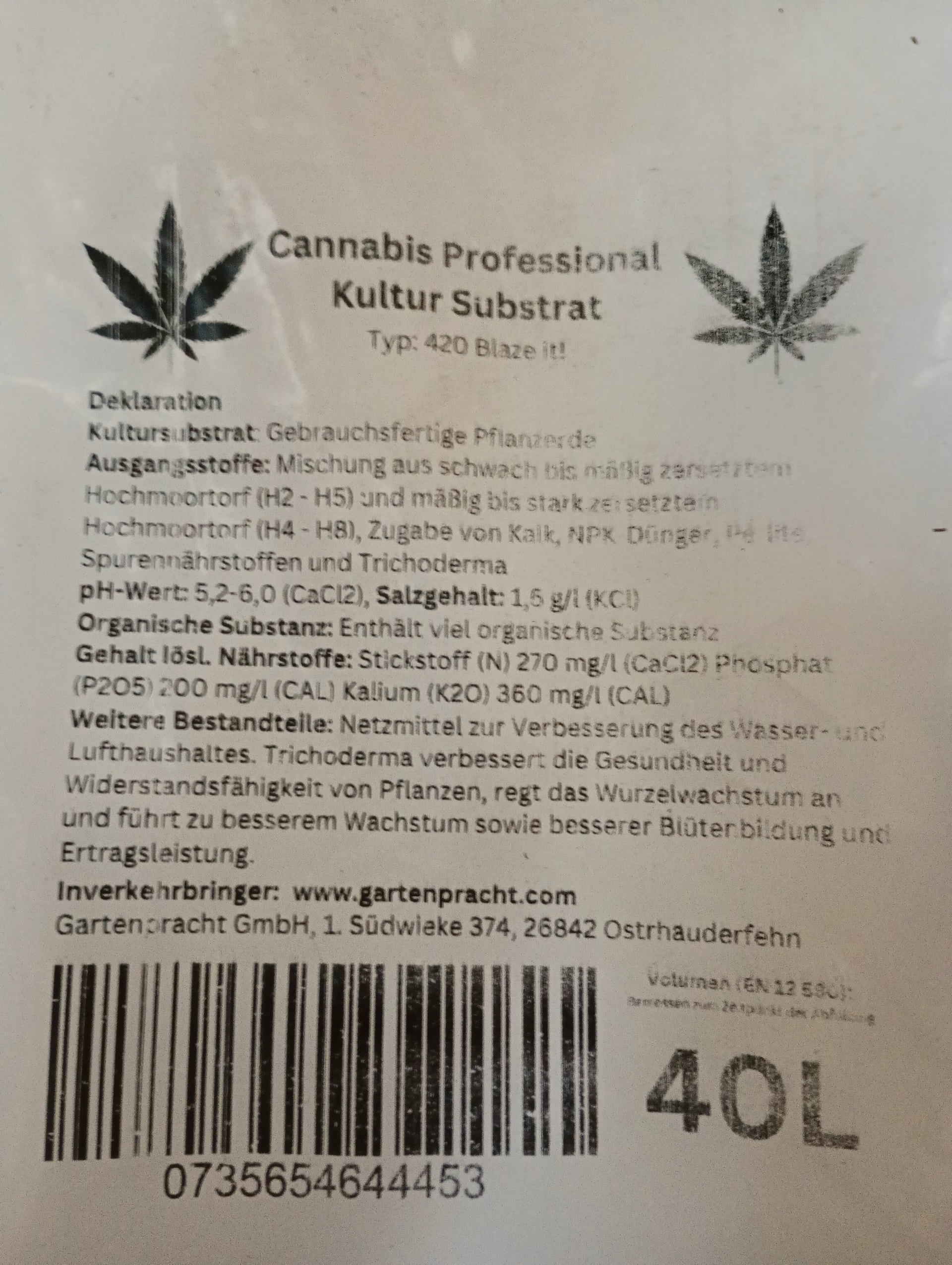
The soil would make sense, with mulch if you use its organic components, to use it purely organically.
Fertilizing mineraly would destroy the organic components of the soil over time, which wouldn’t be tragic because the mineral fertilizer supplies the plant comprehensively anyway. But again, here ----- Less is more.
For small plants, a maximum of 1/3 of the fertilizer manufacturer’s recommendation, and from growth onwards, a maximum of half of the recommendations initially.
After that, you can add a little more according to your feel and the plant’s appearance.
Most manufacturer recommendations are exaggeratedly high and only work if everything else is optimal. That is, climate values and light output.
Light dimmed too high, the lamp too close, also leads to stress.
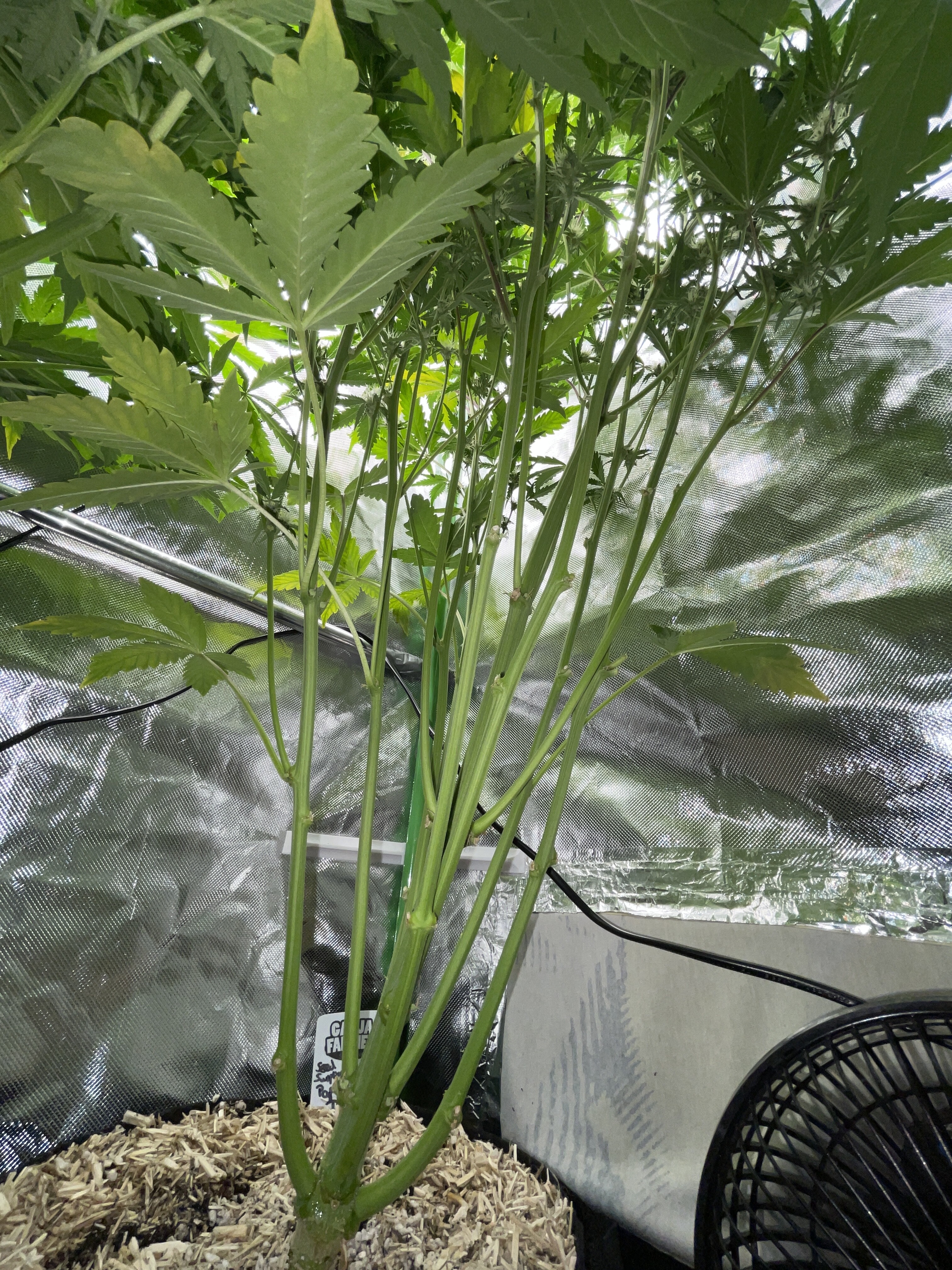
No - you’re not alone with the Air Root Pods. I also have a 20 l and a 1 l Pod here.
But they’re just sitting around. I once used the 20 l Pod for an autoflower, and that run was actually great.
However, I’m now doing more with fabric pots. Regards
 #7
#7


 .
.


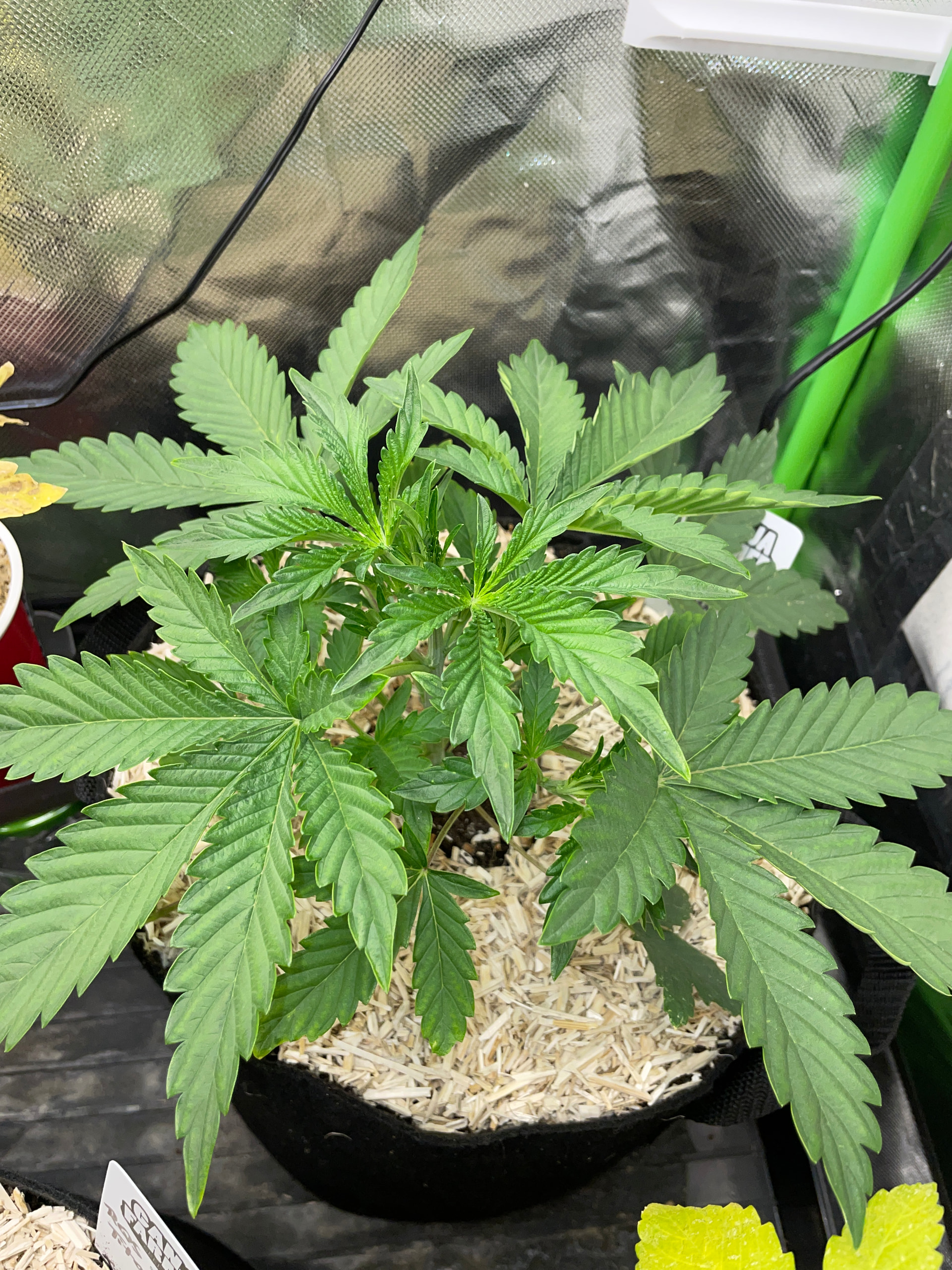





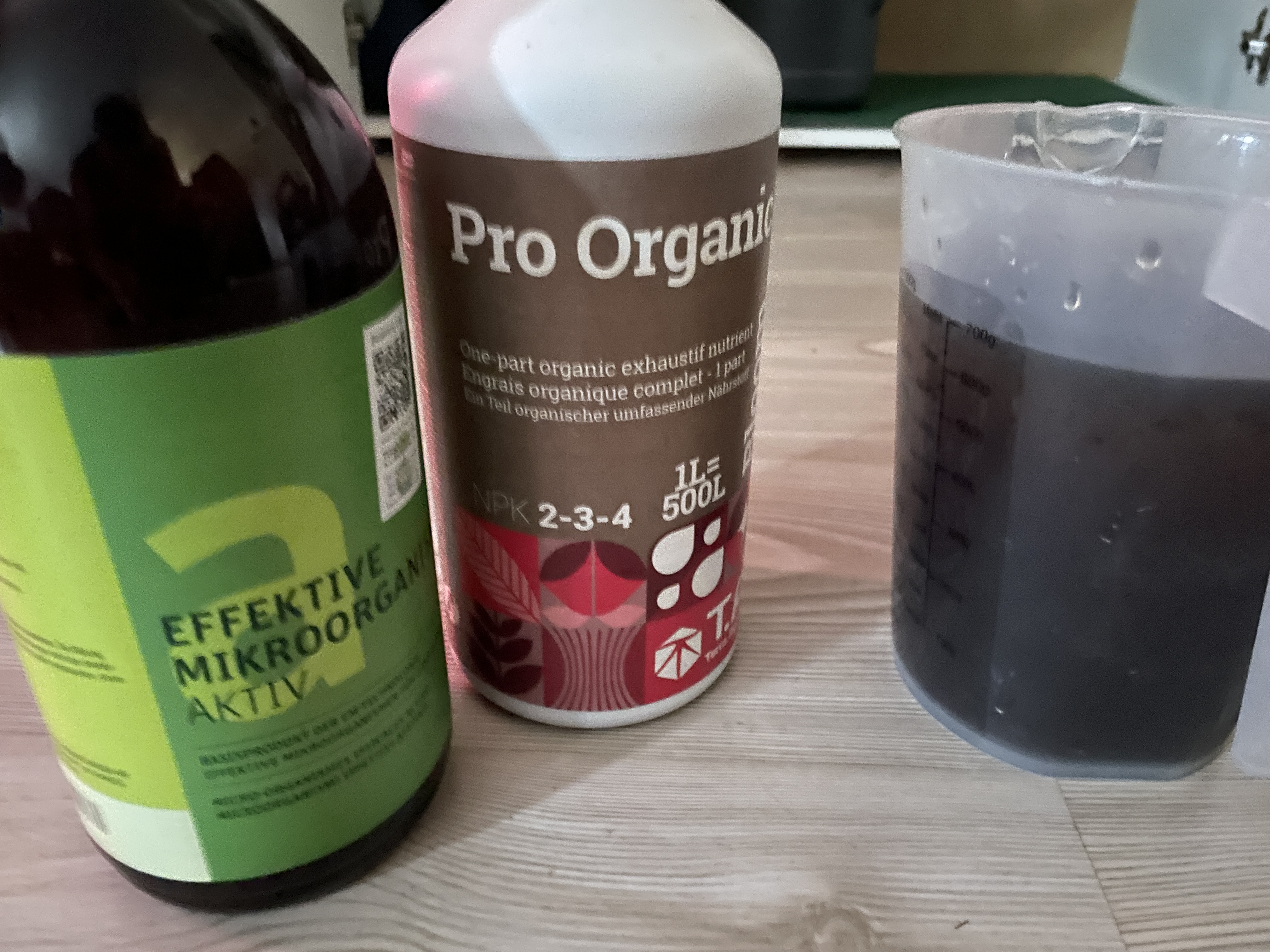
 active : 4ml/l