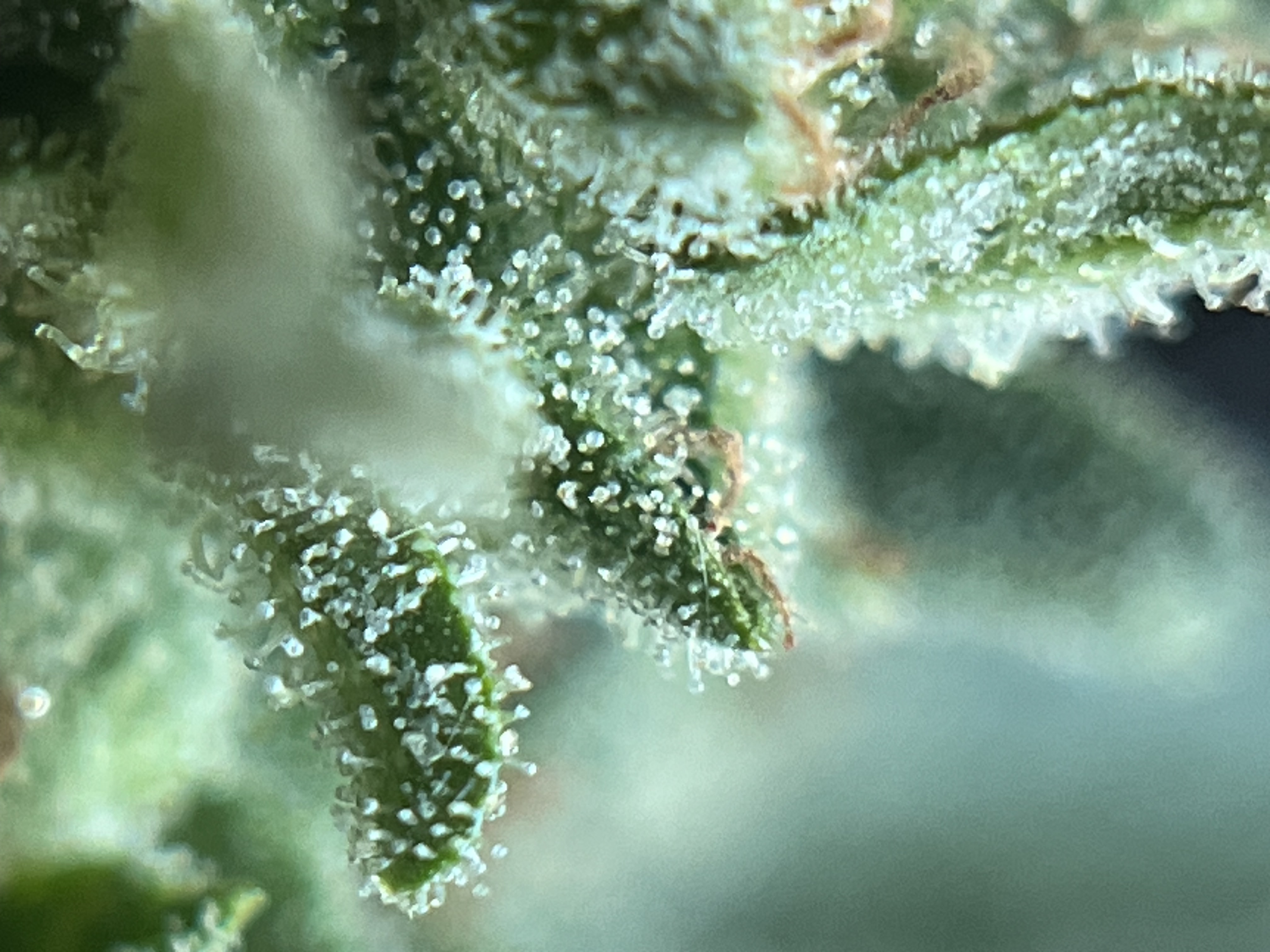
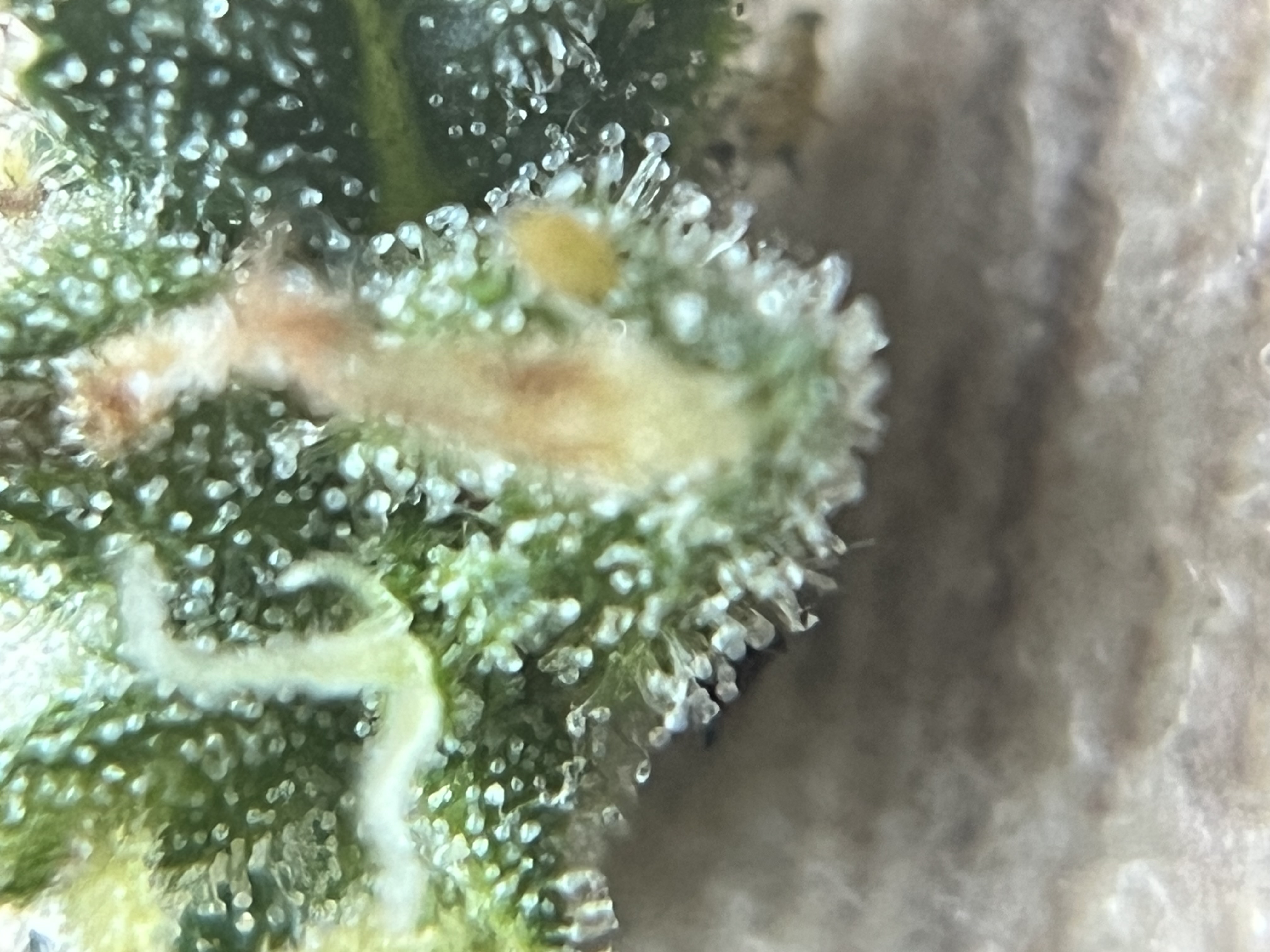
#6
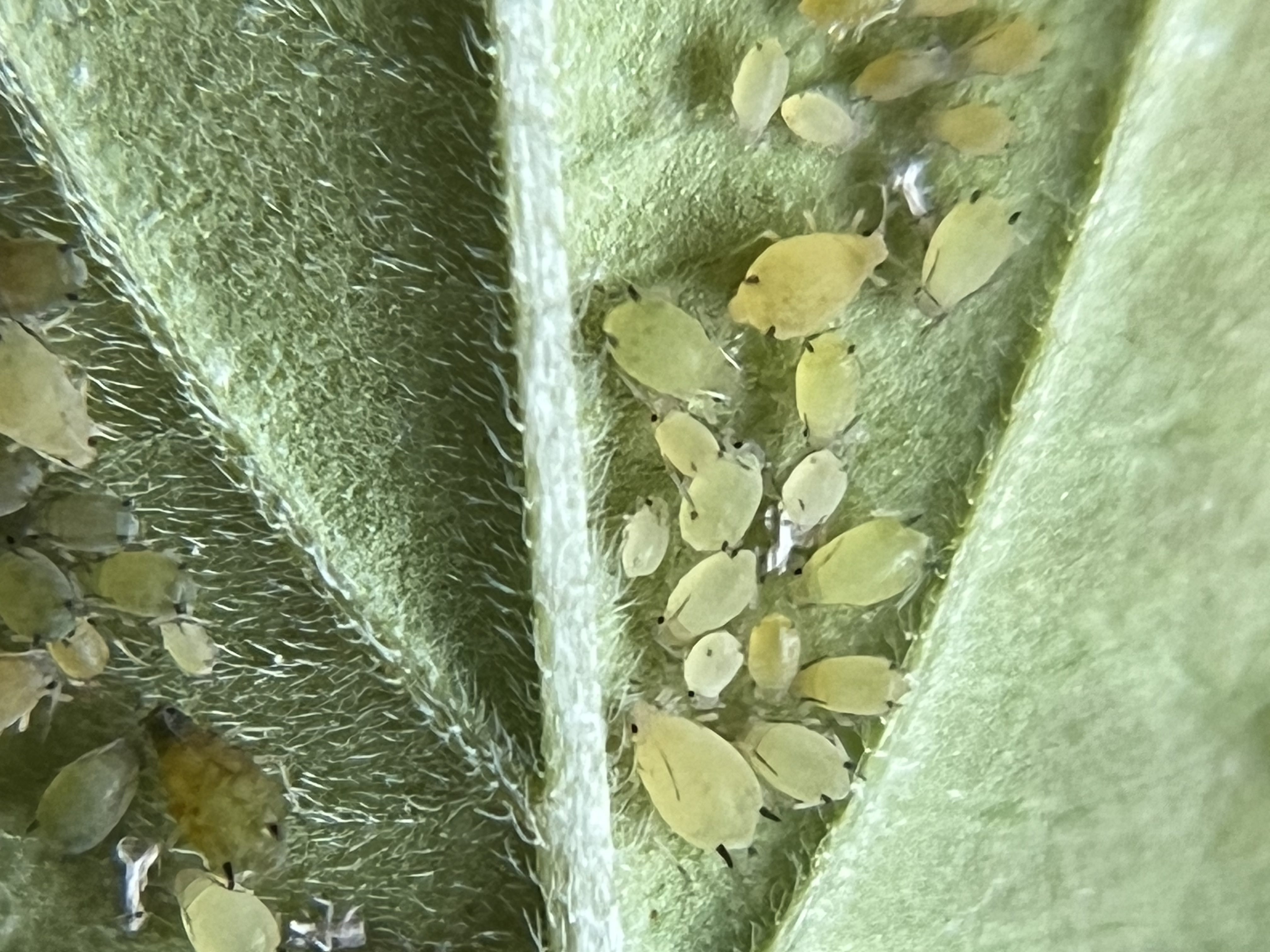
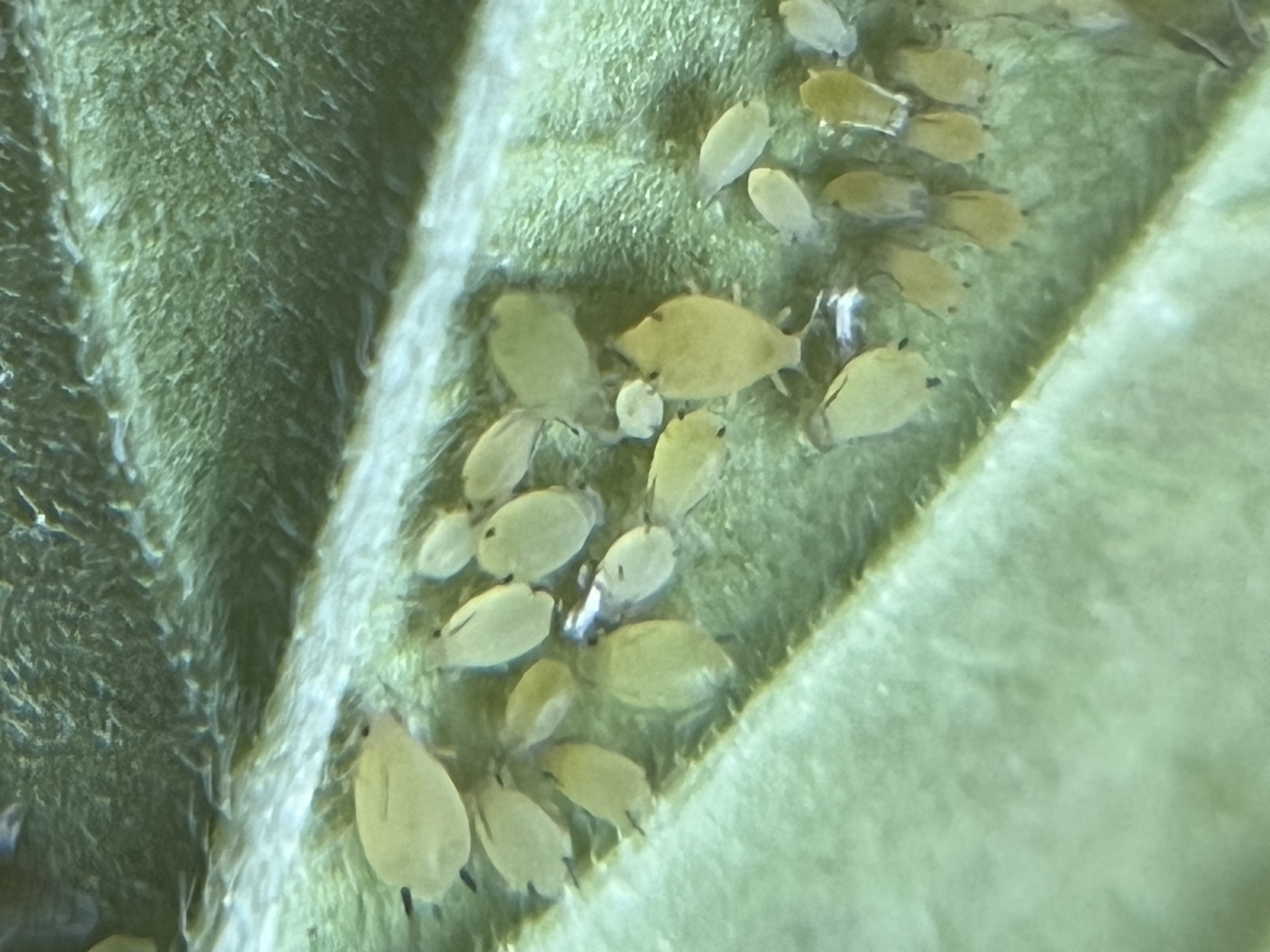
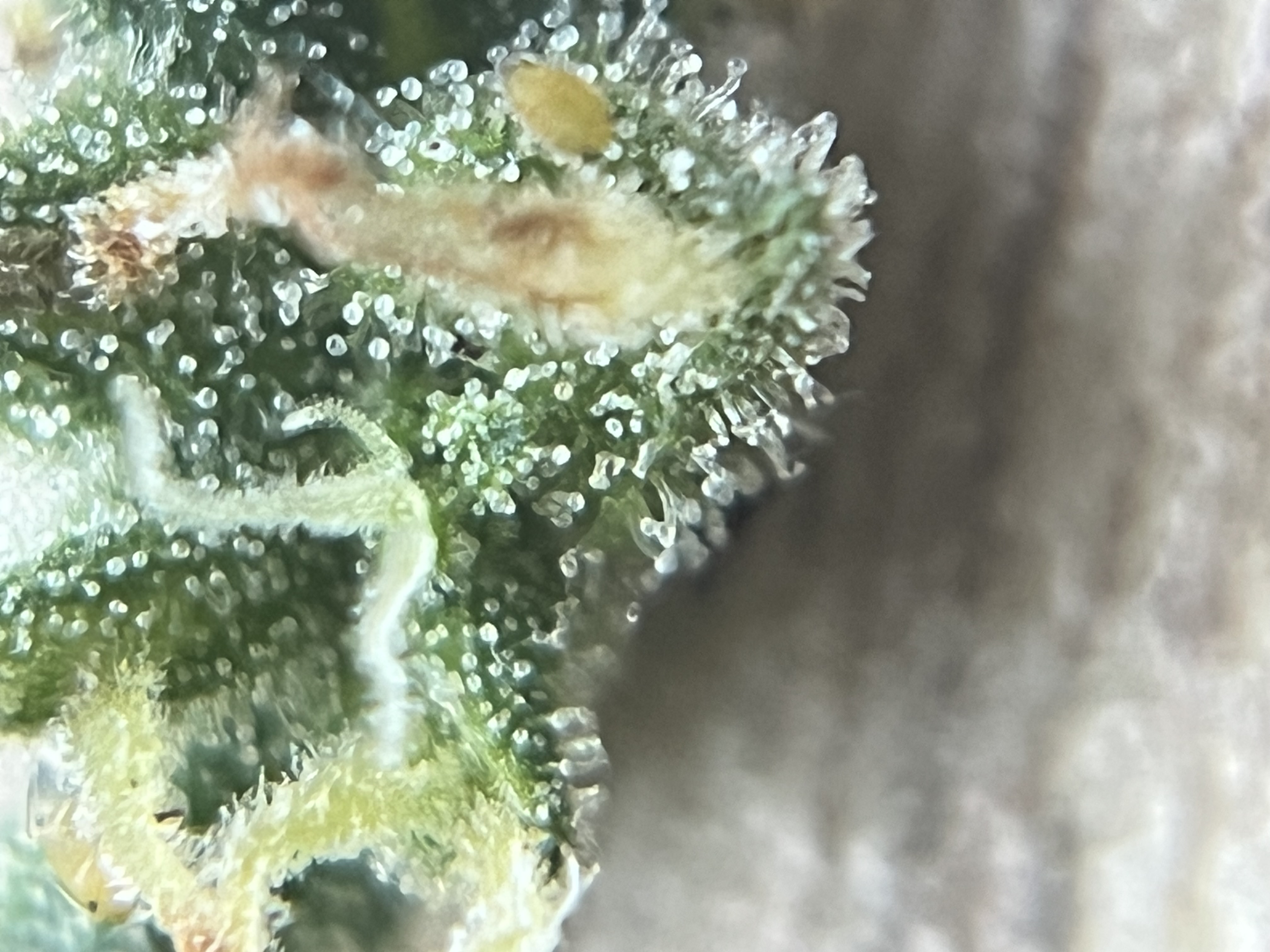
#6Neem oil, Yes Yes!!
Also lightly mist your leaves with a spray bottle & sprinkle some Diatomaceous Earth powder on the wet leaves. This will dry out after a little while, insects, bugs & flies will almost instantly die. This is harmless to your plant, as well as humans.
- You can also add a few ladybugs to your tent which is actually the best, they love thrisps & leafy spiders, ect.
DIATOMACEOUS EARTH: EFFECTIVE NATURAL PEST CONTROL
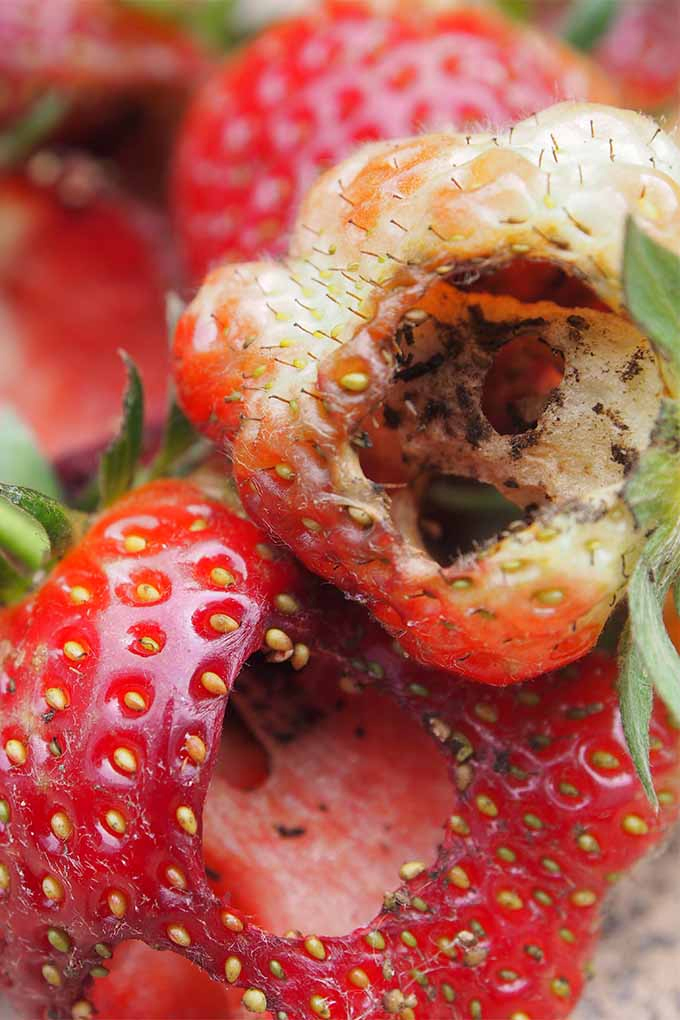
Nobody wants to see this first thing in the morning when they head out to the berry patch.
And if you’re visiting my homestead during the gardening months, you’ll hear us refer to “D.E.” almost daily.
The powdery substance, also known as diatomaceous earth, is one of my favorite weapons against garden pests.
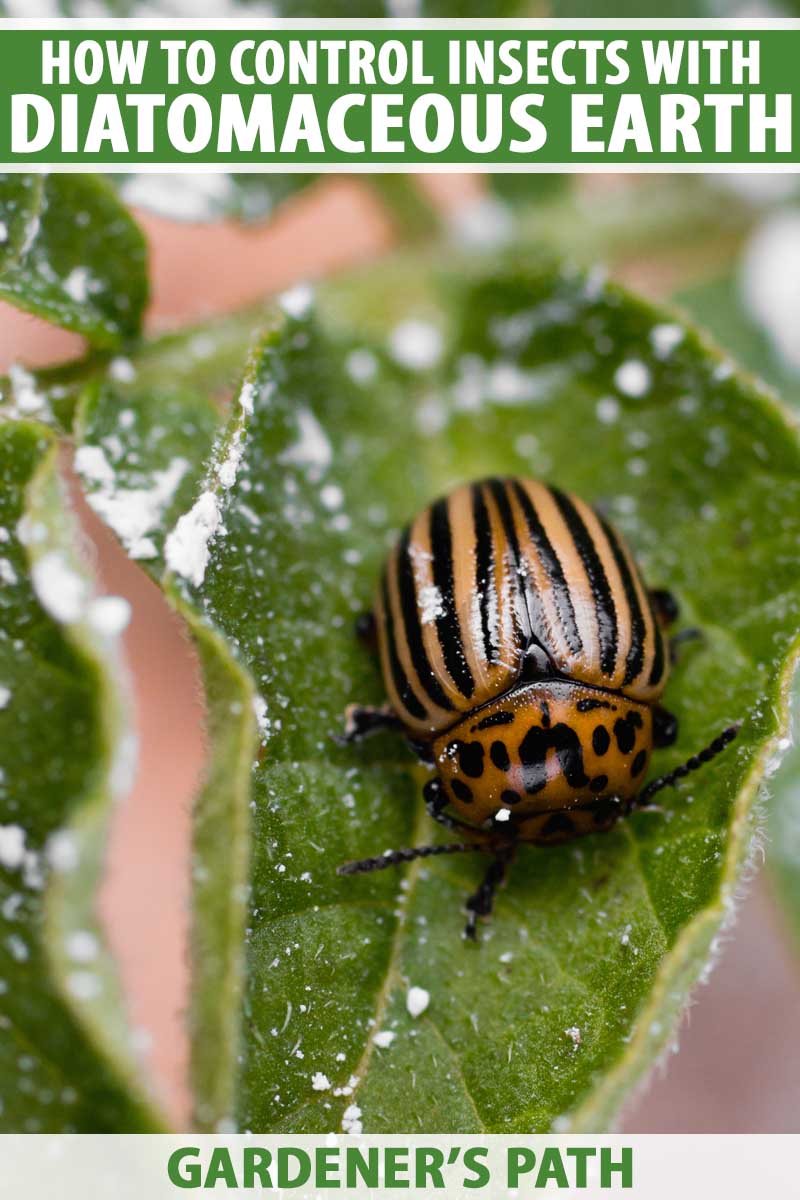
What on Earth is DE?
Diatomaceous earth, the official name for DE, is not new.
A popular topic of discussion by many gardeners in recent times, it is an organic gardening pesticide that has been used by some farmers and pest control professionals for decades.
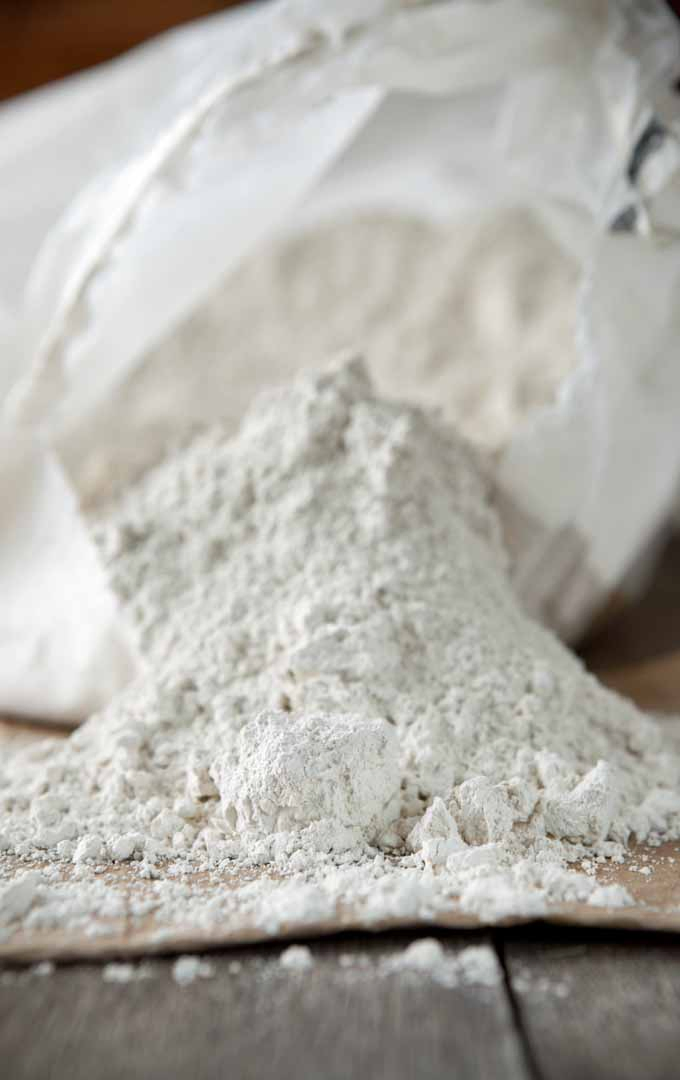
In fact, the powder is often a go-to remedy for household flea infestations as well.
The compound is made from the ground-up bodies of prehistoric diatomic fossils.
When ground, these tiny oceanic skeletal pieces are very sharp, and produce the effect of many miniature razor blades on the respiratory systems of any smaller insect or bug that inhales it. It also causes drying of the mucous membranes of breathing holes and lungs in bugs.
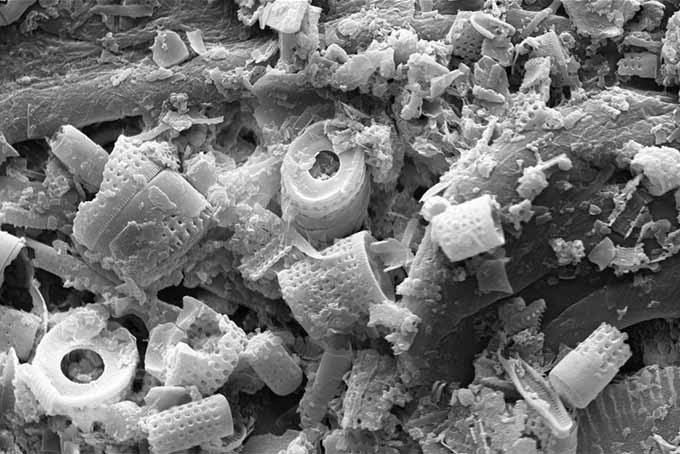
Highly magnified diatomaceous earth shows the intricate fossils that make up the substance. Photo courtesy of Auburn University Food Systems Institute. Used with permission.
Effective against slugs, beetles, worms, fleas, mites, and most any spider or insect, it is not much of a concern for larger creatures. Because the particles are so small, DE is safe to use around other wildlife, children, and pets.
Anyone who is particularly sensitive to particulates (such as those with asthma or any other type of breathing condition) will want to avoid directly breathing in the dust.
My husband is one such person, and he wears a dust mask to avoid coughing fits and temporary irritation.
What’s the Best Way to Apply It?
My husband carries around a recycled carpet cleaning powder container that he uses to sprinkle liberal amounts of diatomaceous earth on plants in our garden that are the most susceptible to insect damage.
While we may have used Sevin or another toxic product in the past, DE works just as well for us – without the worry of our children ingesting trace amounts of toxic chemicals with each garden snack.

You can sprinkle it directly on the ground where slugs are most likely to reproduce. Or, you can apply a light dusting to the plants themselves.
Diatomaceous earth must be reapplied after every rain or heavy dew to be effective. It’s important to remember that wet DE does not have the drying, cutting effect that’s needed to be work against pests.
All DE is Not the Same
It is important to note that “food grade” diatomaceous earth is the only kind appropriate for use in gardens, and around pets and kids. There are other types that may contain contaminates that are harmful if inhaled or ingested.
Studies on food grade DE, however, have shown it to be relatively harmless to people, even if inhaled in rather large amounts.
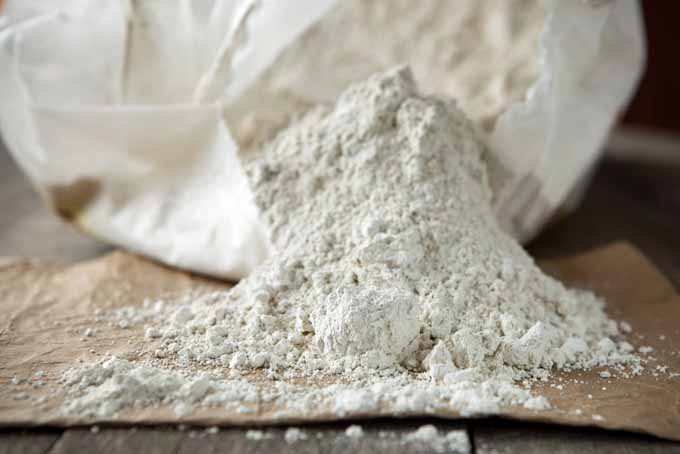
As harmless as the food grade version can be for your household, the regular stuff may cause major problems.
The type that is often used in pool filtration systems is not safe to use around kids and pets. Be sure to purchase food grade only and check the packaging for this designation.
As helpful as many garden store employees can be, many are not aware of the differences. It is up to you to protect your family and flock by reading labels, and ensuring that you are introducing a safe pest treatment to your garden.
For more information on the safe use of diatomaceous earth, we like this helpful resource from our friends at Pest Strategies.
DE in the Environment
I want to keep our acreage, and the neighboring land around it, free from harmful chemicals. It’s important that it continues to be a source of food and shelter for my kids, grandkids, and their families.
Diatomaceous earth gives me some piece of mind in that area, as it doesn’t negatively affect the soil or surrounding waterways when used over time. In fact, DE is a sustainable source of silicon dioxide, an essential ingredient needed for poultry development.
Chickens that eat vegetation treated by diatomaceous earth may potentially experience significant health benefits.
Note: While I do not live near the oceans or any major waterways, runoff containing DE simply redeposits the silicon that originally came from the ocean back into it. The silicon continues, undissolved, until it can be used by certain marine life species in building their exoskeletons!
Squash Bugs: A Case Study
If there is one foe of our garden that I have despised more than any, it is the squash bug. Our soil is perfect for inviting these destructive creatures in, and they have taken out hundreds of pounds of potential pumpkins, butternuts, and melons over the years.

Before diatomaceous earth, we would wait anxiously for them to hatch, then move quickly to harvest before they overtook everything. Now, we have a new plan:
- Each day in late summer that the squash beetle is likely to lay eggs, check the undersides of the squash plants. If we see eggs, we act!
- Using gloved hands, carefully remove the eggs, being careful not to tear the leaves.
- Immediately sprinkle DE on the tops of all of the plants.
- Reapply after each rain.
- Continue checking for eggs and apply DE throughout the life of the squash plant.
- Discontinue application when the harvest is done.
It seems like work, but the reward is sweet! We experience an abundant squash harvest, with no rotting or dead vines, and organic food for my family.
I can’t tell you how good it feels not to worry about chemical residue getting into my family’s meals.
We have more tips on identifying and controlling squash bugs here.
Other Uses for DE
Food grade diatomaceous earth can be a powerful tool for many home and garden ailments.
Added to a sandbox filled with dirt, it makes a good dust bath for chickens, and can keep bird lice and fleas away.
For this use, look for concentrations of the product that contain less than 1% of other ingredients to make sure you are using the purest form for animals.
It is also a potent remedy for fleas in the house. After you find your first flea, liberally sprinkle DE on your carpet and other cloth surfaces, and allow to sit for a minimum of 12 hours before vacuuming.
You may need to repeat this after a week, or when flea eggs are likely to hatch. Repeat 3-4 times to rid your home of stubborn indoor fleas.
A Word on Bee Protection
Bees are our friends. Gardeners should be especially mindful of any products used that may cause issues for our pollinators.
If your garden happens to be attractive to bees, you may consider covering any treated plants with a sheet during the day when bees visit.
Keep an eye on which plants are more likely to bring the bees around, and make note for when the time comes to apply DE.
Most of the plants will be in a flowering stage, which may or may not be during the same time pests are likely to attack.


 I was one of the first guys that got that new Phyto-Max 3 light