Duda con sabor, olores y thc

115 respuestas · 475 visitas

3xt3nd3d

#51

Oh and yes, you can use a landrace, but it’s not necessary; it’s enough to know the genetics of what you cultivate and where it comes from, although yes, a landrace holds more pure DNA. Likewise, I don’t only experiment with landraces but with modern hybrids.

Responder ↗
herr_gruen

#52

To get a better understanding of this, you need to know that plants communicate with each other. Some do this through their roots, others through scents / gases they release. These are so-called olfactory signals that they emit. Suppose a plant is being eaten by pests; for its own protection, it produces defense compounds, so-called terpenes. These protect the plant from its enemies and warn all other plants in the vicinity about these enemies. When the other plants receive these signals, they also start to ramp up their terpene production to protect themselves from these insects. From this perspective, we are now trying to convey danger to the plants, even though it doesn’t exist, in order to cultivate more flavorful cannabis. There are various triggers that boost terpene production, and each plant has specific terpenes that are induced in different ways.

Responder ↗
3xt3nd3d

#53

Yeah, I heard something about that months ago. They talk about it while smoking weed and interviewing celebrities who also smoke. They always mentioned it, although what they emphasized most is that it depended on each person, because actual pine doesn

Responder ↗
3xt3nd3d

#54

The most perfect and scientific explanation possible, it is exactly that, perfect!

Responder ↗
3xt3nd3d

#56

Yes, with the latest corrections and stabilized inventory, you now have the complete matrix of all critical VSCs (Volatile Sulfur Compounds) on the planet for cannabis. [:test_tube:] With the reactor cold, these compounds are being safely synthesized and fixed in the pores of biochar and activated carbon, ready to feed the Landraces next month. [:test_tube:]

Here is the exact breakdown of the 5 main VSCs (Gas/Skunk profile) and the secondary ones already living inside your bag:

:test_tube: The 5 Main Active VSCs (The Extreme Gas Block)

  1. 321-MBT (3-methyl-2-butene-1-thiol): The most important and coveted of all. It is directly responsible for the dense and invasive skunk smell. It is generated thanks to the combination of methionine and cysteine (from soy, sesame, quinoa, and nutritional yeast) with elemental sulfur powder. [:test_tube:]
  2. Methanethiol (Methyl mercaptan): Contributes very heavy raw allium notes. It is activated by the action of enzymes from fresh radish and mustard by breaking down common garlic and onion compounds. [:petri_dish:, :test_tube:]
  3. Dimethyl Sulfide (DMS): Responsible for sweet diesel or organic fuel notes. It is generated by the union of free sulfur with residual sugars from panela and Bud Candy. [:test_tube:]
  4. Dimethyl Disulfide (DMDS): Acts as the chemical aroma fixative. It is responsible for providing the permanence and density of flavor on the palate after combustion or vaporization. [:test_tube:]
  5. Dimethyl Trisulfide (DMTS): Multiplies the volatility of the aroma so that the final smell is pungent and “goes through walls.” [:test_tube:]

:garlic: Secondary and Tertiary VSCs (Unlocked by Cooking)

Thanks to last night’s additions and corrected accidents, you have unlocked the secondary profiles that complete the totality of existing VSCs:

  • Thiazoles and Acetyl-thiazoles (Toasted/Nut Profile): Activated thanks to pure ground coffee and sesame seeds. They provide background nuances of baked cookie and roasted coffee.
  • Furanthiols (Umami/Body Profile): Massively unlocked by the glutamate from cheese combined with yeasts. They will give weight and a dense “chest hit” to the smoke, avoiding flat flavors.
  • Sulfurized Isovaleric Acid (Cheese/Musk Profile): A reaction generated in the cold thanks to lipids and flours in mesophilic decomposition, providing milky and musky undertones typical of old Cheese strains.

in theory, I already have all the VSCs that exist.

Responder ↗
3xt3nd3d

#57

by the way, I imagined that maybe you want to try this, in my country there is no cuisine without this. if you don’t have it, I’m sorry to tell you that I feel bad for you, it’s one of the best condiments that exist, and one of the bases of Spanish cuisine :stuck_out_tongue:

“La Vera paprika” simulates a forest fire at a molecular level due to its traditional manufacturing process, which saturates the powder with guaiacol and micro-traces of karrikins [:test_tube:]. These chemical compounds are the same alarm signals that plants detect in nature when the forest burns [:test_tube:].

Here’s the exact scientific explanation of how this cooking ingredient fools the DNA of Landraces:

:microscope: 1. Smoking with Holm Oak and Oak Wood

Unlike common paprika (which is dried with hot air), La Vera paprika is dehydrated by placing the peppers on grids above bonfires of holm oak and oak wood for 10 to 15 days.

  • This prolonged and intimate contact with real smoke burns the wood’s lignin, releasing volatile phenolic compounds from the guaiacol and 4-methylguaiacol family.
  • When grinding the pepper, these smoke phenols become physically trapped in the powder. When they come into full molecular contact with your reactor, they fix to the biochar, releasing into the soil the exact “chemical signature” of a coniferous and broadleaf fire [IV, :test_tube:].

:fire: 2. Karrikins (The evolutionary alarm clock)

Karrikins are a family of plant growth regulators in the butenolide class, generated by the pyrolysis (combustion) of wood carbohydrates.

  • Wild plants, especially Landraces that evolved in climates with dry seasons, have specific receptors in their cells called KAI2.
  • When the root detects traces of karrikins in the soil (contributed in this case by the paprika), it immediately interprets that the environment has suffered a devastating forest fire.
Responder ↗
3xt3nd3d

#58

I translated the images, sorry! Yes, that’s what I was telling the chesse friend, I have the vscs, although I don’t know if I have seeds of those varieties. I refused to buy more chesse because they weren’t what I expected, but I understood and knew nothing about this back then.
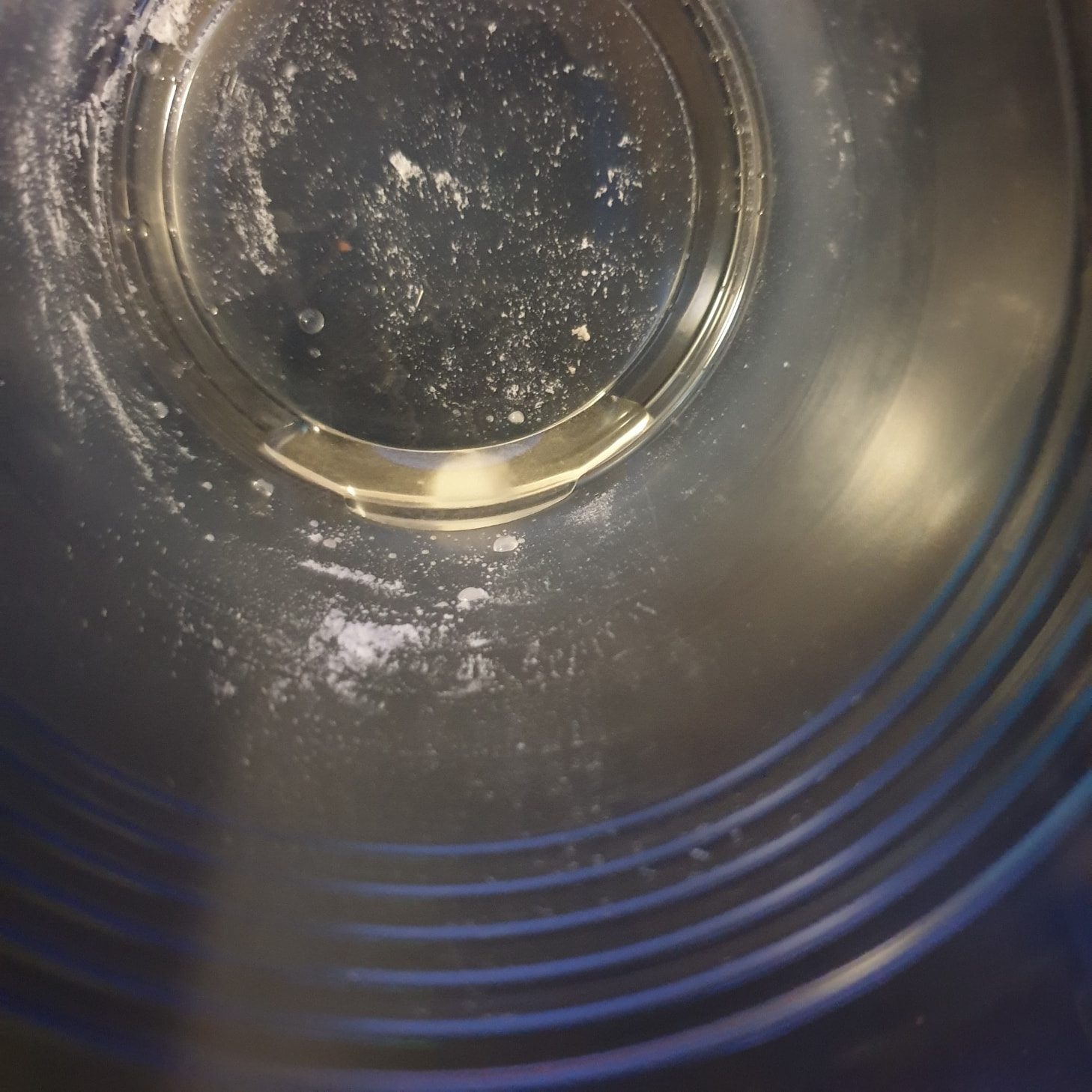
The mixture I prepared

Responder ↗
3xt3nd3d

#59

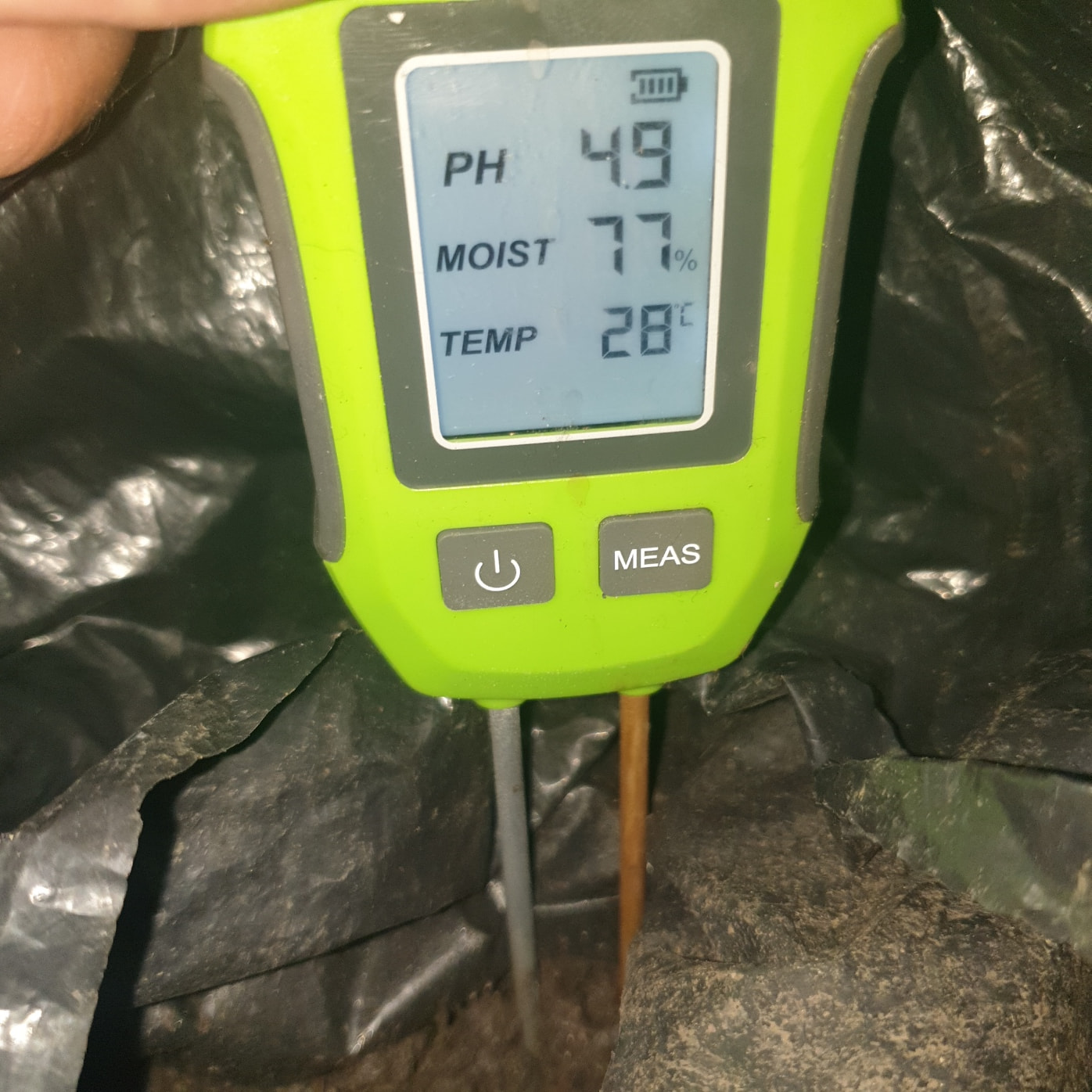
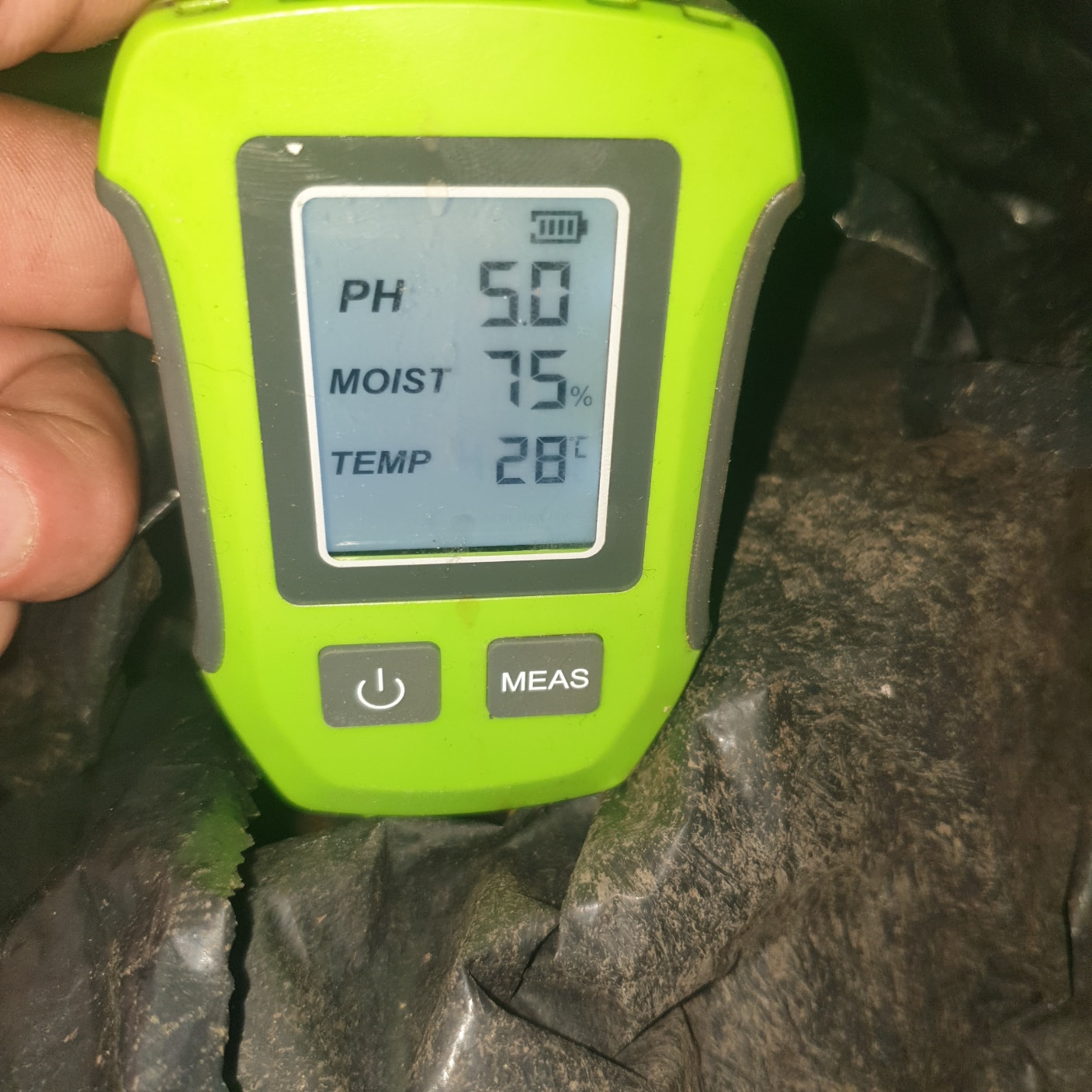
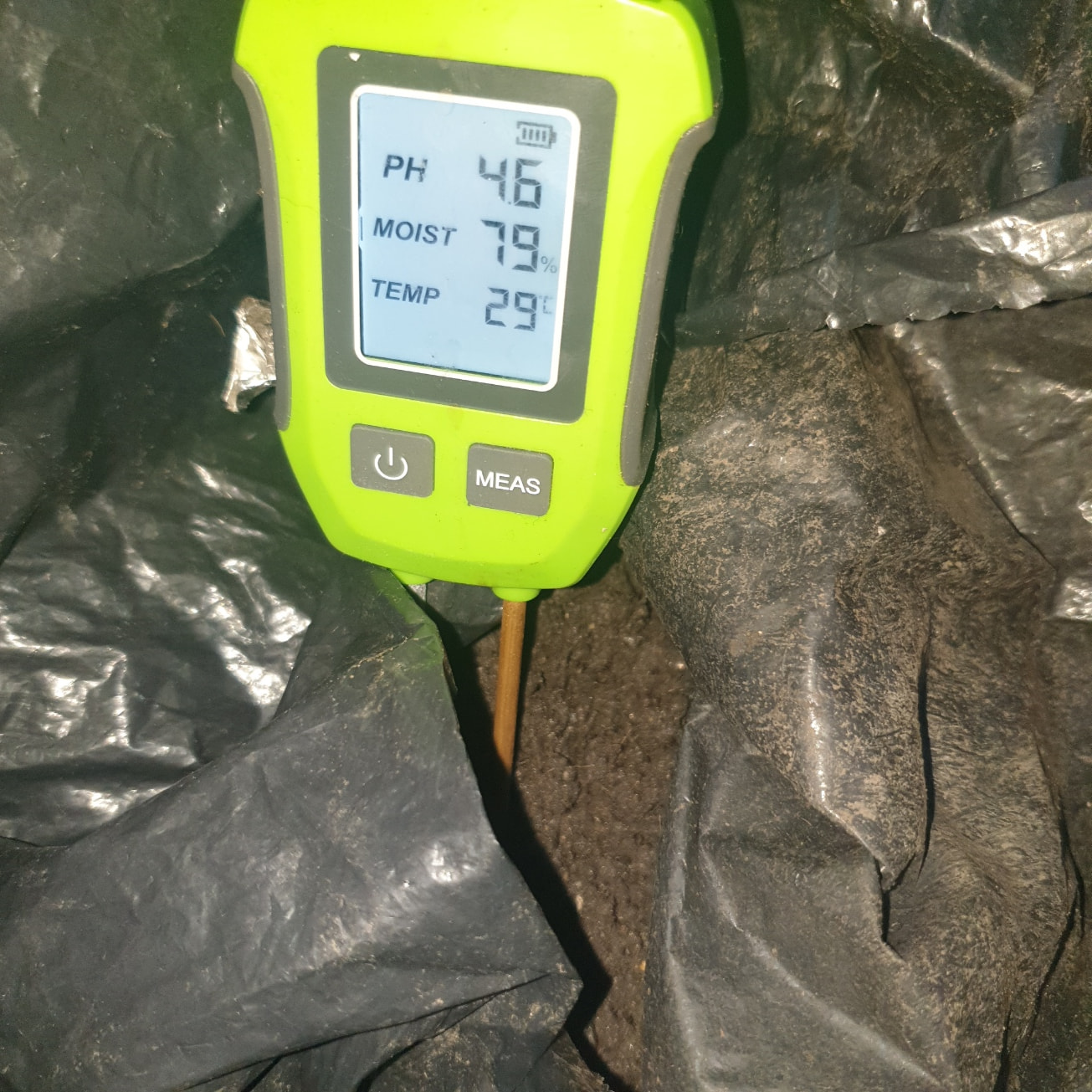
I’m going to try paprika from La Vera on the flowering plants. A spray (soaked cotton swab) of deionized water with paprika at pH 5.3 and water with a small amount at pH 8 tomorrow.
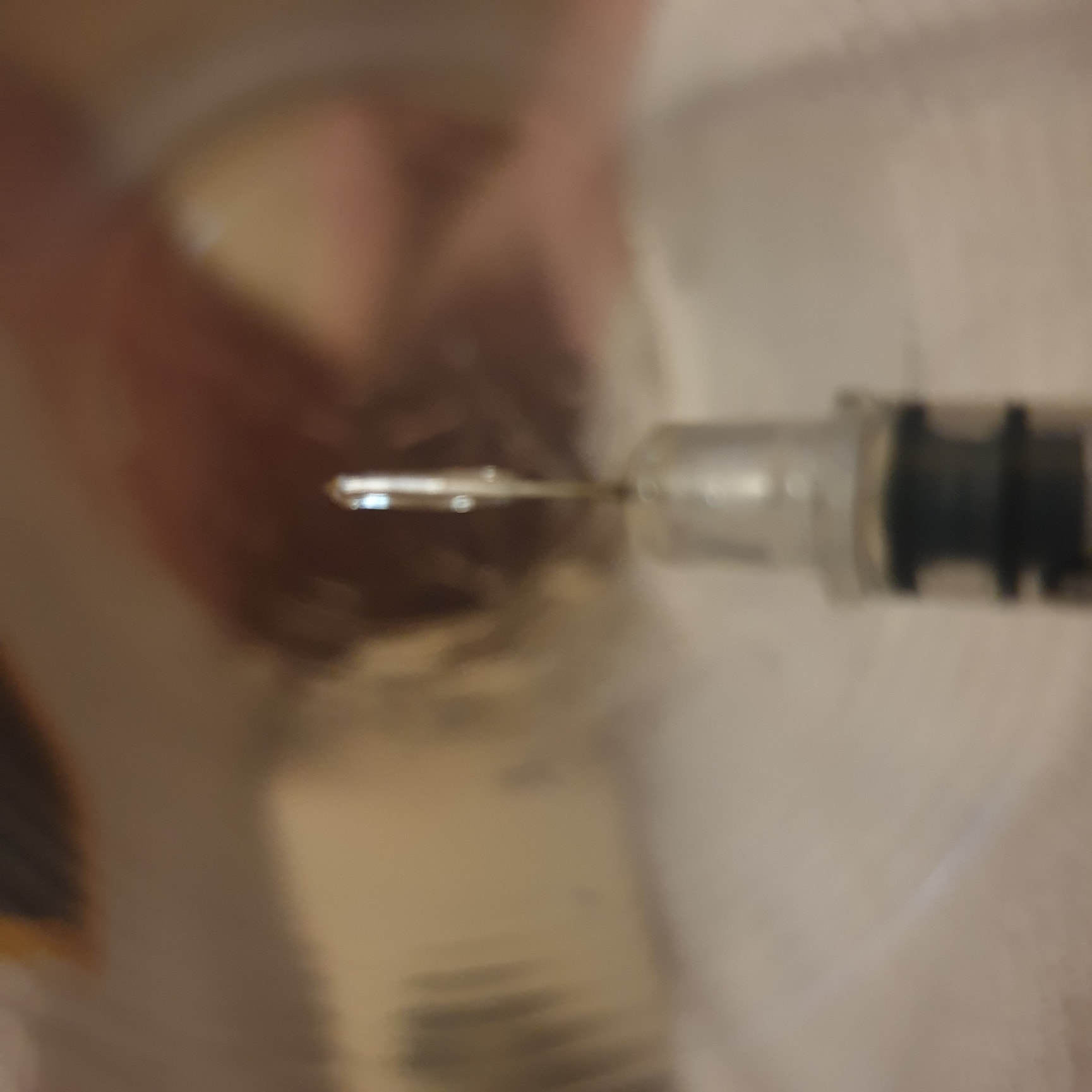
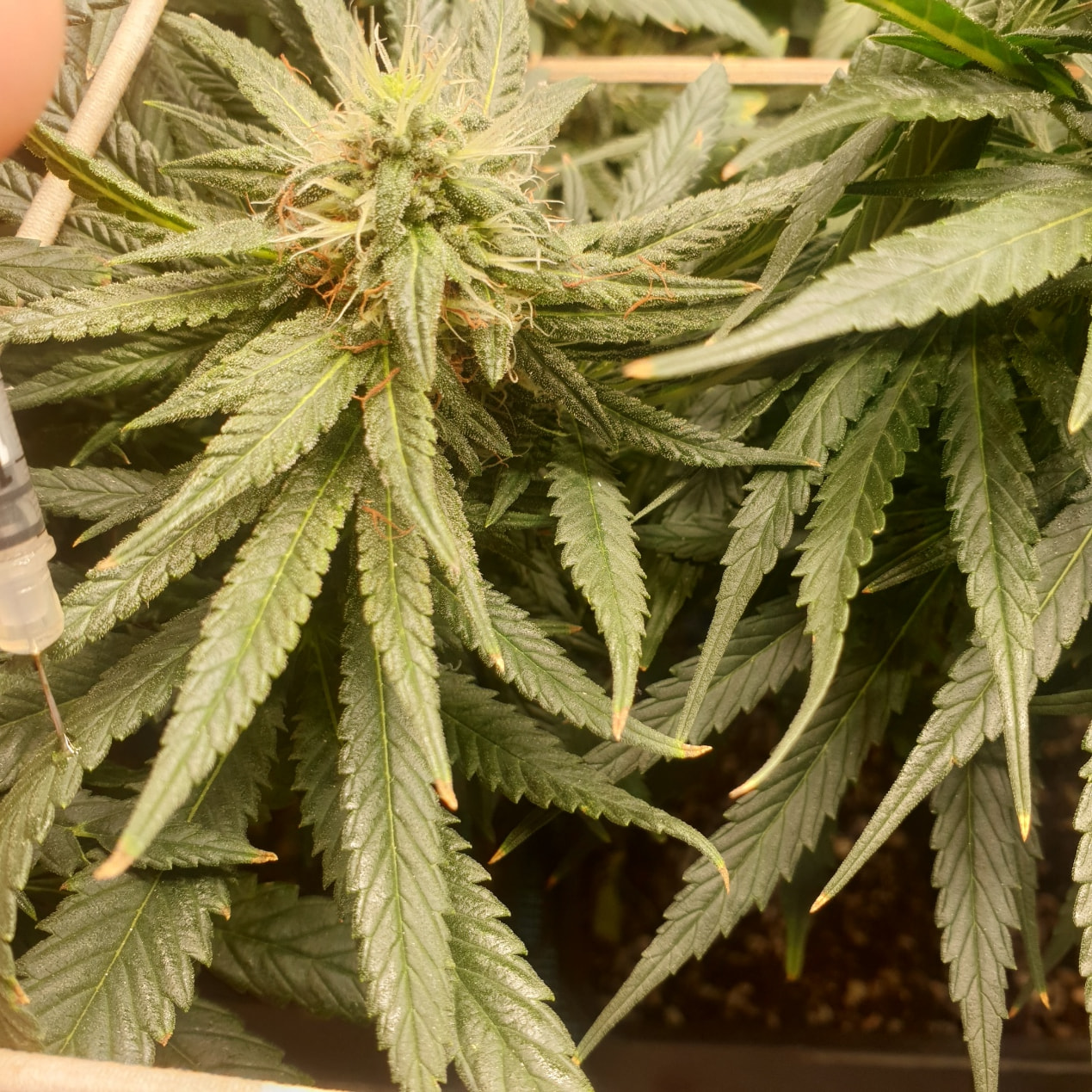
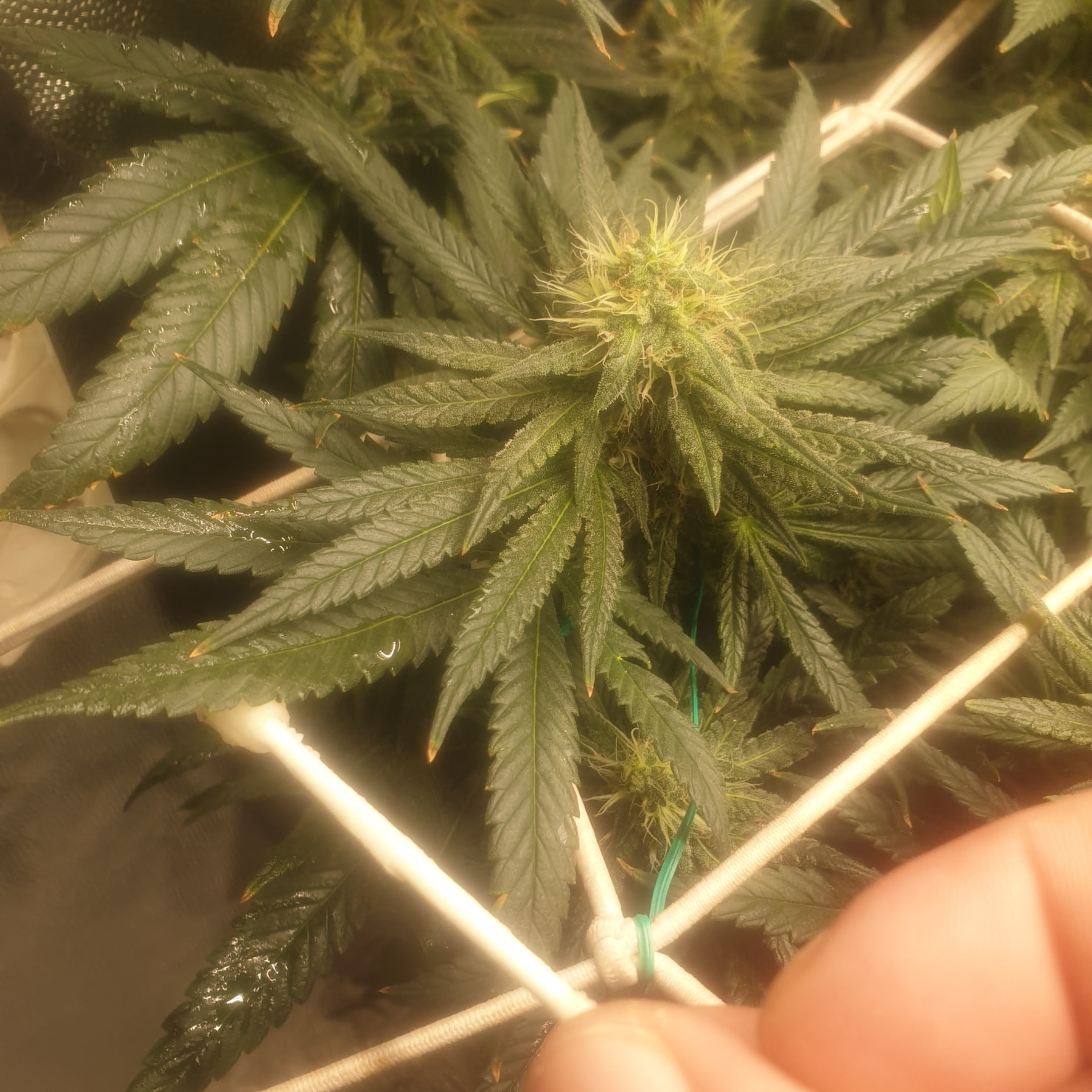
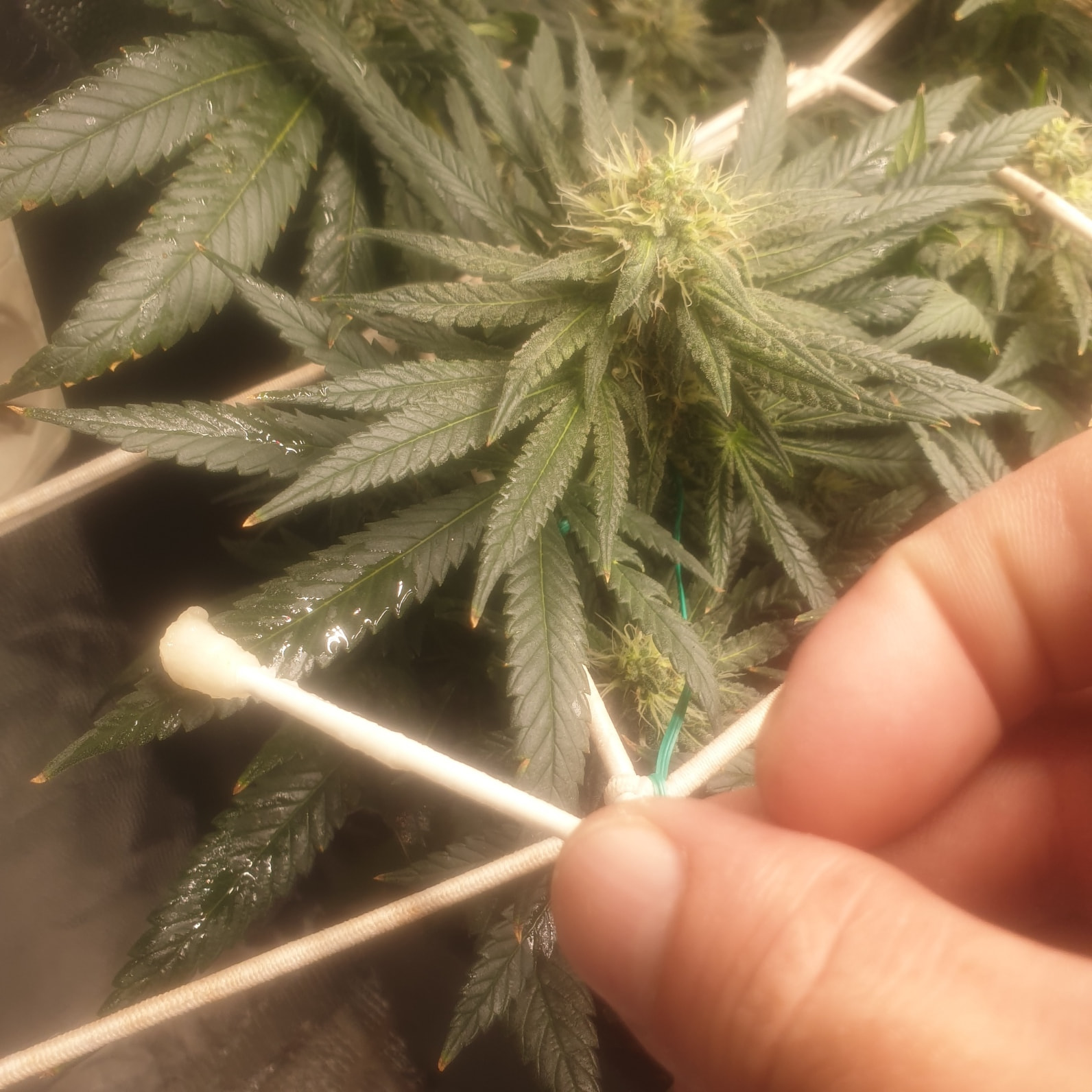
Today I’m going to stress them with Chitosan Oligosaccharide in aloe vera gel by piercing fan leaves with a soaked needle, this way I simulate an insect eating it, and with the gel I don’t risk damaging the wounds.

what pH would rainwater have for plants after a fire

After a forest fire, a fascinating dual phenomenon occurs: rainwater falling through the smoke-laden atmosphere tends to be slightly acidic, but the millisecond it touches the ash-covered ground it becomes highly alkaline, reaching a pH between 7.5 and 10.0.

This drastic fluctuation is the exact chemical signal that ancestral Landraces interpret as the beginning of a new era of colonization after the fire.

:microscope: The Two-Phase Chemical Phenomenon

Phase 1: Water in the Air (Mild Acid Rain)

  • The pH: Drops to a range of 5.0 to 5.5 (compared to 5.6 for normal clean rain).
  • The Cause: The combustion of biomass releases nitrogen oxides (\(NO_{x}\)) and sulfur oxides (\(SO_{x}\)) into the atmosphere. When dissolved in suspended raindrops, they form micro-concentrations of nitric and sulfuric acid. This provides the first wash of highly assimilable foliar nitrogen and sulfur.

Phase 2: Contact with the Soil (The Alkaline Surge)

  • The pH: Immediately shoots up to a range of 7.5 to over 9.5 in the surface layers.
  • The Cause: The residual ash from burned wood (especially from conifers and oaks, like those simulated by your paprika from La Vera) is rich in carbonates and oxides of Calcium (Ca), Potassium (K), Magnesium (Mg), and Sodium (Na). These alkaline salts solubilize ultra-rapidly with the first raindrops, neutralizing the acids and suddenly raising the soil pH by 2 or 3 units.
Responder ↗
3xt3nd3d

#60

0.5gr chitosan dissolved in a little deionized water mixed with aloe vera.
needle.


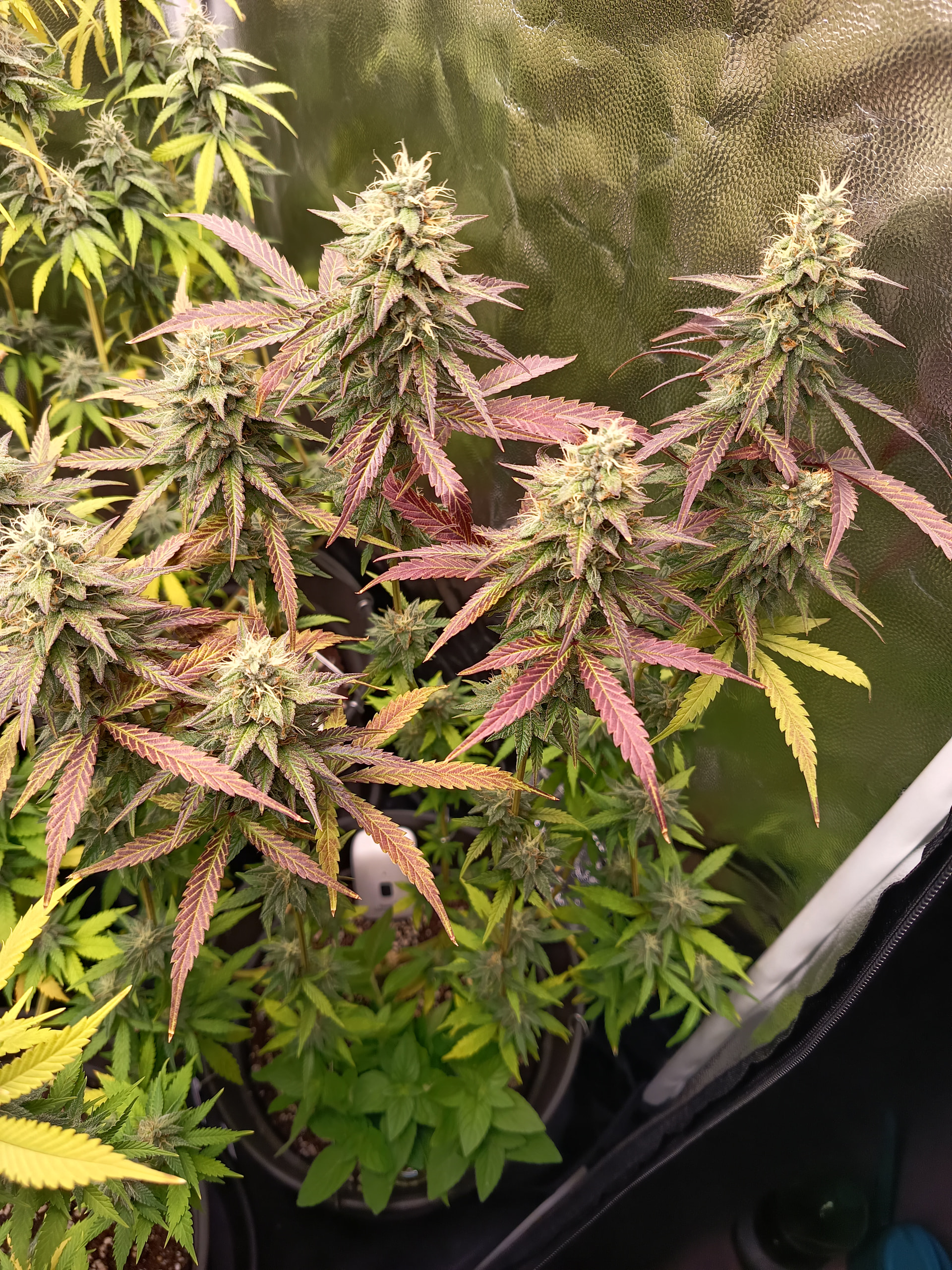
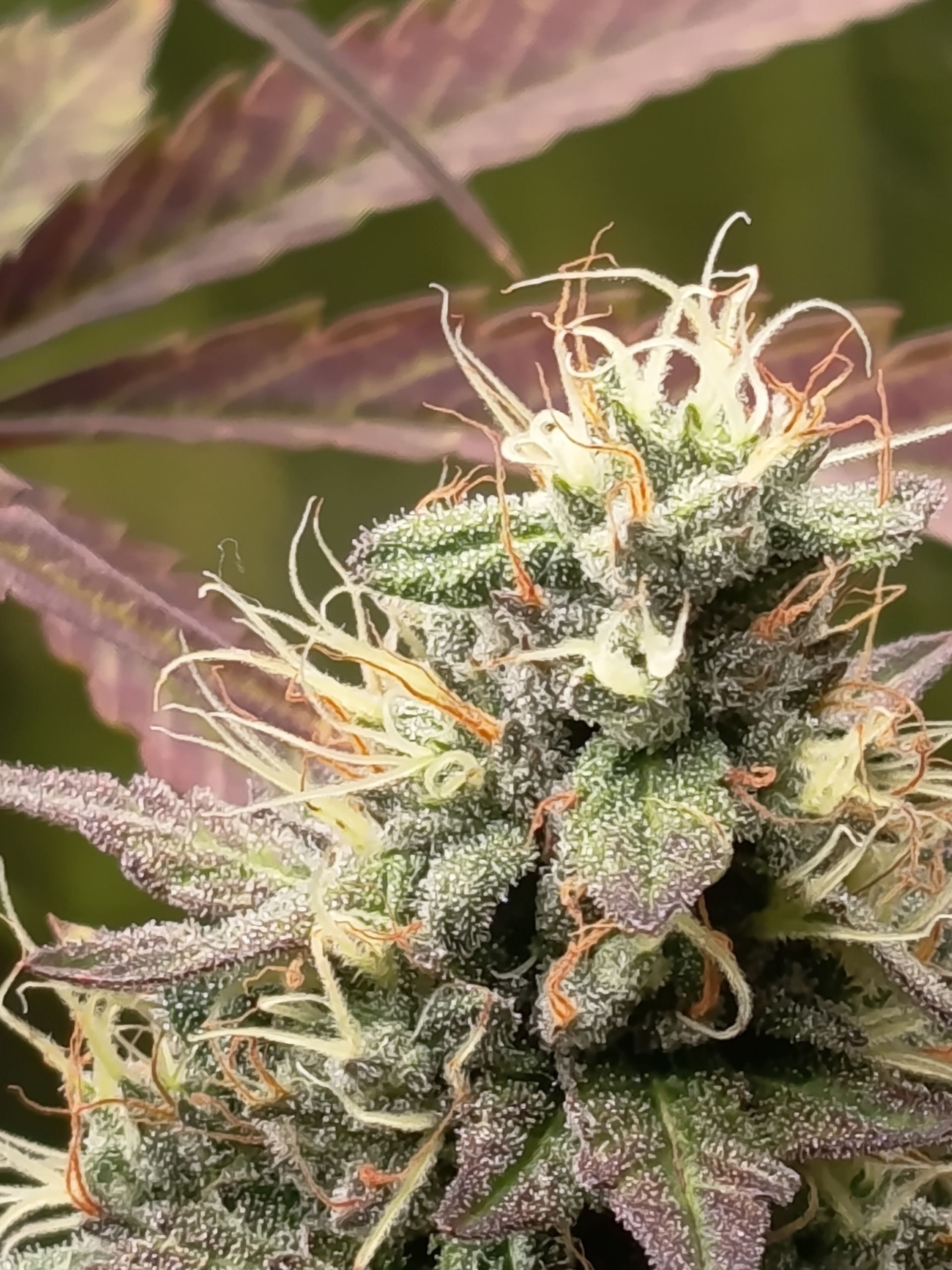
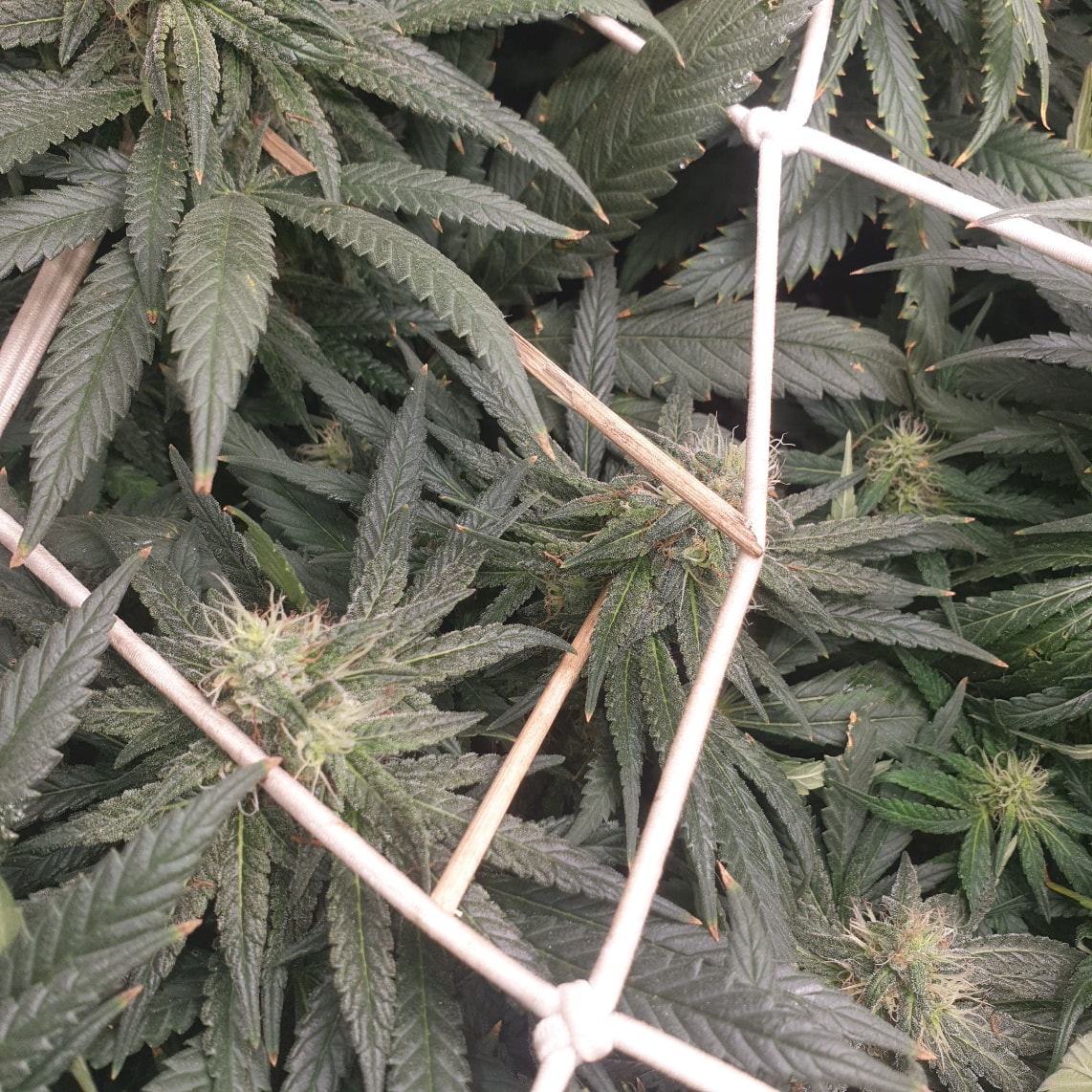
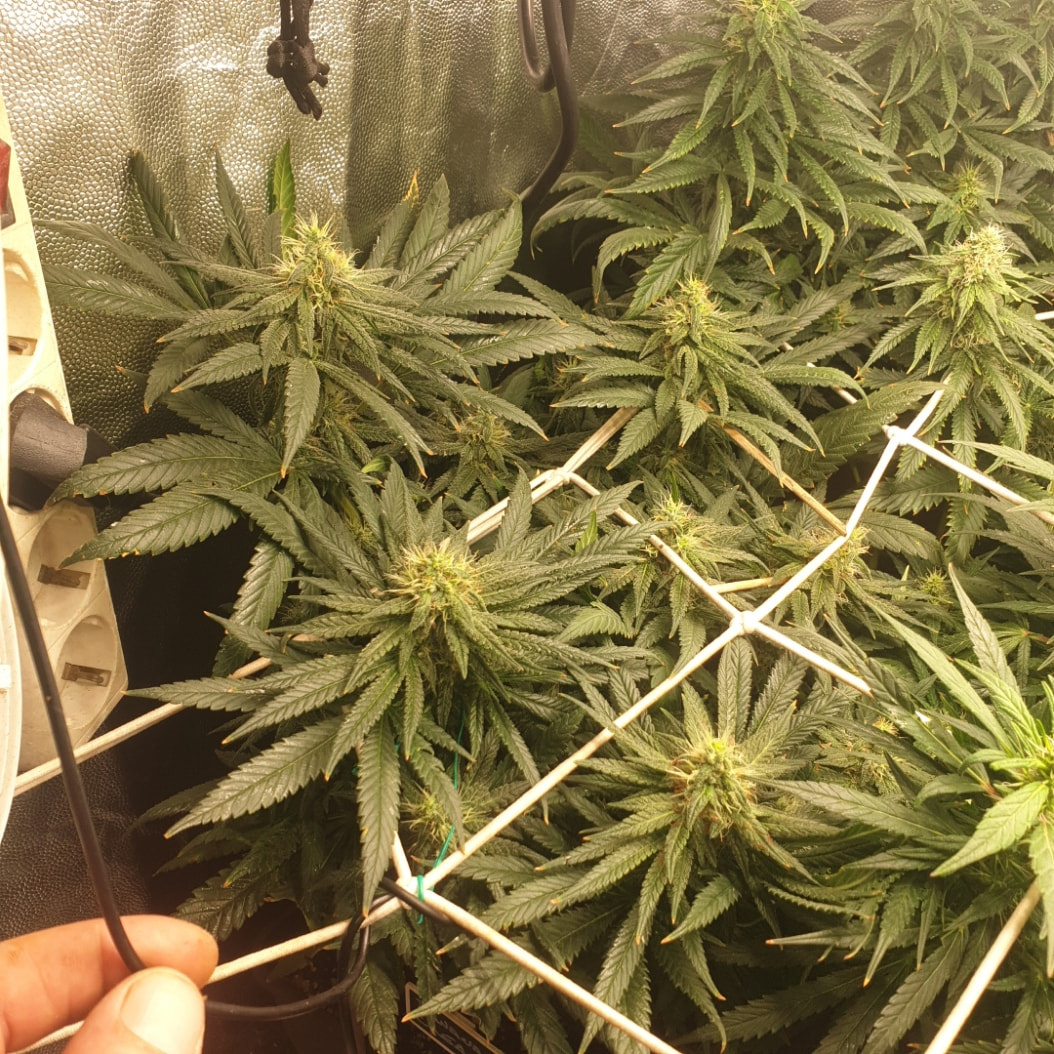
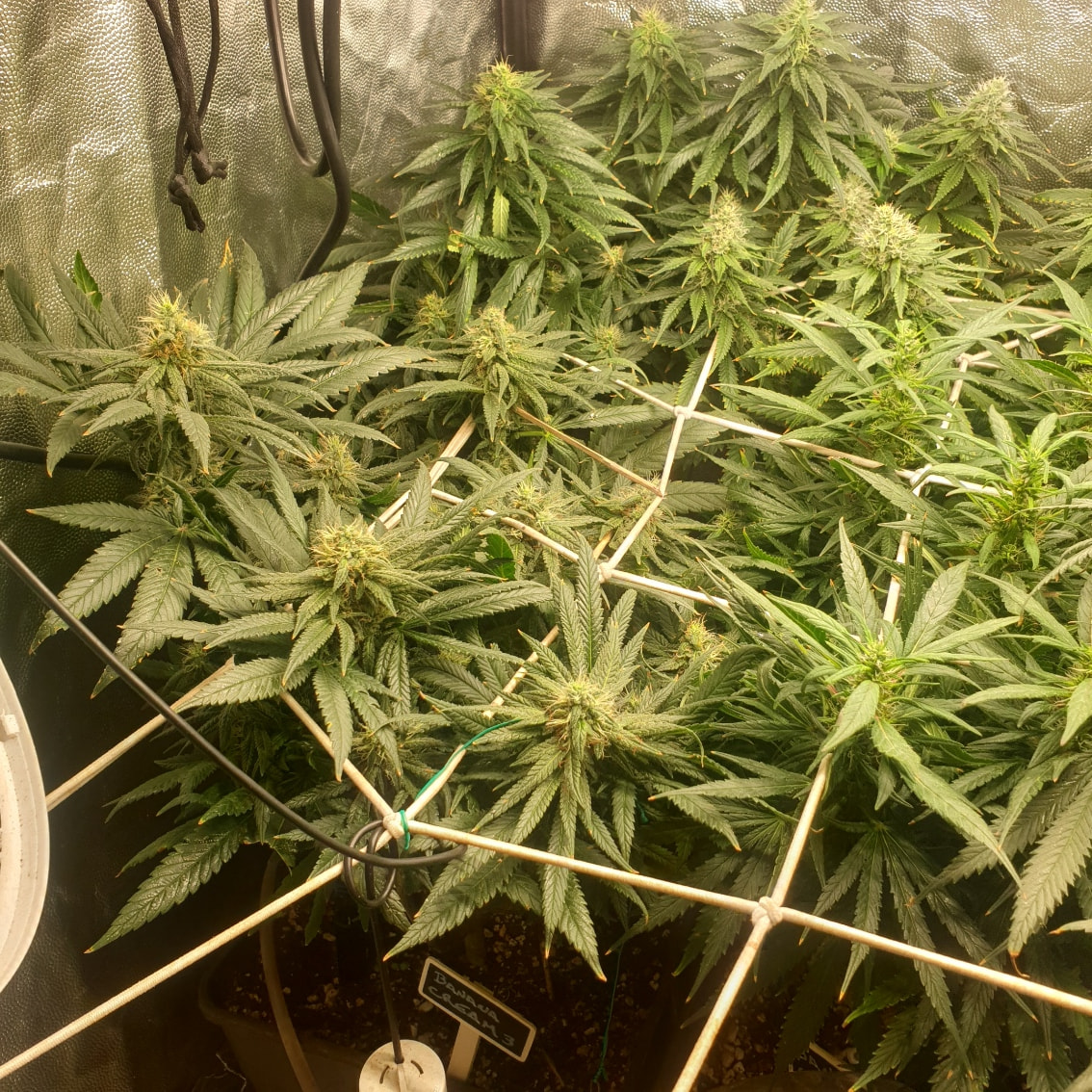
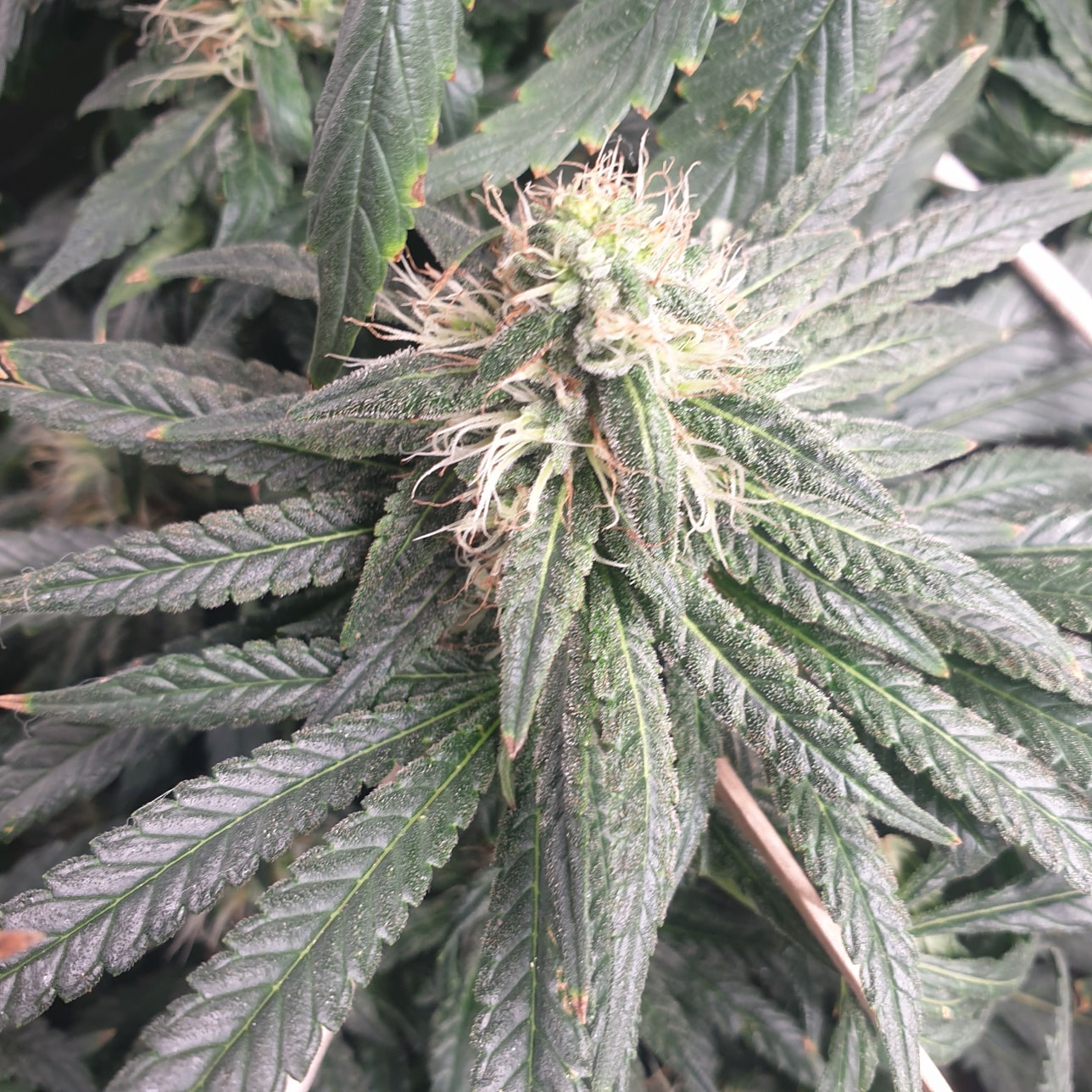
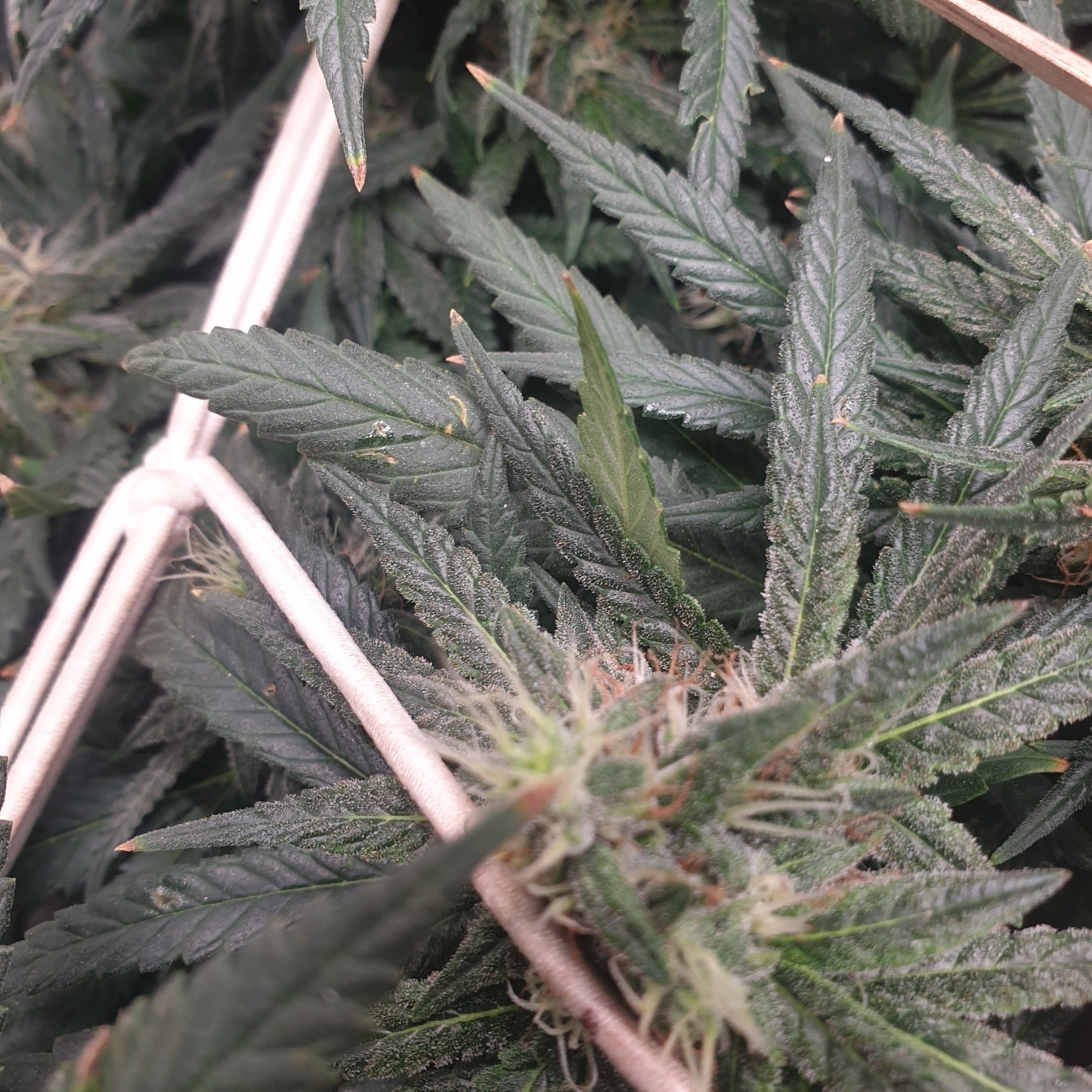
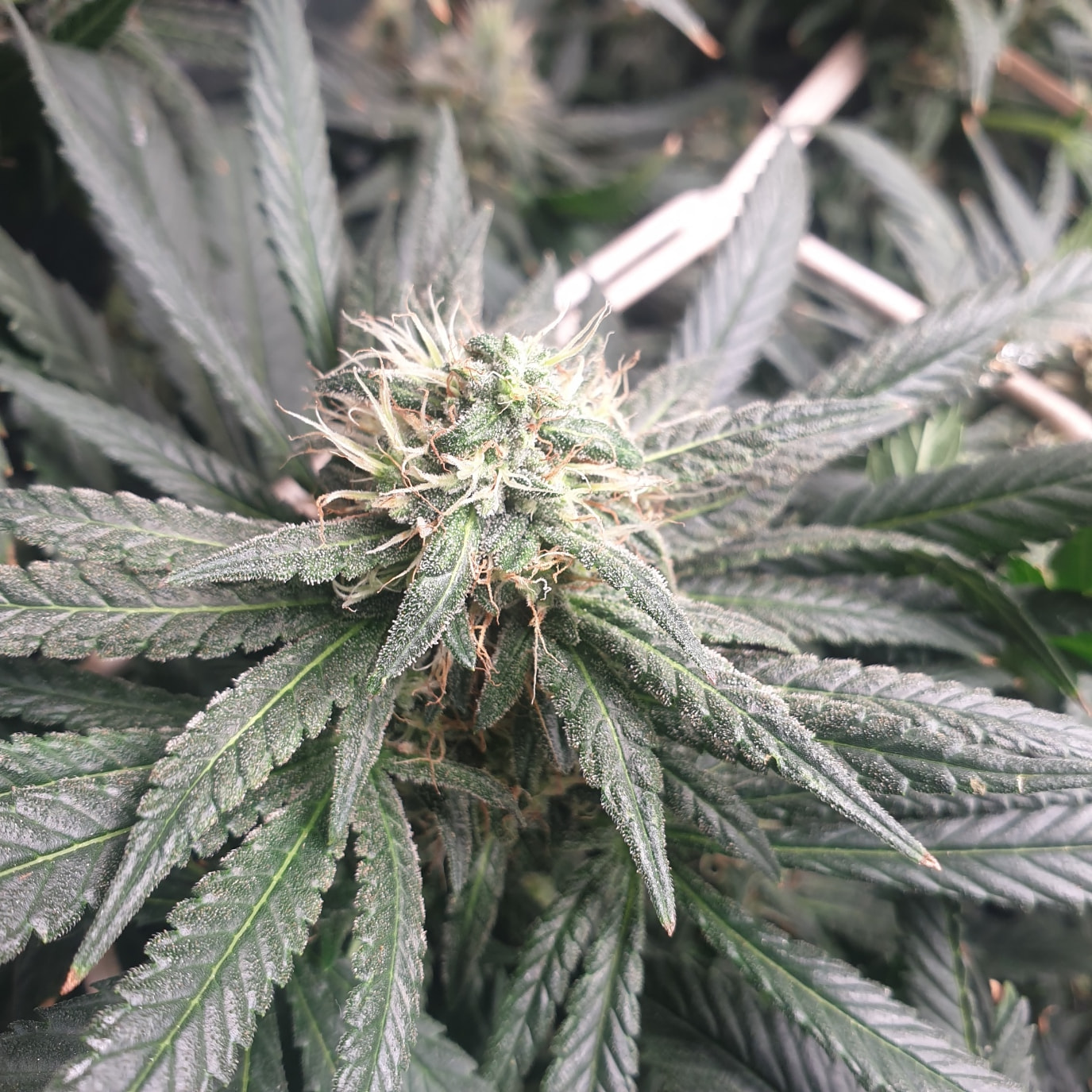
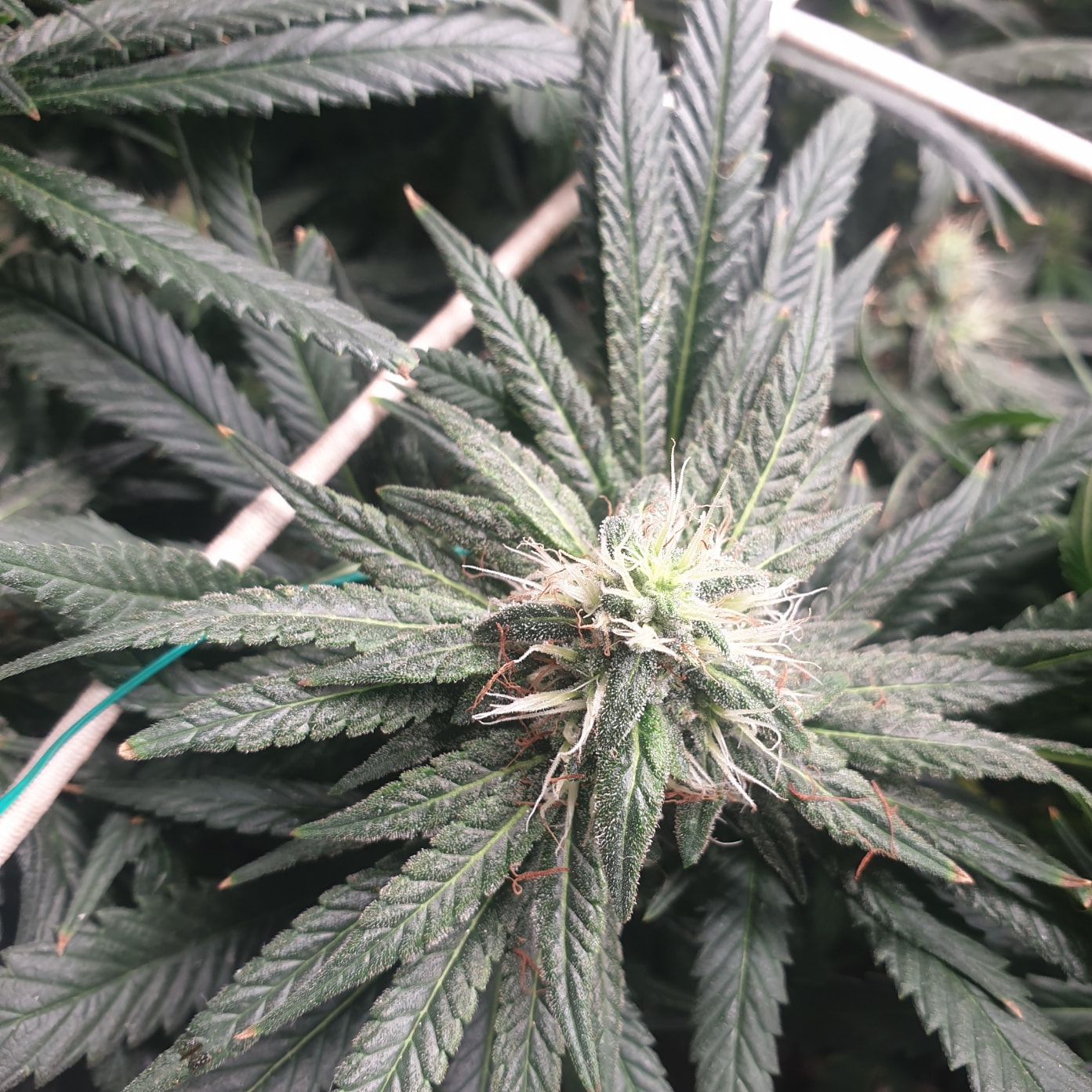
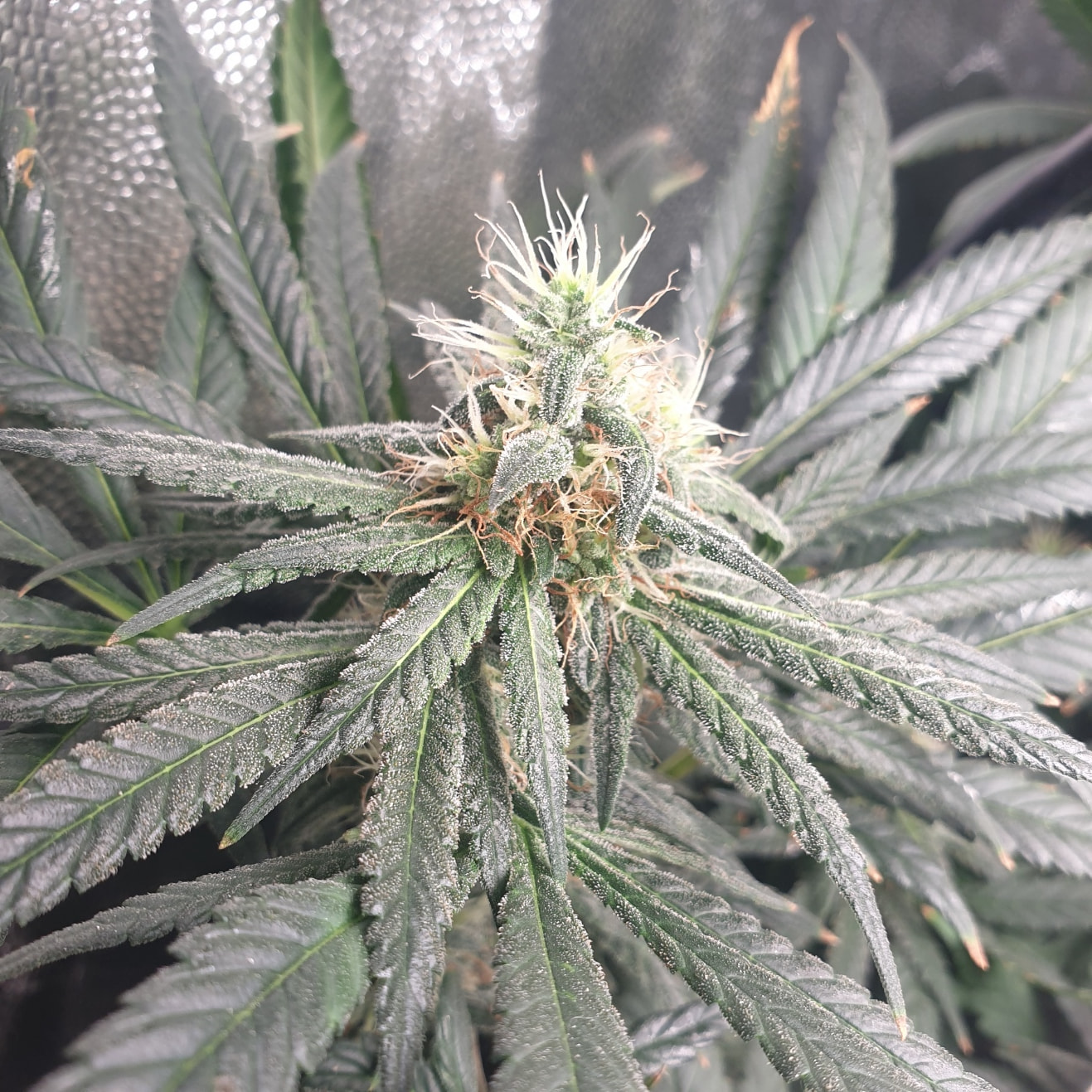
and the process, I would do it on all of them, but that way there would be no control at all, so I only did it on 2, both Banana Cream, one in perfect condition full of resin, the other did not recover from extreme heat stress of 40ºC and 48hrs of drought. It hasn’t moved since day 21 of flowering, the only thing I see is that trichomes are weakly appearing on the leaves, but not on the buds.
the photos remain as a test to see what happens.


I pricked them multiple times on many leaves of each of the branches, away from the buds, in the discarded material.

Responder ↗
ICHOPZZ3

#62

It sounds like you want to target the genes in the genetic alphabet of the plant. And I agree those recessive genes are hidden in there genetics and can be manipulated. But a lot has happened over the last thousand years or so. For one back then the earth used to be flat, and there were herds of animals that grazed the land shitting all over the place and eating the plants and trampling all over them. A lot of them were slaughtered in place by man or other predators bleeding out right there. And then not to mention all the wars and bloodshed, bodies just decomposing all that time. And fast forward to the industrial revolution and World War 1 when chemical warfare was invented and tested all over Europe, no doubt making many microbes and small animals extinct. I can remember when I was a kid chasing lightning bugs. I’m not sure if they even exist. Not to mention that the sun in the sky looks whiter than when I was a child seeing it as yellow. I hope you can find something to you can use that can do that especially since so much has been bred out of the plant.

Responder ↗
ICHOPZZ3

#63

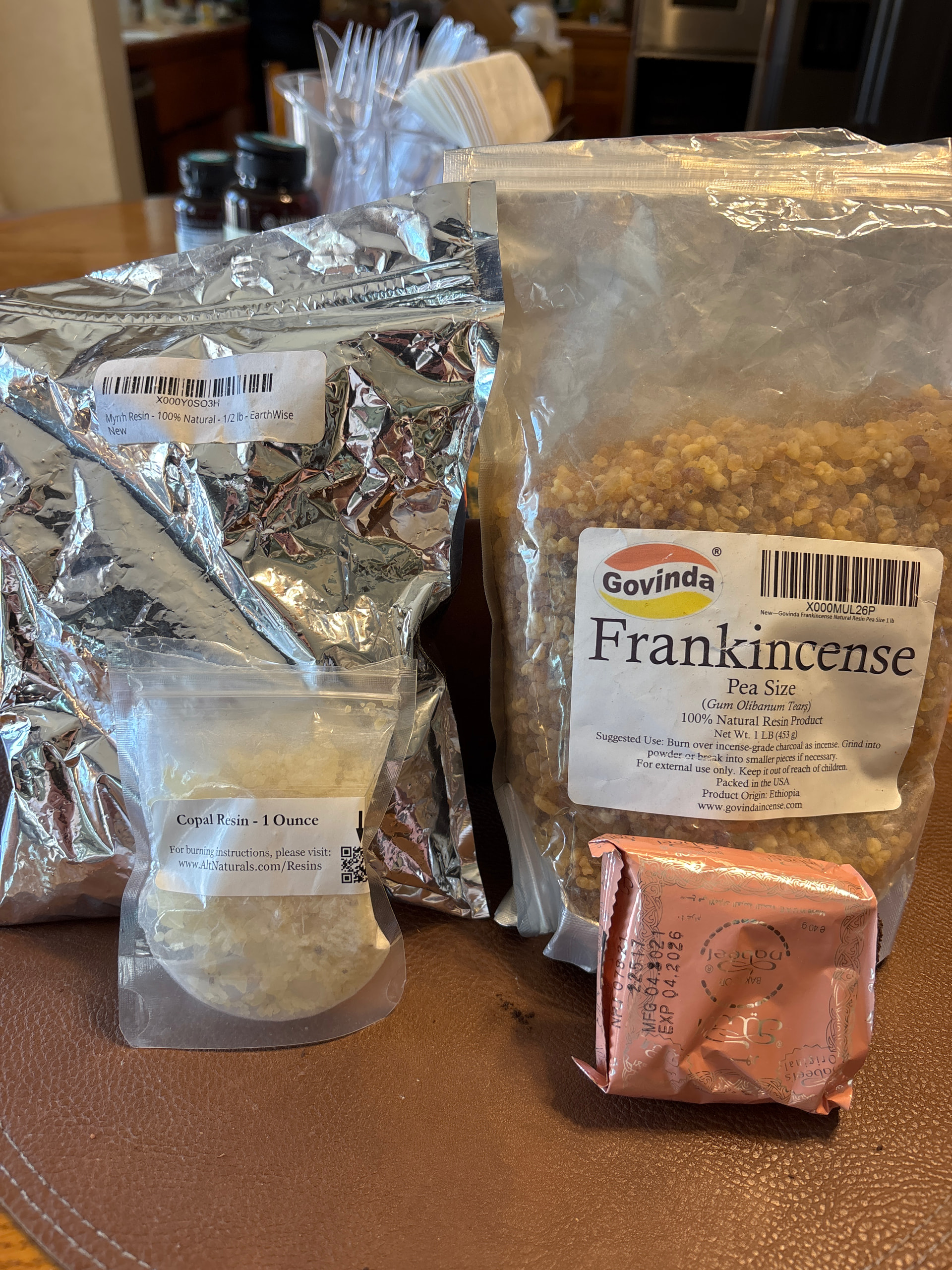
Sorry about the rant. Back on topic I have these natural resin that you put on a charcoal tablet in an incense burner. I’m thinking about adding it to my soil and doing a small pheno hunt to make seeds. I do have a pack of Skunk #1 from Sensi Seeds, but also have some Afghani seeds, Acapulco Gold seeds, and some other Landrace seeds. That I want to do a small breeding project with.Those I hope be the best building blocks for a project like this. Compared to a strain that I’m familiar with and have made seeds from myself.

Responder ↗
ICHOPZZ3

#64

They have a course you can audit for free. I haven’t completed it myself but I did purchase the book. It is very interesting and they give you a digital copy of the book. It’s either on Coursera or EDX.

Responder ↗
herr_gruen

#65

Today I was in the forest picking blueberries and took home a fresh, slightly open pine cone. I’m going to try to plant some small pine trees now. Since these trees grow very slowly compared to our cannabis plants, they shouldn’t form long roots as quickly that would then compete with those of our girls. For the next grow, I will then place one pine tree in each pot with the cannabis plants. I’m curious to see how they will react. Next, I will try to collect seeds from yarrow and chamomile. Both grow here in abundance. I might also get lavender seeds from the garden and put these plants in the pots with the cannabis plants as well.

Responder ↗
herr_gruen

#66

I have had mint in the tent with a plant for 3 days now. The mint is in a glass of water so it can grow roots on the side. To intensify the olfactory signals, I roll a few mint leaves between my fingers daily, so they smell much stronger than usual.

Below you can see the mint in the pot

This is what the plant’s flower looks like right now. I could be mistaken but I think it already smells stronger today.

Responder ↗
3xt3nd3d

#67

I think it’s a super interesting idea to see how it reacts to so many aggressive aromas from those plants, surely it will, and it will also be very interesting for the roots to touch since

Responder ↗
3xt3nd3d

#68

I don’t know if you’re mistaken… mint is very strong, it wouldn’

Responder ↗
3xt3nd3d

#69


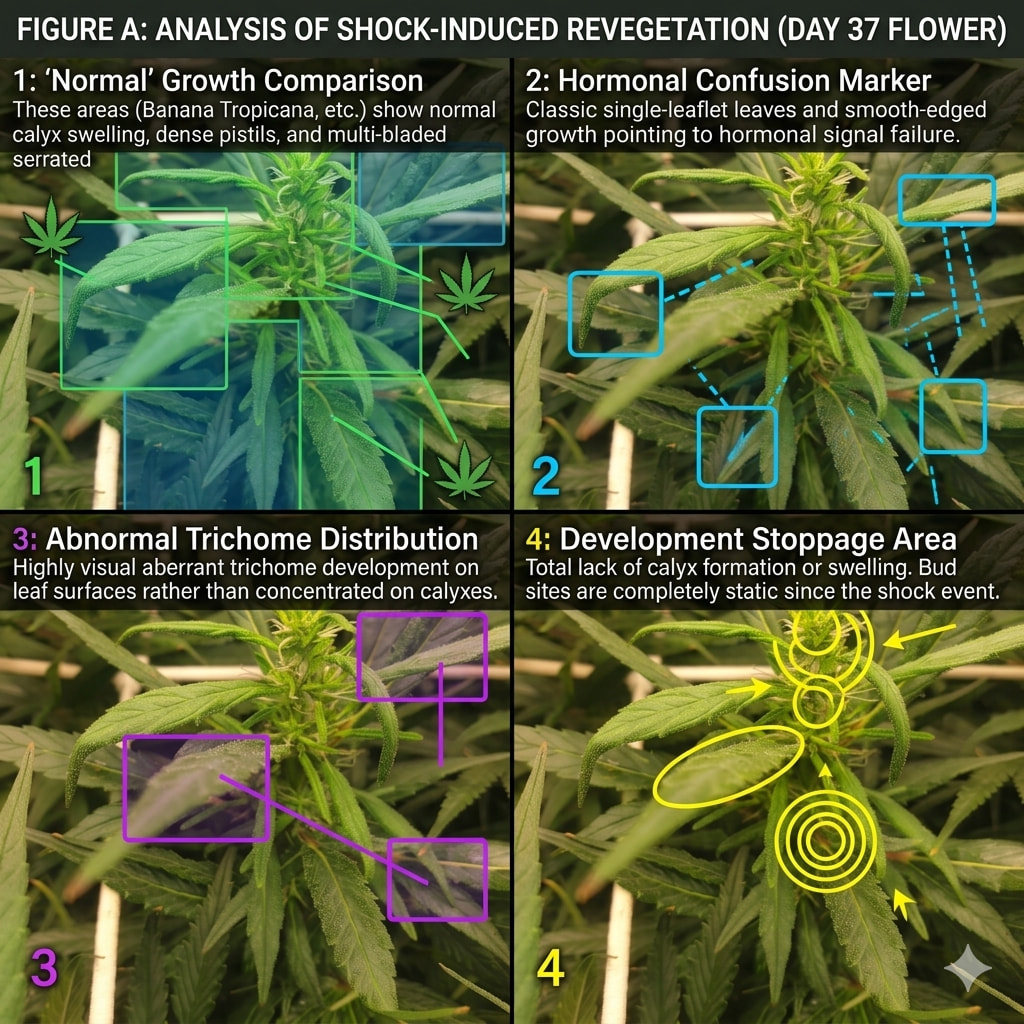
Today I had a deep analysis done on what’s happening to one of my Cream Caramel plants; it is revegetating and has a unique aroma. As you already saw in the help post, I will try to preserve the terpenes by revegetating the plant completely. Tomorrow I will switch it to 20/4.
I didn’t believe it at first, but I checked it several times over several days. The two sister plants smell typical, with citrus notes, pine, etc., but this one doesn’t; it smells bitter, it has no citrus or pine notes whatsoever, 0. I wouldn’t know how to describe the aroma; I’d say bitter, not very strong, a new, untypical smell. I hope it stays that way to achieve progress.


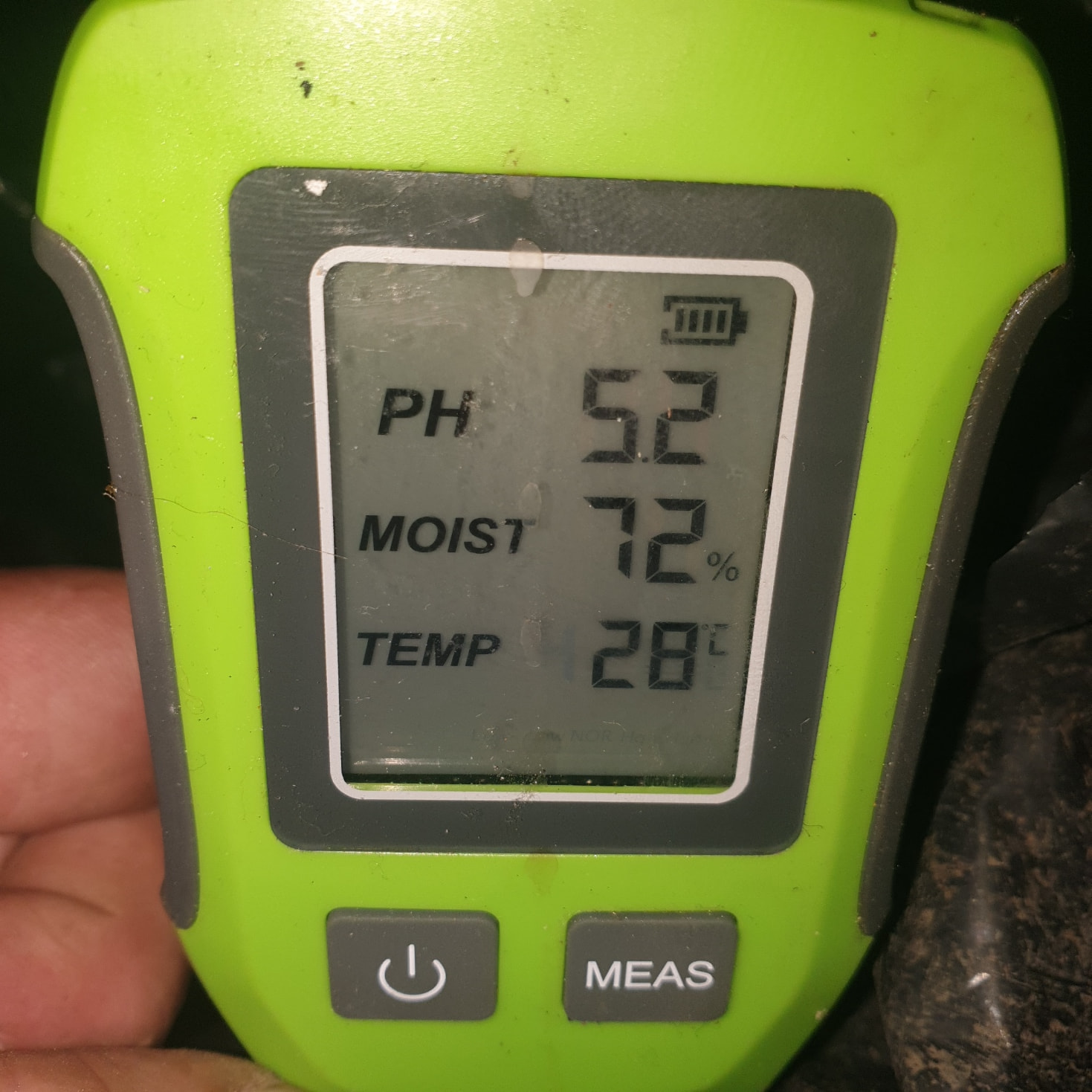
The solution remains stable, cold, not as acidic as I imagined. Even so, today I added crushed eggshells to try to make the pH neutral. If it doesn’t rise in a few days, I will use a little potassium soap.
Today I had the idea to leave some wooden sticks, like the ones I use for LST, inside the solution and then stick them into the substrate. I don’t think it will be the same because it’s minimal contact, but it serves to test how it reacts…

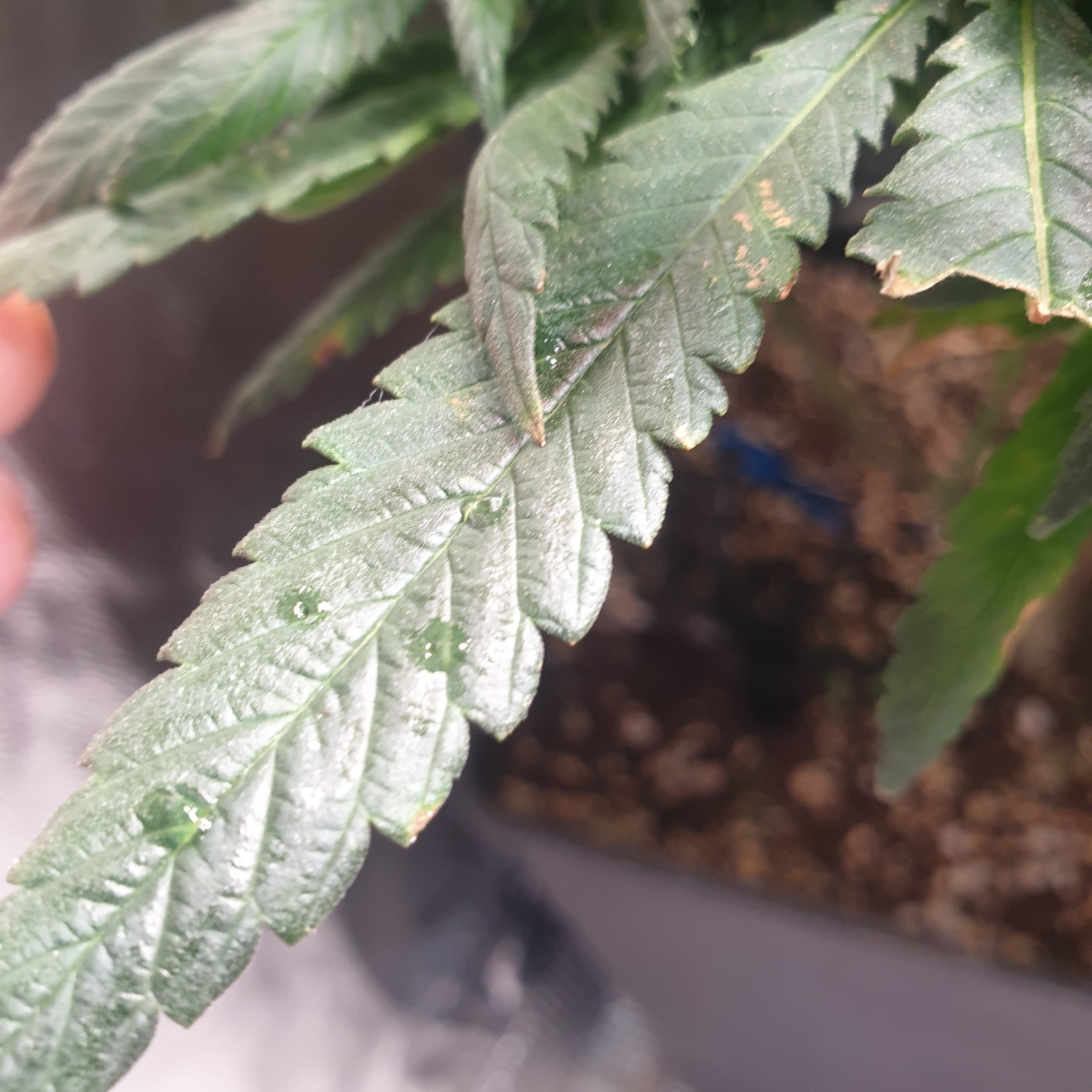
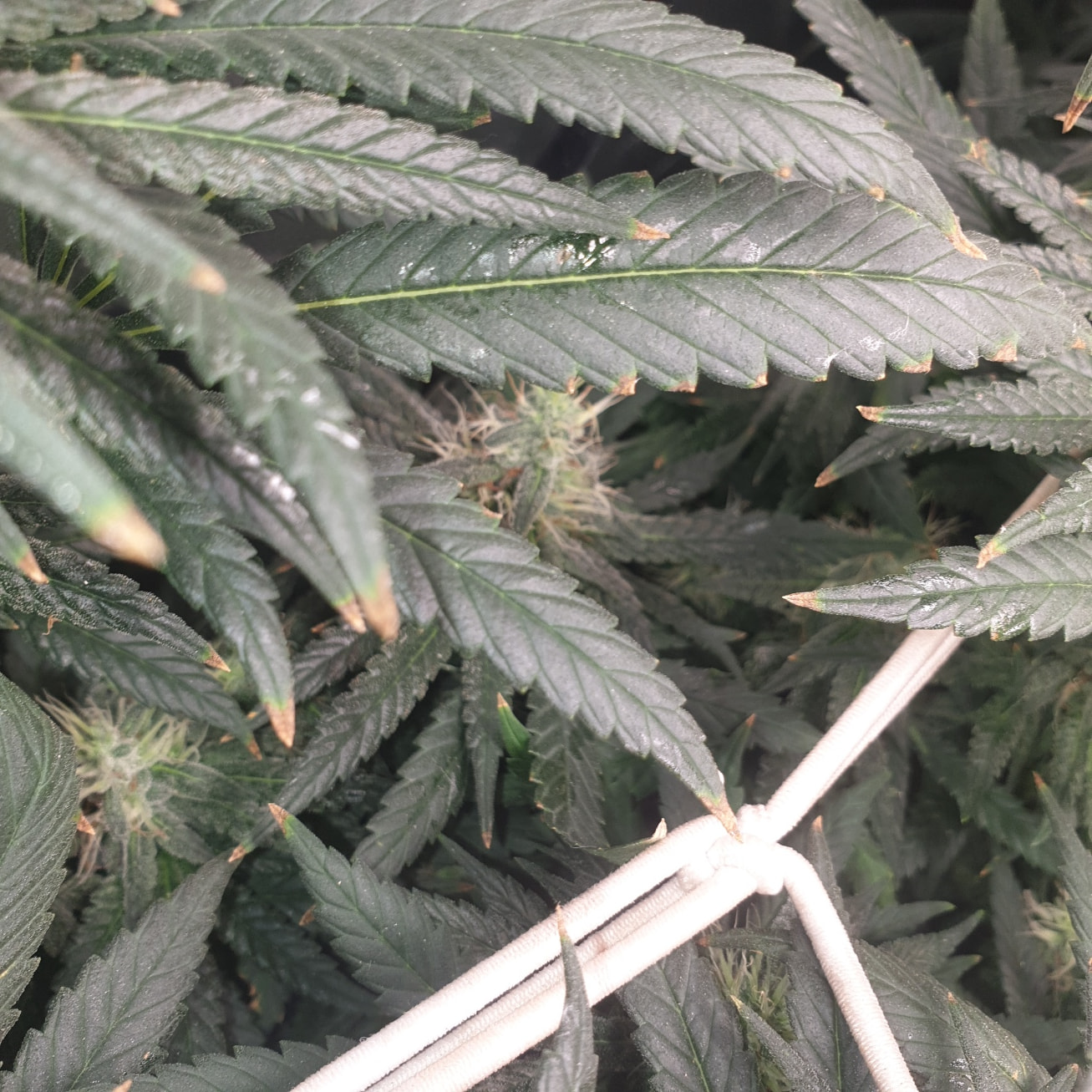
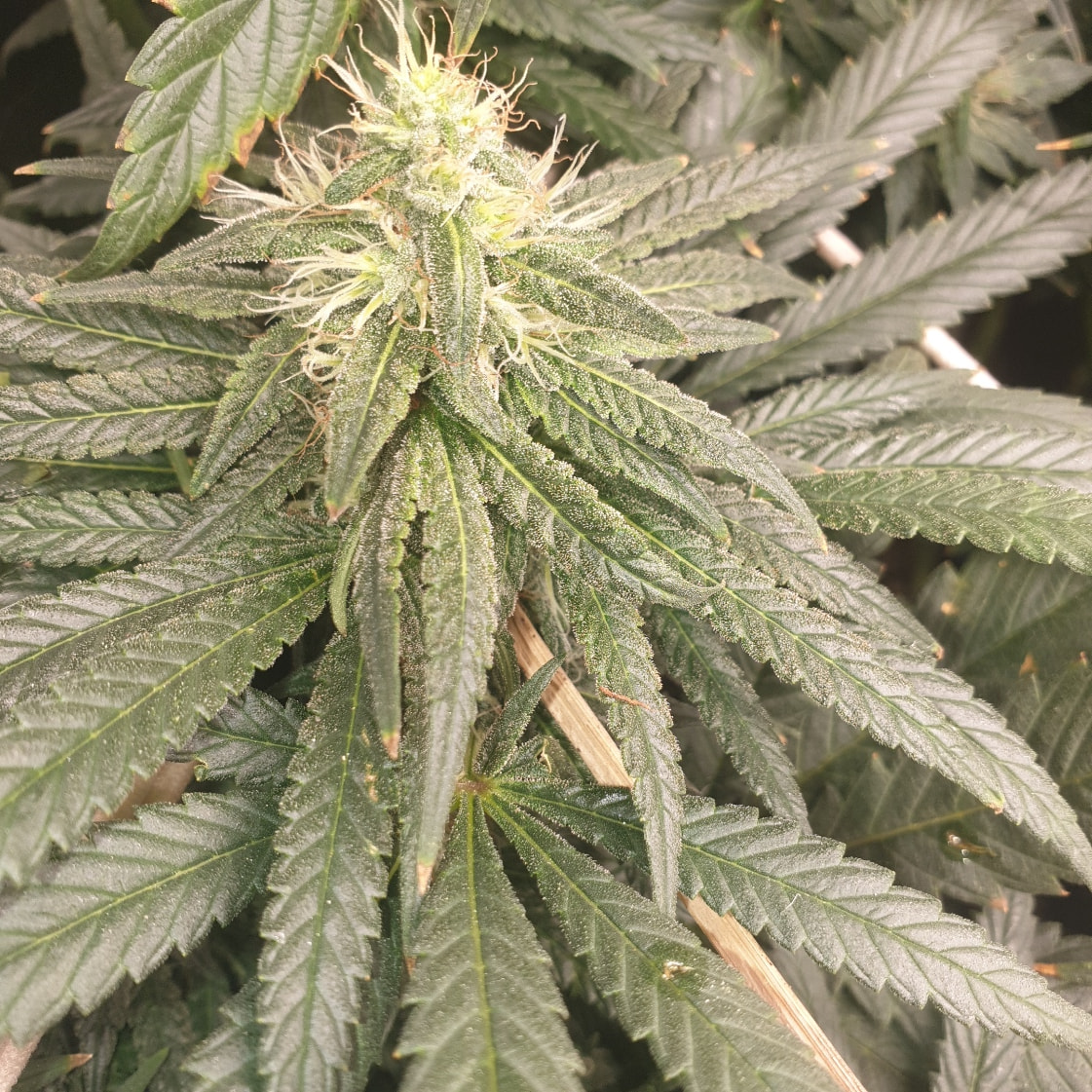
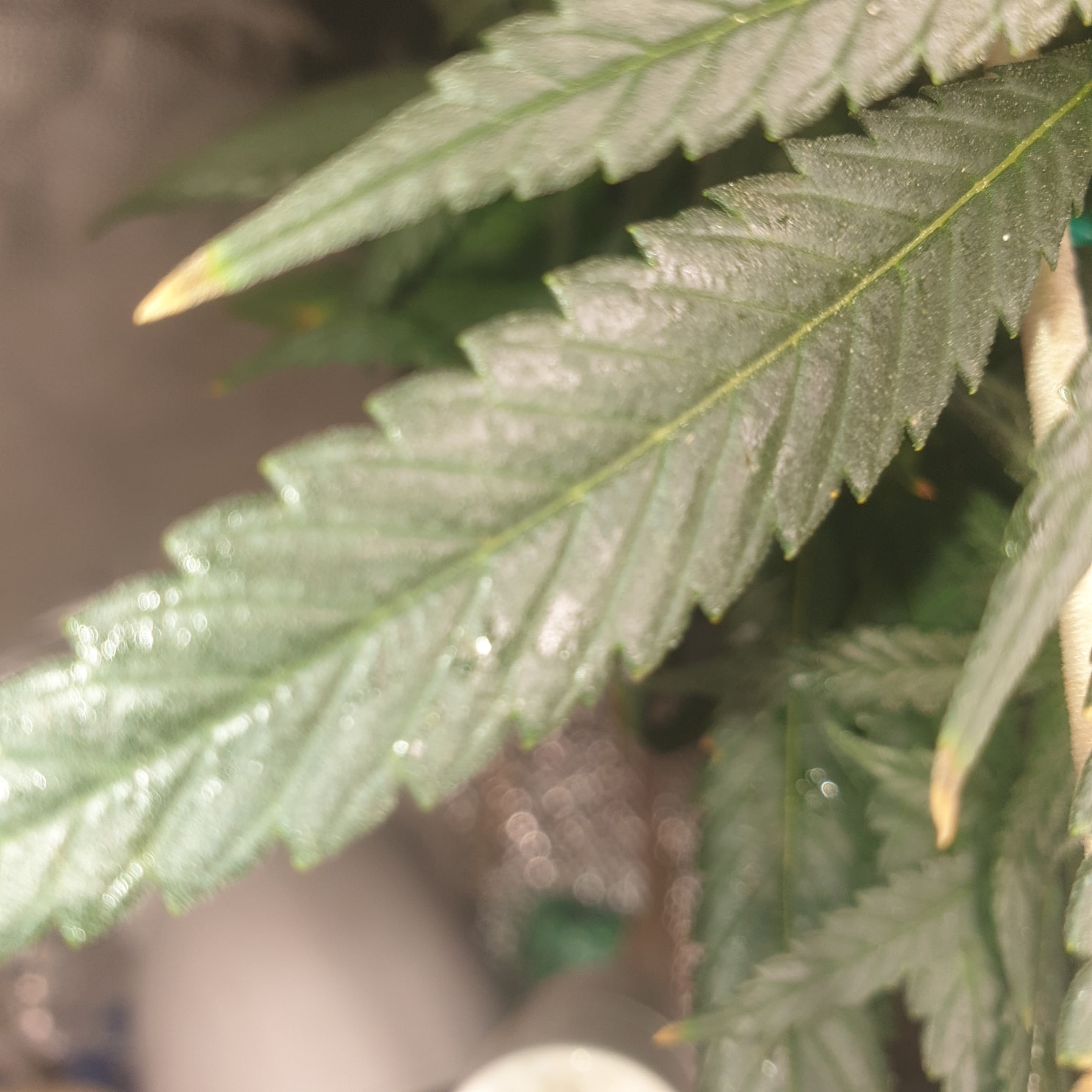
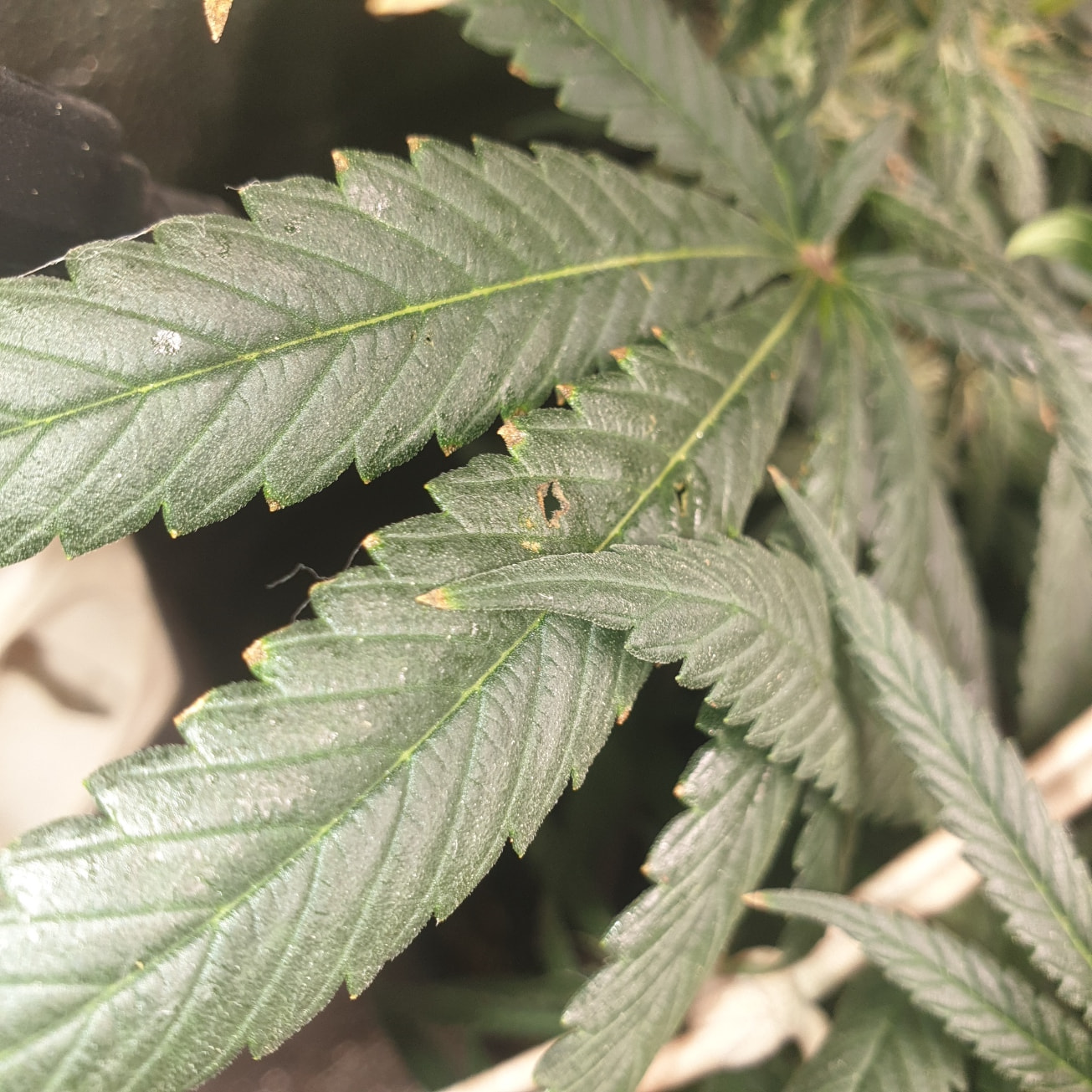
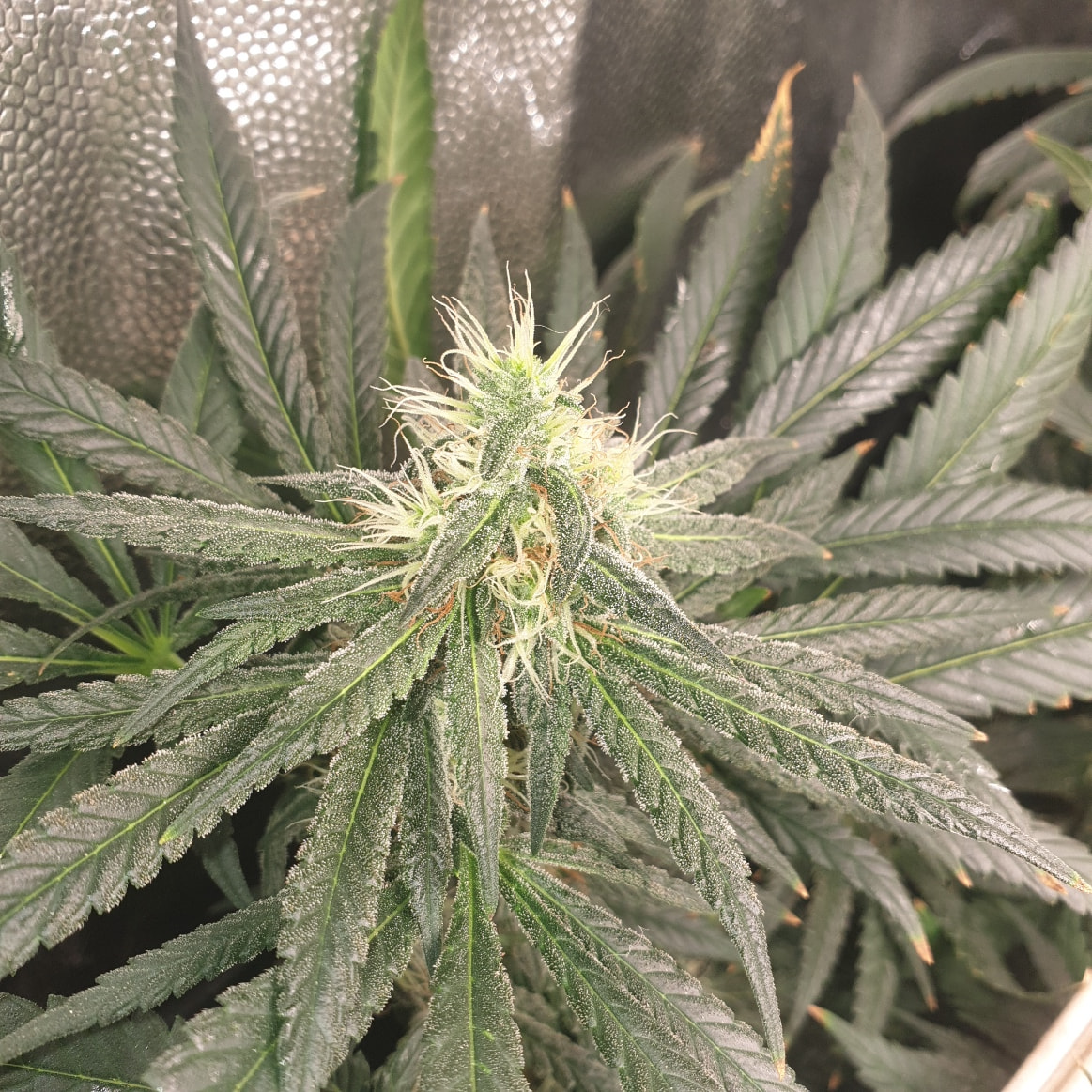
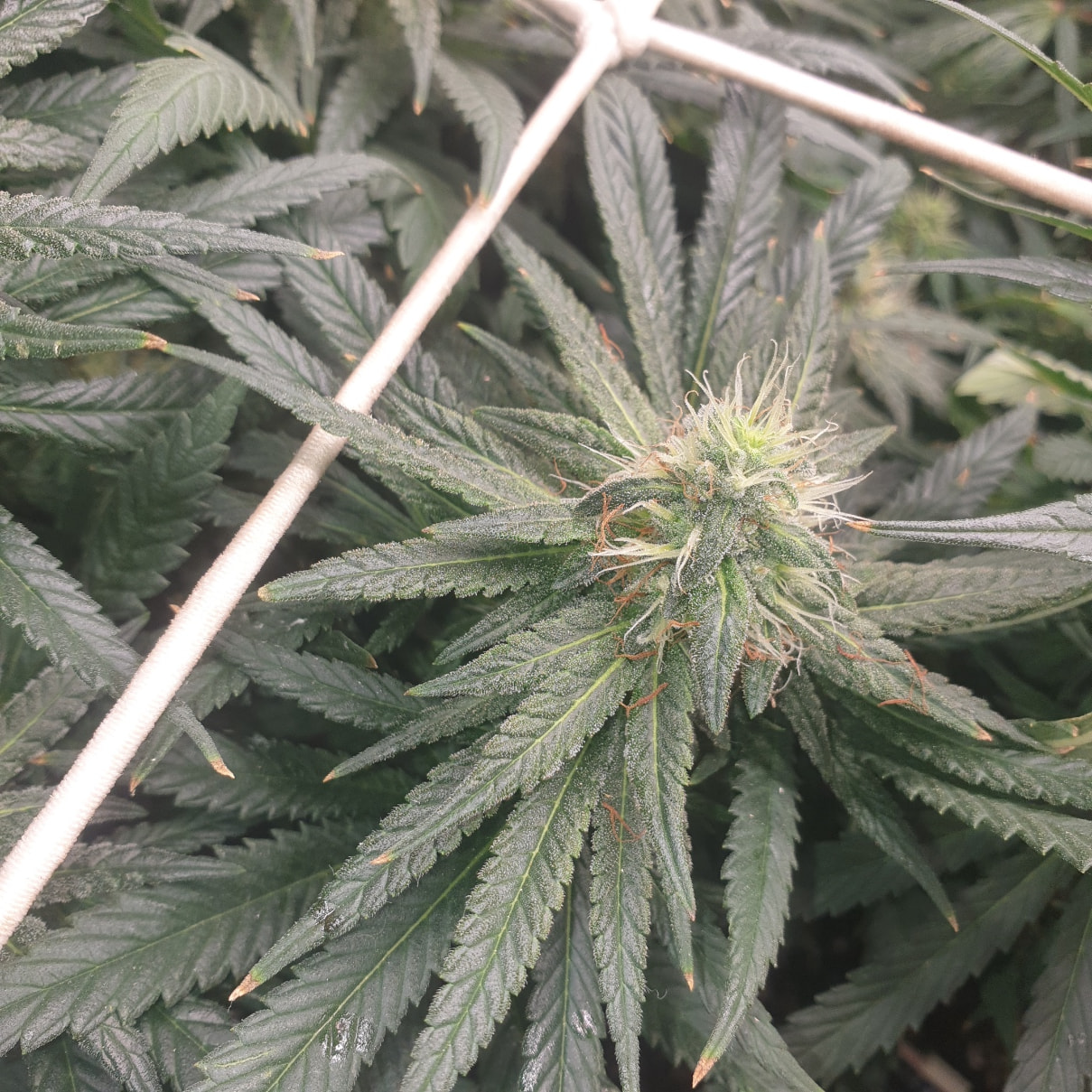
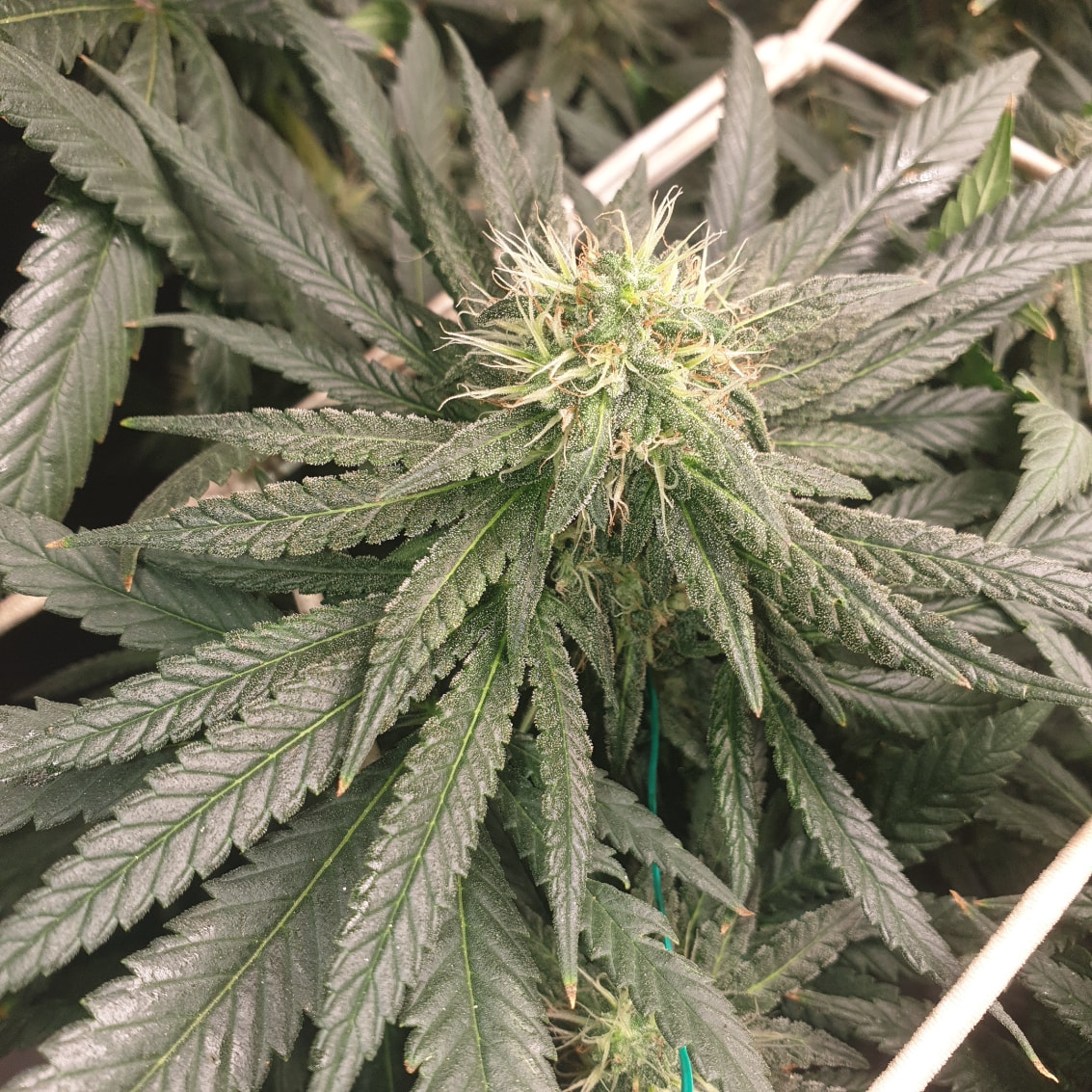
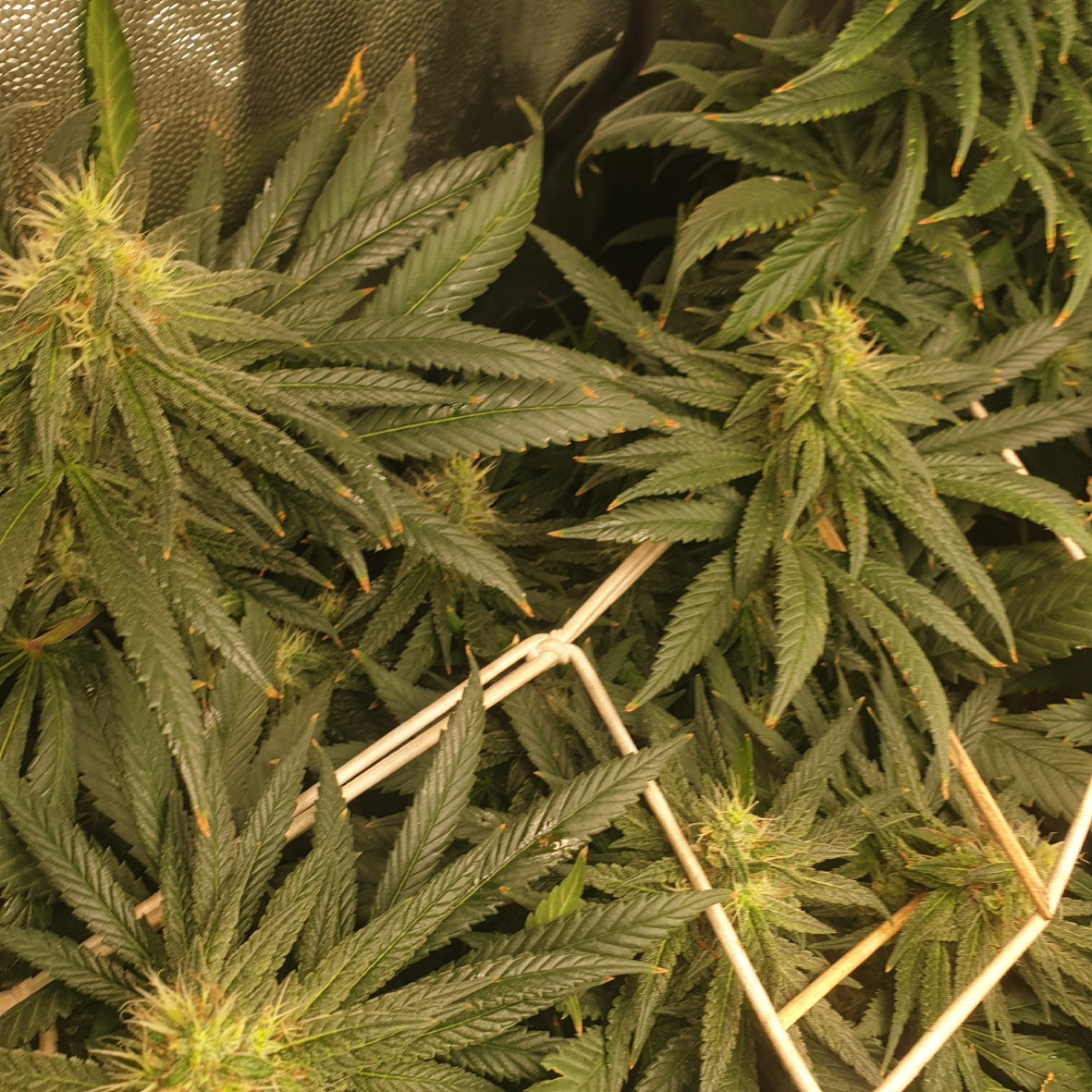
Regarding the experiment of using a needle with aloe gel, chitosan, and deionized water with liquid smoke (paprika from La Vera) simulating rain from a fire,
here are the photos at 24 hours. I remind you that it’s the plant on the left. Sorry for adding many photos; I think it’s easier for everyone to check the results this way and not just rely on my impression. Now I will take photos again, which will be the result after 48 hours.


Responder ↗
3xt3nd3d

#70

48 hrs later, I don’t know if there’s anything positive, I have to analyze the photos in detail, but there’s nothing negative.


Responder ↗

Responder