#59
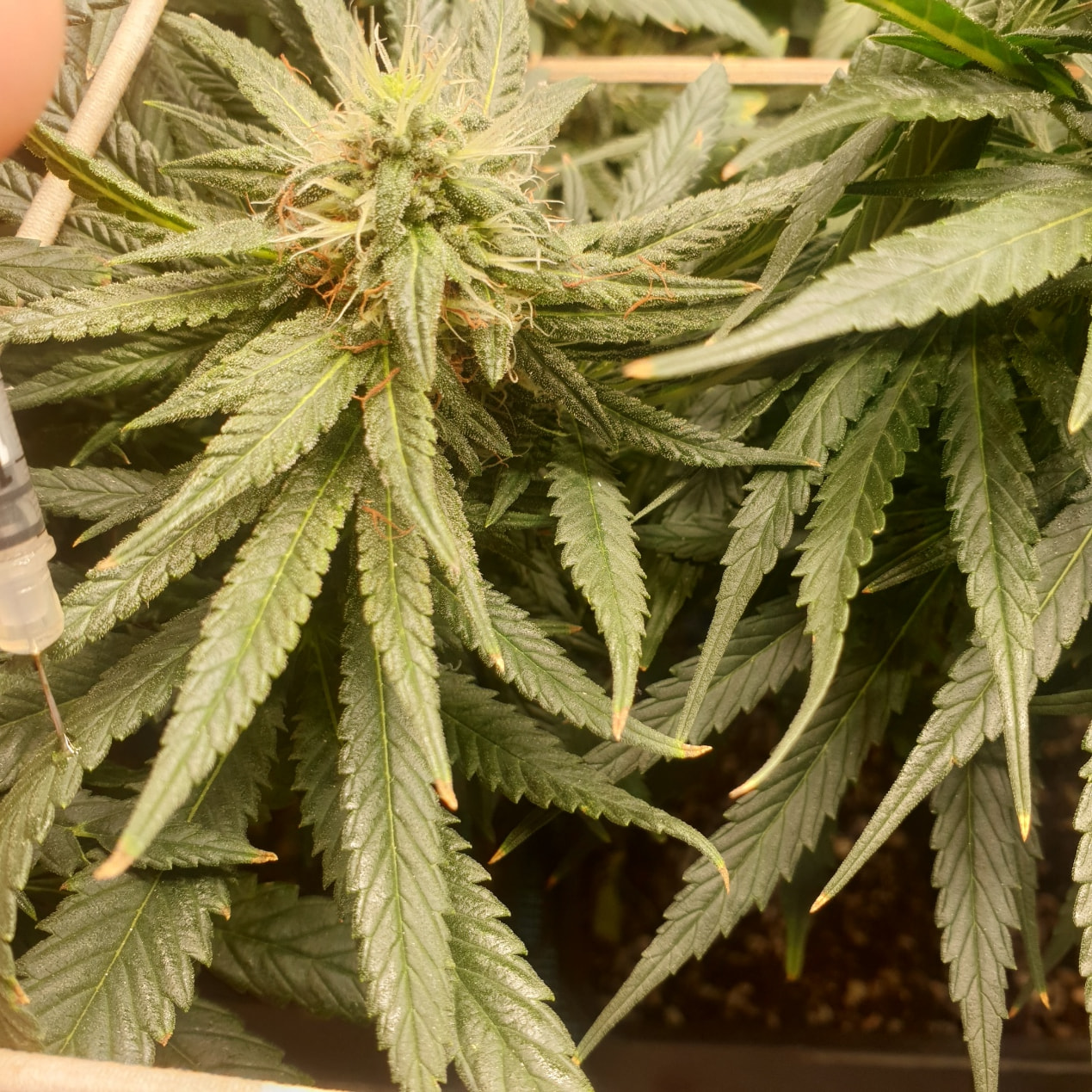
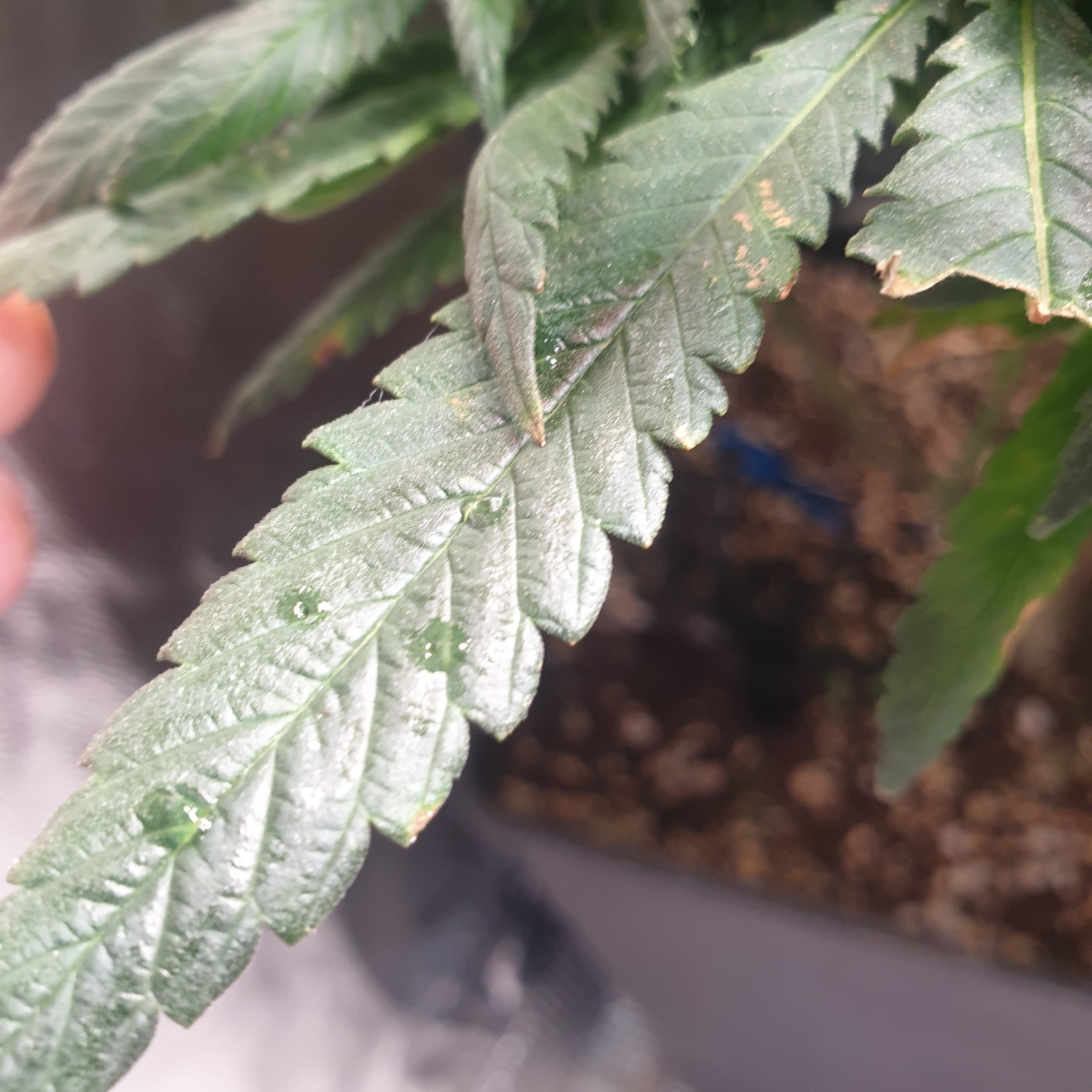
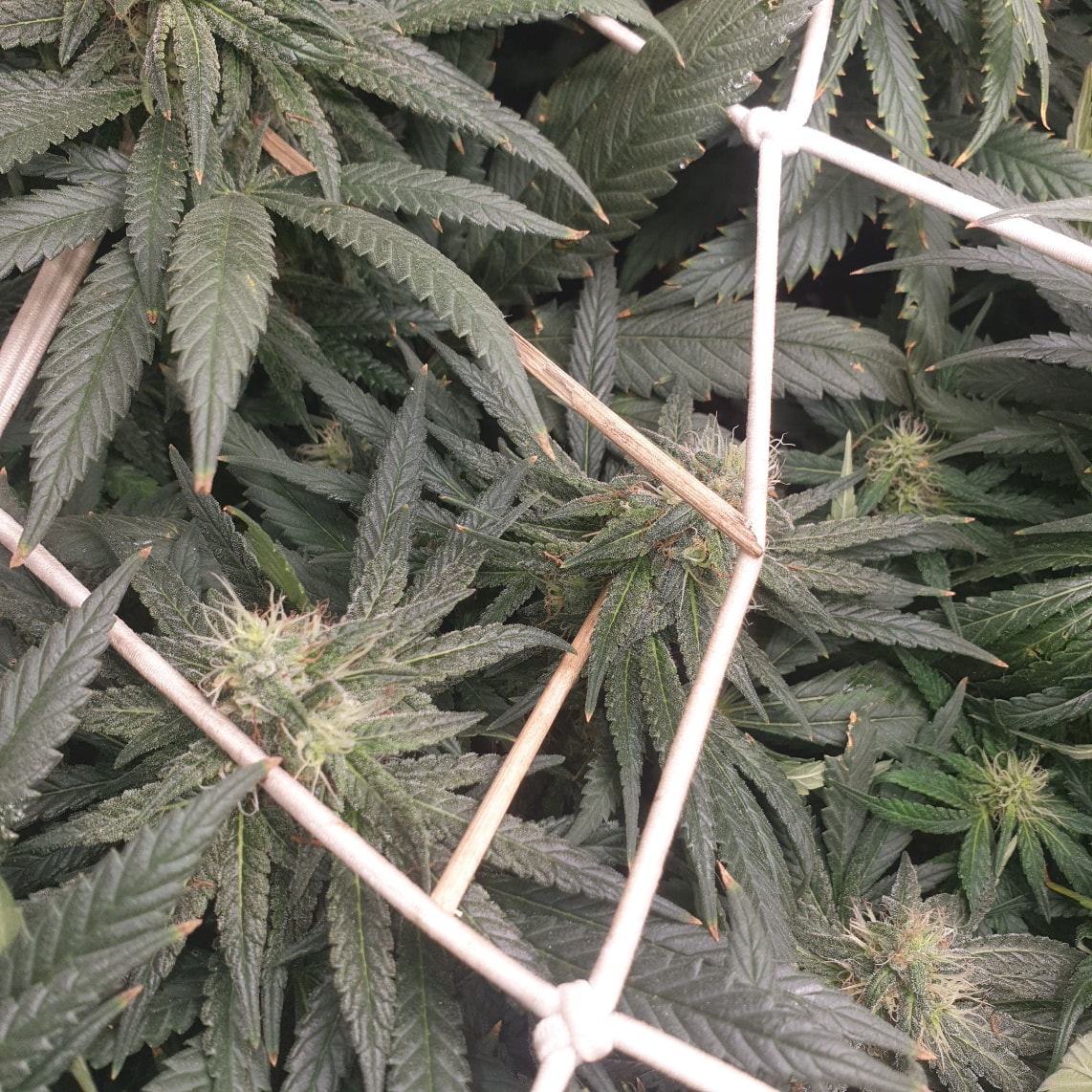
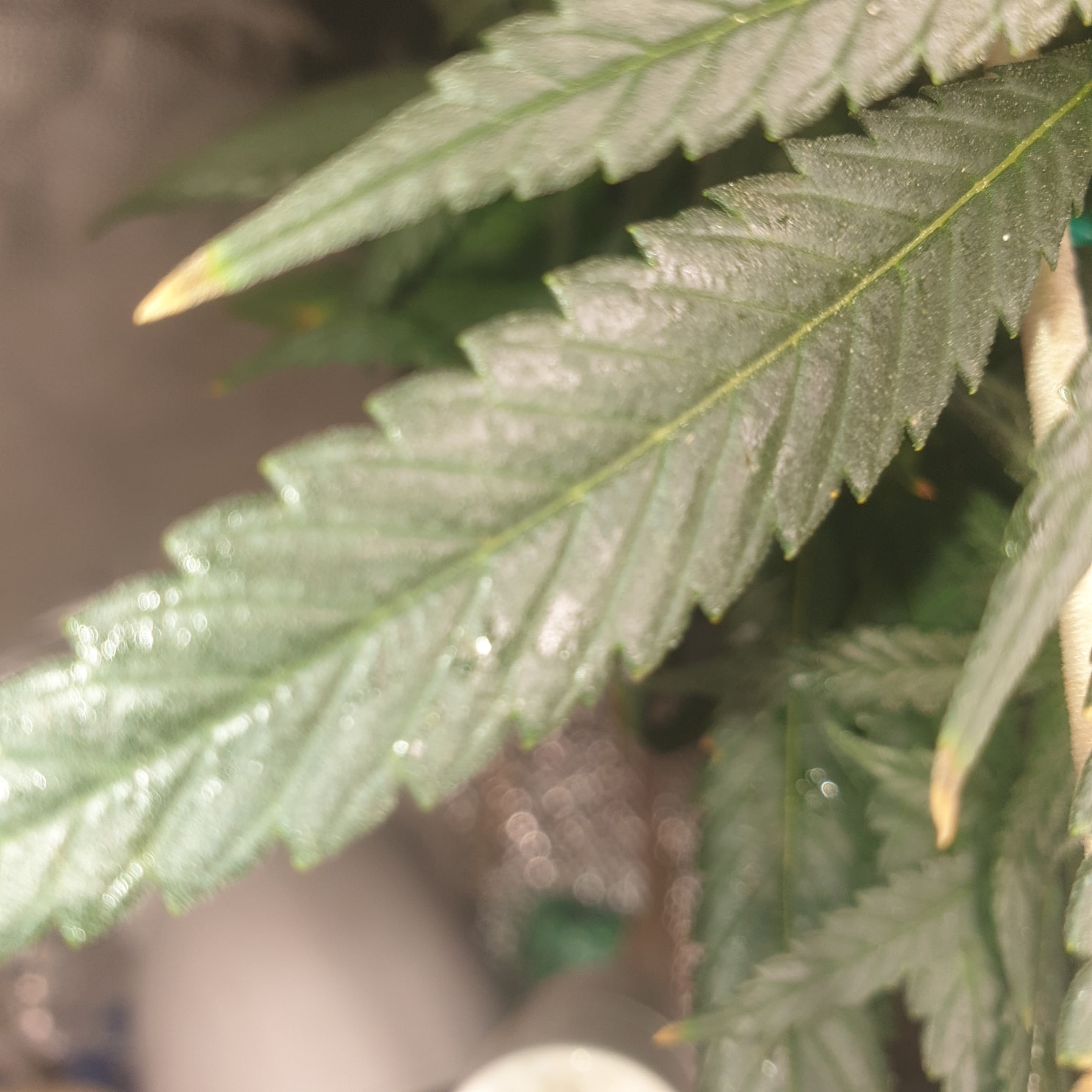
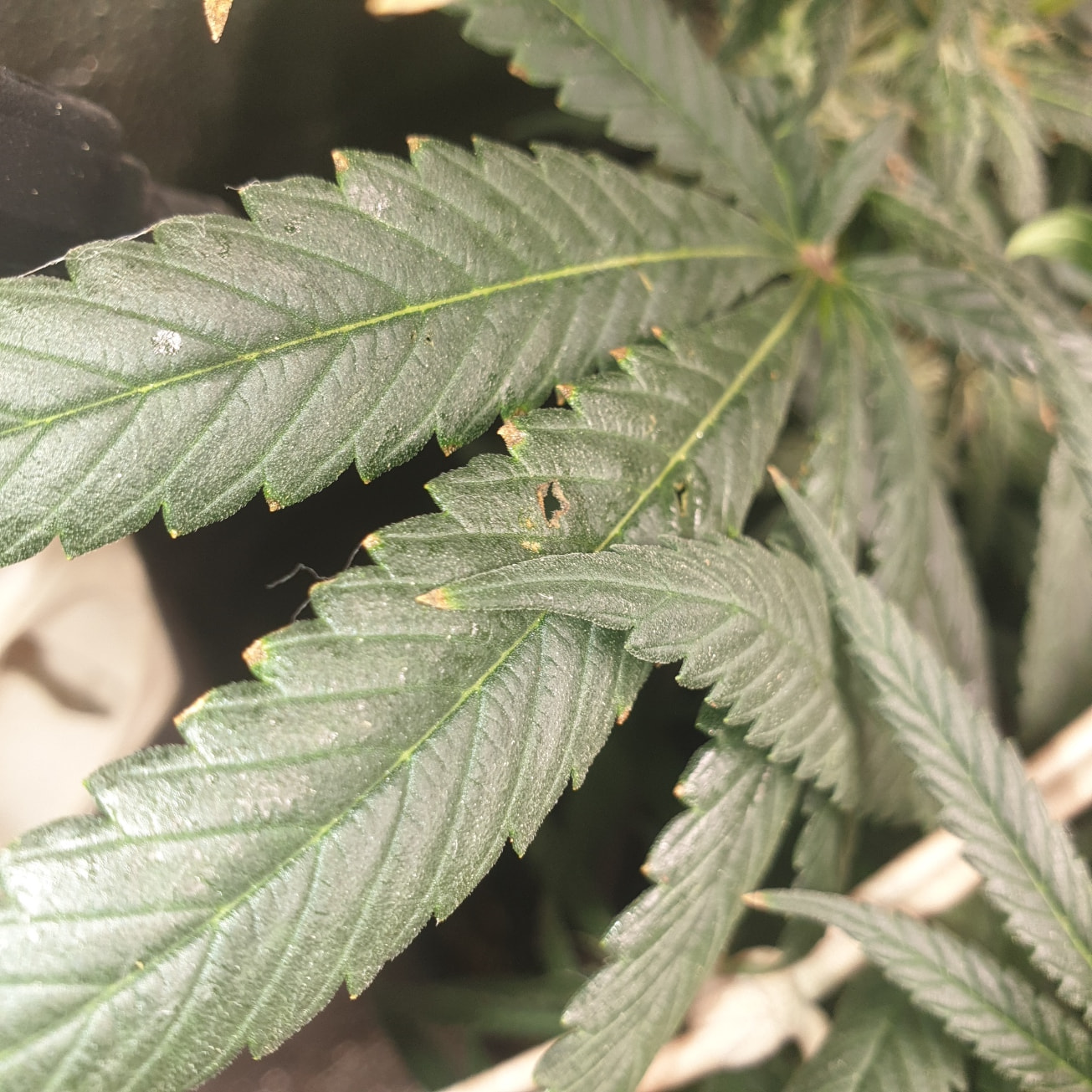
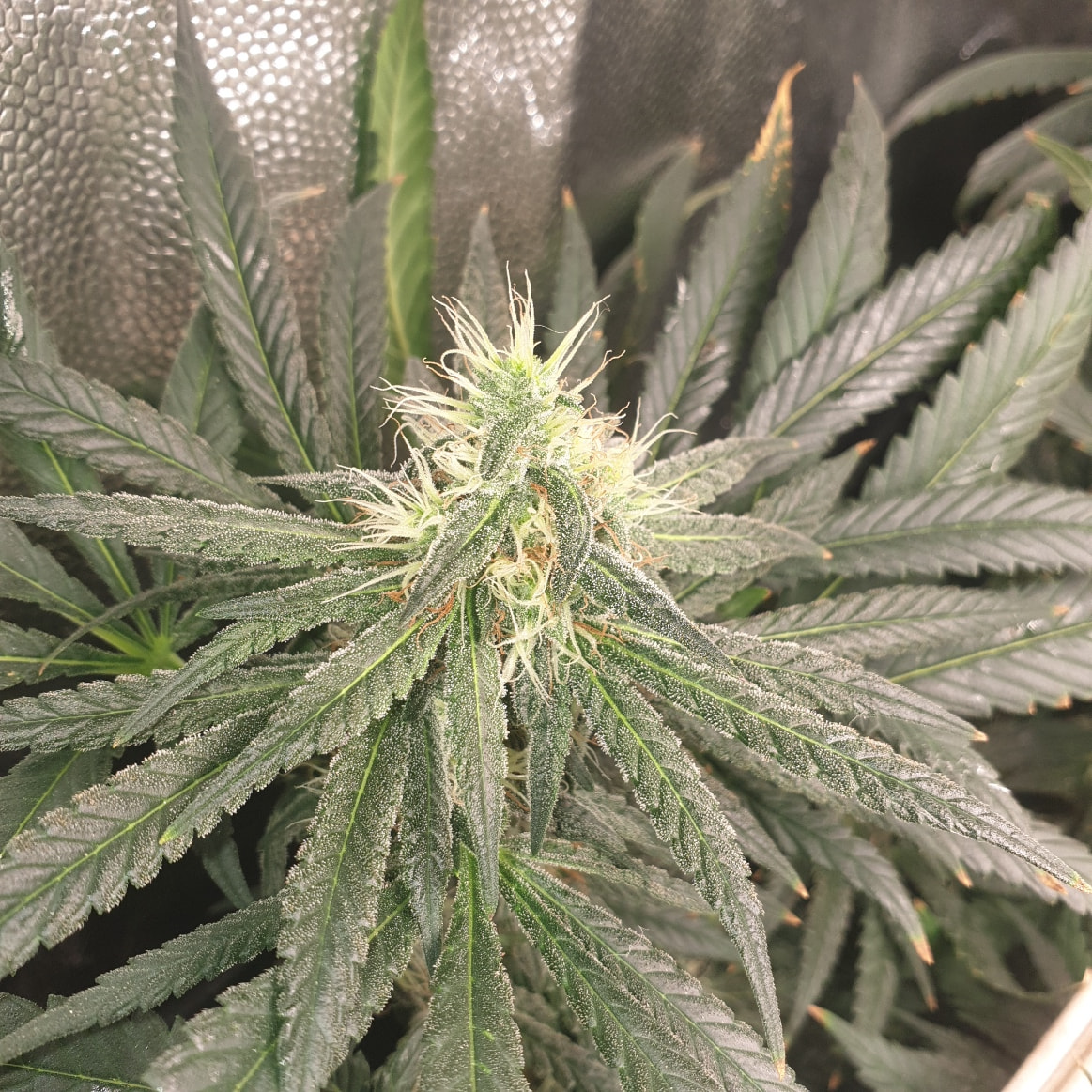
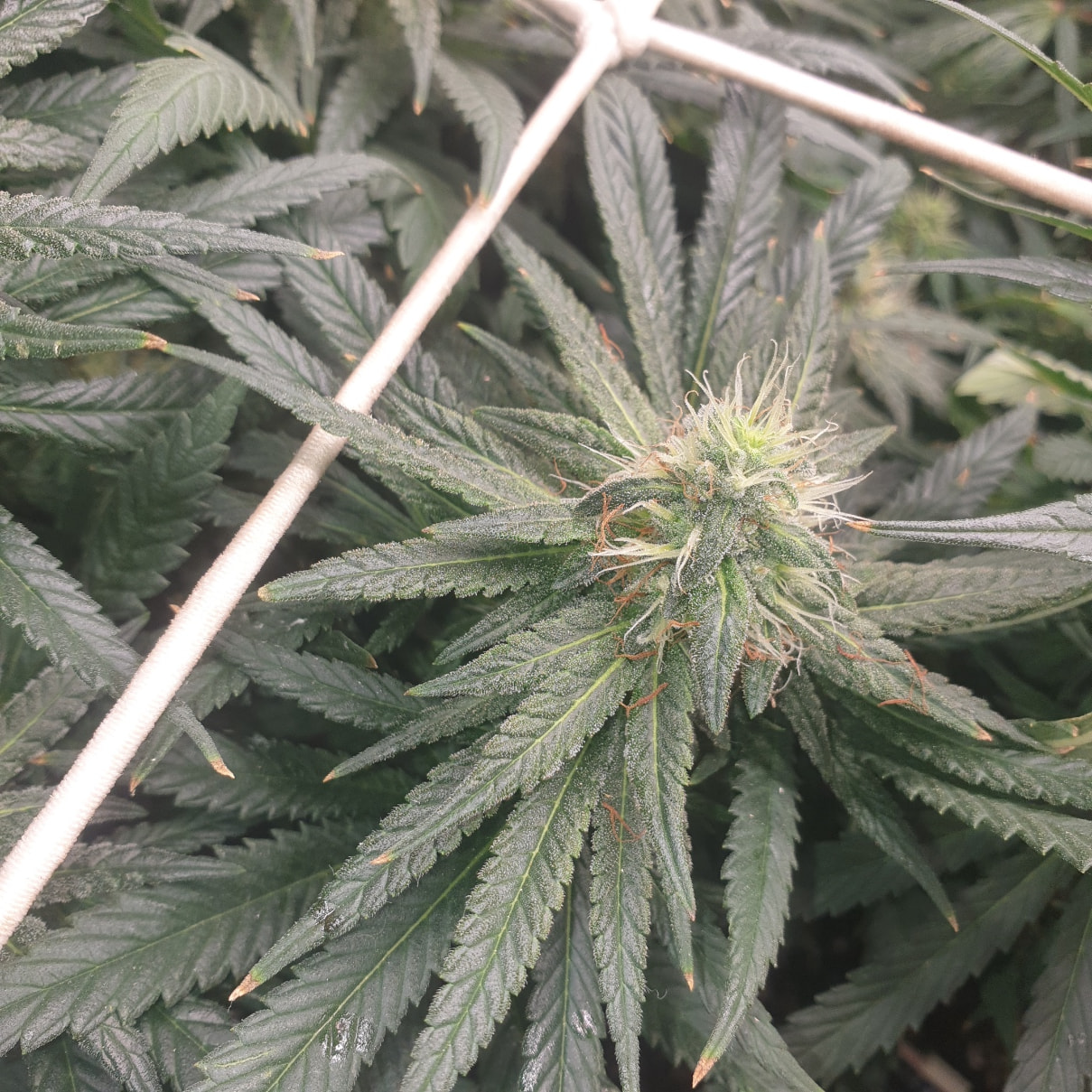
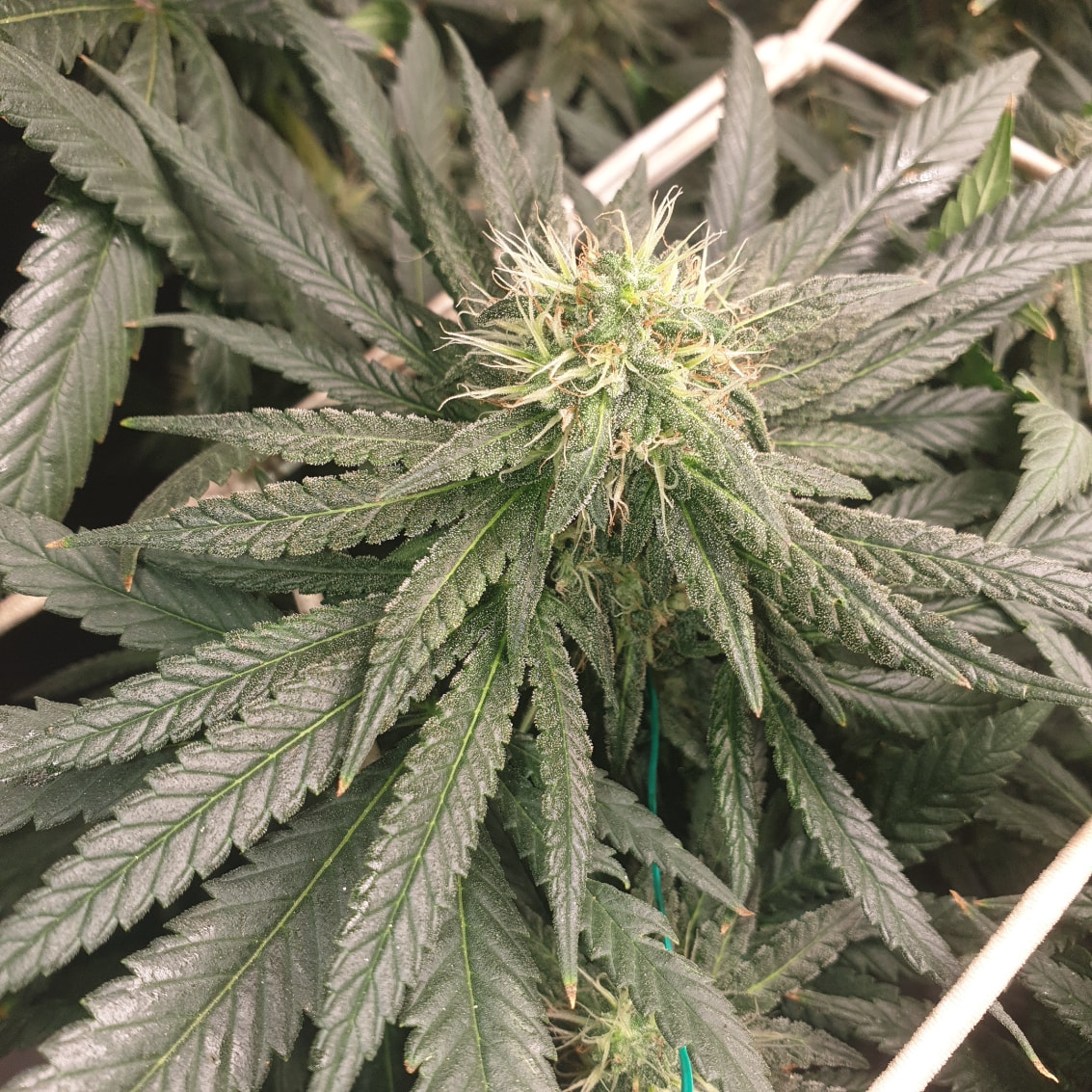
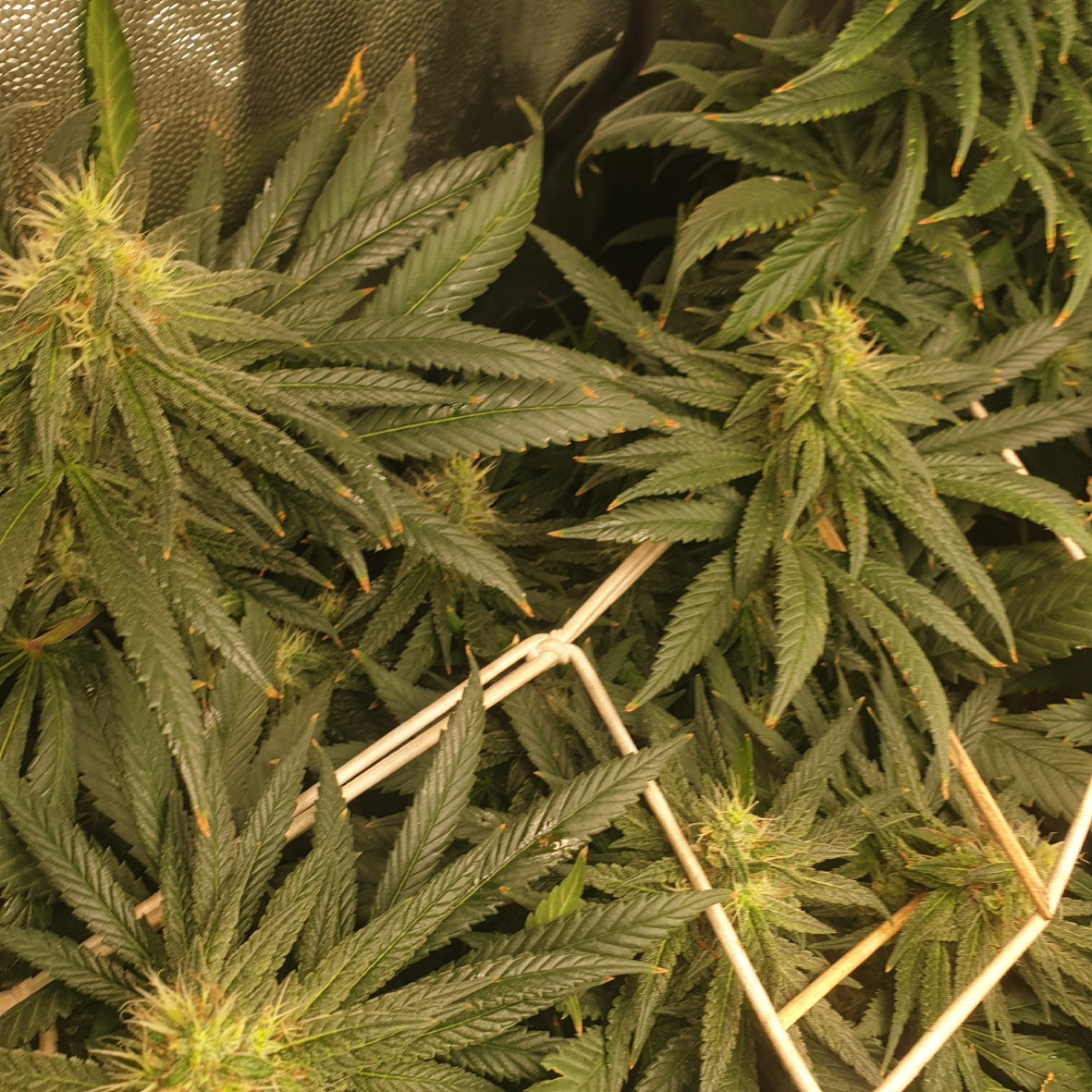
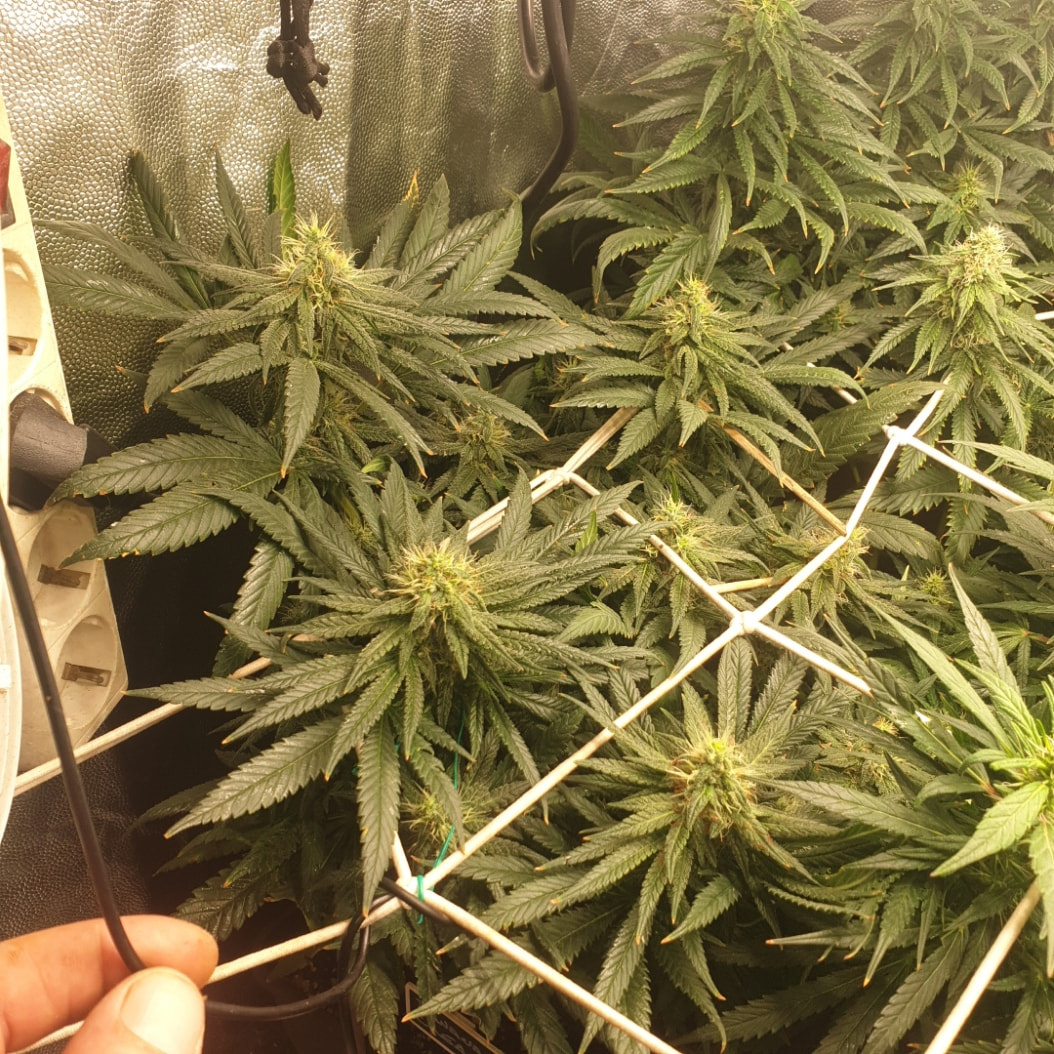
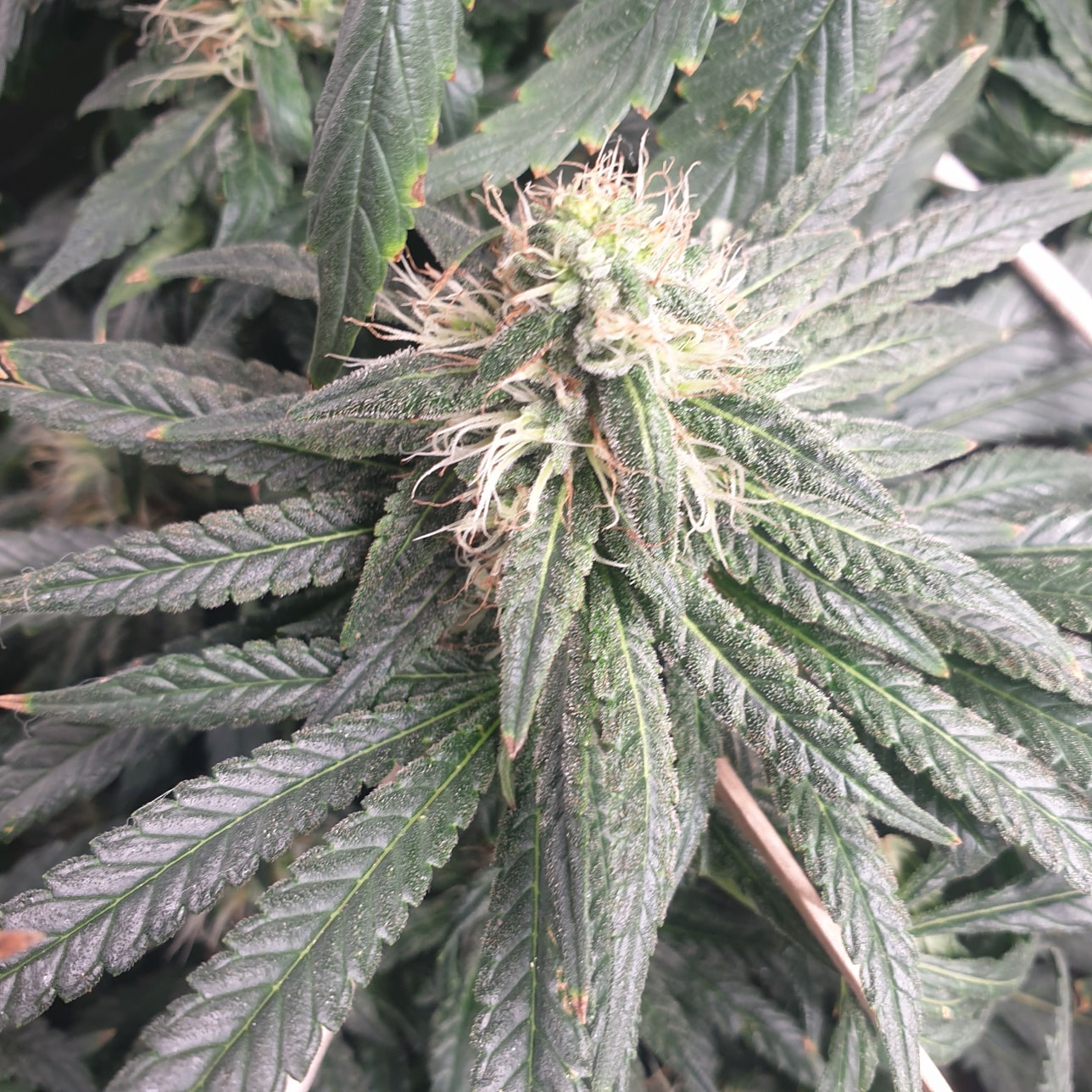
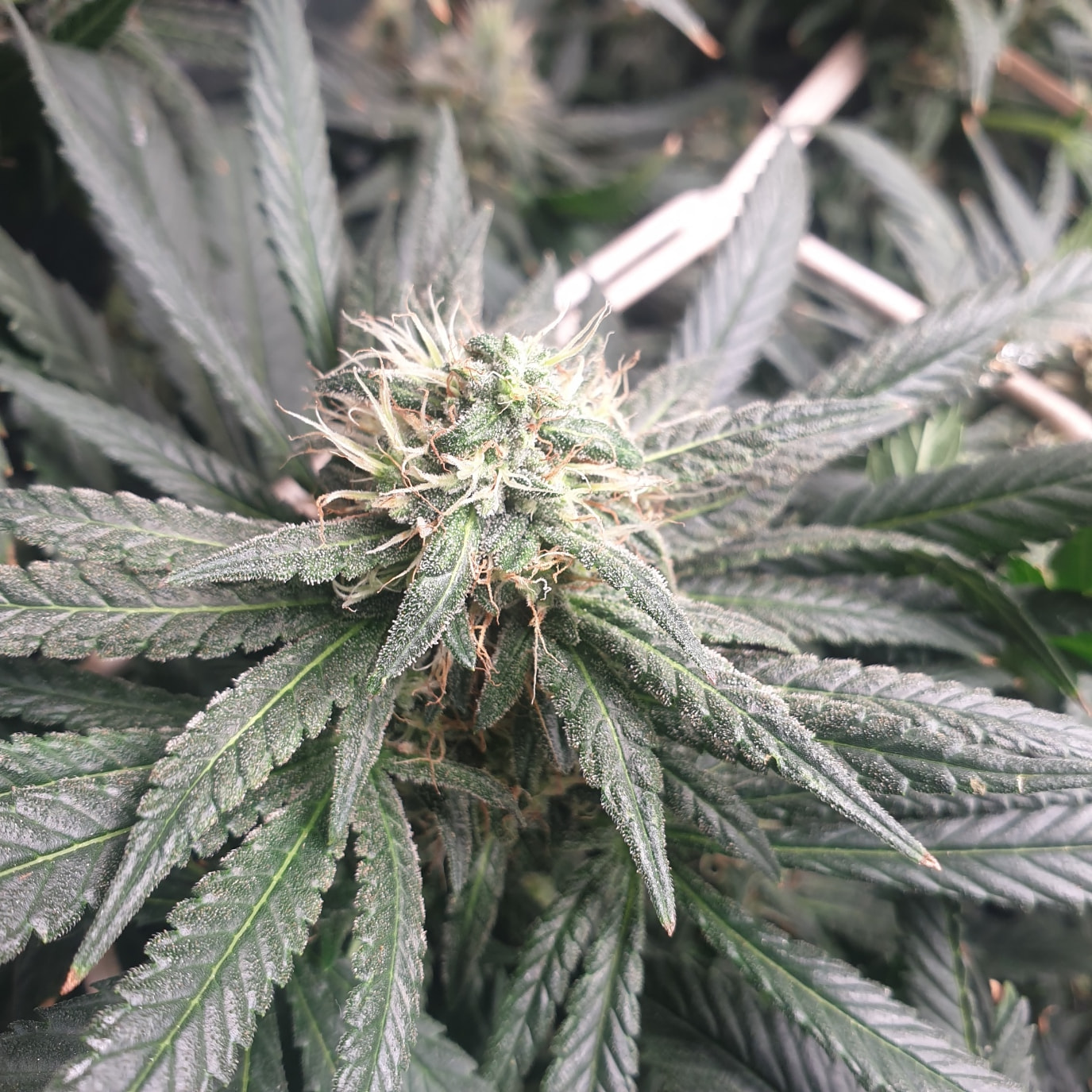
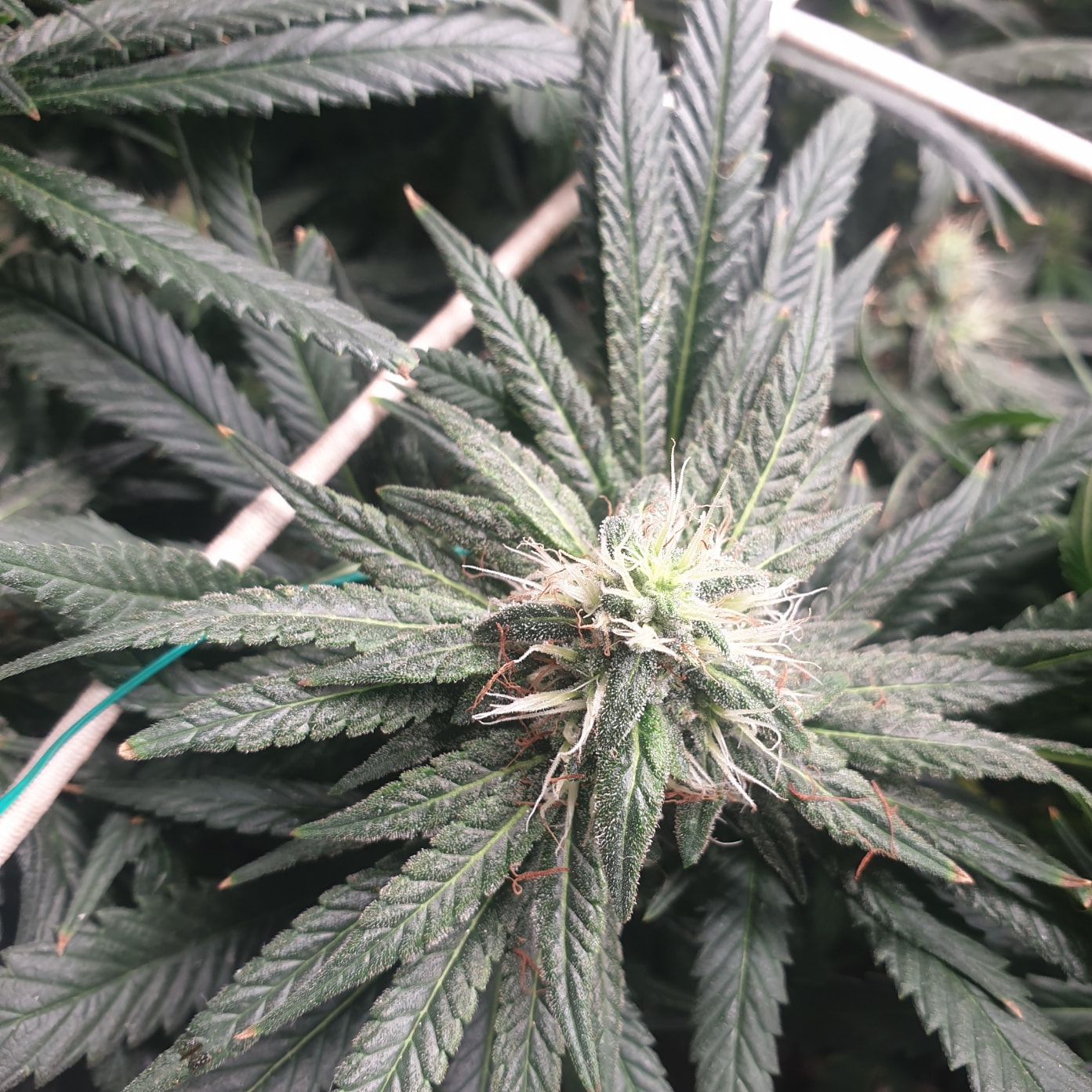
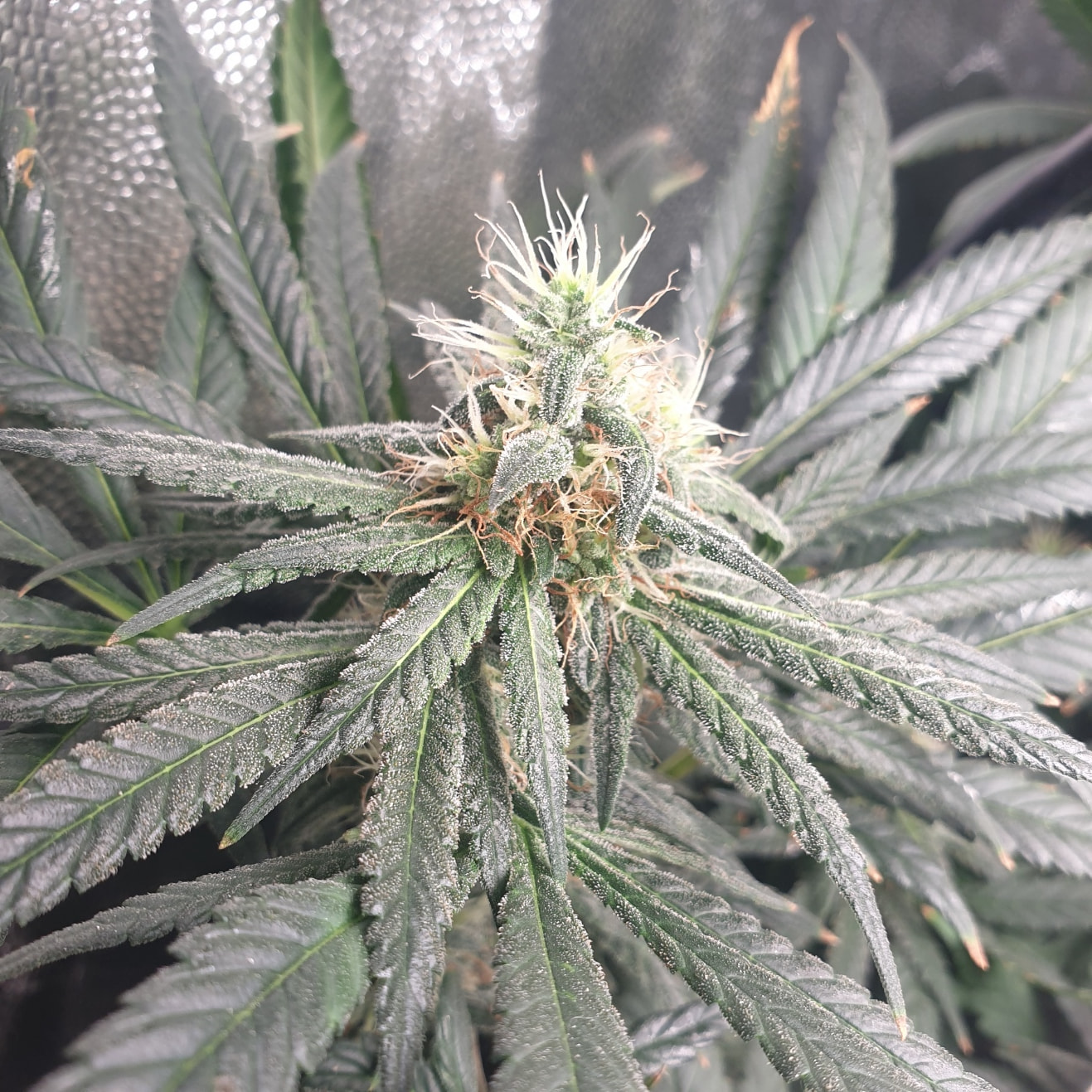
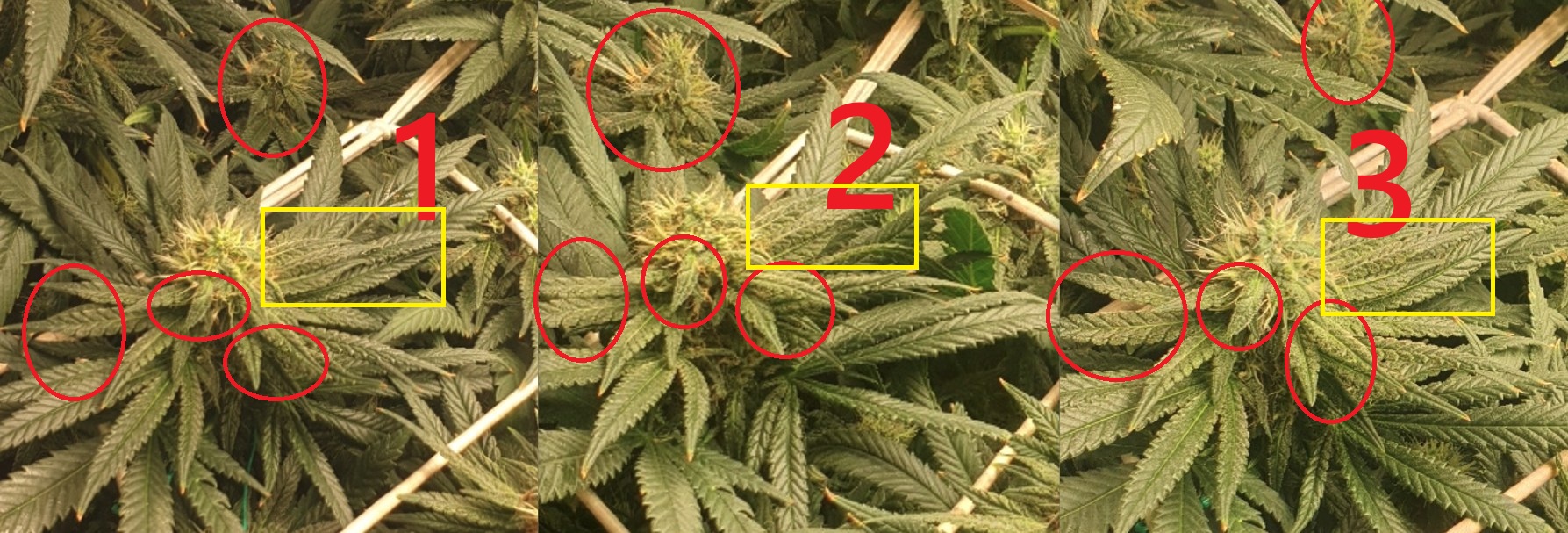
#59I’m going to try paprika from La Vera on the flowering plants. A spray (soaked cotton swab) of deionized water with paprika at pH 5.3 and water with a small amount at pH 8 tomorrow.
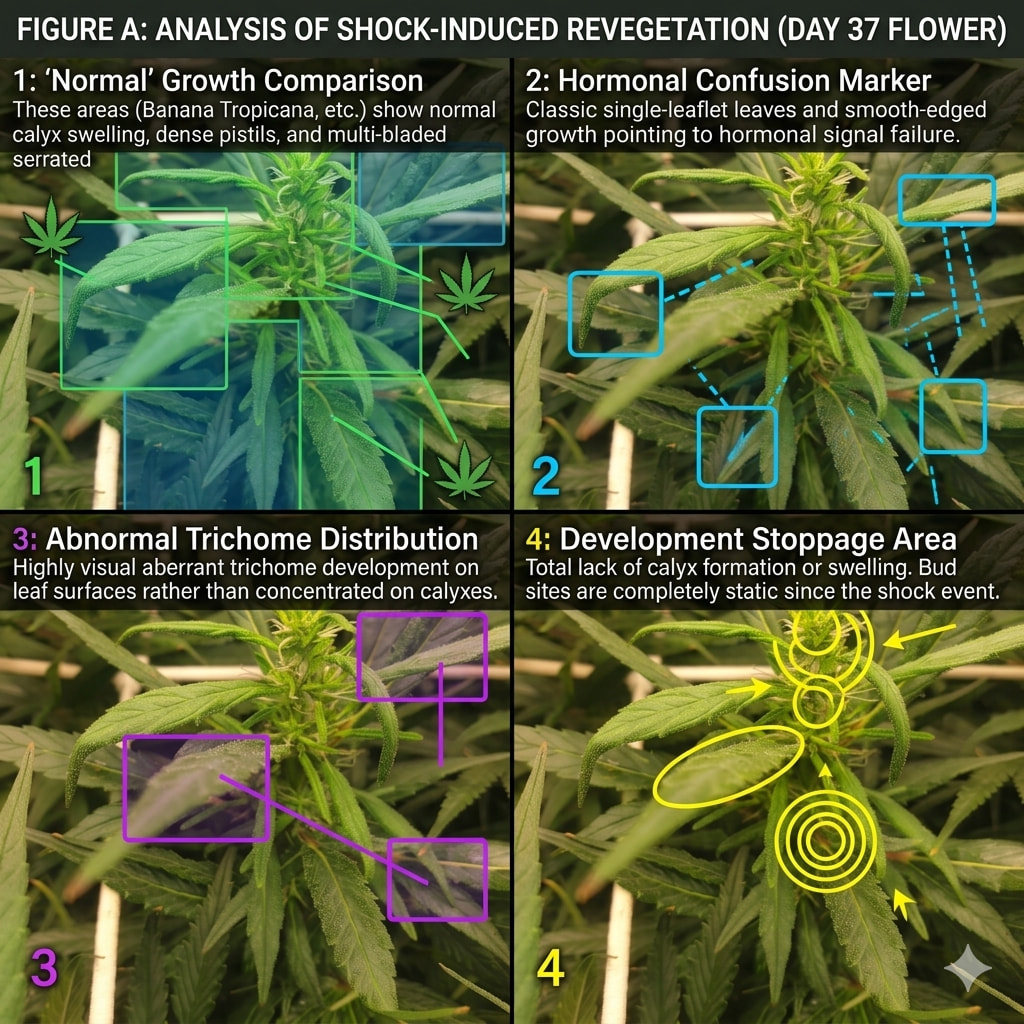
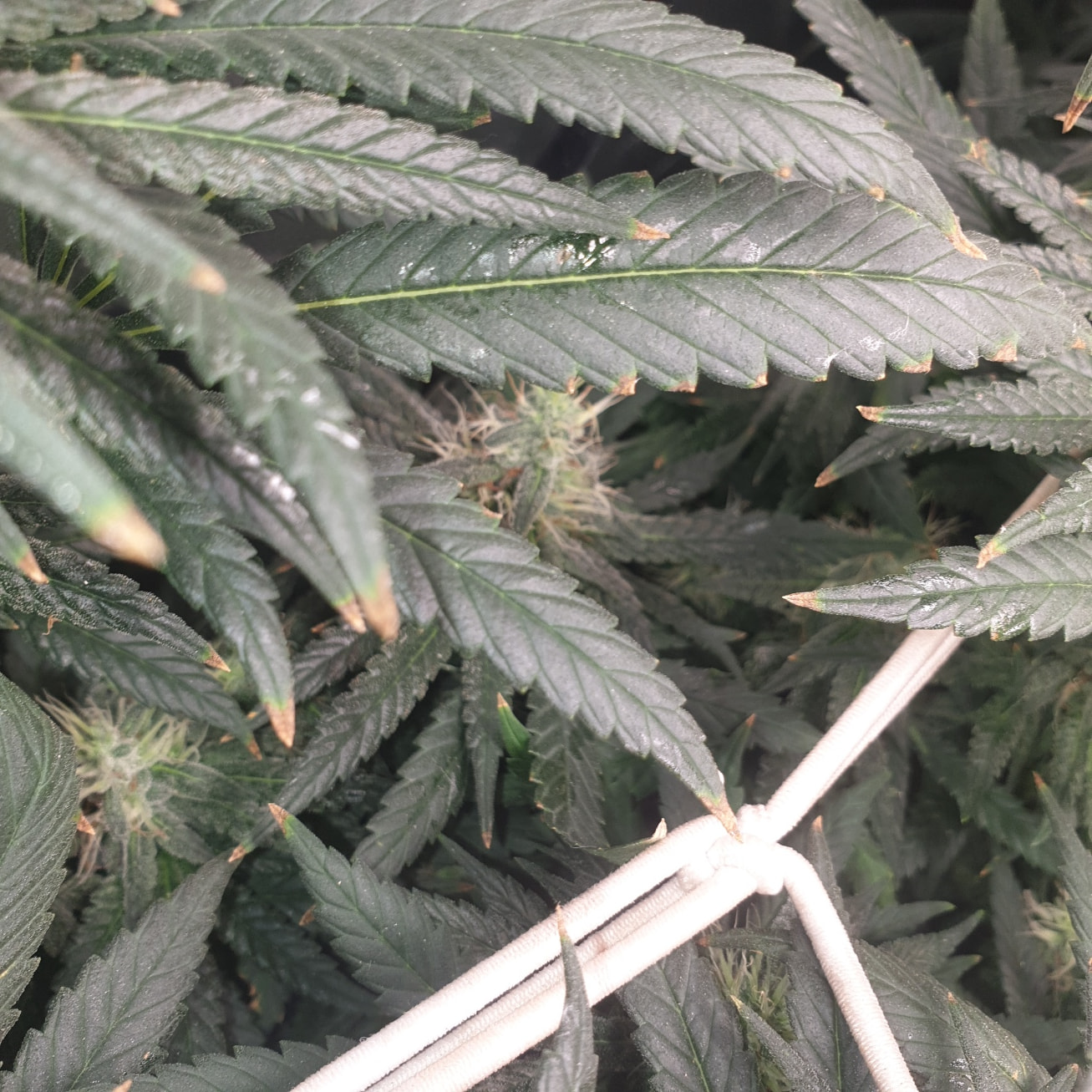
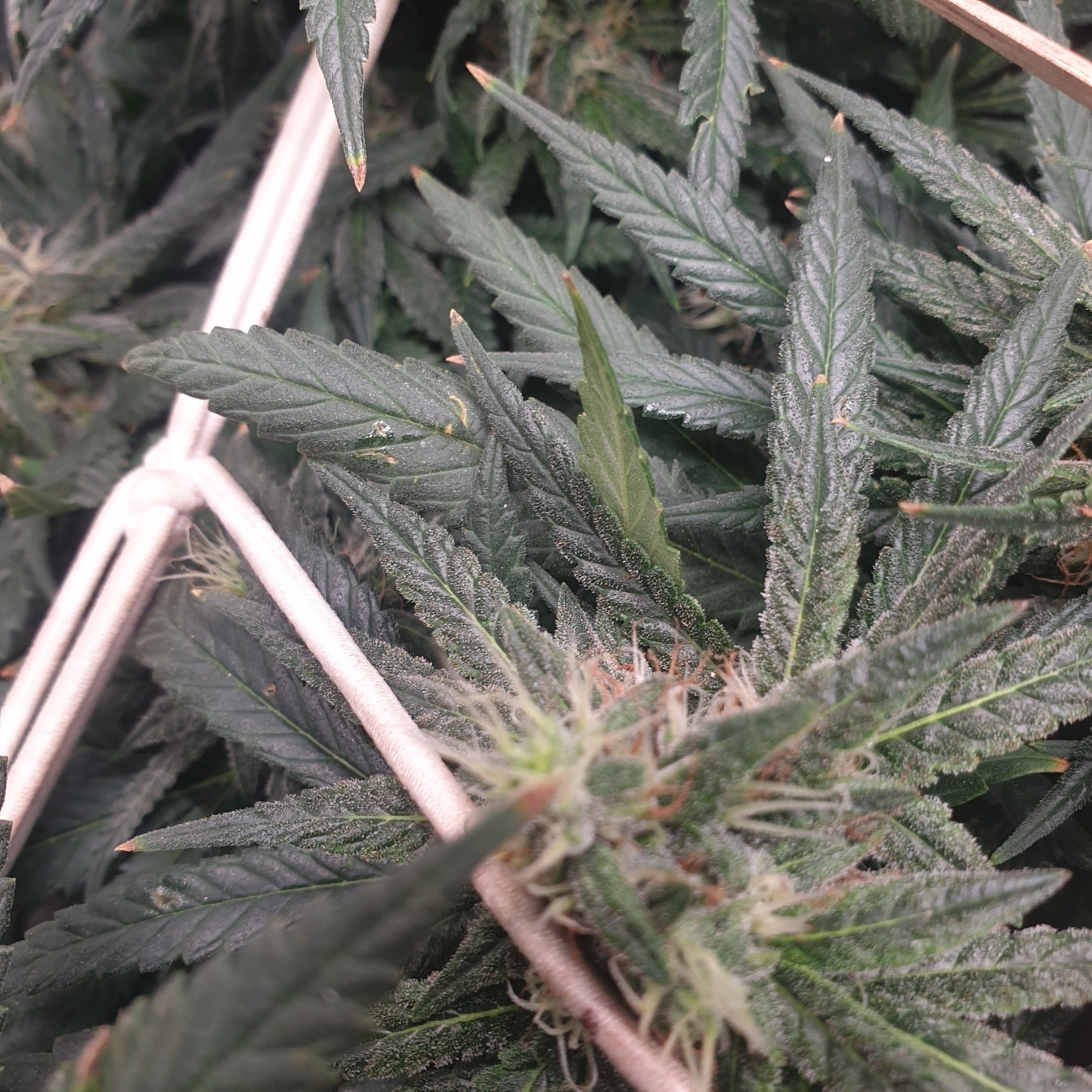
Today I’m going to stress them with Chitosan Oligosaccharide in aloe vera gel by piercing fan leaves with a soaked needle, this way I simulate an insect eating it, and with the gel I don’t risk damaging the wounds.
what pH would rainwater have for plants after a fire
After a forest fire, a fascinating dual phenomenon occurs: rainwater falling through the smoke-laden atmosphere tends to be slightly acidic, but the millisecond it touches the ash-covered ground it becomes highly alkaline, reaching a pH between 7.5 and 10.0.
This drastic fluctuation is the exact chemical signal that ancestral Landraces interpret as the beginning of a new era of colonization after the fire.
 The Two-Phase Chemical Phenomenon
Phase 1: Water in the Air (Mild Acid Rain)
- The pH: Drops to a range of 5.0 to 5.5 (compared to 5.6 for normal clean rain).
- The Cause: The combustion of biomass releases nitrogen oxides (\(NO_{x}\)) and sulfur oxides (\(SO_{x}\)) into the atmosphere. When dissolved in suspended raindrops, they form micro-concentrations of nitric and sulfuric acid. This provides the first wash of highly assimilable foliar nitrogen and sulfur.
Phase 2: Contact with the Soil (The Alkaline Surge)
- The pH: Immediately shoots up to a range of 7.5 to over 9.5 in the surface layers.
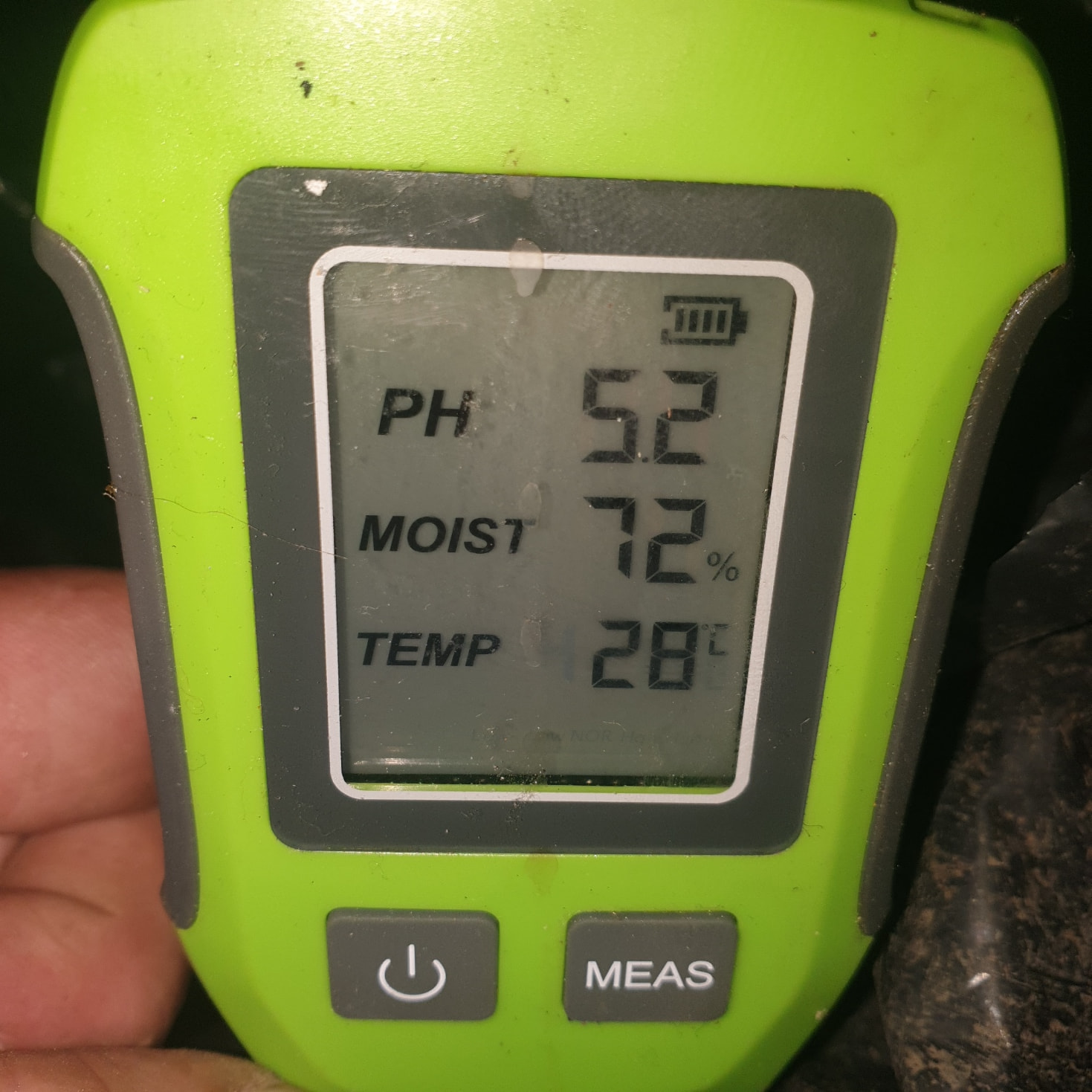
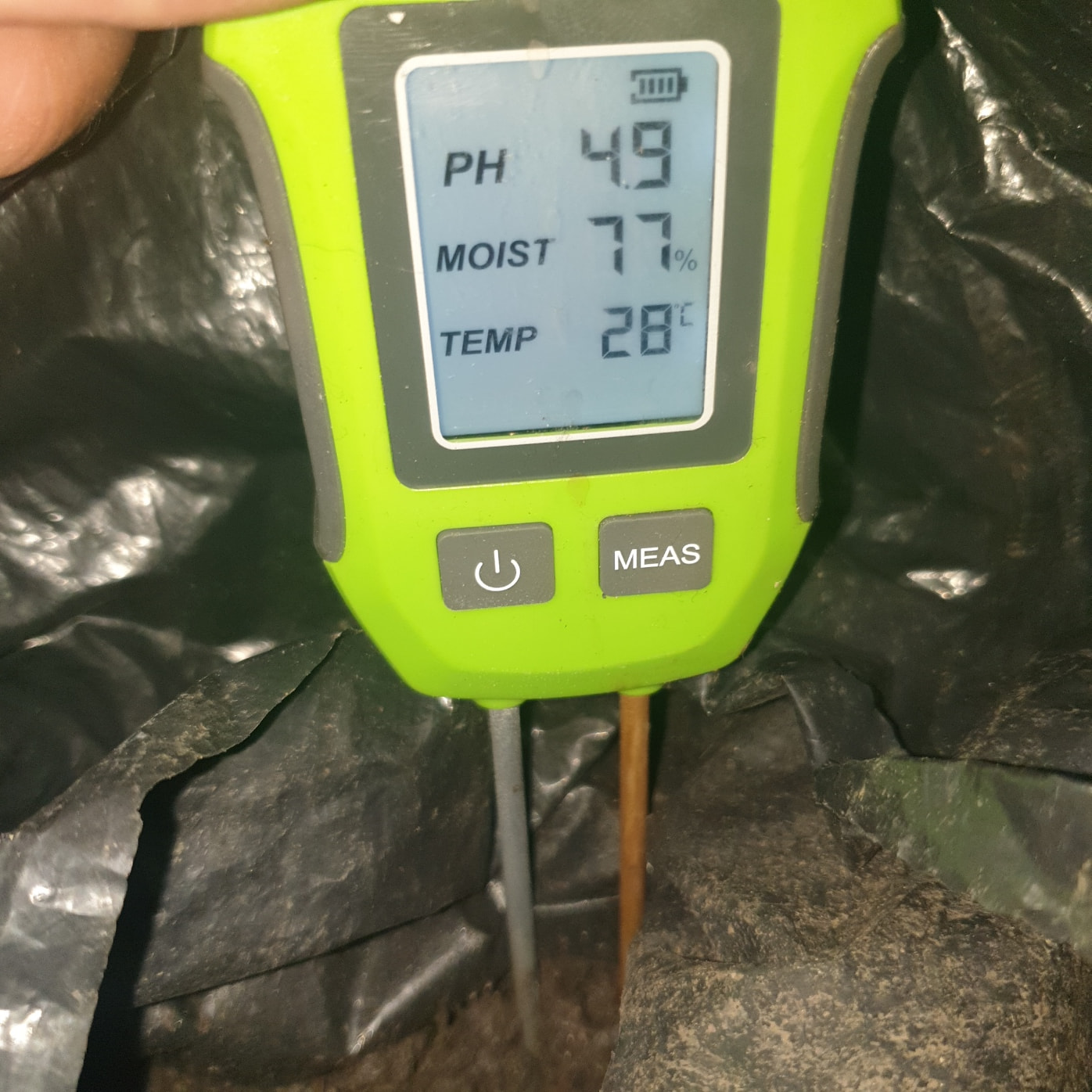
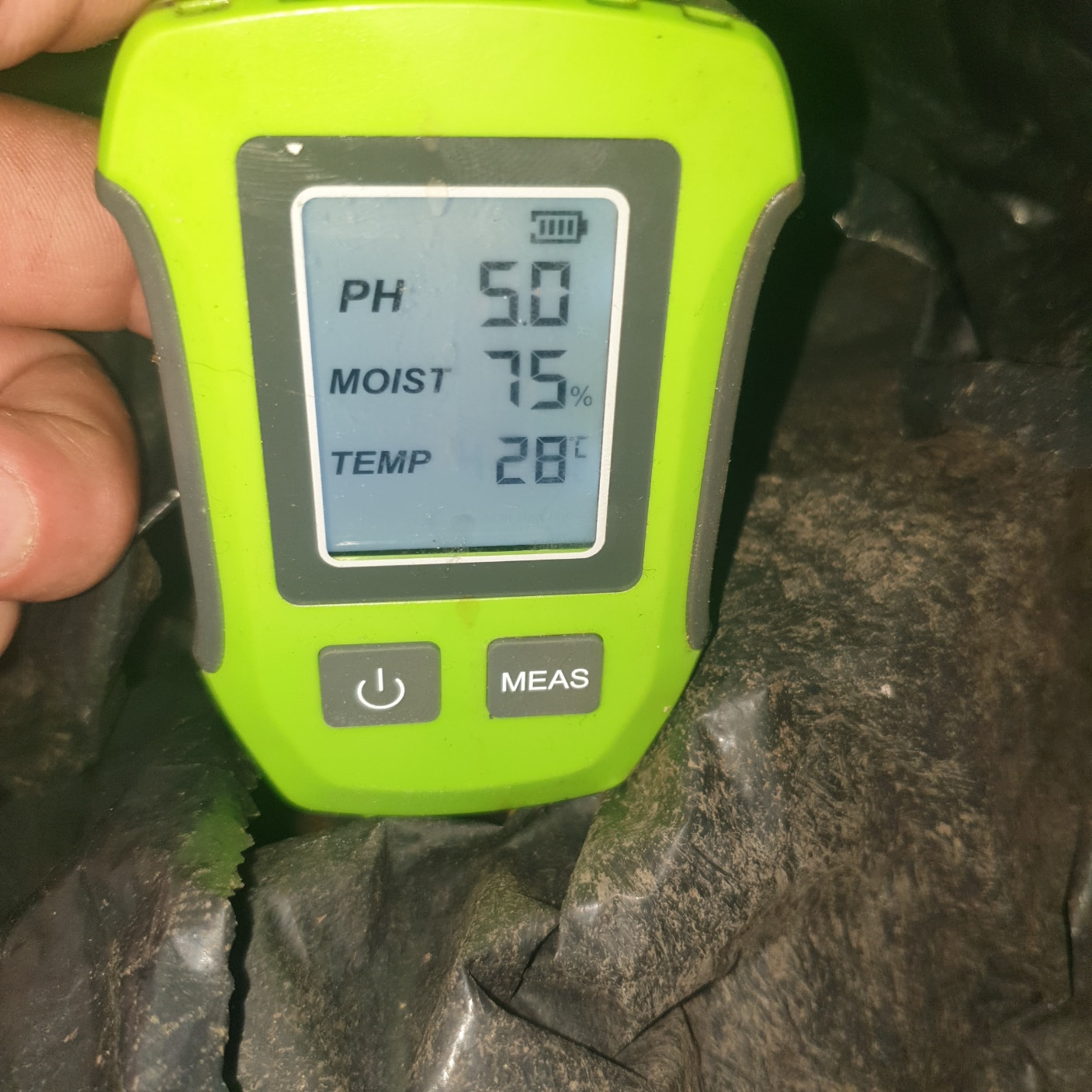
- The Cause: The residual ash from burned wood (especially from conifers and oaks, like those simulated by your paprika from La Vera) is rich in carbonates and oxides of Calcium (Ca), Potassium (K), Magnesium (Mg), and Sodium (Na). These alkaline salts solubilize ultra-rapidly with the first raindrops, neutralizing the acids and suddenly raising the soil pH by 2 or 3 units.